







Overview
Kidepo Valley National Park – Travel Overview
Kidepo Valley National Park is one of Uganda’s most remote and spectacular wildlife destinations. Located in the far northeastern corner of the country, the park is known for its rugged mountains, vast open plains, seasonal rivers and exceptional concentration of wildlife.
Unlike Uganda’s more easily accessible national parks, Kidepo offers a sense of true wilderness. The long journey to the park is part of what makes the destination special. Once inside, travelers encounter expansive landscapes with relatively few other vehicles, creating an experience that feels very different from a conventional safari.
Kidepo is particularly famous for its large herds of buffaloes, elephants, zebras and antelopes, as well as predators such as lions, leopards and cheetahs. It is also one of Uganda’s best destinations for spotting wildlife species associated with the country’s northeastern drylands that are rarely encountered elsewhere in Uganda.
Beyond wildlife, Kidepo provides opportunities to experience the culture of communities in the Karamoja region, making it possible to combine a traditional African safari with cultural encounters.
For travelers looking for remote wilderness, dramatic scenery and a less-crowded safari experience, Kidepo Valley National Park is one of Uganda’s most rewarding destinations.
Where Is Kidepo Valley National Park?
Kidepo Valley National Park is located in northeastern Uganda, close to Uganda’s borders with South Sudan and Kenya.
The park lies in the Karamoja sub-region, an area characterized by rugged mountains, dry savannah and expansive plains.
Its geographical isolation is one of the defining features of the destination.
Unlike Lake Mburo, which can easily be incorporated into a road trip from Kampala, Kidepo requires considerably more planning and travel time.
This remoteness is exactly what attracts many safari travelers.
Why Is Kidepo Valley National Park Famous?
Kidepo is famous for its remote wilderness and exceptional wildlife diversity.
The park has a number of characteristics that make it stand out from other Ugandan safari destinations.
These include:
- Vast savannah plains
- Rugged mountain landscapes
- Seasonal rivers
- Large buffalo herds
- Lions
- Leopards
- Cheetahs
- Elephants
- Giraffes
- Zebras
- Antelopes
- Unique northern wildlife species
- Karamoja cultural experiences
Kidepo also has a relatively low level of tourism compared with some of Uganda’s better-known parks.
That means travelers can sometimes spend considerable time exploring the wilderness without encountering many other safari vehicles.
Wildlife in Kidepo Valley National Park
Wildlife is the main reason most visitors travel to Kidepo.
The park supports a remarkable mixture of species, including animals that are more commonly associated with the drylands of East Africa.
Visitors can encounter:
- Lions
- Leopards
- Cheetahs
- Elephants
- Buffaloes
- Giraffes
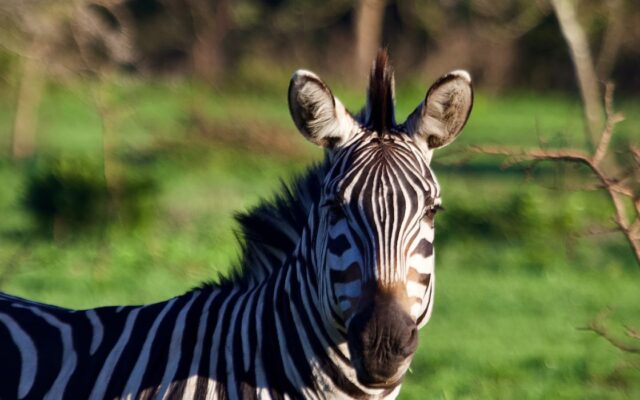
- Zebras
- Jackson’s hartebeest
- Uganda kobs
- Elands
- Oribis
- Warthogs
- Ostriches
- Hyenas
- Jackals
Some species are easier to find than others, and wildlife sightings always depend on season, weather and animal movements.
Lions in Kidepo
Kidepo is particularly well known for its lion population.
Lions can often be associated with the park’s open plains, where they hunt herbivores such as buffaloes and other antelopes.
The open landscapes can provide excellent opportunities for photography because there are fewer dense forests obstructing views.
Early morning and late afternoon game drives can be particularly rewarding because temperatures are cooler and predators are often more active.
Cheetahs in Kidepo
One of Kidepo’s special attractions is the possibility of encountering cheetahs.
Cheetahs are not widespread throughout Uganda, making Kidepo particularly important for travelers interested in seeing this highly specialized predator.
The park’s open savannah provides suitable habitat for a species that relies heavily on speed when hunting.
A cheetah encounter in Kidepo can therefore be one of the highlights of a northern Uganda safari.
Leopards and Other Predators
Kidepo also supports other predators.
Leopards are present but are generally more elusive.
Visitors may also encounter:
- Spotted hyenas
- Black-backed jackals
- Side-striped jackals
- Other smaller carnivores
Predator sightings are never guaranteed, but Kidepo’s relatively wild environment makes searching for carnivores an exciting part of the safari experience.
Elephants in Kidepo
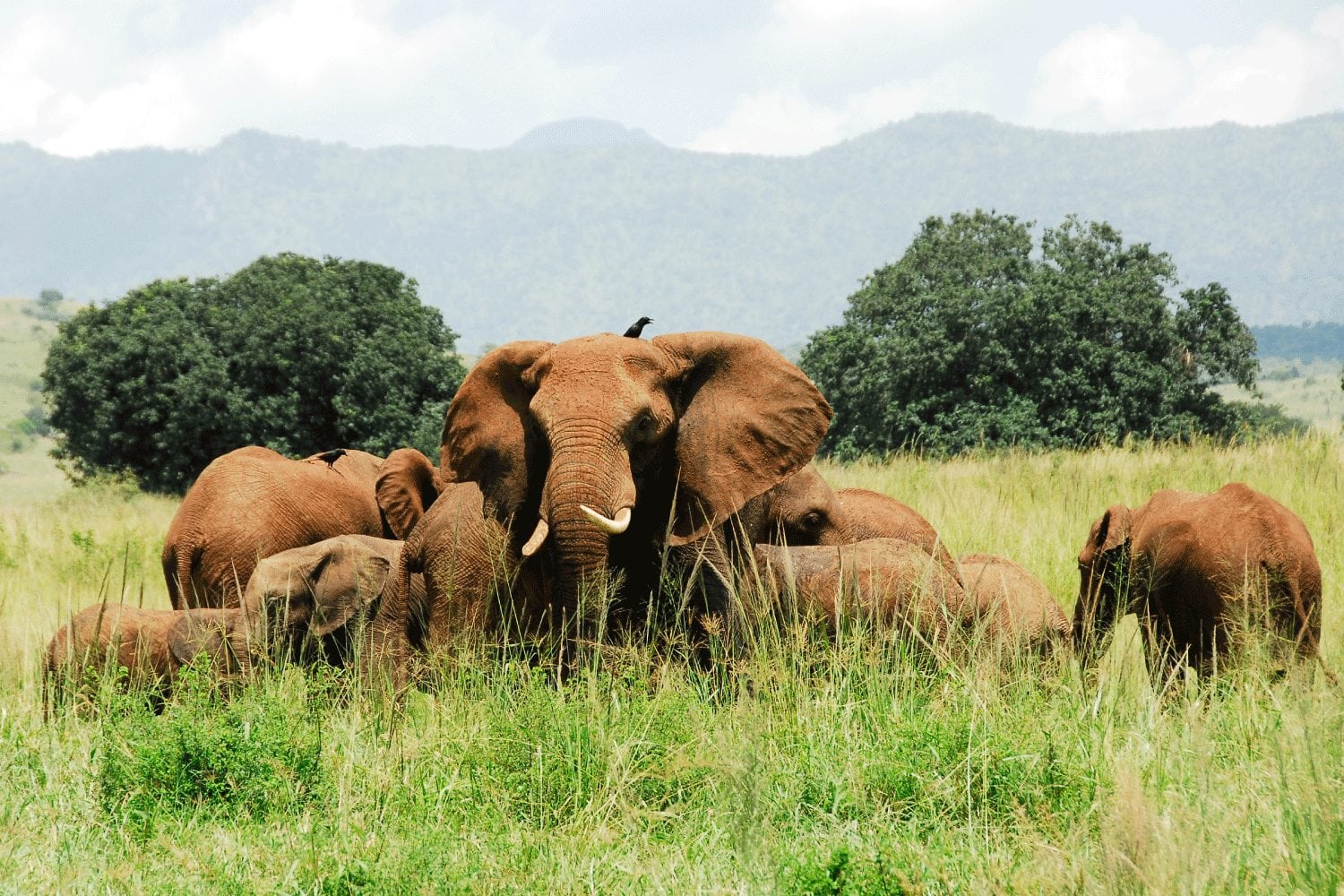
Elephants are another important part of the Kidepo ecosystem.
They can be seen moving across the plains or around areas where water and vegetation are available.
Their presence becomes particularly dramatic against the backdrop of Kidepo’s mountains.
The combination of elephants, open savannah and rugged mountains often creates some of the most memorable wildlife scenes in Uganda.
Buffalo Herds
Kidepo is famous for its large buffalo herds.
During a game drive, travelers may encounter buffaloes spread across the plains or gathered in substantial groups.
The sheer number of animals can create impressive wildlife spectacles.
Buffaloes are also important prey for lions, making areas with large herds potentially interesting for predator activity.
Giraffes in Kidepo
Giraffes are among the park’s most recognizable herbivores.
They can often be seen browsing on vegetation across the savannah.
The sight of giraffes moving across open plains with mountains in the background is one of the defining visual experiences of Kidepo.
Unique Wildlife of Kidepo
One of Kidepo’s biggest attractions is the presence of wildlife that travelers may not encounter in Uganda’s other major parks.
Depending on the area and conditions, visitors may encounter species such as:
- Ostriches
- Cheetahs
- Jackson’s hartebeest
- Karamoja-associated wildlife
- Gerenuks in the wider region
- Greater and lesser kudus
- Beisa oryx
This makes Kidepo particularly attractive to experienced safari travelers who have already visited Uganda’s more conventional wildlife destinations.
What Can You Do in Kidepo Valley National Park?
The main activities in Kidepo revolve around wildlife, scenery and culture.
Game Drives
Game drives are the primary way to explore the park.
Nature and Wilderness Experiences
The expansive landscapes provide opportunities to appreciate the park’s scenery and ecosystems.
Bird Watching
Kidepo supports a variety of bird species, including species associated with dry savannah habitats.
Cultural Experiences
Travelers can visit communities in the Karamoja region and learn about local traditions and lifestyles.
Hiking
Certain areas provide opportunities for guided hiking and exploration of the park’s mountainous landscapes.
Game Drives in Kidepo
A game drive is the essential Kidepo experience.
Because the park is large and wildlife is spread across different habitats, safari vehicles allow visitors to cover more ground.
Morning game drives can provide opportunities to see wildlife becoming active after the cooler night.
Afternoon drives allow travelers to explore until sunset.
Full-day game drives can also be useful for reaching more remote areas of the park.
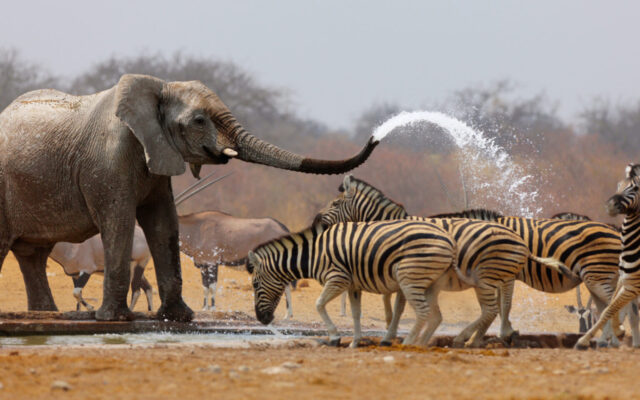
During a drive, you might encounter a herd of buffaloes, a group of zebras, elephants crossing the plains or a pride of lions resting beneath trees.
The unpredictability is part of the attraction.
Narus Valley
The Narus Valley is one of the most important wildlife-viewing areas in Kidepo.
Because water availability is relatively more reliable here than in some other parts of the park, animals can concentrate around the valley, particularly during drier periods.
The valley provides opportunities to search for:
- Buffaloes
- Elephants
- Lions
- Giraffes
- Zebras
- Antelopes
- Other wildlife
It is often considered one of the key areas for game drives.
Kidepo Valley
The Kidepo Valley itself provides a very different landscape.
The valley is characterized by open plains and seasonal watercourses.
During the dry season, some areas can appear extremely arid, creating a striking contrast with Uganda’s greener western forests.
During the rainy season, the landscape can transform dramatically as vegetation returns.
This changing environment is one of the reasons Kidepo is such an interesting destination for photographers.
Kanangorok Hot Springs
The Kanangorok Hot Springs are one of the scenic attractions associated with the park.
Located in the northern part of Kidepo, the area provides an opportunity to experience a different side of the destination away from the main wildlife-viewing areas.
The journey to the hot springs also provides scenic views across the surrounding landscape.
On clear days, travelers can appreciate the expansive wilderness stretching toward the South Sudan border.
Hiking in Kidepo
Kidepo’s rugged terrain creates opportunities for guided hiking experiences.
Hiking provides a different perspective compared with game drives.
Instead of moving quickly across the landscape, travelers can slow down and appreciate:
- Plants
- Rock formations
- Wildlife tracks
- Birdlife
- Mountains
- Valleys
- Local landscapes
Some hikes are more demanding than others, so travelers should select experiences according to their fitness and guide recommendations.
Bird Watching in Kidepo
Kidepo is an interesting destination for birders because its dry savannah ecosystem supports a different collection of birds from Uganda’s tropical forests.
Bird enthusiasts can search for:
- Ostriches
- Raptors
- Eagles
- Vultures
- Hornbills
- Bee-eaters
- Rollers
- Weavers
- Starlings
- Other dryland species
The park’s open landscapes can make certain birds easier to spot than forest species.
Cultural Experiences in Karamoja
A Kidepo safari can also provide an opportunity to learn about the Karamojong people.
The Karamoja region has a distinctive cultural heritage, and community visits can introduce travelers to traditional ways of life.
Depending on the experience, visitors may learn about:
- Traditional homesteads
- Cattle keeping
- Local food
- Traditional dances
- Crafts
- Community life
- Local customs
A responsible cultural visit should be conducted with respect for the community and should prioritize genuine interaction rather than treating local people simply as tourist attractions.
Accommodation in Kidepo Valley National Park
Kidepo offers accommodation options for different types of travelers, although the selection is more limited than in destinations such as Queen Elizabeth or Bwindi.
Budget Accommodation
Budget options may include:
- Campsites
- Simple safari camps
- Basic lodging around the park
These are suitable for travelers who prioritize wildlife experiences over luxury.
Mid-Range Accommodation
Mid-range safari lodges and camps can provide:
- Comfortable rooms or tents
- En-suite facilities
- Restaurants
- Viewing areas
- Scenic surroundings
Luxury Accommodation
Luxury properties provide a more exclusive wilderness experience.
Depending on the property, facilities may include:
- Luxury safari tents
- Private verandas
- Scenic views
- Fine dining
- Lounge areas
- Personalized service
Internal link: Kidepo Valley National Park Accommodation
Because Kidepo is remote, accommodation should be booked well in advance, especially during popular travel periods.
How Many Days Do You Need in Kidepo?
Kidepo is not a destination where you ideally want to rush in and out.
Because of the distance involved, a 3- to 4-day stay is generally much more worthwhile than a very short visit.
Three Days
A three-day safari can include:
Arrival + game drive
Full-day wildlife exploration
Morning game drive + departure
Four or More Days
A longer stay allows travelers to combine:
- Multiple game drives
- Narus Valley
- Kidepo Valley
- Hiking
- Cultural experiences
- Bird watching
- Kanangorok Hot Springs
The extra time is particularly valuable because wildlife sightings are unpredictable.
Best Time to Visit Kidepo Valley National Park
Kidepo can be visited throughout the year.
However, the seasons can significantly change the appearance of the park and the wildlife-viewing experience.
During drier periods, animals may concentrate around available water sources, potentially making wildlife easier to locate.
During the rainy season, the landscape becomes greener and more vibrant.
This can create excellent photography conditions and attract migratory birds.
Travelers should therefore choose their timing according to whether their priority is wildlife concentration, green landscapes, birding or overall safari conditions.
How Do You Get to Kidepo?
Kidepo is one of Uganda’s most remote national parks.
Travelers can reach it by road or domestic flight.
By Road
Road travel provides an opportunity to experience more of northern Uganda and the Karamoja region.
However, the journey from Kampala is long.
This means Kidepo is better suited to a dedicated safari rather than being added casually to a short Uganda itinerary.
By Air
Flying is an excellent option for travelers who want to reduce travel time.
Domestic flights can connect travelers with airstrips serving the Kidepo area, followed by a transfer to the lodge.
Kidepo by Road or Air?
The choice depends on what kind of safari you want.
Choose road travel if you want:
- A more adventurous journey
- Scenic overland travel
- Cultural encounters along the way
- More time exploring northern Uganda
Choose flying if you want:
- Less travel time
- More time inside the park
- A shorter overall itinerary
- A more comfortable luxury safari experience
For first-time visitors with limited vacation time, flying can make Kidepo much easier to include.
What Should You Pack for Kidepo?
Kidepo’s dry and remote environment means practical safari clothing is essential.
Consider packing:
- Lightweight trousers
- Long-sleeved shirts
- Comfortable walking shoes
- Hat
- Sunglasses
- Sunscreen
- Insect repellent
- Light jacket
- Rain jacket
- Binoculars
- Camera
- Extra batteries
- Reusable water bottle
- Personal toiletries
- Small backpack
Temperatures can change significantly between early morning and afternoon, so layering is useful.
Is Kidepo Suitable for Families?
Kidepo can be an excellent family destination for families with children who enjoy wildlife and adventure.
The main consideration is the long journey involved.
Families should think about whether children are comfortable with:
- Long road journeys
- Early morning game drives
- Remote environments
- Hot weather
- Limited infrastructure
Flying can make the destination more comfortable for families.
Is Kidepo Good for First-Time Safari Travelers?
Yes—but it depends on what the traveler wants.
If someone wants the easiest possible Uganda safari with minimal travel time, Lake Mburo or Queen Elizabeth may be more convenient.
If they want a remote, wild and less-crowded experience, Kidepo can be an exceptional first safari.
For experienced safari travelers, Kidepo can be even more appealing because its wildlife and landscapes provide something different from the better-known parks.
Kidepo vs Queen Elizabeth National Park
These two destinations offer very different safari experiences.
Kidepo
Remote wilderness
Cheetahs
Large buffalo herds
Dry savannah
Mountain scenery
Fewer tourists
Queen Elizabeth
More accessible
Lions
Elephants
Hippos
Kazinga Channel
Savannah + wetlands
Both are excellent, but Kidepo is particularly attractive to travelers searching for a more remote wilderness experience.
Kidepo and Murchison Falls
Travelers wanting a more extensive Uganda wildlife safari can combine Kidepo with Murchison Falls National Park.
Murchison provides:
- The Nile
- Murchison Falls
- Elephants
- Giraffes
- Lions
- Buffaloes
- Hippos
- Boat cruises
Kidepo then adds the remote northeastern wilderness and species that are less common in western Uganda.
Kidepo and the Rest of Uganda
Kidepo can be combined with several destinations on a longer Uganda safari.
A comprehensive itinerary could include:
Kidepo → Murchison Falls → Kibale → Queen Elizabeth → Bwindi
This would create a journey covering:
- Northern Uganda
- Chimpanzees
- Savannah wildlife
- Forests
- Mountain gorillas
It is a long itinerary, but it provides an impressive overview of Uganda’s wildlife diversity.
Conservation in Kidepo
Kidepo protects a large and important wilderness ecosystem.
Conservation is particularly important because the region supports wildlife species adapted to dryland environments and provides an important habitat for predators and large herbivores.
Tourism contributes through:
- Park fees
- Employment
- Guiding
- Accommodation
- Transport
- Community tourism
- Conservation funding
Because the park is located near international borders and within a historically challenging region, responsible tourism and community involvement are particularly important.
Responsible Tourism in Kidepo
Visitors should:
- Follow ranger and guide instructions.
- Keep a safe distance from wildlife.
- Never feed animals.
- Avoid littering.
- Respect local communities.
- Avoid disturbing wildlife.
- Follow park regulations.
- Use designated routes where required.
- Practice responsible photography.
Cultural experiences should also be approached respectfully, with genuine interest in local people and their way of life.
Why Visit Kidepo Valley National Park?
Kidepo is for the traveler who wants to go beyond the ordinary safari route.
It is a place of vast plains, rugged mountains, dramatic skies and extraordinary wildlife.
One moment you may be watching a pride of lions resting in the grass. Later, you may encounter elephants crossing the plains or a herd of buffalo stretching across the horizon.
You can search for cheetahs, explore the Narus Valley, visit the Kidepo Valley, hike through the mountains and learn about the culture of the Karamoja region.
The journey may be longer.
The park may be more remote.
But that is exactly what makes Kidepo special.
For travelers searching for a wild, uncrowded and genuinely adventurous Uganda safari, Kidepo Valley National Park deserves a place near the top of the list.
Frequently Asked Questions
What is Kidepo Valley National Park famous for?
Kidepo is famous for its remote wilderness, dramatic landscapes, large buffalo herds, lions, cheetahs, elephants, giraffes and unique northern Uganda wildlife.
Is Kidepo worth visiting?
Yes. It is particularly worthwhile for travelers looking for remote wilderness, fewer tourists and wildlife species that are not commonly seen elsewhere in Uganda.
Can I see cheetahs in Kidepo?
Yes. Kidepo is one of the best places in Uganda to look for cheetahs.
Can I see lions in Kidepo?
Yes. Lions are among the park’s major predators.
How many days do I need in Kidepo?
Three to four days is a good starting point, while longer stays allow more time for wildlife drives and cultural experiences.
Can I visit Kidepo by air?
Yes. Domestic flights can significantly reduce travel time compared with driving.
Can I drive to Kidepo from Kampala?
Yes, but the journey is long. Road travel is best incorporated into a dedicated northern Uganda itinerary.
What accommodation is available?
Kidepo has budget, mid-range and luxury accommodation options, although the selection is more limited than in Uganda’s more accessible parks.
Can Kidepo be combined with Murchison Falls?
Yes. The two parks can form part of a longer Uganda wildlife safari.
Can Kidepo be combined with gorilla trekking?
Yes. However, because of the distance involved, a Kidepo-and-gorilla itinerary is better suited to a longer Uganda safari.