








Overview
Kibale National Park – Travel Overview
Kibale National Park is one of Uganda’s most important primate destinations and is widely known for its exceptional population of chimpanzees. Located in western Uganda, the park protects a vast tropical forest ecosystem that is home to an impressive variety of primates, birds, butterflies and other forest wildlife.
For many travelers, the main reason to visit is chimpanzee trekking. Walking through the forest in search of a habituated chimpanzee community offers a very different experience from a traditional savannah game drive.
But Kibale is not only about chimpanzees.
The park is also home to several other primates, making it an excellent destination for travelers interested in Uganda’s forests and biodiversity. Its location also makes it easy to combine with Queen Elizabeth National Park, Semuliki National Park, Rwenzori Mountains and, on longer itineraries, Bwindi Impenetrable National Park.
Where Is Kibale National Park?
Kibale National Park is located in western Uganda, south of Fort Portal and north of Queen Elizabeth National Park.
The park forms part of a larger forested landscape that connects with other important ecosystems in western Uganda.
Its location makes it particularly useful on a western Uganda safari route such as:
Kampala → Kibale → Queen Elizabeth → Bwindi
This route allows travelers to experience chimpanzees and other primates before continuing toward Uganda’s savannah and gorilla destinations.
Why Is Kibale National Park Famous?
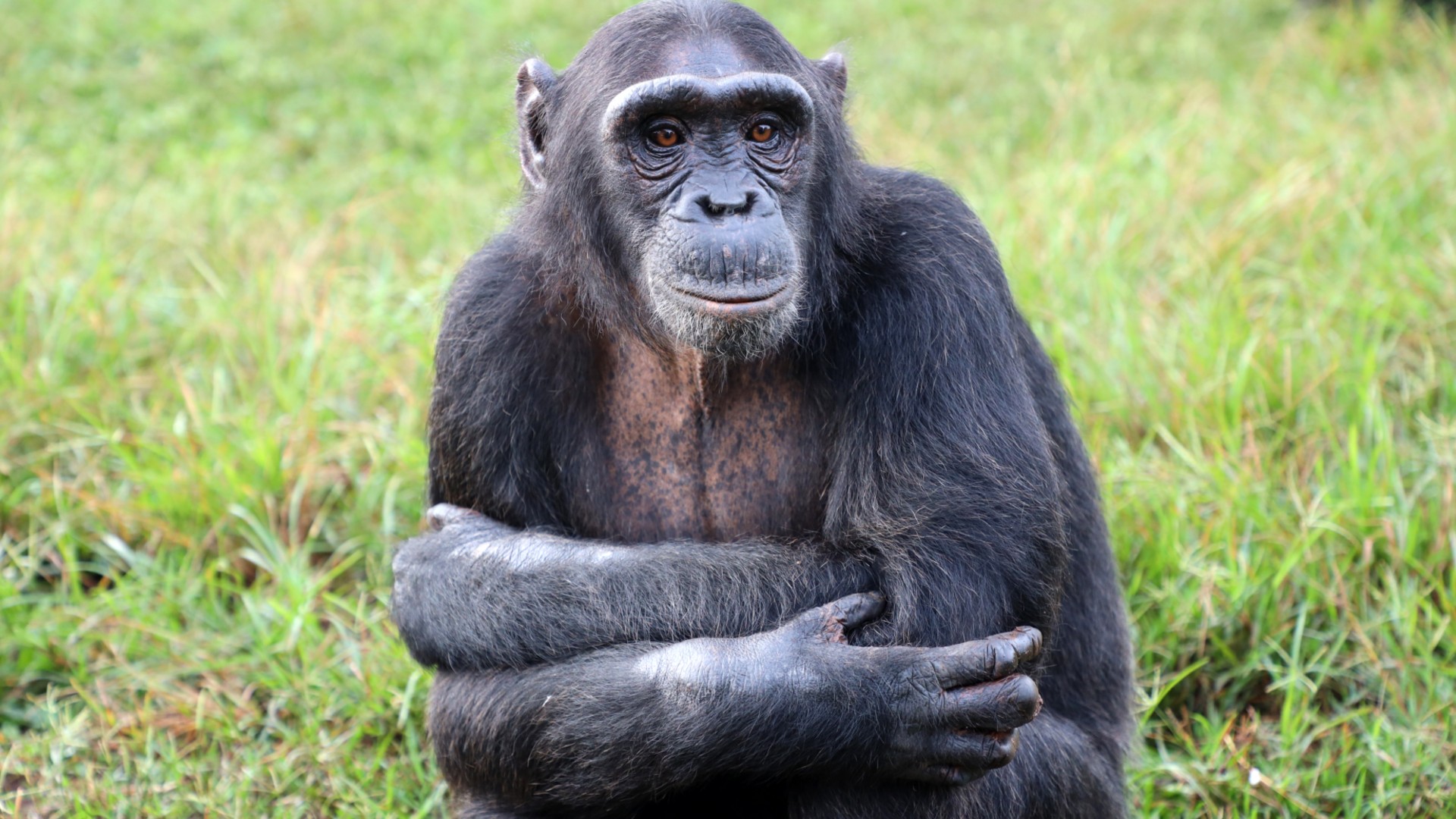
Kibale is most famous for its chimpanzees.
The park is one of the best places in Uganda to experience chimpanzee trekking, and it has become one of the country’s leading destinations for primate tourism.
However, the forest contains much more than chimpanzees.
Kibale is also home to numerous primates, including:
- Red-tailed monkeys
- Blue monkeys
- L’Hoest’s monkeys
- Black-and-white colobus monkeys
- Olive baboons
- Grey-cheeked mangabeys
- Vervet monkeys
This concentration of primate species is one of the reasons Kibale is sometimes described as one of Africa’s great primate forests.
What Can You Do in Kibale National Park?
Kibale offers several experiences depending on your interests.
Chimpanzee Trekking
This is the park’s main attraction.
Visitors enter the forest with trained guides and trackers to search for chimpanzee communities.
Chimpanzee Habituation Experience
Travelers looking for a longer and more immersive chimpanzee experience can consider the habituation experience, where participants spend extended periods observing chimpanzees as they become accustomed to human presence.
Primate Walks
Guided forest walks can provide opportunities to search for several different primate species.
Bird Watching
Kibale’s forest habitat supports a large variety of birds.
Nature Walks
Forest walks allow travelers to experience the wider ecosystem beyond the chimpanzees.
Community and Cultural Experiences
Visitors can also explore communities around the park and learn about local lifestyles, traditions and livelihoods.
Chimpanzees of Kibale
Chimpanzees are Kibale’s biggest attraction.
They are highly intelligent, social animals that live in communities consisting of numerous individuals.
Unlike mountain gorillas, chimpanzees are highly active.
They can move quickly through the forest, climb trees, vocalize loudly and travel considerable distances.
This makes chimpanzee trekking an unpredictable and exciting experience.
You may hear chimpanzees before you see them.
Sometimes they are high in the canopy.
Other times they may descend closer to the forest floor.
What Is Chimpanzee Trekking Like?
Chimpanzee trekking involves walking through the forest with trained guides and trackers.
The team searches for signs of chimpanzee activity, including:
- Vocalizations
- Nests
- Footprints
- Feeding remains
- Broken branches
- Fresh dung
Once the chimpanzees are located, the group follows them while maintaining the required viewing distance.
Unlike a game drive, you’re moving through the forest on foot.
The experience therefore involves both wildlife observation and exploration of the forest itself.
Is Chimpanzee Trekking Difficult?
The difficulty can vary.
Kibale’s terrain is generally less extreme than Bwindi’s mountainous terrain, but trekking still involves walking through a natural forest environment.
You may encounter:
- Mud
- Slippery ground
- Roots
- Uneven paths
- Dense vegetation
- Humid conditions
Fitness is helpful, but travelers don’t necessarily need to be experienced hikers.
The guide controls the pace and helps visitors navigate the forest.
Chimpanzee Habituation Experience
The Chimpanzee Habituation Experience is designed for travelers wanting a deeper experience.
Instead of spending a shorter period observing a habituated community, participants can spend substantially more time following chimpanzees and learning about their behavior and habituation process.
This can be particularly appealing to:
- Wildlife researchers
- Photographers
- Primatologists
- Serious wildlife enthusiasts
- Travelers seeking a more immersive experience
Other Primates in Kibale
One of Kibale’s greatest strengths is its primate diversity.
Depending on the area and conditions, visitors may encounter:
Red-tailed monkeys
Recognizable by their distinctive reddish tail and facial markings.
Blue monkeys
Forest-dwelling monkeys commonly encountered in the park.
L’Hoest’s monkeys
A forest species associated with central and eastern Africa.
Black-and-white colobus monkeys
These striking monkeys are known for their contrasting black-and-white coats.
Grey-cheeked mangabeys
Another forest primate that contributes to Kibale’s remarkable diversity.
Olive baboons
More commonly associated with open environments, but also present in the wider Kibale ecosystem.
This variety makes even a simple forest walk potentially rewarding.
Bird Watching in Kibale
Kibale is also an excellent birding destination.
The forest supports numerous bird species, including forest specialists that can be difficult to find in open savannah environments.
Bird watchers may encounter:
- Great blue turacos
- Hornbills
- Flycatchers
- Kingfishers
- Barbets
- Sunbirds
- Forest species associated with the Albertine Rift
For serious birders, a knowledgeable guide can greatly improve the experience because many forest birds are easier to locate through their calls.
Bigodi Wetland Sanctuary
One of the most popular complementary experiences near Kibale is the Bigodi Wetland Sanctuary.
The sanctuary provides a community-based nature experience outside the main forest.
Visitors can explore wetlands and surrounding vegetation while searching for:
- Monkeys
- Birds
- Butterflies
- Other small wildlife
The experience also demonstrates how tourism can support local communities.
It can be an excellent addition to a Kibale itinerary, particularly after chimpanzee trekking.
Kibale and Queen Elizabeth National Park
The combination of Kibale and Queen Elizabeth is one of the strongest western Uganda safari pairings.
Kibale provides:
Chimpanzees + primates + forest
Queen Elizabeth provides:
Lions + elephants + buffaloes + hippos + savannah + Kazinga Channel
The contrast makes the journey particularly rewarding.
A traveler can start in the forest searching for chimpanzees and then continue south into open savannah landscapes.
Kibale and Bwindi
Travelers planning a longer primate and gorilla safari can combine Kibale with Bwindi.
This creates a particularly strong primate-focused itinerary:
Chimpanzees → Forest primates → Savannah wildlife → Mountain gorillas
The journey also allows visitors to experience the changing landscapes of western and southwestern Uganda.
Kibale and Semuliki National Park
Kibale can also be combined with Semuliki National Park.
Semuliki is known for its lowland tropical forest, hot springs and diverse birdlife.
This combination is particularly attractive for travelers interested in forest ecosystems rather than focusing entirely on large mammals.
Kibale and the Rwenzori Mountains
Travelers interested in hiking and dramatic mountain scenery can consider combining Kibale with the Rwenzori Mountains.
The contrast is excellent:
Kibale: Forest + primates
Rwenzori: Mountains + hiking + alpine scenery
Accommodation in Kibale
Kibale has accommodation options for different budgets.
Budget Accommodation
Budget travelers can find:
- Guesthouses
- Simple lodges
- Camps
- Community accommodation
These options can be suitable for travelers who want to focus their budget on activities.
Mid-Range Accommodation
Mid-range properties generally provide a comfortable balance of facilities and cost.
Depending on the lodge, you may find:
- En-suite rooms
- Restaurants
- Gardens
- Forest views
- Comfortable common areas
Luxury Accommodation
Luxury lodges around Kibale can offer a more immersive forest experience.
Facilities may include:
- Spacious cottages
- Private verandas
- Forest views
- Premium dining
- Swimming pools at selected properties
- Personalized service
As with Bwindi and Queen Elizabeth, location matters.
A lodge that is conveniently located for the trekking briefing point can make your experience much easier.
How Many Days Should You Spend in Kibale?
For travelers focused mainly on chimpanzee trekking, two nights and three days can work well.
A basic structure might be:
Day 1: Travel to Kibale and check in
Day 2: Chimpanzee trekking + optional afternoon activity
Day 3: Departure or Bigodi/community experience
Travelers doing the habituation experience or adding birding and nature walks may prefer a longer stay.
Best Time to Visit Kibale National Park
Kibale is open to visitors throughout the year.
The drier periods can provide more comfortable forest walking conditions, while wetter periods can produce lush vegetation and excellent birding conditions.
Because chimpanzees live in the forest year-round, sightings aren’t limited to one particular season.
The weather should therefore be considered alongside your broader Uganda itinerary.
How Do You Get to Kibale?
Most visitors travel to Kibale by road.
The park can be reached from Kampala and Entebbe, although the journey takes several hours.
Kibale is also conveniently positioned between other western Uganda destinations.
Travelers can reach it from:
- Fort Portal
- Queen Elizabeth National Park
- Semuliki
- Kampala
Fly-in options can also be arranged for travelers who want to minimize driving time.
What Should You Pack for Kibale?
Because Kibale is a forest destination, practical clothing is important.
Consider packing:
- Waterproof hiking shoes
- Lightweight long trousers
- Long-sleeved shirts
- Waterproof jacket
- Gardening gloves
- Insect repellent
- Hat
- Sunscreen
- Small backpack
- Drinking water
- Binoculars
- Camera
- Extra socks
- Walking poles if needed
Good footwear is particularly important during wet conditions.
Is Kibale Suitable for Families?
It can be, although the suitability depends on the age and interests of the children and the specific activity.
The forest can be exciting for young travelers interested in monkeys and wildlife.
However, chimpanzee trekking has age requirements and physical considerations.
Families should therefore check the applicable requirements before booking.
For families with younger children, a nature walk or community experience may provide an easier forest introduction.
Who Should Visit Kibale?
Kibale is particularly suited to:
- Primate enthusiasts
- Wildlife photographers
- Bird watchers
- Families with suitable-age children
- Adventure travelers
- Nature lovers
- Researchers
- Couples
- First-time Uganda visitors
- Travelers combining chimpanzees with gorillas
If someone specifically wants to see chimpanzees in Uganda, Kibale should be one of the first destinations they consider.
Conservation in Kibale
Kibale protects an important tropical forest ecosystem and provides habitat for numerous species.
Conservation of the forest is important not only for chimpanzees but also for the many other animals and plants that depend on it.
Tourism contributes through:
- Park fees
- Employment
- Guiding
- Accommodation
- Community tourism
- Conservation awareness
Visitors can support the destination by following park rules and choosing responsible tourism operators.
Responsible Tourism in Kibale
When visiting the forest, travelers should:
- Follow their guide’s instructions.
- Keep a safe distance from wildlife.
- Avoid feeding animals.
- Avoid loud noises.
- Never litter.
- Stay on permitted trails.
- Avoid touching wildlife.
- Follow chimpanzee viewing guidelines.
- Respect local communities.
Chimpanzees are wild animals, and responsible viewing helps protect both visitors and wildlife.
Why Visit Kibale National Park?
Kibale offers something very different from Uganda’s savannah parks.
Instead of spending the day searching for elephants and lions across open grassland, you enter a dense tropical forest and follow the sounds and movements of chimpanzees.
The experience becomes about more than simply seeing an animal.
You’re learning how chimpanzees communicate, move, feed and interact with one another while experiencing the forest ecosystem around them.
Add the park’s incredible variety of other primates, birdlife, Bigodi Wetland Sanctuary and its convenient location near Queen Elizabeth, and Kibale becomes an essential destination for anyone interested in Uganda’s primates.
Frequently Asked Questions
What is Kibale National Park famous for?
Kibale is best known for chimpanzee trekking and its exceptional diversity of forest primates.
Can I see chimpanzees in Kibale?
Yes. Chimpanzee trekking is one of the park’s main tourism experiences, although wildlife sightings can never be guaranteed.
What other animals can I see?
Kibale is home to numerous primates, birds, butterflies and other forest wildlife.
Is Kibale only for chimpanzee trekking?
No. Visitors can also enjoy primate walks, bird watching, nature walks and community experiences.
How many days do I need in Kibale?
Two nights and three days can work well for a basic chimpanzee-focused visit, while longer stays are useful for habituation, birding and other activities.
Can Kibale be combined with Queen Elizabeth?
Yes. It is one of the most popular western Uganda safari combinations.
Can I combine Kibale with Bwindi?
Yes. Kibale and Bwindi are excellent for travelers interested in chimpanzees and mountain gorillas.
Is Kibale suitable for bird watching?
Yes. Its forest environment supports a wide range of bird species.
What accommodation is available?
Kibale offers budget, mid-range and luxury accommodation options around the park.