






Overview
Bwindi Impenetrable National Park — Travel Overview
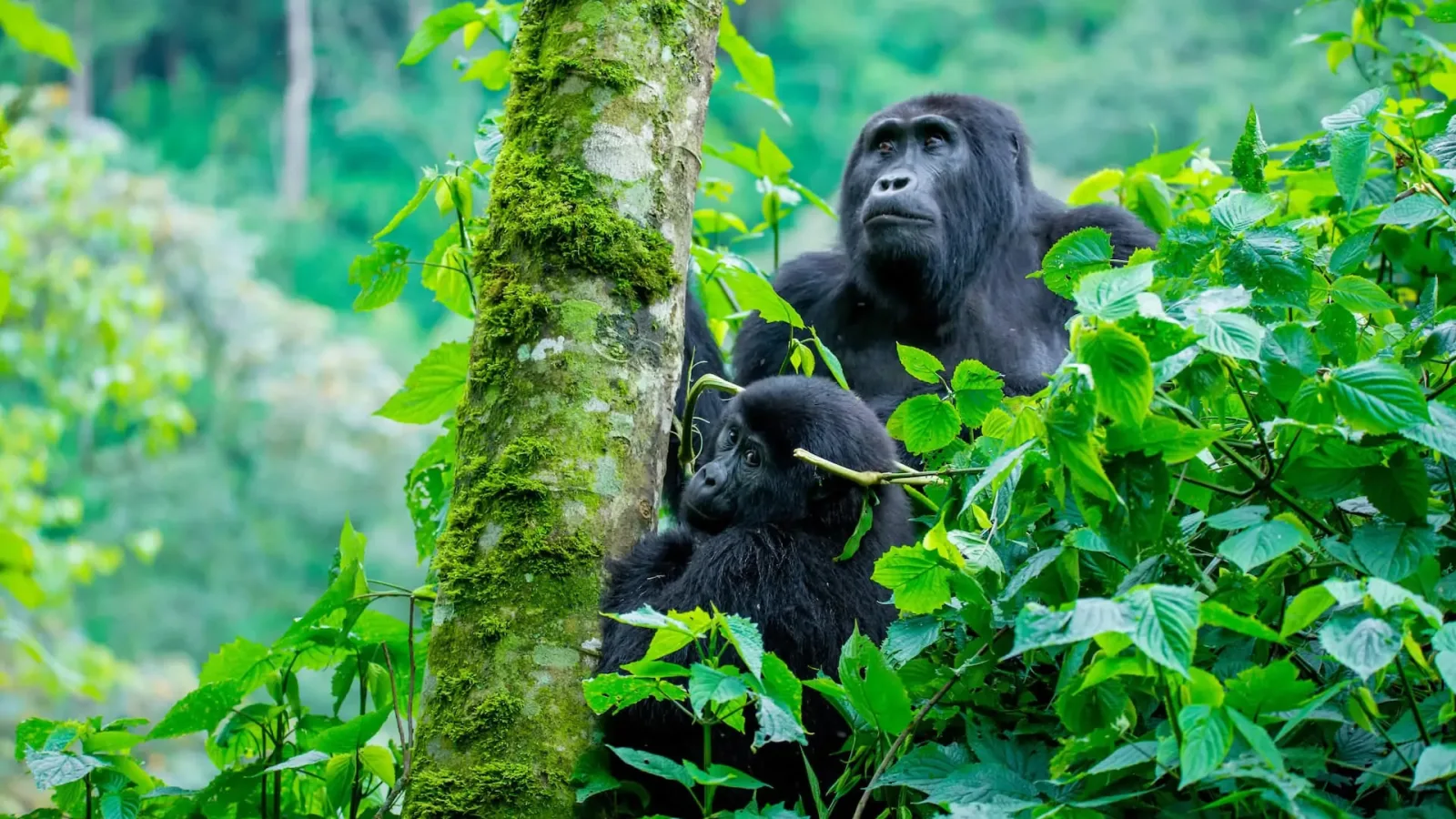
Bwindi Impenetrable National Park is one of Uganda’s most remarkable travel destinations and one of the country’s most important protected areas. Located in southwestern Uganda, the park is best known as a home of the endangered mountain gorillas, making it one of Africa’s most sought-after destinations for wildlife and primate experiences.
But Bwindi is much more than gorilla trekking.
The ancient forest contains extraordinary biodiversity, including numerous primates, forest elephants, birds, butterflies and other wildlife. Travelers can also experience forest walks, bird watching and cultural encounters with communities around the park.
For many visitors, however, the mountain gorillas remain the main reason for coming to Bwindi.
A journey into the dense forest to encounter a gorilla family can be one of the most memorable wildlife experiences in Africa.
Where Is Bwindi Impenetrable National Park?
Bwindi is located in southwestern Uganda, close to the borders with Rwanda and the Democratic Republic of Congo.
The park covers a mountainous area characterized by dense tropical forest, steep slopes and valleys.
Its location makes it particularly suitable for travelers combining Uganda with:
- Rwanda
- Queen Elizabeth National Park
- Mgahinga Gorilla National Park
- Lake Bunyonyi
- Kibale National Park
Because Bwindi is in the far southwest of Uganda, getting there is itself part of the safari experience.
Why Is Bwindi Famous?
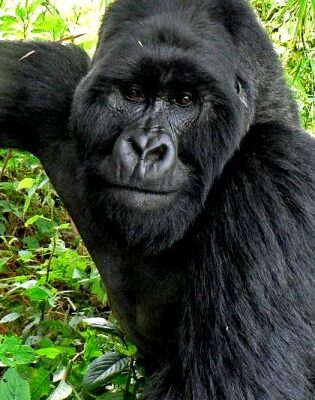
Bwindi is internationally famous for its mountain gorillas.
The park protects a significant population of these endangered great apes and is one of the world’s most important destinations for gorilla tourism.
A gorilla visit isn’t like a conventional game drive.
You leave the vehicle behind and enter the forest on foot with trained guides and trackers.
The experience can involve hiking through steep terrain, dense vegetation and changing forest conditions before locating a habituated gorilla family.
But the park’s importance goes beyond tourism.
Bwindi is also an important conservation area protecting one of Africa’s remaining ancient forests.
What Can You Do in Bwindi?
Gorilla trekking is the headline activity, but visitors have several ways to experience the destination.
Gorilla Trekking
This is the most famous experience in Bwindi.
Visitors trek into the forest to find a habituated gorilla family and spend a regulated period observing them.
Gorilla Habituation Experience
Travelers seeking a longer and more immersive gorilla experience can consider the habituation experience, where visitors accompany researchers and trackers while spending more time observing gorillas undergoing habituation.
Forest Nature Walks
Nature walks provide opportunities to explore Bwindi’s vegetation and smaller wildlife without making gorillas the primary focus.
Bird Watching
Bwindi is one of Uganda’s outstanding birding destinations, particularly for travelers interested in forest species.
Batwa Cultural Experiences
Visitors can learn about the cultural heritage and traditional forest knowledge of the Batwa communities living around the region.
Community Experiences
Community tourism initiatives allow visitors to interact with local communities, experience traditional crafts and learn about life around the forest.
The Mountain Gorillas of Bwindi
Mountain gorillas are undoubtedly Bwindi’s biggest attraction.
These intelligent and social animals live in family groups led by dominant silverback males.
A typical gorilla family can include:
- Silverbacks
- Adult females
- Blackbacks
- Juveniles
- Infants
Each group has its own social structure and personality.
This is why no two gorilla trekking experiences are exactly the same.
One family might be relatively relaxed around visitors while another may be constantly moving through the forest.
Gorilla Trekking Sectors in Bwindi
Bwindi is divided into different tourism sectors, and where you trek depends on the gorilla family assigned to you.
The main sectors are:
- Buhoma
- Ruhija
- Rushaga
- Nkuringo
Each has its own landscape, accommodation options and access routes.
This is important when planning a safari because the location of your accommodation should ideally correspond with your trekking sector
Buhoma
Buhoma is one of Bwindi’s best-known tourism areas.
It has a long history of gorilla tourism and offers a range of accommodation options.
Travelers staying here can also enjoy forest walks and community experiences.
Buhoma is particularly convenient for travelers approaching Bwindi from the northern side.
Ruhija
Ruhija is located on the eastern side of Bwindi.
It is particularly well known among bird watchers because of the diversity of forest bird species in the surrounding environment.
Ruhija can also be combined with broader Uganda wildlife itineraries.
Rushaga
Rushaga is located in southern Bwindi.
It is particularly important for gorilla tourism and is also associated with the gorilla habituation experience.
The sector can work well for travelers coming from areas such as Kisoro and Lake Bunyonyi.
Nkuringo
Nkuringo lies in the southern part of the park and is known for its mountainous landscape and dramatic views.
The area can be particularly appealing to travelers who want to combine gorilla trekking with scenic hiking and a quieter forest experience.
Accommodation in Bwindi
Bwindi has accommodation across different price categories.
This makes it possible to design both budget-friendly and luxury gorilla safari experiences.
Budget accommodation
Budget options are suitable for travelers prioritizing the trekking experience while keeping accommodation costs lower.
These may include:
- Simple lodges
- Guesthouses
- Camps
- Community-based accommodation
Mid-range accommodation
Mid-range lodges generally provide a balance between comfort and price.
They may offer:
- Private rooms
- En-suite bathrooms
- Restaurant facilities
- Scenic views
- Comfortable lounges
- Wi-Fi in some properties
Luxury accommodation
Luxury properties around Bwindi can provide a much more immersive experience, often combining forest views, high-quality dining and personalized service.
Some offer:
- Luxury cottages
- Private verandas
- Fireplaces
- Premium dining
- Spa or wellness services
- Exceptional forest views
Internal link: Bwindi Accommodation
The most important thing is not simply choosing the nicest lodge.
You should choose accommodation based on your trekking sector and the logistics of getting to the trailhead.
How Long Should You Stay in Bwindi?
For most travelers, two to three nights is a practical starting point.
A typical arrangement might be:
Day 1: Arrive in Bwindi
Day 2: Gorilla trekking
Day 3: Departure or another forest/cultural activity
Travelers doing the gorilla habituation experience or combining Bwindi with other activities may choose to stay longer.
If you’re traveling a long distance to reach Bwindi, spending an extra night can make the journey more comfortable and give you time to experience something beyond the main trek.
Best Time to Visit Bwindi
Bwindi can be visited throughout the year.
However, the forest has a tropical climate and rainfall can occur at any time.
The drier periods are often preferred by travelers because hiking conditions may be more manageable.
The wetter periods can make trails muddy and challenging, but they also bring a lush green appearance to the forest.
For gorilla trekking specifically, there is no guarantee of dry weather.
You should always prepare for rain.
What Is the Weather Like?
Bwindi’s mountainous environment means conditions can change quickly.
You may experience:
- Sunshine
- Cloud cover
- Rain
- Cool temperatures
- Humid forest conditions
Even when the weather looks good at the start of the trek, conditions can change later.
A waterproof jacket and appropriate footwear are therefore essential.
How Do You Get to Bwindi?
Travelers can reach Bwindi by road or air.
By road
Most Uganda safari itineraries use a safari vehicle.
The journey from Kampala or Entebbe is long but scenic, passing through different landscapes and communities.
Travelers coming from Queen Elizabeth National Park can usually reach Bwindi more conveniently than those traveling directly from Kampala.
By air
Travelers who want to reduce driving time can use scheduled or charter flights to suitable airstrips serving the southwestern region, followed by a road transfer to their lodge.
This is particularly attractive for travelers with limited time or higher-end safari budgets.
Bwindi and Queen Elizabeth National Park
These two destinations combine extremely well.
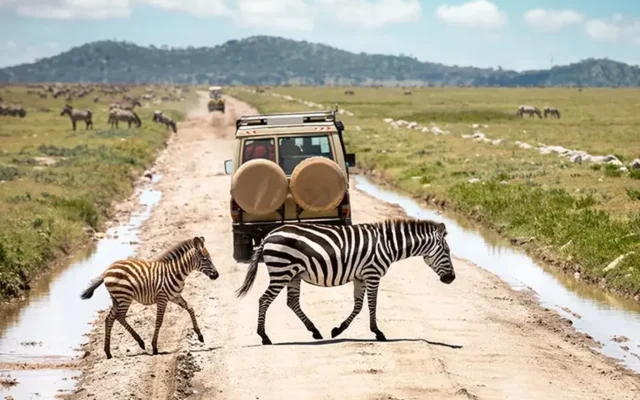
Queen Elizabeth provides classic savannah wildlife experiences.
You may encounter:
- Lions
- Elephants
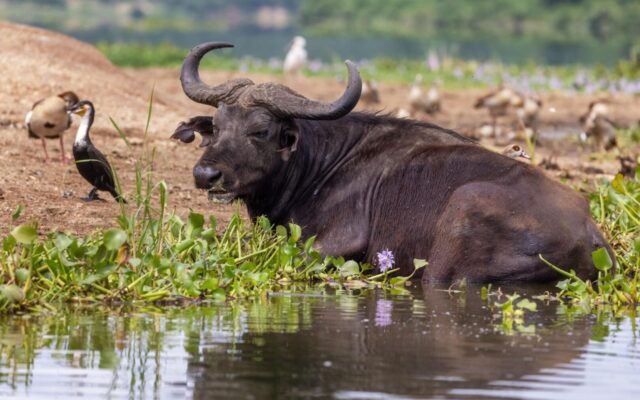
- Buffaloes
- Hippos
- Antelopes
- Leopards
Bwindi then provides a completely different environment.
You move from open savannah landscapes into dense mountain forest.
This combination allows travelers to experience two very different sides of Uganda’s wildlife.
Bwindi and Lake Bunyonyi
Lake Bunyonyi is another popular addition to a Bwindi itinerary.
The lake is surrounded by rolling hills and numerous small islands.
It provides an excellent place to relax before or after gorilla trekking.
Activities can include:
- Canoeing
- Boat trips
- Scenic walks
- Cultural experiences
- Relaxing at lakeside lodges
For travelers who have completed a demanding gorilla trek, spending a night at Lake Bunyonyi can be an excellent way to slow down.
Bwindi and Mgahinga Gorilla National Park
Travelers interested in primates can also consider combining Bwindi with Mgahinga Gorilla National Park.
Mgahinga offers:
- Mountain gorilla trekking
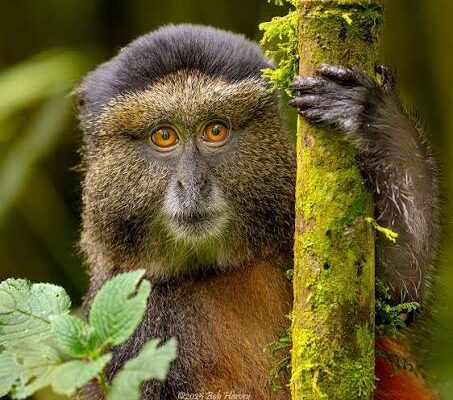
- Golden monkey trekking
- Volcano hiking
- Forest experiences
The two destinations are relatively close compared with combining Bwindi with distant parts of Uganda.
Wildlife in Bwindi
Although gorillas dominate the tourism story, Bwindi is home to much more wildlife.
The forest supports:
- Mountain gorillas
- Chimpanzees and other primates
- Black-and-white colobus monkeys
- L’Hoest’s monkeys
- Blue monkeys
- Red-tailed monkeys
- Forest elephants
- Forest antelopes
- Numerous bird species
- Butterflies
- Amphibians and reptiles
Many of these animals are difficult to see because of the dense forest.
Bwindi is therefore best understood as a biodiversity destination, not simply a gorilla destination.
Bird Watching in Bwindi
Bwindi is particularly valuable for bird enthusiasts.
Its forest environment supports numerous species, including birds associated with the Albertine Rift.
Forest birding is very different from savannah birding.
You may need to listen carefully for calls and patiently scan the vegetation.
A knowledgeable birding guide can make a significant difference.
For serious birders, Bwindi can be an important part of a broader Uganda birding itinerary.
Batwa Cultural Experiences
The Batwa people have a long history connected to the forests of the Great Lakes region.
Today, cultural experiences around Bwindi provide opportunities for visitors to learn about Batwa heritage, traditions and relationships with the forest.
These experiences can include:
- Traditional songs
- Dance
- Storytelling
- Demonstrations
- Traditional knowledge
- Community visits
A responsible cultural experience should focus on respect, authenticity and direct benefits to participating communities.
Bwindi as a Conservation Destination
Bwindi is internationally important for conservation.
Protecting the forest helps protect not only mountain gorillas but also countless other species.
Tourism contributes to conservation through:
- Park fees
- Gorilla permit revenue
- Employment
- Guiding
- Accommodation
- Community tourism
- Conservation awareness
This creates an important relationship between tourism and wildlife protection.
Visitors therefore become part of a much larger conservation story when they choose to travel responsibly.
What Should You Pack for Bwindi?
Because Bwindi is a forest and mountain environment, packing properly matters.
Consider bringing:
- Waterproof hiking boots
- Lightweight long trousers
- Long-sleeved shirts
- Waterproof jacket
- Gardening gloves
- Hat
- Insect repellent
- Sunscreen
- Water bottle
- Small backpack
- Camera
- Binoculars
- Extra socks
- Walking poles if needed
The most important item is probably good footwear.
Bwindi’s trails can become muddy, steep and slippery.
Who Is Bwindi Best For?
Bwindi is particularly suitable for:
- Wildlife enthusiasts
- Gorilla lovers
- Photographers
- Bird watchers
- Adventure travelers
- Hikers
- Couples
- Families
- Luxury travelers
- Conservation enthusiasts
- First-time Uganda visitors
The destination can be adapted to different budgets, although gorilla permits themselves represent a significant part of the cost.
Is Bwindi Suitable for Older Travelers?
Yes, but physical preparation matters.
Gorilla trekking can be demanding because of the steep terrain, altitude and unpredictable trail conditions.
Travelers who are concerned about the physical challenge should discuss their requirements with their safari operator before booking.
The trekking sector and gorilla family assigned can influence the difficulty of the experience.
Is Bwindi Only for Gorilla Trekking?
No.
This is an important point for your destination page.
Someone who isn’t interested in gorilla trekking can still visit Bwindi for:
- Bird watching
- Forest walks
- Cultural experiences
- Community tourism
- Scenic experiences
- Nature photography
Gorilla trekking is the biggest attraction, but it isn’t the only reason to visit.
Responsible Tourism in Bwindi
Visitors should remember that Bwindi is a protected natural environment.
Responsible travel includes:
- Following park regulations
- Keeping a safe distance from wildlife
- Not feeding animals
- Avoiding litter
- Staying with guides
- Respecting local communities
- Avoiding unnecessary noise
- Following gorilla viewing rules
The forest should be left as you found it.
Why Visit Bwindi Impenetrable National Park?
Bwindi brings together several experiences that are difficult to find in one destination.
You have:
Mountain gorillas + ancient forest + biodiversity + birdlife + hiking + culture + conservation
That combination makes it one of Uganda’s most important tourism destinations.
For many travelers, the gorilla experience becomes the highlight.
But the deeper value of Bwindi is the opportunity to enter one of Africa’s remaining ancient forests and experience the ecosystem that supports these extraordinary animals.
Frequently Asked Questions
Where is Bwindi Impenetrable National Park?
Bwindi is located in southwestern Uganda near the borders with Rwanda and the Democratic Republic of Congo.
What is Bwindi famous for?
It is best known as one of Africa’s major mountain gorilla trekking destinations.
How many days do I need in Bwindi?
Two to three nights works well for many travelers, although longer stays are possible for habituation, birding, hiking and cultural experiences.
Can I visit Bwindi without trekking gorillas?
Yes. Visitors can participate in bird watching, nature walks, cultural experiences and other activities.
What is the best time to visit Bwindi?
Bwindi is open for tourism year-round. Drier periods are often preferred for easier hiking, but rain can occur at any time.
Is Bwindi difficult to reach?
It is a relatively long road journey from Kampala or Entebbe, but the destination can also be reached by air followed by a road transfer.
What accommodation is available?
Bwindi has budget, mid-range and luxury accommodation options across its different tourism sectors.
Can Bwindi be combined with Queen Elizabeth National Park?
Yes. The two destinations make an excellent combination because they offer contrasting savannah and forest wildlife experiences.
Can Bwindi be combined with Rwanda?
Yes. Bwindi’s location near Rwanda makes Uganda-Rwanda itineraries particularly practical, especially for travelers interested in gorilla trekking.