









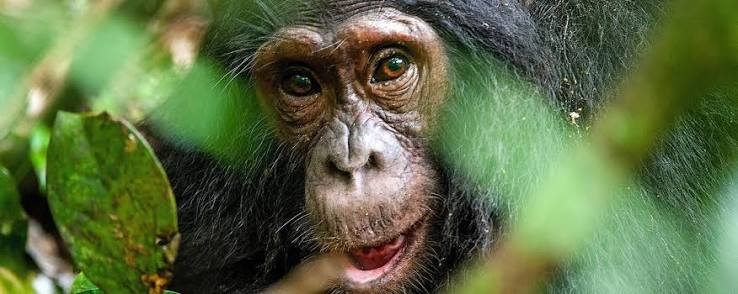
Discover Kibale National Park: Uganda’s Primate Paradise and the Ultimate Chimpanzee Experience
Hidden within the beautiful landscapes of western Uganda lies a destination unlike any other Kibale National Park uganda, a tropical rainforest paradise famous for its incredible biodiversity and unforgettable primate experiences and known as the primate capital of the world.
Often referred to as the “Primate Capital of the World,” Kibale National Park is one of the best destinations in Africa for travelers who want to experience chimpanzees in their natural habitat. The park is home to one of the largest populations of chimpanzees on the continent, making it a must-visit destination for wildlife lovers, photographers, and adventure seekers.
While many travelers associate African safaris with open savannahs, lions, elephants, and dramatic landscapes, Kibale offers a completely different experience. Here, the adventure takes you deep into an ancient rainforest where every sound, movement, and discovery creates a connection with nature.
From walking beneath towering forest trees to watching chimpanzees communicate, play, and move through the canopy, Kibale provides one of Uganda’s most memorable wildlife encounters.
For travelers planning a Uganda safari, including Kibale National Park offers the perfect opportunity to explore the fascinating world of primates while experiencing the beauty of one of Africa’s richest ecosystems.
Where Is Kibale National Park Located?
Kibale National Park is located in western Uganda, near the town of Fort Portal, approximately 300 kilometers from Kampala. The park covers about 795 square kilometers and protects one of the most beautiful tropical forests in East Africa.
The journey to Kibale is an adventure on its own, taking visitors through Uganda’s breathtaking countryside filled with green hills, tea plantations, crater lakes, and welcoming communities.
The park is also strategically located near other major tourist destinations, making it easy to combine with other Uganda safari highlights such as:
Queen Elizabeth National Park, Semuliki National Park, Rwenzori Mountains and Bwindi Impenetrable National Park
This makes Kibale an important stop on many Uganda safari itineraries, especially for travelers interested in combining chimpanzee trekking with gorilla trekking and classic wildlife viewing.
Why Is Kibale Called the Primate Capital of the World?
Kibale earned this famous title because of the incredible diversity and concentration of primates found within its forests.
The park is home to more than 1,500 chimpanzees and supports several other primate species, creating one of the richest primate habitats in Africa.
Walking through Kibale’s forest gives visitors the chance to encounter species such as:
The chimpanzees are the true stars of Kibale Forest. With one of the largest populations in Africa, they offer visitors a rare opportunity to observe our closest wild relatives in their natural environment. Watching them communicate, care for their young, feed, and move through the trees creates a powerful wildlife experience that remains unforgettable.
The red-tailed monkeys are among the most commonly seen primates in Kibale. They are easily recognized by their reddish tails and distinctive facial markings. Often found moving through the forest canopy in groups, these active monkeys can be seen jumping between branches as they search for fruits and leaves.
The black-and-white colobus monkeys add another layer of beauty to the rainforest experience. Their striking black bodies covered with flowing white fur make them one of the most visually impressive primates in Uganda. They are mostly found high in the trees, where they gracefully move through the canopy while feeding on leaves.
The olive baboons are highly social primates that usually travel in groups known as troops. Known for their intelligence and adaptability, baboons can often be seen moving through forest edges and open areas while interacting with each other through different behaviors and vocalizations.
The L’Hoest’s monkeys, also known as mountain monkeys, are unique to the forests of the Albertine Rift region. They are recognized by their dark fur, white chest markings, and calm appearance. Spotting one of these beautiful monkeys during a forest walk is a special moment because they are less commonly encountered compared to other primate species.
The blue monkeys are another fascinating species found within Kibale’s forests. Despite their name, they are not bright blue but have a subtle bluish-grey coat that blends perfectly with the forest environment. They are usually found in the trees, feeding on fruits, flowers, and leaves while moving quietly through the rainforest.
The experience is not just about seeing animals. It is about understanding their behavior, social structures, and relationship with the environment.
Every walk through the forest offers something new. One moment you may be listening to birds singing above the trees, and the next you may hear chimpanzees calling through the forest as they communicate with their group.
Chimpanzee Trekking in Kibale National Park
Chimpanzee trekking is the main attraction in Kibale National Park and one of the most rewarding wildlife experiences in Uganda.
The adventure begins early in the morning with a briefing from park guides who explain the trekking rules and what visitors should expect during the experience.
Once inside the forest, experienced guides lead visitors through different trails while searching for chimpanzee groups.
Unlike viewing wildlife from a safari vehicle, chimpanzee trekking allows travelers to walk through the natural environment of these incredible animals.
The excitement builds as you follow signs of chimpanzee activity, including footprints, feeding areas, and their unique calls echoing through the forest.
When you finally encounter a chimpanzee family, the experience is unforgettable. Watching them interact, care for their young, feed, and move through the trees provides a rare glimpse into the lives of our closest animal relatives.
Visitors often describe chimpanzee trekking as one of the highlights of their Uganda safari.
Chimpanzee Habituation Experience
For travelers looking for a deeper experience, Kibale also offers chimpanzee habituation.
Unlike regular trekking, where visitors spend limited time observing chimpanzees, the habituation experience allows guests to spend more time with chimpanzee communities that are gradually becoming accustomed to human presence.
This provides a more detailed understanding of chimpanzee behavior throughout the day.
Visitors can observe activities such as:
The experience begins in the early morning as visitors enter the forest to observe morning nesting behavior. Chimpanzees build temporary nests high in the trees where they sleep at night, and watching them wake up and begin their day provides a rare glimpse into their daily routine. As the forest comes alive, visitors can observe chimpanzees leaving their nests, greeting one another, and preparing for their activities.
As the day continues, guests have the chance to witness their feeding patterns. Chimpanzees spend a large part of their day searching for and consuming different types of food, including fruits, leaves, flowers, and sometimes insects. Observing how they locate food, share resources, and use their intelligence to survive in the forest gives visitors a deeper appreciation of their behavior.
One of the most fascinating parts of the habituation experience is observing social interactions between individuals. Chimpanzees live in complex communities where relationships, family bonds, and group structures play an important role. Visitors may witness grooming sessions, playful behavior among young chimpanzees, mothers caring for their infants, or interactions that show the strong social connections within the group.
Chimpanzees are also known for their incredible ability to communicate. During the experience, visitors may hear different calls, gestures, and body movements used for communication between individuals. Their loud calls can travel through the forest as they alert each other, locate group members, or express different emotions, creating one of the most memorable sounds of the rainforest.
Throughout the day, visitors can also observe the chimpanzees’ movement through the forest as they travel between feeding areas, climb trees, and navigate their environment. Watching these intelligent animals move naturally through their habitat provides a unique connection with wildlife that goes beyond simply seeing them.
The experience is especially popular among photographers, researchers, and wildlife enthusiasts who want a more immersive encounter.
Other Activities to Enjoy Around Kibale
Although chimpanzee trekking is the main attraction, Kibale offers many other experiences that make the destination even more special.
One popular activity is visiting the Bigodi Wetland Sanctuary, a community-based conservation project located near the park. The sanctuary offers excellent opportunities for bird watching, nature walks, and spotting additional primate species.
The area is also famous for its rich birdlife, with hundreds of bird species recorded, making it a fantastic destination for bird enthusiasts.
Visitors can also explore the beautiful crater lakes around Fort Portal, enjoy cultural encounters with local communities, and experience the peaceful lifestyle of people living near the forest.
Best Time to Visit Kibale National Park
Kibale National Park can be visited throughout the year, but some seasons offer better conditions for certain activities.
The dry seasons, usually from June to September and December to February, are popular because forest trails are generally easier to navigate.
However, the wet seasons also have their advantages. The forest becomes greener, bird activity increases, and fewer tourists visit, providing a more private experience.
Since chimpanzee trekking happens throughout the year, visitors can plan their trip according to their preferred travel dates.
What to Pack for a Kibale Chimpanzee Trek
Preparing properly can make your forest experience much more comfortable.
Travelers should consider packing:
Comfortable hiking shoes, long trousers and long-sleeved shirts Rain jacket, Insect repellent, Camera, Drinking water, small backpack
The rainforest environment can change quickly, so being prepared helps visitors enjoy the experience without difficulties.
Combining Kibale with Other Uganda Safari Experiences
One of the best things about Kibale National Park is that it combines perfectly with other Uganda destinations.
Many travelers choose itineraries that include:
Murchison Falls National Park for powerful waterfalls, game drives, and Nile boat cruises.
Queen Elizabeth National Park for lions, elephants, buffaloes, hippos, and the famous Kazinga Channel cruise.
Bwindi Impenetrable National Park for the once-in-a-lifetime mountain gorilla trekking experience.
A safari combining these destinations allows visitors to experience Uganda’s incredible variety, from rainforest adventures to classic African wildlife encounters.
Why Kibale National Park Should Be on Your Uganda Safari
Kibale National Park is more than just a place to see chimpanzees. It is a destination where travelers can slow down, explore nature, and experience one of the most fascinating ecosystems on Earth.
The opportunity to walk through an ancient rainforest and observe chimpanzees in their natural environment is something that stays with visitors long after they leave Uganda.
Whether you are a wildlife enthusiast, photographer, first-time safari traveler, or someone searching for a unique African adventure, Kibale offers an experience that is both educational and unforgettable.
Plan Your Kibale Adventure Today
Ready to explore Uganda’s incredible rainforest and experience chimpanzee trekking?
Our team creates personalized Uganda safari experiences designed around your interests, travel style, and budget.
Contact us today and start planning your unforgettable journey through the Pearl of Africa.
Discover Uganda. Experience Wildlife. Create Memories.