







Overview
Mabira Forest Reserve – Travel Overview
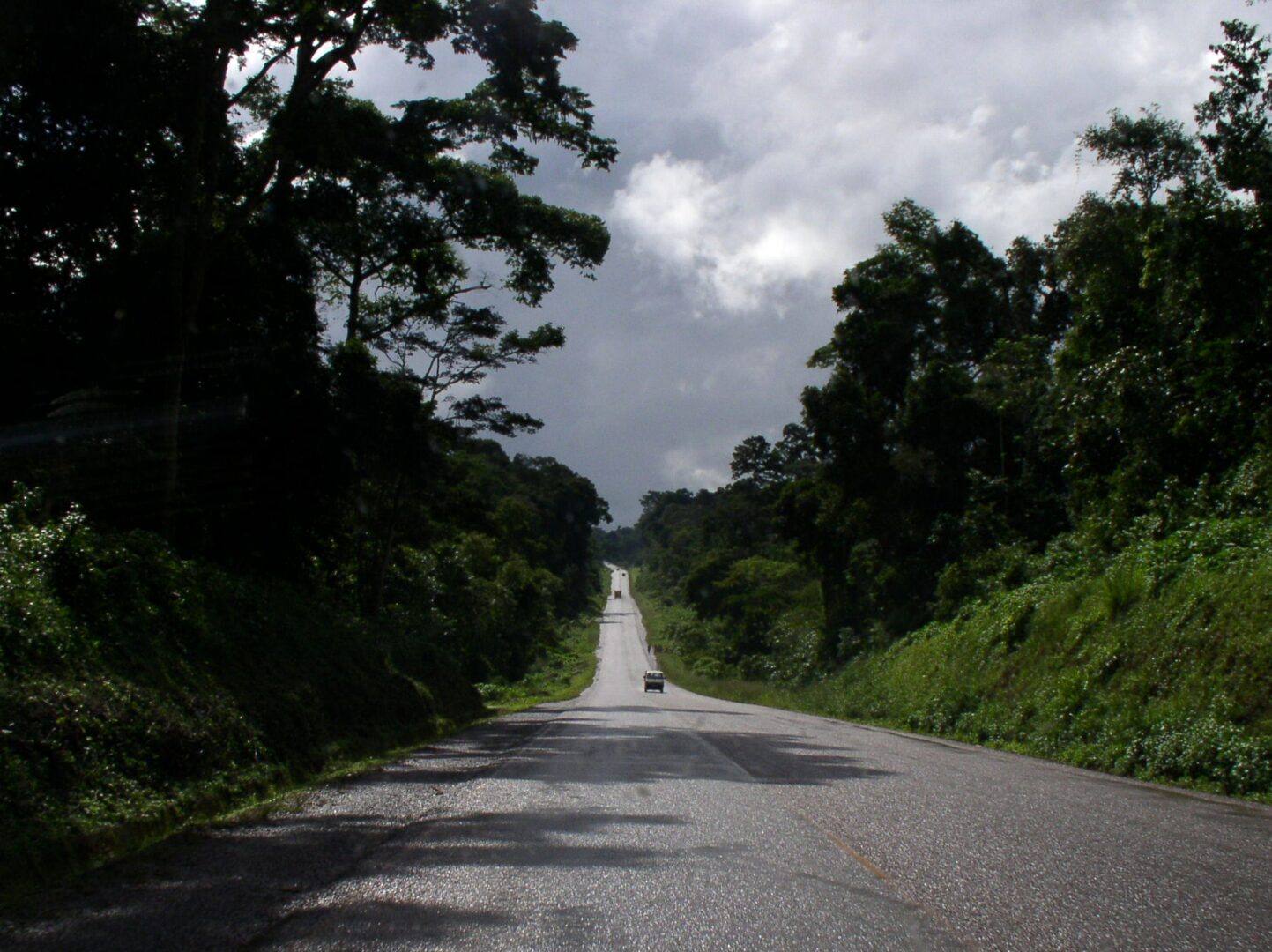
Mabira Forest Reserve is one of Uganda’s best-known forest destinations and one of the country’s largest remaining natural forests. Located along the Kampala–Jinja highway, the reserve provides an accessible introduction to Uganda’s tropical forest environment and is particularly suited to travelers interested in forest walks, bird watching, cycling and nature experiences.
According to the National Forestry Authority’s ecotourism material, Mabira Central Forest Reserve covers approximately 306 square kilometres and lies about 54 kilometres from Kampala. NFA identifies its attractions as including hundreds of tree species, birdlife and nearby waterfalls, while its listed tourism activities include forest walks, bird watching and biking.
Its location is one of its biggest advantages. Unlike many of Uganda’s major wildlife destinations that require several hours or even days of travel from Kampala, Mabira can be incorporated into a shorter excursion or used as a stop while traveling between Kampala and eastern Uganda.
Where Is Mabira Forest Reserve?
Mabira is located in central Uganda, along the Kampala–Jinja highway.
NFA places the reserve approximately 54 kilometres from Kampala, making it one of the more accessible natural forest destinations for visitors based in or passing through the capital.
Its position also makes it convenient for travelers heading toward Jinja, Sipi Falls and eastern Uganda.
This means Mabira can work both as a destination in its own right and as part of a longer Uganda itinerary.
How Large Is Mabira Forest Reserve?
NFA’s ecotourism brochure gives the size of Mabira Central Forest Reserve as approximately 306 square kilometres.
That makes it a substantial forest landscape rather than simply a small recreational woodland.
The reserve contains a mixture of mature forest vegetation, trees, trails and habitats supporting birds, primates and other forest wildlife.
Its scale also helps explain why visitors can experience a genuine forest environment despite being relatively close to Kampala.
What Makes Mabira Forest Reserve Special?
Mabira’s greatest strength is its combination of accessibility and biodiversity.
You don’t have to travel deep into western Uganda to experience tropical forest.
Within a relatively short journey from Kampala, visitors can enter a forest environment with:
- Large trees
- Forest trails
- Birds
- Primates
- Butterflies and other insects
- Dense vegetation
- Natural streams and surrounding scenery
NFA specifically highlights 312 tree species and 315 bird species in its Mabira ecotourism material.
For someone looking for a short nature escape from Kampala, that makes Mabira particularly attractive.
Forest Walks in Mabira
Forest walks are one of the officially listed tourism activities at Mabira.
NFA identifies forest walks as a core activity at its Mabira ecotourism site.
Walking through the forest gives visitors the opportunity to experience the ecosystem at a much slower pace than they would from a vehicle.
Rather than focusing only on large wildlife, the experience is about noticing the forest itself.
You may encounter different tree species, birds, insects, primates and other signs of forest life while following established routes.
The experience is particularly suitable for travelers who enjoy nature interpretation and photography.
Bird Watching in Mabira
Bird watching is another officially documented activity at Mabira.
NFA’s ecotourism material lists approximately 315 bird species, including rare species, within the Mabira site.
This makes the reserve particularly interesting for bird enthusiasts.
Forest birding can be different from bird watching in open savannah because many species remain within dense vegetation or the forest canopy.
A visitor therefore benefits from taking time to listen for bird calls and watching carefully through the vegetation.
For serious birders, a knowledgeable guide can make the experience considerably more productive.
Trees and Forest Biodiversity
Mabira’s trees are one of the reserve’s major attractions.
NFA identifies approximately 312 tree species, including endangered species, in its ecotourism material.
The diversity of trees creates the foundation for much of the forest ecosystem.
Different trees provide food, shelter and nesting sites for birds, primates, insects and other organisms.
For visitors, this makes a guided forest walk more meaningful because the guide can explain the ecological role of different trees rather than simply pointing them out.
Primates in Mabira Forest
Mabira supports forest primates, making it possible for visitors to encounter monkeys while exploring the reserve.
However, this is an important distinction for your website:
Mabira should not be marketed in the same way as Kibale National Park.
Kibale is internationally recognized for its concentration of primates and established chimpanzee tourism.
Mabira’s documented ecotourism offering is broader, focusing on forest walks, birding and biking. NFA’s tourism material does not present Mabira primarily as a chimpanzee-tracking destination.
So for this page, I’d emphasize forest biodiversity and nature experiences, rather than promising chimpanzee sightings or chimpanzee trekking.
Birding and Forest Photography
Mabira can be particularly rewarding for photographers interested in forest landscapes and smaller wildlife.
The dense vegetation creates opportunities for photographing:
- Forest birds
- Monkeys
- Butterflies
- Trees
- Forest trails
- Light filtering through the canopy
- Natural streams and vegetation
Forest photography can be more challenging than open-safari photography because the light is often lower and subjects may be hidden behind vegetation.
But that is also what gives the photographs a different character.
Biking in Mabira Forest
Biking is one of the tourism activities specifically identified by NFA for the Mabira ecotourism site.
This provides an alternative to exploring the forest entirely on foot.
Cycling through a forest environment allows visitors to cover more ground while still experiencing the vegetation and surroundings at a relatively slow pace.
However, visitors should use designated routes and follow the instructions of the forest management authorities.
Griffin Falls
NFA identifies Griffin Falls among the attractions associated with the Mabira ecotourism site.
The falls provide a natural feature that complements the forest experience.
Rather than treating Mabira purely as a birding or walking destination, travelers can therefore experience the combination of forest scenery and water features.
This can be particularly appealing for visitors looking for a short nature excursion rather than a full wildlife safari.
Sezibwa Falls
NFA’s Mabira ecotourism material also lists Sezibwa Falls among the attractions associated with the site.
However, for your website, I’d be careful about presenting Sezibwa Falls as inside Mabira Forest Reserve.
The falls are a separate attraction in the broader central Uganda area and can be combined with a Mabira visit depending on the itinerary.
That distinction keeps the page factually clean.
Mabira as a Short Excursion From Kampala
One of Mabira’s strongest tourism advantages is its accessibility.
At approximately 54 kilometres from Kampala according to NFA’s ecotourism material, it can work well for travelers who don’t have enough time for a multi-day safari.
A visitor can experience:
Forest walking
Bird watching
Biking
and other nature experiences without committing to a long journey into western Uganda.
This also makes Mabira potentially useful for travelers with a spare day before or after an international flight.
Mabira and Jinja
Mabira fits naturally into an itinerary connecting Kampala and Jinja.
Since the reserve lies along the Kampala–Jinja highway, travelers can incorporate a forest experience while traveling toward eastern Uganda.
For example, a longer itinerary could combine:
Kampala → Mabira Forest → Jinja
This works particularly well for travelers interested in combining forest nature experiences with Jinja’s river and adventure attractions.
Mabira and Sipi Falls
Mabira can also be included in a longer journey toward Sipi Falls and eastern Uganda.
However, it should be treated as a stop or complementary nature destination rather than claiming that Mabira and Sipi are part of the same ecosystem.
They provide very different landscapes and experiences.
Mabira offers tropical forest, while Sipi is known for waterfalls and the foothills of Mount Elgon.
Accommodation at Mabira
This is an area where we need to be precise.
NFA’s ecotourism brochure lists the following accommodation associated with the Mabira ecotourism site:
- NFA Educational Centre
- Rain Forest Lodge Mabira
- MAFICO community group accommodation
However, because accommodation operations and availability can change, travelers should confirm current availability before making a booking.
This is particularly important because NFA’s more recent strategic plan acknowledges that accommodation and other tourism infrastructure in some Central Forest Reserves has faced maintenance and development challenges.
So I would not describe Mabira as having a large selection of luxury safari lodges.
Camping at Mabira
Camping should also be handled carefully.
Unlike some of Uganda’s better-developed tourism destinations, NFA’s recent strategic documentation acknowledges that infrastructure across Central Forest Reserve ecotourism sites can be limited.
If you want to advertise camping on your website, I would recommend confirming the current camping arrangements directly with the Mabira/NFA ecotourism authorities before publishing specific claims about campsites, facilities or pricing.
That keeps the page accurate.
Best Time to Visit Mabira Forest Reserve
Mabira can be visited throughout the year.
Because the main activities are forest-based rather than dependent on viewing large mammals gathering around water sources, there isn’t the same strict seasonal wildlife-viewing pattern found in some savannah parks.
However, rainfall can affect walking and cycling conditions.
During wetter periods, trails may become muddy.
The forest can also look particularly lush after rainfall, while birding remains attractive because the ecosystem supports a large number of bird species.
For practical travel planning, travelers should check the weather and road conditions before departure.
How to Get to Mabira Forest Reserve
Mabira is one of Uganda’s more accessible forest destinations.
NFA places it along the Kampala–Jinja highway, approximately 54 kilometres from Kampala.
This makes it possible to reach the reserve by road without the long travel times associated with destinations such as Bwindi, Kidepo or Murchison Falls.
A private vehicle, tour vehicle or organized excursion can be used to reach the forest.
Because the reserve is close to a major highway, it can also be incorporated into longer road journeys toward eastern Uganda.
How Many Days Do You Need in Mabira?
For most travelers, one day can be enough for a basic Mabira experience.
A day visit can allow time for a forest walk and bird watching, with additional activities depending on what has been arranged.
Travelers who want a slower experience can spend longer in the area.
An overnight stay may be particularly useful for visitors who want to explore the forest without rushing back to Kampala.
Is Mabira Good for First-Time Visitors to Uganda?
Yes.
In fact, Mabira can be an excellent introduction to Uganda’s forest environments.
It is relatively accessible, does not require a long safari and offers several nature-based activities.
However, it should not be presented as a replacement for Uganda’s major wildlife destinations.
Someone looking for lions, elephants, giraffes and large-scale savannah wildlife would be better served by destinations such as Murchison Falls or Queen Elizabeth.
Someone looking for forest biodiversity close to Kampala may find Mabira much more appropriate.
Is Mabira Good for Families?
Mabira can be a good option for families interested in nature.
Forest walks and cycling can provide activities for visitors who don’t necessarily want to spend several hours in a safari vehicle.
Families should choose activities according to the children’s age and fitness level and follow local safety instructions.
For families traveling with young children, it is worth confirming the suitability of specific trails and activities before arrival.
Is Mabira Good for Bird Watching?
Yes.
Birding is one of the officially listed activities, and NFA’s ecotourism material records approximately 315 bird species at the Mabira site.
The forest environment makes it particularly interesting for birders who enjoy searching through dense vegetation and listening for calls.
A dedicated birding visit can therefore be quite different from a conventional safari game drive.
Conservation Importance of Mabira
Mabira is important not only as a tourism destination but as part of Uganda’s permanent forest estate.
The National Forestry Authority is mandated to manage Uganda’s Central Forest Reserves and identifies biodiversity conservation, recreation, climate-related services and other ecosystem functions among the benefits provided by these forests.
NFA’s current strategic plan also identifies Mabira among its existing ecotourism sites while acknowledging challenges including infrastructure maintenance, access roads and shortages of trained tourism personnel across Central Forest Reserve tourism sites.
This is important context for travelers.
Mabira is not simply a recreational forest; it is a protected forest landscape with conservation responsibilities.
Responsible Tourism in Mabira
Visitors can help protect Mabira by following the basic principles of responsible forest tourism.
Travelers should:
- Stay on designated trails.
- Follow instructions from guides and forest authorities.
- Avoid disturbing wildlife.
- Avoid removing plants or other natural materials.
- Carry litter out or dispose of it appropriately.
- Respect surrounding communities.
- Avoid making unnecessary noise.
- Use authorized tourism services.
Responsible tourism is especially important in forests because damage to vegetation and wildlife habitat can have long-term effects.
Why Visit Mabira Forest Reserve?
Mabira is not Uganda’s answer to the Serengeti—and it doesn’t need to be.
Its strength is completely different.
It offers a chance to step into a large tropical forest without traveling deep into the country.
You can walk beneath the canopy, search for forest birds, encounter primates, cycle through the forest and explore natural attractions while remaining relatively close to Kampala.
Its location along the Kampala–Jinja corridor also makes it exceptionally convenient for travelers heading toward eastern Uganda.
For visitors looking for a short Ugandan nature experience, forest biodiversity, bird watching or a break from city life, Mabira Forest Reserve is one of the country’s most practical choices.
Frequently Asked Questions
What Is Mabira Forest Reserve Famous For?
Mabira is known for its large tropical forest, biodiversity, birdlife, tree species and nature-based activities including forest walks, bird watching and biking.
Where Is Mabira Forest Reserve Located?
It is located along the Kampala–Jinja highway in central Uganda, approximately 54 kilometres from Kampala according to NFA’s ecotourism material.
How Large Is Mabira Forest?
NFA lists Mabira Central Forest Reserve at approximately 306 square kilometres.
Can I See Chimpanzees in Mabira?
Mabira contains primates, but I would not market it as a chimpanzee-tracking destination. NFA’s documented Mabira tourism activities focus on forest walks, bird watching and biking.
What Can I Do in Mabira Forest?
The activities officially listed by NFA include forest walks, bird watching and biking.
Is There Accommodation at Mabira?
NFA’s ecotourism material lists the NFA Educational Centre, Rain Forest Lodge Mabira and MAFICO community accommodation. Current availability should be confirmed before booking.
Can Mabira Be Visited From Kampala?
Yes. Its location along the Kampala–Jinja highway and approximately 54-kilometre distance from Kampala make it suitable for a short excursion.
Can Mabira Be Combined With Jinja?
Yes. Its location on the Kampala–Jinja route makes it a natural addition to an eastern Uganda itinerary.