Overview
Kasubi Tombs – Travel Overview
Kasubi Tombs is one of Uganda’s most important cultural and historical attractions and one of the most significant heritage sites in Kampala. Located on Kasubi Hill, the site is closely associated with the Buganda Kingdom and serves as the burial place of several former Kabakas, or kings, of Buganda.
For travelers visiting Kampala, Kasubi Tombs offers an opportunity to experience an important part of Uganda’s living cultural heritage. Unlike a conventional museum where history is presented mainly through objects and displays, Kasubi is a functioning cultural and spiritual site where the traditions of the Buganda Kingdom remain important.
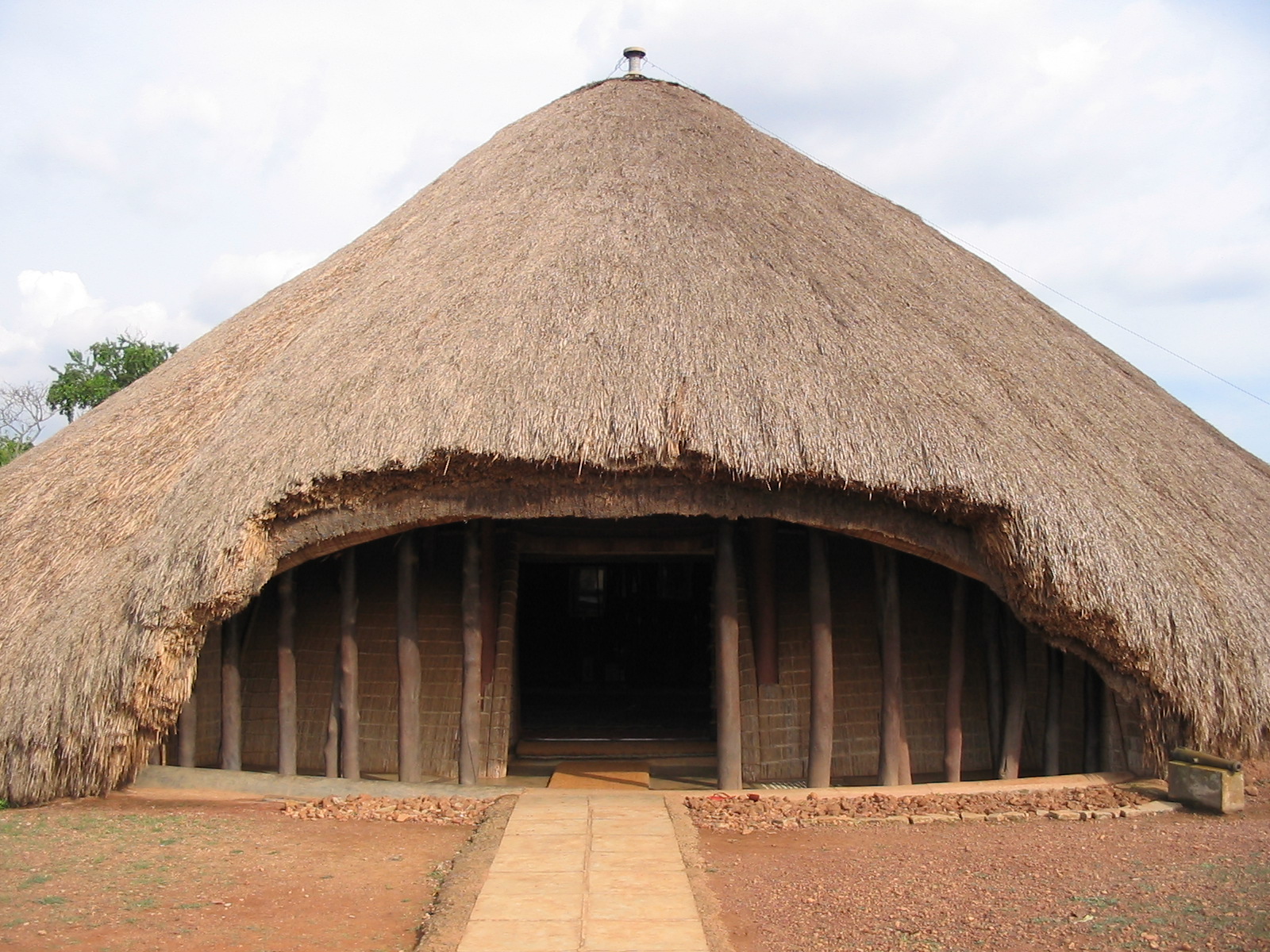
The site is particularly famous for the Muzibu-Azaala-Mpanga, the large traditional thatched building at the center of the complex. It houses the tombs of four Kabakas of Buganda and is recognized internationally for its cultural and architectural significance.
A visit to Kasubi Tombs can therefore provide insight into Buganda’s history, royal traditions, architecture, spirituality and cultural identity.
Where Are the Kasubi Tombs?
The Kasubi Tombs are located in Kampala, Uganda’s capital city.
The site sits on Kasubi Hill, northwest of central Kampala, making it relatively easy to incorporate into a city tour.
Its location also means that visitors can combine a visit to Kasubi with several other Kampala attractions in the same day.
For travelers beginning or ending a Uganda safari in Kampala or Entebbe, Kasubi can be a convenient cultural stop before heading toward destinations such as Jinja, Murchison Falls, Kibale, Bwindi or other parts of the country.
What Are the Kasubi Tombs?
The Kasubi Tombs are a royal burial site of the Buganda Kingdom.
The complex is associated with four Kabakas:
- Kabaka Muteesa I
- Kabaka Mwanga II
- Kabaka Daudi Chwa II
- Kabaka Sir Edward Muteesa II
The site therefore represents several generations of Buganda’s royal history.
However, the importance of Kasubi extends beyond the individuals buried there.
The entire complex represents aspects of Ganda culture, traditional architecture, royal customs and spiritual beliefs.
This is why the site is culturally significant to the people of Buganda and historically important to Uganda.
The Buganda Kingdom
To understand Kasubi Tombs, it helps to understand the Kingdom of Buganda.
Buganda is one of the traditional kingdoms of Uganda and has a long history in the Great Lakes region.
The king of Buganda is known as the Kabaka, while the kingdom has its own traditional institutions, clans and cultural structures.
Although Uganda operates as a modern republic, traditional cultural institutions continue to have significance within Ugandan society.
Kasubi Tombs is one of the places where visitors can see this heritage in a tangible form.
Muzibu-Azaala-Mpanga
The centerpiece of the Kasubi Tombs complex is Muzibu-Azaala-Mpanga, the large circular thatched structure that houses the royal tombs.
Its architecture is one of the most distinctive features of the site.
The building demonstrates traditional Ganda construction techniques, particularly the use of natural materials and carefully constructed wooden supports.
The enormous thatched roof creates the characteristic appearance associated with Kasubi.
For travelers interested in architecture, the building provides an excellent example of traditional Ugandan construction.
Traditional Ganda Architecture
The architecture at Kasubi reflects the cultural values of the Buganda Kingdom.
Traditional materials such as wood, reeds, grass and bark cloth are incorporated into the complex.
The design is not simply decorative.
Different parts of the structure have cultural and symbolic meanings, while the construction itself demonstrates the knowledge of traditional craftsmen.
The site therefore provides an opportunity to appreciate architecture as part of cultural heritage rather than viewing it simply as an old building.
The Royal Tombs
Inside the main tomb building are the burial places of the four Kabakas.
The interior is treated as a sacred and culturally significant space.
Visitors should therefore follow the instructions of their guide and the site’s custodians.
Photography rules may apply, particularly in sensitive areas.
The tombs should be approached with the same respect one would give to an active religious or sacred site.
The Fireplace and Royal Traditions
The Kasubi complex contains several features associated with traditional royal life.
One of the notable features is the traditional fireplace area.
Traditionally, fires have been maintained as part of the cultural practices surrounding the tombs.
The site also contains spaces connected with royal attendants and cultural custodians.
These details help visitors understand that Kasubi is not simply a cemetery.
It is a cultural institution containing traditions that have continued across generations.
The Namasole and Royal Connections
The cultural traditions surrounding the Buganda royal family extend beyond the Kabaka.
The Namasole, traditionally associated with the Kabaka’s mother, also has an important cultural role within Buganda.
There are royal burial sites and traditions associated with members of the royal family beyond the main Kasubi tomb structure.
A knowledgeable guide can help explain these relationships and the significance of different parts of the complex.
The 2010 Fire
One of the most significant events in the modern history of Kasubi Tombs was the devastating 2010 fire that destroyed much of the main tomb structure.
The fire caused enormous cultural loss and generated international concern because of the site’s importance.
Following the fire, efforts were undertaken to restore the site using traditional knowledge and materials.
The reconstruction process itself became an important part of the heritage story.
For visitors, understanding the fire and restoration adds another layer to the experience.
It demonstrates how cultural heritage can be vulnerable and why conservation is important.
UNESCO World Heritage Status
Kasubi Tombs was inscribed on the UNESCO World Heritage List in 2001 because of its outstanding cultural significance.
The site was later placed on UNESCO’s List of World Heritage in Danger following the 2010 fire.
Restoration and conservation efforts have been central to protecting the site.
This international recognition makes Kasubi one of Uganda’s most important cultural heritage destinations.
For travelers, it also provides an opportunity to visit a site whose importance extends well beyond Uganda.
What Can Visitors See?
A visit to Kasubi Tombs can include several elements of the cultural complex.
Depending on current access arrangements, travelers may see:
The main royal tomb building
Traditional architecture
Royal burial areas
Cultural artifacts
Traditional materials
Royal-related structures
The surrounding compound
Explanations of Buganda traditions
The experience is primarily educational and cultural rather than entertainment-focused.
The guide plays an important role because many of the site’s meanings cannot be understood simply by looking at the buildings.
Guided Tours at Kasubi Tombs
A guided visit is strongly recommended.
A knowledgeable guide can explain the history of the Kabakas, the meaning of the architecture, Buganda’s traditional political structure and the significance of different areas within the compound.
Without a guide, visitors may appreciate the impressive thatched structure but miss much of the cultural story behind it.
The guide can also explain appropriate behavior and photography rules.
Dress Code and Cultural Etiquette
Kasubi Tombs is a culturally and spiritually significant place, so visitors should dress respectfully.
Modest clothing is advisable.
Travelers should also:
- Follow instructions from custodians and guides
- Avoid touching sacred objects without permission
- Ask before taking photographs
- Keep noise levels low
- Avoid inappropriate behavior
- Respect restricted areas
- Listen carefully to cultural explanations
Remember that this is a royal burial site and not simply a sightseeing attraction.
Best Time to Visit Kasubi Tombs
Kasubi Tombs can be visited throughout the year.
Because it is located in Kampala, weather is generally less of a limiting factor than it is for outdoor wildlife activities.
A visit can easily be scheduled during a morning or afternoon city tour.
Travelers should nevertheless confirm opening arrangements before visiting because heritage sites can occasionally have special closures, ceremonies or restricted access.
How Long Do You Need at Kasubi Tombs?
A typical visit can take around one to two hours, depending on whether you take a guided tour and how much time you spend learning about the history and architecture.
Visitors with a strong interest in history, architecture or Buganda culture may wish to spend longer.
Because the site is located within Kampala, it is easy to combine with other cultural attractions during the same day.
Kasubi Tombs as Part of a Kampala City Tour
Kasubi Tombs works particularly well as part of a wider Kampala cultural tour.
It can be combined with destinations such as:
Uganda Museum
Namugongo Martyrs Shrine
Kabaka’s Palace
Owino Market
Gaddafi National Mosque
and other cultural and historical attractions.
The exact combination depends on how much time you have and what interests you most.
A cultural itinerary can provide a very different introduction to Uganda compared with immediately leaving Kampala for a wildlife safari.
Kasubi Tombs and Kabaka’s Palace
One of the strongest cultural combinations is Kasubi Tombs and Kabaka’s Palace.
The two sites provide complementary perspectives on Buganda’s royal history.
Kasubi focuses primarily on the royal burial traditions and cultural heritage surrounding the Kabakas.
Kabaka’s Palace provides another perspective on the history and institutions of the Buganda monarchy.
Together, they can help visitors understand the historical importance of the kingdom more clearly.
Kasubi Tombs and Uganda Museum
Another useful combination is Kasubi Tombs and the Uganda Museum.
The museum provides a broader overview of Uganda’s history, cultures, archaeology and traditional life.
Kasubi then provides a more focused experience centered on Buganda’s royal heritage.
For travelers who have only one day in Kampala, combining these destinations can create a strong cultural introduction to Uganda.
Photography at Kasubi Tombs
Kasubi provides interesting opportunities for architectural and cultural photography.
The traditional thatched roof, wooden structures, compound and surrounding environment create strong visual subjects.
However, photography should always follow the site’s rules.
Visitors should never photograph people, sacred objects or restricted areas without permission.
A good photograph should never come at the expense of cultural respect.
Why Is Kasubi Tombs Important?
Kasubi is important because it represents several layers of Ugandan heritage at the same time.
It is:
A royal burial site
A cultural institution
An architectural heritage site
A place of spiritual significance
A symbol of Buganda’s history
A UNESCO World Heritage Site
This combination makes it one of the most important cultural destinations in Kampala.
Is Kasubi Tombs Worth Visiting?
For travelers interested in Uganda’s history and culture, yes.
It is especially worthwhile for visitors who want to understand Uganda beyond wildlife.
Many international visitors arrive in Uganda primarily because of gorillas, chimpanzees, lions, elephants and other wildlife.
Kasubi provides a different perspective.
It introduces visitors to the people, kingdoms, traditions and history that have shaped the country.
Who Should Visit Kasubi Tombs?
The site is particularly suitable for:
History enthusiasts
Cultural travelers
Architecture enthusiasts
Photographers
Students and researchers
First-time visitors to Kampala
Travelers interested in Buganda history
It can also be a useful educational stop for families traveling with older children.
How to Get to Kasubi Tombs
Because Kasubi is within Kampala, travelers can reach the site by road from central Kampala and other parts of the city.
Travel time depends heavily on Kampala’s traffic.
This is important when planning a city itinerary.
Rather than scheduling several attractions at tightly spaced times, allow additional time for traffic between locations.
A local guide or tour operator can help arrange transportation and organize the attractions in a logical route.
Accommodation Near Kasubi Tombs
Because Kasubi is in Kampala, visitors have a wide range of accommodation options.
Travelers can stay in areas such as Kampala Central, Kololo, Ntinda, Bugolobi, Muyenga or nearby neighborhoods, depending on their budget and itinerary.
There is generally little reason to choose accommodation specifically because it is next to Kasubi.
Instead, select accommodation based on your wider Kampala plans, airport transfers and the next destination on your Uganda itinerary.
Responsible Cultural Tourism
Responsible tourism is especially important at heritage sites.
Visitors contribute positively by paying entrance fees, using local guides and supporting legitimate cultural tourism activities.
They should also respect the site’s cultural significance.
Do not remove objects, touch artifacts without permission or behave as though the site were simply a photo backdrop.
The preservation of places such as Kasubi depends not only on formal conservation but also on how visitors behave.
Frequently Asked Questions
What Are the Kasubi Tombs?
Kasubi Tombs is a royal burial site in Kampala associated with four former Kabakas of Buganda.
Where Are the Kasubi Tombs Located?
They are located on Kasubi Hill in Kampala, Uganda.
Who Is Buried at Kasubi Tombs?
Four former Kabakas are buried at the site: Muteesa I, Mwanga II, Daudi Chwa II and Sir Edward Muteesa II.
Why Are Kasubi Tombs Important?
They are important for Buganda’s royal history, traditional architecture, cultural practices and spiritual heritage.
Are Kasubi Tombs a UNESCO World Heritage Site?
Yes. Kasubi Tombs was inscribed as a UNESCO World Heritage Site in 2001.
Can Tourists Visit Kasubi Tombs?
Yes. The site is a major cultural attraction in Kampala, although visitors should confirm current access arrangements before traveling.
How Long Does a Visit Take?
Allow approximately one to two hours for a meaningful guided visit.
Can I Take Photos?
Photography may be permitted in some areas, but visitors should follow the site’s rules and ask before photographing people or culturally sensitive areas.
What Should I Wear?
Respectful, modest clothing is recommended because Kasubi is a culturally and spiritually significant site.
Can I Combine Kasubi Tombs With Other Kampala Attractions?
Yes. It combines particularly well with Kabaka’s Palace, the Uganda Museum and other cultural and historical attractions in Kampala.
Is Kasubi Tombs Suitable for First-Time Visitors to Uganda?
Yes. It can provide valuable cultural and historical context before travelers head into Uganda’s national parks and other destinations.