Overview
Kisoro Highlands – Travel Overview
Kisoro Highlands is one of the most spectacular highland destinations in southwestern Uganda, surrounded by dramatic volcanic mountains, terraced hills, green valleys and crater lakes. Located near the borders of Uganda, Rwanda and the Democratic Republic of Congo, the region offers travelers a remarkable combination of mountain scenery, cultural experiences, hiking and access to some of Uganda’s most famous primate destinations.
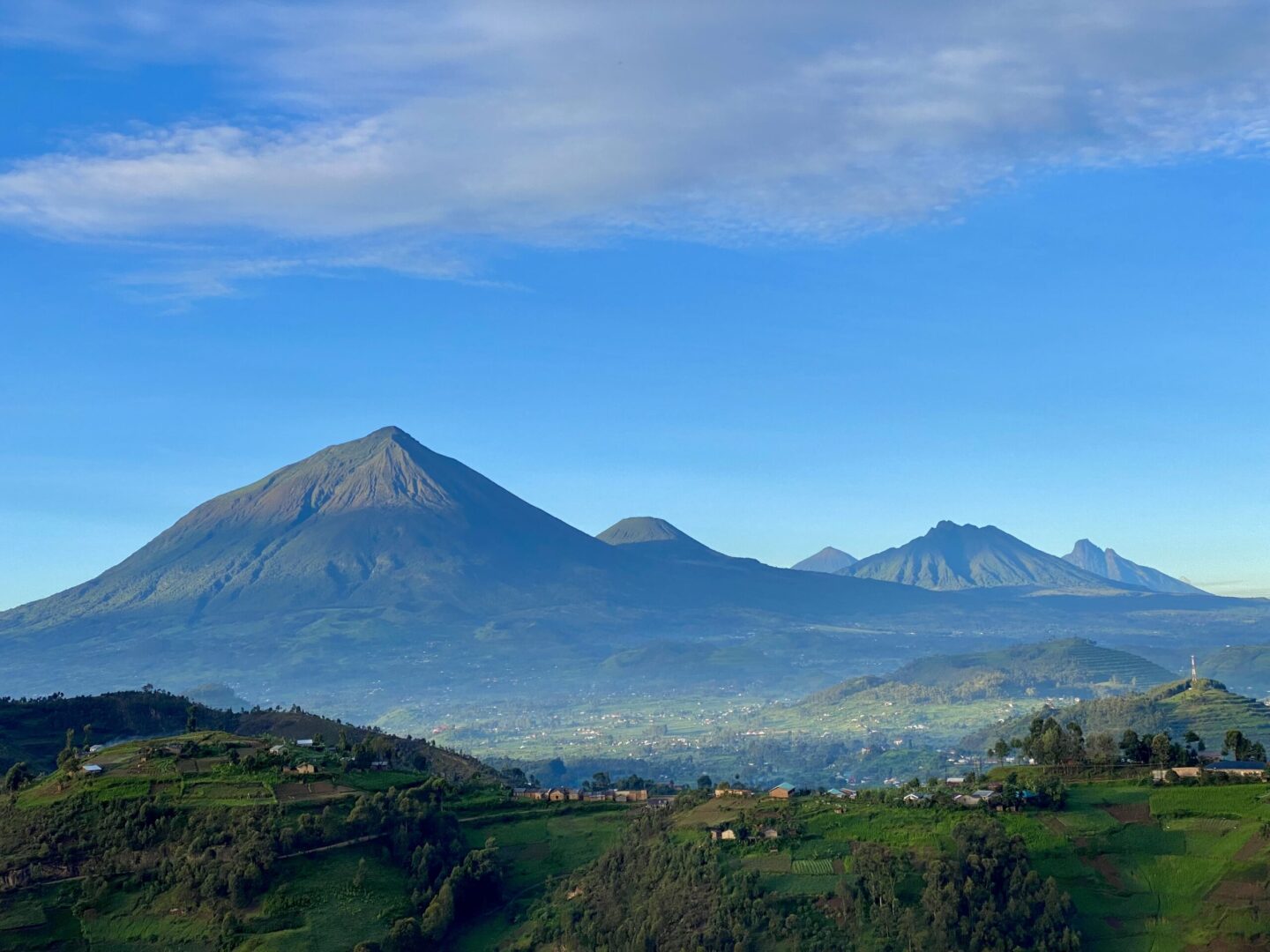
The highlands are centered around Kisoro, a small town surrounded by some of the most dramatic landscapes in Uganda. The area is dominated by the Virunga Mountains, including Mount Muhabura, Mount Gahinga and Mount Sabyinyo.
For travelers visiting southwestern Uganda, Kisoro is much more than a place to spend the night before gorilla trekking. The surrounding highlands provide opportunities to explore local communities, walk through agricultural landscapes, visit lakes, hike volcanic mountains and experience the distinctive culture of the region.
Where Are the Kisoro Highlands?
The Kisoro Highlands are located in Kisoro District in southwestern Uganda, close to the borders with Rwanda and the Democratic Republic of Congo.
The region lies at high elevation, giving it a cooler climate than much of Uganda.
The landscape is characterized by:
Volcanic mountains
Steep cultivated hills
Valleys
Crater lakes
Bamboo forests
Terraced farmland
Small villages
Wetlands
This dramatic geography is one of the first things travelers notice when approaching Kisoro.
The Virunga Mountains
The most recognizable feature of the Kisoro Highlands is the chain of volcanic mountains forming part of the Virunga Massif.
Three of Uganda’s most accessible Virunga volcanoes are found in Mgahinga Gorilla National Park:
Mount Muhabura
Mount Gahinga
Mount Sabyinyo
These mountains provide spectacular scenery throughout the Kisoro region.
On clear days, their enormous volcanic slopes rise dramatically above the surrounding farmland and valleys.
For photographers, the combination of cultivated hills and volcanic peaks creates some of the most distinctive landscapes in Uganda.
Mount Muhabura
Mount Muhabura, also known as Mount Muhavura, rises to approximately 4,127 metres above sea level.
Its steep, symmetrical volcanic profile dominates parts of the Kisoro landscape.
Hiking Mount Muhabura is a demanding full-day mountain experience and requires good physical fitness.
The climb rewards hikers with impressive views across the Virunga region, although visibility depends heavily on weather conditions.
On clear days, hikers may see several neighboring volcanoes and the surrounding highlands.
Mount Gahinga
Mount Gahinga stands at approximately 3,474 metres and is another prominent volcano in the Kisoro landscape.
Its slopes include bamboo and other high-altitude vegetation.
The mountain is located within Mgahinga Gorilla National Park and can be climbed as part of the park’s hiking experiences.
Compared with Muhabura, Gahinga is lower, but it still provides a genuine mountain trekking experience.
Mount Sabyinyo
Mount Sabyinyo reaches approximately 3,669 metres.
Its name is associated with the local meaning of an old man’s teeth, referring to the mountain’s distinctive jagged summit.
The mountain is particularly famous because its summit lies near the meeting point of Uganda, Rwanda and the Democratic Republic of Congo.
The hike is physically demanding and involves steep terrain, making it more appropriate for experienced hikers or travelers prepared for a challenging climb.
Kisoro’s Terraced Hills
One of the most beautiful features of the highlands is the intensive cultivation of the steep hillsides.
Farmers have developed terraces and cultivated plots across the slopes, creating striking patterns across the landscape.
From elevated viewpoints, these fields appear almost like a giant patchwork quilt.
The cultivated hills also demonstrate how communities have adapted to living and farming in a mountainous environment.
For photographers, early morning and late afternoon often provide excellent light for capturing the patterns of the hills.
Kisoro Highlands and Agriculture
Agriculture is central to life in the Kisoro Highlands.
The fertile volcanic soils support crops including:
Potatoes
Beans
Peas
Maize
Vegetables
The region is particularly well known for potato production.
Travelers passing through the countryside will often see farmers working the steep slopes and transporting agricultural products between villages and markets.
A cultural or community walk can provide a closer understanding of how agriculture supports households in the highlands.
Lake Mutanda
One of the most beautiful attractions associated with the Kisoro Highlands is Lake Mutanda.
The lake is surrounded by volcanic mountains, green hills and small islands, creating an exceptional landscape.
Its calm waters provide beautiful reflections of the surrounding volcanoes when weather conditions are favorable.
Travelers can enjoy activities around the lake including:
Canoeing
Boat excursions
Nature walks
Photography
Bird watching
Lake Mutanda is particularly popular with travelers looking for a peaceful experience after gorilla trekking.
Lake Mulehe
Lake Mulehe is another scenic lake near Kisoro.
Like Lake Mutanda, it is surrounded by mountainous terrain and rural communities.
The lake provides opportunities for boat experiences, fishing-related activities and bird watching, depending on the services available at the time of visit.
Because it is generally quieter than some of Uganda’s better-known tourist lakes, Mulehe can be an attractive choice for travelers looking for a more peaceful experience.
Canoeing on Lake Mutanda
Traditional canoeing is one of the memorable experiences available around Lake Mutanda.
Moving quietly across the lake allows travelers to appreciate the surrounding volcanoes and countryside from the water.
The experience is particularly attractive in the morning when the lake can be calm and the mountains may be reflected on the surface.
Visitors should use established operators and follow safety instructions when participating in water activities.
Bird Watching in the Kisoro Highlands
The highlands and surrounding forests provide opportunities for bird watching.
The combination of lakes, wetlands, cultivated hills, forest and mountain habitats supports a variety of bird species.
Travelers can look for birds around:
Lake Mutanda
Lake Mulehe
Mgahinga forests
Wetlands
Agricultural landscapes
A local birding guide can greatly improve the experience by identifying species and calls that visitors might otherwise overlook.
Kisoro Highlands and Gorilla Trekking
One of the biggest reasons travelers visit Kisoro is its proximity to Mgahinga Gorilla National Park.
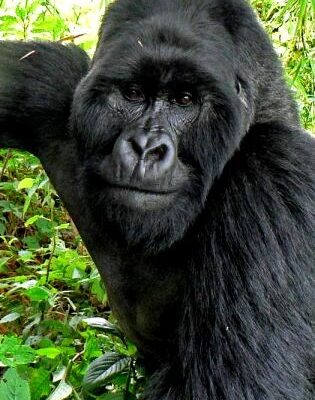
The park protects part of the Virunga ecosystem and is home to mountain gorillas.
Kisoro can therefore serve as an important base for travelers planning gorilla trekking in the region.
The town also provides access to Bwindi Impenetrable National Park, depending on the sector and itinerary.
This makes Kisoro particularly useful for travelers combining gorilla trekking with other southwestern Uganda experiences.
Kisoro and Mgahinga Gorilla National Park
The relationship between Kisoro and Mgahinga is particularly strong.
Mgahinga provides opportunities for:
Gorilla trekking
Golden monkey trekking
Volcano hiking
Bamboo forest walks
Bird watching
Nature experiences
The highlands surrounding the park add another layer to the experience by allowing visitors to explore the communities and landscapes outside the protected area.
Golden Monkey Experiences
The Kisoro region is also associated with golden monkey trekking in Mgahinga Gorilla National Park.
Golden monkeys are endemic to the Albertine Rift and are one of the region’s distinctive primates.
A golden monkey experience can be combined with gorilla trekking or mountain hiking for travelers who want to experience more of the Virunga ecosystem.
Kisoro Highlands and Bwindi
Although Kisoro is strongly associated with Mgahinga, it can also be incorporated into itineraries involving Bwindi Impenetrable National Park.
The exact travel time depends on the Bwindi sector being visited.
Travelers should therefore choose their accommodation and transport arrangements based on their gorilla trekking sector rather than assuming all of Bwindi is equally close to Kisoro.
This is especially important when planning early-morning gorilla trekking.
Batwa Cultural Experiences
The Kisoro Highlands are also an important region for learning about the Batwa people and their historical relationship with the forests of the Albertine Rift.
Cultural experiences can introduce visitors to traditional knowledge, music, storytelling, crafts and aspects of forest heritage.
These experiences should be approached respectfully, recognizing that Batwa communities have a complex history of displacement and changing relationships with protected forests.
Choosing responsible community-led experiences helps ensure that tourism benefits the people sharing their culture with visitors.
Village and Community Walks
Walking through the villages around Kisoro provides a completely different perspective from seeing the region through a safari vehicle.
A guided community walk may pass through:
Farmland
Homes
Markets
Small businesses
Schools
Village paths
Cultivated hills
This gives travelers an opportunity to see how people live and work within the challenging highland environment.
Kisoro Town
Kisoro town serves as the commercial and transport center of the district.
Although it is relatively small, it provides travelers with essential services including accommodation, restaurants, shops, markets and transport connections.
The town is also useful for travelers preparing for mountain hikes or gorilla trekking.
A visit to the local market can provide an interesting glimpse into everyday life in the region.
Kisoro Market
The local markets provide opportunities to see the agricultural economy of the highlands in action.
Produce from surrounding farms is brought into town for sale and distribution.
Visitors can encounter locally grown:
Potatoes
Beans
Vegetables
Fruits
and other agricultural products.
A market visit is best approached as a cultural experience rather than simply a shopping stop.
Hiking in the Kisoro Highlands
The region is ideal for travelers who enjoy hiking.
You do not necessarily need to climb one of the major volcanoes to experience the highlands.
Shorter walks can take visitors through:
Village paths
Farmland
Wetlands
Forest edges
Hilltops
Lakeside landscapes
These walks provide a more relaxed alternative to full-day volcanic climbs.
The Kisoro Landscape for Photography
The Kisoro Highlands are arguably one of Uganda’s strongest landscape photography destinations.
The scenery combines several dramatic elements in one frame:
Volcanic peaks
Terraced hills
Crater lakes
Green valleys
Farmland
Traditional settlements
Forest
Cloud formations
The constantly changing weather can also create dramatic atmospheric conditions around the mountains.
Photographers should be prepared for rapidly changing weather and occasional low cloud.
Sunrise in the Kisoro Highlands
Early morning can be one of the most rewarding times to photograph the region.
The cooler atmosphere may produce clearer mountain views before clouds build around the volcanoes.
Sunrise light can also highlight the terraces and valleys.
Travelers staying around Lake Mutanda have particularly attractive opportunities to photograph the mountains reflected across the water.
Kisoro Highlands for Adventure Travelers
The region is ideal for travelers who want more than traditional wildlife viewing.
Adventure activities can include:
Volcano hiking
Nature walks
Canoeing
Gorilla trekking
Golden monkey trekking
Mountain hiking
Community walks
The combination makes Kisoro particularly attractive for active travelers.
Kisoro Highlands for Couples
The landscape around Kisoro can be particularly appealing to couples.
A peaceful canoe ride on Lake Mutanda, mountain views and a quiet evening overlooking the highlands provide a slower experience after demanding trekking activities.
Couples who enjoy photography and nature can also spend time exploring the countryside without following a tightly scheduled itinerary.
Kisoro Highlands for Families
Families can enjoy the region through less strenuous activities such as:
Lake excursions
Short nature walks
Village experiences
Scenic viewpoints
Cultural activities
Volcano hikes and gorilla trekking require more physical preparation and may not be suitable for every child.
Families should select activities according to age, fitness and park regulations.
Best Time to Visit the Kisoro Highlands
Kisoro can be visited throughout the year.
The relatively drier periods of June to August and December to February are generally more favorable for hiking and outdoor activities.
However, rainfall can occur at any time because of the highland environment.
The rainy seasons can produce exceptionally green scenery, but trails may become muddy and mountain visibility can be reduced.
For volcano hiking and gorilla trekking, travelers should be prepared for changing weather regardless of the season.
How Long Should You Stay?
The length of stay depends heavily on what you want to do.
A traveler visiting only for gorilla trekking may spend a short time in the area.
However, travelers who want to experience the wider highlands could spend two to four days combining:
Gorilla trekking
Golden monkey trekking
Lake Mutanda
Community experiences
Volcano hiking
Scenic drives
This gives you enough time to experience Kisoro as a destination rather than simply using it as a transit town.
What Should You Bring?
For the Kisoro Highlands, consider packing:
- Waterproof hiking shoes
- Warm layers
- Rain jacket
- Long trousers
- Insect repellent
- Sunscreen
- Hat
- Drinking water
- Camera
- Binoculars
- Small daypack
- Walking poles for longer hikes
Even during warmer months, mornings and evenings can feel cold because of the elevation.
Responsible Tourism in the Kisoro Highlands
Travelers should remember that the highlands are home to farming communities and fragile mountain ecosystems.
Responsible visitors should:
Respect local communities.
Ask permission before photographing people.
Avoid littering.
Stay on designated hiking trails.
Follow guides’ instructions.
Do not disturb wildlife.
Support locally owned accommodation and community experiences where possible.
Respect cultural traditions.
Avoid removing plants or natural materials.
Protecting the landscape and ensuring local communities benefit from tourism are essential to maintaining the destination.
Is Kisoro Highlands Worth Visiting?
Absolutely.
Kisoro is one of those Ugandan destinations where the journey itself becomes part of the experience.
The combination of volcanic mountains, terraced hills, crater lakes, forests, villages and cultural experiences creates a landscape unlike most other parts of the country.
And if you are already coming for gorilla trekking, it is worth considering more than simply arriving the evening before and leaving immediately afterward.
Give yourself time to experience the highlands.
Who Should Visit the Kisoro Highlands?
The destination is particularly suitable for:
Mountain hikers
Gorilla trekkers
Golden monkey enthusiasts
Photographers
Nature lovers
Bird watchers
Couples
Adventure travelers
Cultural travelers
Families
Travelers exploring southwestern Uganda
Frequently Asked Questions
Where Are the Kisoro Highlands?
They are located around Kisoro in southwestern Uganda, close to the borders with Rwanda and the Democratic Republic of Congo.
What Are the Kisoro Highlands Famous For?
The region is known for its volcanic mountains, terraced hills, crater lakes, gorilla trekking, golden monkeys, hiking and cultural experiences.
Can I See the Virunga Mountains From Kisoro?
Yes. The Virunga volcanoes dominate the surrounding landscape and can be seen from many viewpoints around the region, although cloud cover can affect visibility.
Can I Combine Kisoro With Gorilla Trekking?
Yes. Kisoro is particularly useful for travelers visiting Mgahinga Gorilla National Park and can also be incorporated into some Bwindi itineraries.
What Can I Do Around Kisoro Besides Gorilla Trekking?
You can hike volcanoes, visit Lake Mutanda and Lake Mulehe, canoe, explore villages, go bird watching and participate in cultural experiences.
Is Kisoro Very Cold?
It can feel considerably cooler than much of Uganda because of its high elevation. Warm layers are recommended, particularly in the morning and evening.
How Many Days Do I Need in Kisoro?
Two to four days is ideal if you want to combine gorilla trekking with hiking, lake experiences and cultural activities.