






Overview
Kabale – Travel Overview
Kabale is a scenic town in southwestern Uganda, widely known for its spectacular Kigezi Highlands, rolling hills, terraced farmland and proximity to some of Uganda’s most important tourism destinations.
Often described as the “Switzerland of Africa” because of its mountainous scenery, Kabale is an important base for travelers exploring southwestern Uganda.
The town provides access to destinations such as Lake Bunyonyi, Bwindi Impenetrable National Park, Mgahinga Gorilla National Park and Kisoro, while the surrounding countryside offers beautiful landscapes, agricultural experiences and opportunities to experience local culture.
For a travel website, Kabale should therefore be treated as more than just a town page. It is a southwestern Uganda gateway destination.

Where Is Kabale?
Kabale is located in southwestern Uganda, in the Kigezi region.
It sits among steep, green hills and valleys, close to the borders with Rwanda and the Democratic Republic of Congo.
Its location makes Kabale strategically important for travelers visiting the southwestern corner of Uganda.
From Kabale, travelers can connect toward:
Lake Bunyonyi
Kisoro
Bwindi Impenetrable National Park
Mgahinga Gorilla National Park
Rwanda
Echuya Forest
Kisoro Highlands
This makes Kabale an excellent stop on a southwestern Uganda itinerary.
What Is Kabale Famous For?
Kabale is particularly famous for its:
Kigezi Highlands
Terraced hills
Mountain scenery
Lake Bunyonyi
Agriculture
Proximity to Bwindi
Proximity to Mgahinga
Kisoro route
Cultural heritage
The landscape around Kabale is one of the most distinctive in Uganda.
Unlike the broad savannah plains found in northern Uganda, southwestern Uganda is characterized by steep hills, valleys, cultivated slopes and numerous lakes.
The Kigezi Highlands
The Kigezi Highlands are the defining landscape around Kabale.
The hills rise and fall across the countryside, creating spectacular views from roads, farms and elevated viewpoints.
The region is particularly beautiful because much of the land is cultivated in terraces.
From a distance, the hills can look like enormous green steps stretching toward the horizon.
Kabale and Terraced Farming
One of the most recognizable features of the Kabale countryside is terraced agriculture.
Because the region is mountainous and densely cultivated, farmers have developed ways of using the steep slopes for agriculture.
Terraces help manage:
Soil erosion
Water runoff
Crop production
Land use
They also create the distinctive landscape that attracts photographers and travelers.
Agriculture Around Kabale
Agriculture is central to life in the Kigezi region.
The cool highland environment supports crops such as:
Irish potatoes
Beans
Peas
Sorghum
Vegetables
Bananas
and other crops suited to the local conditions.
Visitors traveling through the region can see farms covering hillsides and valleys.
This agricultural landscape provides an excellent opportunity for travelers interested in rural life.
Kabale and Lake Bunyonyi
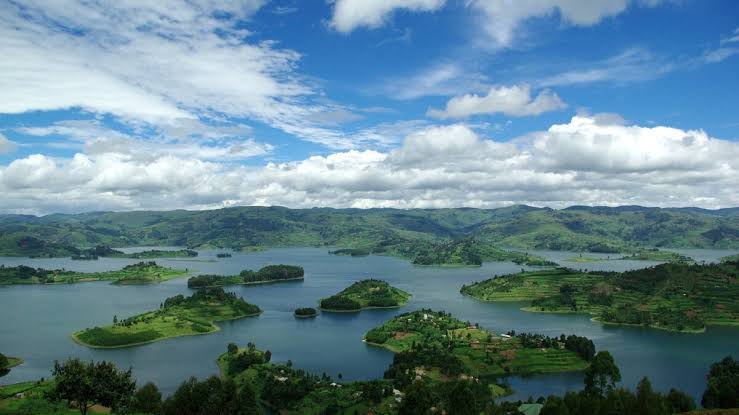
One of Kabale’s strongest tourism connections is Lake Bunyonyi.
The lake lies outside Kabale and is one of Uganda’s most famous highland lakes.
It is surrounded by steep green hills and numerous small islands.
Visitors can enjoy:
Canoeing
Boat rides
Island exploration
Bird watching
Swimming at designated safe locations
Photography
Relaxation
Lake Bunyonyi is therefore an easy addition to a Kabale itinerary.
Kabale and Bwindi Impenetrable National Park
Kabale is also an important gateway toward Bwindi Impenetrable National Park, one of Uganda’s most famous wildlife destinations.
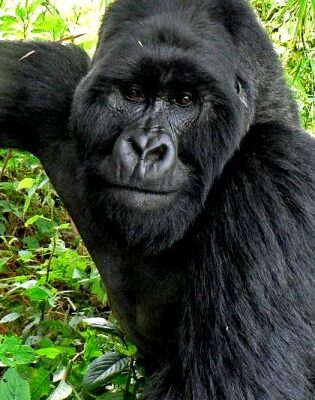
Bwindi is internationally renowned for mountain gorilla trekking.
Travelers staying around Kabale can connect toward different Bwindi sectors depending on their trekking location.
This is particularly important when planning a safari because Bwindi is large and the driving time between sectors can be significant.
The exact route should therefore be based on the gorilla trekking sector and accommodation selected.
Kabale and Mgahinga Gorilla National Park
Travelers can also use Kabale as part of a journey toward Mgahinga Gorilla National Park.
Mgahinga is located near Kisoro and forms part of the Virunga mountain ecosystem.
The park offers opportunities for:
Gorilla trekking
Golden monkey trekking
Mountain hiking
Volcano experiences
The Kabale–Kisoro corridor is therefore extremely important for travelers exploring southwestern Uganda.
Kabale and Kisoro
Kabale and Kisoro are two of the most important towns in southwestern Uganda’s tourism network.
Kabale is often the larger regional hub, while Kisoro sits closer to:
Mgahinga
Bwindi’s southern areas
Virunga Mountains
Rwanda
Democratic Republic of Congo
Travelers can therefore use both towns depending on their safari route.
Kabale and the Virunga Mountains
The mountainous landscape around southwestern Uganda extends into the wider Virunga volcanic region.
From parts of the Kabale–Kisoro area, travelers can experience dramatic volcanic landscapes associated with the Virunga chain.
This is one reason the region feels so different from most of Uganda.
Kabale and Echuya Forest
Echuya Forest Reserve is another attraction in the wider Kabale–Kisoro region.
The forest provides habitat for birds, primates and other wildlife and is especially interesting for nature lovers.
Travelers interested in forest ecosystems can combine Echuya with other attractions around southwestern Uganda.
Kabale for Mountain and Nature Lovers
Kabale is an excellent destination for travelers who enjoy landscapes rather than traditional game drives.
The surrounding region offers:
Mountain scenery
Hiking
Forest walks
Lakes
Farming landscapes
Bird watching
Photography
Cultural experiences
This makes Kabale an excellent place to slow down and appreciate the landscape.
Kabale for Bird Watching
The combination of highland farms, wetlands, forests and lakes provides habitat for a wide variety of birds.
Birding opportunities can be explored around:
Lake Bunyonyi
Echuya Forest
Bwindi
Mgahinga
Kigezi wetlands
Serious birders can therefore use Kabale as part of a larger southwestern Uganda birding itinerary.
Kabale for Hiking
The surrounding hills provide numerous opportunities for hiking.
Depending on the route, travelers can explore:
Hilltop viewpoints
Terraced farms
Village trails
Lake viewpoints
Forest areas
Mountain landscapes
Hiking around Kabale can be particularly rewarding because the landscape itself is the main attraction.
Kabale for Photography
Man, if someone wants landscape photography in Uganda, Kabale deserves serious attention.
The region offers:
Terraced hills
Sunrise
Sunset
Lake Bunyonyi
Mountain silhouettes
Village landscapes
Farmland
Forest
Rural life
The elevated terrain creates countless viewpoints.
Kabale for Cultural Experiences
The Kigezi region has a distinctive cultural identity.
Visitors can learn about:
Local farming traditions
Traditional food
Music
Dance
Crafts
Community life
Highland livelihoods
A community-based experience can be particularly valuable because it allows travelers to understand how people have adapted to living and farming in such mountainous terrain.
Kabale and Local Food
The highland environment influences local food production.
Visitors may encounter foods such as:
Irish potatoes
Beans
Peas
Bananas
Sweet potatoes
Vegetables
Sorghum
Food experiences can be incorporated into cultural visits or community tours.
Kabale Markets
Kabale’s markets provide a glimpse into everyday life in the Kigezi region.
Travelers may encounter:
Fresh vegetables
Potatoes
Beans
Fruit
Clothing
Household goods
Local crafts
Markets are especially interesting for visitors who want to experience the commercial side of rural southwestern Uganda.
Kabale for Families
Kabale can be a rewarding destination for families because many of its experiences focus on scenery and culture.
Families can enjoy:
Lake Bunyonyi
Boat rides
Village walks
Hill viewpoints
Cultural experiences
Agricultural landscapes
Families traveling toward Bwindi can also use Kabale as a convenient overnight stop.
Kabale for Couples
Kabale and Lake Bunyonyi are particularly attractive for couples.
The combination of:
Mountain scenery
Lake views
Quiet accommodation
Boat rides
Sunsets
Nature walks
creates a naturally romantic environment.
Couples can also combine the area with a gorilla trekking experience in Bwindi.
Kabale for Adventure Travelers
Adventure travelers can use Kabale as a base for exploring southwestern Uganda’s mountains and forests.
Activities can include:
Hiking
Canoeing
Mountain trekking
Forest walks
Gorilla trekking
Golden monkey trekking
Cycling
The most demanding experiences are found around the volcanic mountains and national parks.
Kabale and Rwanda
Kabale’s proximity to Rwanda gives it additional strategic importance.
Travelers can connect through southwestern Uganda toward Rwanda, depending on their itinerary and border arrangements.
This makes Kabale particularly useful for Uganda–Rwanda combination safaris.
For example:
Kampala → Bwindi → Kabale/Lake Bunyonyi → Rwanda
can create a diverse East African itinerary.
Kabale and the Uganda–Rwanda Border
The region has important cross-border connections.
Travelers crossing internationally should ensure they have the appropriate:
Passport
Visa or immigration documentation
Travel insurance
Vehicle documentation where applicable
Requirements can change, so international travelers should verify current entry requirements before departure.
Kabale as a Gorilla Safari Stop
For gorilla travelers, Kabale can be useful before or after trekking.
A traveler may stay around Kabale or Lake Bunyonyi before continuing to the appropriate Bwindi or Mgahinga sector.
This can help reduce the pressure of trying to complete a long drive immediately before a scheduled gorilla trek.
Best Time to Visit Kabale
Kabale can be visited throughout the year.
The region has a cooler highland climate than much of Uganda.
Dry periods can make hiking and road travel more convenient, while rainy periods make the hills especially green.
Travelers should remember that rainfall can make steep trails and rural roads muddy.
For gorilla trekking, trekking remains possible year-round, but trail conditions vary with weather.
How Long Should You Stay in Kabale?
If Kabale is simply a transit stop, one night may be sufficient.
If you want to explore the area properly, two to three nights is better.
A longer stay allows you to combine:
Kabale town
Lake Bunyonyi
Kigezi Highlands
Village experiences
Hiking
before continuing toward Bwindi or Mgahinga.
How to Get to Kabale
Kabale is accessible by road from Kampala and other parts of Uganda.
It is also connected to:
Mbarara
Kisoro
Bwindi
Lake Bunyonyi
Rwanda
For safari travelers, a private vehicle with an experienced driver is usually the most flexible option because many attractions are spread across mountainous terrain.
Where to Stay in Kabale
Kabale has accommodation ranging from budget guesthouses and hotels to more comfortable properties.
Travelers focused on Lake Bunyonyi may prefer to stay directly around the lake rather than in Kabale town.
Travelers using Kabale as a transit point may prefer accommodation within or close to town.
For gorilla trekking, accommodation should ideally be selected based on the specific trekking sector rather than simply choosing Kabale because it is the nearest major town.
Responsible Tourism in Kabale
The Kigezi landscape is environmentally sensitive because of its steep terrain and intensive agriculture.
Travelers should:
Avoid littering.
Stay on established trails.
Respect farmland.
Ask permission before photographing people.
Avoid damaging crops.
Support local businesses.
Use local guides where appropriate.
Respect community traditions.
Protect lake and forest environments.
Is Kabale Worth Visiting?
Absolutely.
Kabale is one of the best places in Uganda for experiencing the country’s highland landscapes and rural scenery.
Its greatest strength is not a single attraction.
It is the combination of terraced hills, lakes, forests, agriculture, culture and access to some of Uganda’s most important primate destinations.
For travelers heading toward Bwindi, Mgahinga or Lake Bunyonyi, Kabale can turn a simple transfer into part of the actual travel experience.
Who Should Visit Kabale?
Kabale is particularly suitable for:
Nature lovers
Landscape photographers
Hikers
Bird watchers
Couples
Families
Cultural travelers
Gorilla trekkers
Adventure travelers
Lake Bunyonyi visitors
Uganda–Rwanda travelers
Frequently Asked Questions
Where Is Kabale?
Kabale is located in southwestern Uganda, within the mountainous Kigezi region.
What Is Kabale Famous For?
Kabale is famous for its steep green hills, terraced agriculture, highland scenery and proximity to Lake Bunyonyi, Bwindi and Mgahinga.
Is Kabale Near Lake Bunyonyi?
Yes. Lake Bunyonyi is located near Kabale and is one of the area’s most important tourism attractions.
Is Kabale Near Bwindi?
Kabale provides access toward Bwindi, but the actual distance depends on the Bwindi sector you are visiting. This is important when planning accommodation and transportation for gorilla trekking.
Can I Visit Kabale Before Gorilla Trekking?
Yes. Kabale and Lake Bunyonyi are commonly incorporated into southwestern Uganda itineraries before or after gorilla trekking.
Is Kabale Near Rwanda?
Yes. Kabale is relatively close to the Uganda–Rwanda border and can be incorporated into cross-border itineraries.
How Many Days Should I Spend in Kabale?
Allow two to three nights if you want to explore Kabale, Lake Bunyonyi and the surrounding highlands rather than simply passing through.