







Gorilla Trekking in Uganda
Gorilla Trekking Uganda is one of Africa’s most extraordinary wildlife experiences, offering travelers a rare opportunity to encounter endangered mountain gorillas in their natural rainforest habitat. Located in the misty forests of Bwindi Impenetrable National Park and Mgahinga Gorilla National Park, Uganda provides unforgettable primate adventures surrounded by breathtaking landscapes, rich biodiversity, and unique conservation stories.
Few wildlife experiences compare to the thrill of standing just a few meters away from a family of endangered mountain gorillas in their natural habitat. Hidden within Uganda’s mist-covered rainforests that is Bwindi impenetrable national park, these gentle giants offer visitors one of the most intimate and unforgettable wildlife encounters on Earth. Gorilla trekking in Uganda is more than a safari activity it’s a journey into one of Africa’s oldest ecosystems, where every step through the forest brings you closer to a remarkable conservation success story.
Uganda is widely recognized as one of the best destinations in the world for mountain gorilla trekking, thanks to its thriving gorilla population, well-managed national parks, experienced guides, and diverse safari experiences. Nearly half of the world’s remaining mountain gorillas live within Uganda’s protected forests, making the country a top choice for travelers seeking an authentic primate adventure. Gorilla trekking is mainly done in bwindi impenetrable national park and mgahinga gorilla national park.
The experience begins with an early morning briefing before you set off into the dense rainforest with experienced Uganda Wildlife Authority rangers. The trek may take a few hours depending on the location of the gorilla family, but every moment is filled with anticipation as you follow fresh footprints, broken branches, and signs left behind by these magnificent primates. When you finally come face-to-face with a gorilla family, time seems to stand still. Watching a silverback quietly observe his surroundings, playful juveniles tumbling through the vegetation, and mothers gently caring for their infants is an experience that leaves visitors with memories that last a lifetime.
Beyond the excitement of the trek, choosing Uganda means supporting conservation efforts that protect mountain gorillas and improve the livelihoods of communities living around the parks. Every permit purchased contributes directly to wildlife conservation, ranger operations, habitat protection, and community development, making your visit both meaningful and sustainable.
Whether you are planning your first African safari or adding another remarkable adventure to your travel bucket list, this comprehensive guide will help you understand everything you need to know about gorilla trekking in Uganda—from the best trekking locations and permits to packing tips, accommodation, and how to make the most of your journey.
Planning your gorilla safari? Our experienced safari specialists can help you secure permits, choose the best lodges, and create a personalized itinerary that matches your budget and travel style. Contact us today to start planning your unforgettable adventure.
Why Choose Gorilla Trekking in Uganda?
Uganda has earned its reputation as one of Africa’s premier wildlife destinations, offering visitors a unique combination of breathtaking landscapes, exceptional biodiversity, and unforgettable wildlife encounters. While many countries are known for traditional game drives, Uganda offers something even more extraordinary—the opportunity to meet mountain gorillas in the wild.
Here are the reasons why thousands of travelers choose Uganda every year for their gorilla trekking adventure.
Home to Nearly Half of the World’s Remaining Mountain Gorillas
Mountain gorillas are among the rarest primates on Earth, found only in the high-altitude forests of Uganda, Rwanda, and the Democratic Republic of Congo. Uganda is home to nearly half of the world’s remaining population, making it one of the most important destinations for gorilla conservation.
The country’s protected forests provide ideal habitats where gorilla families can thrive under the careful protection of conservation organizations and the Uganda Wildlife Authority. Because only a limited number of visitors are allowed to trek each gorilla family every day, the experience remains intimate while minimizing disturbance to the animals.
For travelers, this means a greater chance of securing permits and experiencing one of the world’s most remarkable wildlife encounters.
Exceptional Gorilla Trekking Experience
Unlike visiting animals in a zoo or wildlife sanctuary, gorilla trekking places you in the gorillas’ natural environment. Every trek is different because the gorillas roam freely through the forest each day.
You may cross small streams, climb forested hills, pass beneath towering trees, and navigate thick vegetation before encountering the gorilla family. This sense of exploration makes every trek feel like a true expedition into the heart of Africa.
The reward comes when you finally find the gorillas. For one unforgettable hour, you can quietly observe them as they feed, groom one another, play with their young, or simply relax in the forest.
Few wildlife experiences offer such close and meaningful interactions with wild animals.
Outstanding Biodiversity Beyond Gorillas
Although mountain gorillas are the main attraction, Uganda’s forests are home to an astonishing variety of wildlife.
While trekking, visitors may also encounter:
- Black-and-white colobus monkeys
- L’Hoest’s monkeys
- Blue monkeys
- Forest elephants
- Giant forest hogs
- More than 350 bird species
- Hundreds of butterfly species
- Rare orchids and indigenous tree species
This incredible biodiversity transforms every trek into a complete rainforest experience rather than simply a search for gorillas.
Experienced Guides and Rangers
Every gorilla trek is led by highly trained guides and armed rangers from the Uganda Wildlife Authority. These professionals know the forest intimately and work closely with trackers who locate gorilla families before visitors begin their hikes.
During the trek, guides share fascinating information about gorilla behavior, rainforest ecology, medicinal plants, birdlife, conservation efforts, and local culture. Their knowledge greatly enriches the experience, helping visitors appreciate not only the gorillas but the entire ecosystem.
Their presence also ensures visitor safety while maintaining respectful distances from the gorillas.
Supporting Conservation and Local Communities
One of the most rewarding aspects of gorilla trekking in Uganda is knowing that your visit directly contributes to conservation.
Revenue generated through gorilla permits helps fund:
- Anti-poaching patrols
- Ranger salaries
- Veterinary care for injured gorillas
- Habitat protection
- Scientific research
- Community development projects
- Education initiatives
- Sustainable tourism programs
Communities surrounding the parks also benefit through employment, cultural tourism, handicraft sales, accommodation, guiding services, and porter services. As a result, local people have strong incentives to protect wildlife and preserve the forests for future generations.
By choosing gorilla trekking in Uganda, you become part of a global conservation effort that has helped increase mountain gorilla numbers over the past few decades.
Where Can You Go Gorilla Trekking in Uganda?
Uganda offers gorilla trekking in two protected national parks, each providing a unique experience. While both parks are home to endangered mountain gorillas, they differ in landscape, accessibility, trekking style, and additional activities.
Understanding these differences will help you choose the destination that best suits your interests and travel plans.
Bwindi Impenetrable National Park
When people think about gorilla trekking in Uganda, the first destination that comes to mind is Bwindi Impenetrable National Park. Located in the southwestern corner of the country, this UNESCO World Heritage Site is one of the oldest and most biologically diverse rainforests in Africa, with an ecosystem estimated to be more than 25,000 years old.
Covering approximately 331 square kilometers, Bwindi is famous for its dense vegetation, steep hills, mist-covered valleys, and extraordinary biodiversity. The park is home to hundreds of tree species, colorful butterflies, over 350 bird species, and numerous mammals, but its greatest treasure is its population of mountain gorillas.
Bwindi protects more habituated gorilla families than any other destination in the world, giving visitors a variety of trekking options and increasing permit availability.
The park is divided into four trekking sectors, each offering its own landscapes, gorilla families, accommodation choices, and trekking experiences.
Bwindi Impenetrable National Park Trekking Sectors
Bwindi Impenetrable National Park trekking sectors are among the most important things travelers need to understand when planning a gorilla trekking safari in Uganda. The park is divided into four main sectors, each offering a unique mountain gorilla experience. Gorilla trekking sectors in Uganda are:
Gorilla trekking sectors in Uganda:
Buhoma Sector
Located in the northern part of Bwindi, Buhoma is the oldest and most established gorilla trekking sector in Uganda. It was here that Uganda welcomed its first gorilla trekking visitors in 1993, and today it remains one of the most popular sectors for both first-time visitors and returning travelers.
Buhoma is known for its relatively accessible trails, excellent accommodation options, and stunning forest scenery. It is also a great base for visitors interested in cultural experiences, as nearby communities offer traditional dance performances, village walks, and visits to the Batwa people.
Several well-known gorilla families reside in this sector, making it a favorite among wildlife photographers and nature enthusiasts.
Why choose Buhoma?
- Suitable for first-time trekkers.
- Wide range of luxury, mid-range, and budget lodges.
- Beautiful rainforest trails.
- Cultural experiences with local communities.
- Easy access to community conservation projects.
Rushaga Sector
The Rushaga Sector, located in the southern part of Bwindi, is famous for having the largest number of habituated gorilla families in the park. This increases the chances of obtaining a trekking permit, making it one of the busiest and most sought-after sectors.
Rushaga is also the only sector where visitors can participate in the Gorilla Habituation Experience, a special activity that allows guests to spend up to four hours with a semi-habituated gorilla family alongside researchers and conservationists.
The landscape here features rolling hills, dense forests, and spectacular viewpoints overlooking the Virunga Mountains.
Why choose Rushaga?
- Largest number of gorilla families.
- Gorilla Habituation Experience available.
- Excellent photography opportunities.
- Wide choice of accommodation.
- Beautiful mountain scenery.
Ruhija Sector
Nestled in the eastern part of Bwindi gorilla trekking, is a quieter trekking sector known for its peaceful atmosphere and incredible birdlife. Situated at a higher altitude than the other sectors, Ruhija offers cool temperatures, panoramic views, and a rewarding trekking experience.
Birdwatchers especially enjoy Ruhija because it is home to many Albertine Rift endemic bird species, making it one of the best birding destinations in Uganda.
The trails here can be moderately challenging, but the breathtaking scenery and fewer crowds make every step worthwhile.
Why choose Ruhija?
- Excellent for birdwatching.
- Fewer tourists.
- Cool mountain climate.
- Stunning panoramic landscapes.
- Peaceful trekking experience.
Nkuringo Sector
For adventurous travelers looking for a more physically demanding experience, Nkuringo is an outstanding choice. Located in the southwestern corner of Bwindi, this sector is famous for its steep trails and spectacular mountain scenery.
Although the hikes can be challenging, the rewards are extraordinary. Visitors enjoy breathtaking views of the Virunga Volcanoes, lush valleys, and pristine rainforest.
Nkuringo also offers intimate encounters with habituated gorilla families and luxurious eco-lodges that blend seamlessly into the surrounding environment.
Why choose Nkuringo?
- Incredible mountain views.
- Challenging but rewarding hikes.
- Luxury eco-lodges.
- Less crowded trails.
- Excellent photography locations.
Mgahinga Gorilla National Park
While Bwindi receives most of the attention, Mgahinga Gorilla National Park is another exceptional destination for gorilla trekking in Uganda. Covering just 33.7 square kilometers, it is Uganda’s smallest national park but offers an equally unforgettable gorilla trekking experience.
Mgahinga forms part of the Virunga Conservation Area, which stretches across Uganda, Rwanda, and the Democratic Republic of Congo. The park is dominated by three extinct volcanic mountains:
- Mount Muhabura
- Mount Gahinga
- Mount Sabyinyo
These dramatic volcanic landscapes create one of the most scenic backdrops for gorilla trekking in Africa.
Unlike Bwindi, Mgahinga currently has one habituated gorilla family available for tourism. The smaller number of visitors means trekkers often enjoy a quieter and more exclusive experience.
Activities in Mgahinga
Besides gorilla trekking, visitors can also enjoy:
- Golden Monkey Tracking – Observe these playful and endangered primates in the bamboo forests.
- Volcano Hiking – Climb the slopes of the Virunga volcanoes for spectacular views.
- Batwa Cultural Experience – Learn about the traditions, history, and survival skills of the indigenous Batwa people.
- Bird Watching – Spot unique high-altitude bird species.
For travelers seeking a combination of wildlife, culture, and adventure, Mgahinga is an excellent addition to any Uganda safari.
Understanding Gorilla Families
A question many travelers ask before booking their safari is, “What is a gorilla family?”
Mountain gorillas live in stable social groups known as families or troops. These groups are led by a dominant silverback, an adult male distinguished by the silver-colored hair that develops across his back as he matures.
The silverback is responsible for:
- Protecting the family from threats.
- Leading the group to feeding areas.
- Resolving conflicts within the family.
- Caring for young gorillas.
- Making decisions about where the group rests and travels.
A gorilla family may include:
- One dominant silverback.
- Several adult females.
- Blackback males (younger males not yet fully mature).
- Playful infants and babies.
Watching these family interactions is one of the highlights of gorilla trekking. You may see mothers gently nursing their babies, youngsters chasing each other through the forest, or the silverback calmly watching over the group.
Each habituated family has a unique name, often inspired by its history, location, or notable members. These names help researchers, guides, and visitors identify the groups while monitoring their health and behavior.
What to Expect on Your Gorilla Trekking Day
Your gorilla trekking adventure begins long before you see the gorillas. Every stage of the experience is carefully organized to ensure visitor safety and minimize disturbance to the animals.
Early Morning Briefing
Most trekking days begin around 8:00 AM at the park headquarters.
Visitors gather for registration and a detailed briefing conducted by Uganda Wildlife Authority rangers. During this session, you’ll learn about gorilla behavior, trekking rules, safety guidelines, and what to expect in the forest.
You will also be assigned to a specific gorilla family based on factors such as your fitness level, age, and group size.
Hiring a Porter
Before entering the forest, you’ll have the opportunity to hire a local porter.
Many first-time visitors wonder if hiring a porter is necessary. While it isn’t mandatory, it is highly recommended.
A porter can:
- Carry your backpack.
- Assist you on steep or slippery trails.
- Provide support when crossing streams or climbing hills.
- Allow you to focus on enjoying the trek rather than carrying heavy equipment.
Hiring a porter also supports local livelihoods by creating employment opportunities for communities living around the park.
Entering the Rainforest
With your guide leading the way, the adventure truly begins.
The forest is alive with sounds—birds calling from the canopy, insects buzzing among the trees, and leaves rustling as monkeys move through the branches. Depending on where the gorilla family spent the previous night, your trek may last anywhere from one to eight hours.
The trail can include:
- Dense vegetation.
- Muddy paths.
- Gentle slopes.
- Steep hills.
- Narrow forest tracks.
- Small streams.
Although the trek can be physically demanding, every step build anticipation.
The Moment You Find the Gorillas
Eventually, your guide will signal for the group to slow down.
Ahead, hidden among the foliage, you’ll catch your first glimpse of the gorilla family.
Perhaps the silverback is feeding quietly, an infant is climbing onto its mother’s back, or two juveniles are wrestling playfully.
For the next one unforgettable hour, you’ll observe these magnificent animals as they go about their daily lives. Cameras click softly, conversations fade, and the forest becomes a place of quiet wonder.
It is often described as one of the most emotional wildlife encounters in the world.
Gorilla Trekking Permit in Uganda
A gorilla trekking permit in Uganda is an official document that allows travelers to enter the protected habitats of mountain gorillas and spend time observing a habituated gorilla family in the wild.
Without a valid gorilla permit, visitors cannot participate in at destinations such as Bwindi Impenetrable National Park and Mgahinga Gorilla National Park.
The permit system helps Uganda manage gorilla tourism responsibly by controlling visitor numbers, protecting gorilla families, and supporting conservation programs. Revenue generated from gorilla permits contributes to wildlife protection, ranger operations, research, and community development around gorilla habitats.
For many travelers, the gorilla permit is considered the most important investment in their Uganda safari because it provides access to one of the world’s most extraordinary wildlife experiences.
How Much Does a Gorilla Trekking Permit Cost in Uganda?
The cost of a gorilla permit depends on the traveler’s category.
According to Uganda Wildlife Authority conservation tariffs, the standard gorilla trekking permit rates include:
| Visitor Category | Gorilla Trekking Permit Cost |
| Foreign Non-Resident | USD 800 per person |
| Foreign Resident | USD 700 per person |
| East African Citizen | UGX 300,000 per person |
What Does the Gorilla Permit Include?
A Uganda gorilla trekking permit includes:
- Entrance into the protected national park.
- Guidance from experienced Uganda Wildlife Authority rangers.
- Tracking services from professional gorilla trackers.
- One hour of observation with a habituated gorilla family.
- Support for mountain gorilla conservation programs.
The permit does not usually include:
- Transportation to Bwindi or Mgahinga.
- Personal expenses.
- Tips for guides and porters.
For this reason, most travelers choose a complete Uganda gorilla safari package that combines permits, transport, accommodation, meals, and guided services.
For the accommodation
Budget accommodation
Comfortable guesthouses
Campsites
Basic safari lodges
Mid-range accommodation
- Comfortable lodges
- Private rooms
- Restaurant facilities
- Scenic locations
Luxury accommodation
- High-end eco-lodges
- Premium services
- Beautiful forest views
- Exclusive experiences
Transportation
Planning your gorilla trekking safari in Uganda involves more than securing a gorilla permit. One of the most important parts of your journey is arranging reliable transportation to reach the remote rainforest destinations where mountain gorillas live.
Uganda’s gorilla trekking destinations, Bwindi Impenetrable National Park and Mgahinga Gorilla National Park, are located in the southwestern part of the country, surrounded by mountains, forests, and beautiful countryside landscapes.
Because these parks are located away from the main cities, choosing the right transportation option ensures a comfortable, safe, and enjoyable safari experience.
Most travelers reach the gorilla trekking destinations from Entebbe International Airport or Kampala, either by road or by domestic flight.
The transport options include:
The most common and popular way to reach Bwindi and Mgahinga is by road.
A road safari allows travelers to enjoy Uganda’s beautiful landscapes while traveling with an experienced safari driver-guide.
During the journey, visitors can experience the rolling green hills, local villages, mountain sceneries among others and this is the most recommended for the best experience for the pearl of Africa
The kind of vehicle provide are the 4*4 safari vehicle land cruisers, safari vans and costars incase of a group travelers
Best Time for Gorilla Trekking in Uganda
One of the best things about gorilla trekking in Uganda is that it can be done throughout the year. Mountain gorillas do not migrate, meaning visitors have the opportunity to see them in every season.
However, weather conditions can influence the trekking experience.
Dry /summer Season Gorilla Trekking
The dry season/summer is one of the most popular times for gorilla trekking in Uganda, offering travelers comfortable hiking conditions, excellent opportunities for photography, and easier access to the rainforest trails of and Mgahinga Gorilla National Park.
Although mountain gorillas can be tracked throughout the year, many visitors prefer the summer/ dry season because the forest trails are generally less muddy, the weather is more predictable, and trekking conditions are more comfortable.
For travelers planning their first Uganda gorilla safari, the dry season provides an excellent balance between adventure, comfort, and unforgettable wildlife experiences.
The months of the summer or dry seasons are June to September and later in December to February, Because these months are popular, travelers are advised to book permits and accommodation early.
Wet/ winter Season Gorilla Trekking
Many travelers planning a gorilla trekking safari in Uganda often ask whether they should visit during the rainy season/ winter. While the dry months are usually considered the most popular period for trekking, the wet season offers a unique and rewarding experience for visitors who want fewer crowds, lush green landscapes, and a more intimate rainforest adventure.
Uganda’s mountain gorillas live in tropical rainforest environments, meaning rainfall is a natural part of their habitat. The forests of Bwindi Impenetrable National Park and Mgahinga Gorilla National Park remain open throughout the year, allowing visitors to encounter habituated gorilla families in every season.
Although the trails may become wetter and more challenging, proper preparation and the guidance of experienced rangers make wet season gorilla trekking in Uganda an unforgettable adventure. The months for the winter or wet season in Uganda are march to may and later in October and November .
What to Pack for Gorilla Trekking in Uganda
Preparing correctly can make your trekking experience much more enjoyable.
The rainforest environment can be unpredictable, so travelers should pack practical clothing and equipment.
Waterproof Hiking Boots
Strong hiking boots are one of the most important items.
The trails in Bwindi and Mgahinga can become muddy and slippery, especially after rainfall. Good footwear provides:
- Better grip.
- Protection from wet conditions.
- Comfort during long hikes.
Long Sleeves and Long Trousers
The forest has thick vegetation, insects, and thorny plants.
Long clothing helps protect against:
- Insect bites.
- Cold temperatures.
- Wet vegetation.
Neutral colors such as green, brown, and grey are recommended because they blend naturally with the environment.
Rain Jacket
Rain can occur at any time in rainforest areas.
A lightweight waterproof jacket helps you stay comfortable during unexpected showers.
Gardening Gloves
Many travelers underestimate this item.
Gloves help protect your hands when:
- Holding vegetation for support.
- Moving through thick forest.
- Walking on steep trails.
Camera Equipment
Gorilla trekking provides incredible photography opportunities.
Remember:
- Do not use flash photography.
- Carry extra batteries.
- Protect cameras from rain.
- Bring waterproof covers if possible.
Other Important Items
Pack:
- Small backpack.
- Drinking water.
- Energy snacks.
- Insect repellent.
- Personal medication.
- Walking stick.
Gorilla Trekking Rules and Guidelines
Responsible tourism is essential for protecting mountain gorillas.
Before entering the forest, visitors receive a briefing about important rules.
Maintain Distance From Gorillas
Visitors should maintain the recommended distance from gorillas to reduce the risk of disease transmission.
Gorillas are vulnerable to some human illnesses because they share many biological similarities with people.
Do Not Visit When Sick
If you have symptoms of illness, especially respiratory infections, it is important to inform park authorities.
Protecting gorilla health is a priority.
Avoid Loud Noise
The rainforest is a peaceful environment.
Keeping quiet helps avoid disturbing the gorillas and allows visitors to observe natural behavior.
Do Not Feed or Touch Gorillas
Although gorillas may appear calm and friendly, they remain wild animals.
Visitors must avoid physical contact.
Respect the One-Hour Rule
One of the most important guidelines during gorilla trekking in Uganda is respecting the one-hour viewing rule. Once a gorilla family has been located, visitors are allowed to spend a maximum of one hour observing the mountain gorillas in their natural habitat.
This limited viewing time is designed to protect the health, safety, and natural behavior of these endangered primates while allowing visitors to enjoy a meaningful and unforgettable wildlife encounter.
During this precious hour, travelers have the opportunity to watch the gorillas as they go about their daily activities, including feeding, moving through the forest and as well grooming each other.
Combining Gorilla Trekking With Other Uganda Safaris
While gorilla trekking in Uganda is one of the country’s most unforgettable wildlife experiences, Uganda offers much more than mountain gorillas. Travelers who make the journey to southwestern Uganda can combine their gorilla adventure with incredible national parks, wildlife experiences, cultural encounters, and scenic destinations to create a complete Uganda safari experience.
Combining gorilla trekking with other Uganda safaris allows visitors to experience the country’s incredible diversity — from tracking endangered mountain gorillas in ancient rainforests to watching lions, elephants, hippos, and buffaloes roaming across open savannah landscapes.
Whether you have a few extra days or are planning a longer adventure, adding other destinations to your gorilla safari creates a richer and more memorable journey through the “Pearl of Africa.” An example include:
Gorilla Trekking and Kibale National Park
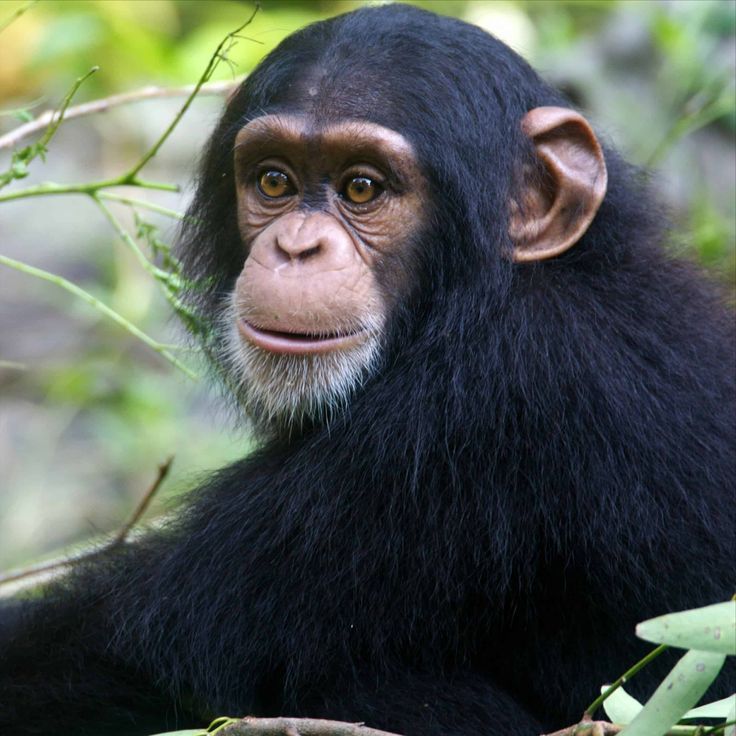
Combining gorilla trekking in Uganda with a visit to Kibale National Park offers one of the most complete primate experiences in Africa. This incredible safari combination allows travelers to encounter two of Uganda’s most fascinating primates — the powerful and gentle mountain gorillas of Bwindi Impenetrable National Park and the intelligent and playful chimpanzees of Kibale Forest.
Known as the “Primate Capital of the World,” Kibale National Park is home to one of the highest concentrations of primates on the African continent, while Bwindi provides the unforgettable opportunity to walk through ancient rainforest and spend time with endangered mountain gorillas.
Together, these destinations create a once-in-a-lifetime Uganda gorilla and chimpanzee safari, combining rainforest exploration, wildlife encounters, beautiful landscapes, and cultural experiences
Complete Guide to Chimpanzee Trekking in Uganda
Gorilla Trekking and Lake Bunyonyi
combining gorilla trekking in Uganda with a visit to Lake Bunyonyi creates one of the most rewarding safari experiences in southwestern Uganda. After the excitement and physical challenge of hiking through the ancient forests of Bwindi Impenetrable National Park in search of mountain gorillas, Lake Bunyonyi offers the perfect place to relax, reconnect with nature, and enjoy the peaceful beauty of Uganda’s countryside.
Known as the “Place of Many Little Birds,” Lake Bunyonyi is one of Uganda’s most scenic destinations, famous for its beautiful islands, calm waters, terraced hillsides, and breathtaking landscapes. Located near the border of Uganda and Rwanda, the lake provides a tranquil escape where travelers can enjoy a slower pace after their unforgettable gorilla encounter.
A gorilla trekking and Lake Bunyonyi safari allows visitors to experience two different sides of Uganda: the thrilling adventure of meeting endangered mountain gorillas and the peaceful charm of one of Africa’s most beautiful freshwater lakes.
Gorilla Trekking Frequently Asked Questions (FAQs)
How difficult is gorilla trekking in Uganda?
The difficulty depends on the location of the gorilla family.
Some treks take only a few hours, while others may require longer hikes through steep forest terrain.
Good physical preparation is recommended.
How long does gorilla trekking take?
The gorilla trek can take anywhere between 2 and 8 hours depending on the location of the gorilla family, the terrain, weather conditions, and the distance they have moved from their previous nesting site. Since mountain gorillas roam freely through the forest, the exact trekking time cannot be predicted in advance. Some visitors may find their assigned gorilla family after a short walk, while others may need to hike deeper into the rainforest through steep and challenging trails.
Although the trek can be physically demanding, the reward of spending one unforgettable hour observing these gentle giants in their natural habitat makes every step worthwhile.
Is gorilla trekking safe?
Yes. Gorilla trekking is considered very safe.
Visitors are accompanied by trained rangers who understand gorilla behavior and forest conditions.
What age is allowed for gorilla trekking?
The minimum age for gorilla trekking in Uganda is 15 years.
Can elderly travelers trek gorillas?
Yes. Older travelers can participate.
Visitors can request easier trekking options and hire porters for additional support.
Can I take pictures during gorilla trekking?
Yes.
Photography is allowed, but flash photography is prohibited.
How far in advance should I book my gorilla permit?
It is recommended to book several months in advance, especially during peak seasons.
Final Thoughts: Why Gorilla Trekking in Uganda Should Be on Your Bucket List
Gorilla trekking in Uganda is more than a wildlife activity—it is a journey into the heart of Africa’s wilderness and one of the world’s greatest conservation stories.
Walking through the ancient forests of Bwindi or Mgahinga and coming face-to-face with a mountain gorilla creates a connection with nature that few experiences can match.
From the powerful silverback protecting his family to playful young gorillas exploring the forest, every moment is unforgettable.
By choosing Uganda, travelers not only experience an incredible adventure but also support conservation efforts that protect these endangered animals for generations to come.
Ready to Experience Gorilla Trekking in Uganda?
Your dream gorilla adventure is only one step away.
Our safari experts can help you arrange:
- Gorilla trekking permits
- Comfortable accommodation
- Airport transfers
- Personalized safari guide
- Customized Uganda safari itineraries
Book with us today and experience the Pearl of Africa.