









Sustainable Tourism in Uganda: Exploring the Pearl of Africa Responsibly
Sustainable Tourism Uganda: Protecting Nature, Supporting Communities, and Creating Meaningful Travel Experiences
Travel today is changing. More visitors are no longer looking only for beautiful destinations and unforgettable photographs; they are searching for experiences that create a positive impact. Travelers want to know that their journeys are helping protect wildlife, supporting local communities, and preserving natural environments for future generations (Sustainable Tourism Uganda).
This growing desire for meaningful travel has placed Sustainable Tourism in Uganda at the center of responsible exploration in Africa.
Known as the Pearl of Africa, Uganda is a country blessed with incredible natural beauty. From the mist-covered mountains where endangered mountain gorillas live to the vast savannah landscapes where elephants, lions, and buffaloes roam, Uganda offers some of the most remarkable wildlife experiences on the continent.
However, these treasures require careful protection.
Tourism plays an important role in ensuring that Uganda’s forests, national parks, wildlife species, and local communities continue to thrive. When managed responsibly, tourism becomes more than a way for visitors to explore a destination—it becomes a powerful tool for conservation and sustainable development.
Sustainable Tourism in Uganda focuses on creating a balance between allowing people to experience the country’s natural wonders while protecting the ecosystems and communities that make these experiences possible.
It means traveling in a way that respects nature, supports local people, reduces environmental impact, and ensures that future generations can enjoy the same incredible destinations.
Understanding Sustainable Tourism in Uganda
At its heart, sustainable tourism is about responsible travel. It is the idea that tourism should provide benefits without damaging the environment, culture, or resources of a destination.
For Uganda, this approach is especially important because the country’s tourism industry is closely connected to wildlife and nature.
Many visitors travel to Uganda because of its unique biodiversity. The country is home to more than half of the world’s remaining mountain gorillas, large populations of chimpanzees, hundreds of bird species, and diverse wildlife spread across several national parks.
Destinations such as , Kibale National Park, Queen Elizabeth National Park, and Murchison Falls National Park are not just tourist attractions. They are important ecosystems that require long-term protection.
Through responsible tourism in Uganda, visitors contribute to conservation efforts simply by choosing to explore these protected areas.
For example, gorilla trekking is one of Uganda’s most famous tourism experiences. The fees paid by visitors help support gorilla conservation programs, park management, and the communities surrounding the forests.
A journey into the rainforest is therefore not only a personal adventure; it also contributes to protecting one of the world’s most endangered species.
Why Sustainable Tourism Matters for Uganda
Uganda’s natural beauty is one of its greatest assets. However, protecting these resources requires cooperation between government institutions, conservation organizations, local communities, tourism companies, and travelers.
Without responsible management, tourism can create challenges such as environmental damage, pressure on wildlife habitats, and negative impacts on local communities.
This is why eco-tourism in Uganda has become increasingly important.
Eco-tourism focuses on experiences that minimize environmental impact while encouraging appreciation and protection of nature. It promotes activities such as wildlife viewing, forest walks, birdwatching, cultural experiences, and nature-based adventures that allow visitors to connect with Uganda’s environment responsibly.
A well-managed safari does not simply take travelers into the wilderness. It helps them understand why these places matter.
When visitors spend time with local guides, learn about conservation efforts, and interact respectfully with communities, they develop a deeper connection with the destination.
This connection often becomes the reason travelers return home wanting to protect and support the places they visited.
Uganda’s Wildlife Conservation and Sustainable Tourism Connection
One of the strongest examples of can be seen through wildlife protection programs.
Uganda’s national parks provide a safe environment for many species, but maintaining these protected areas requires continuous effort.
Tourism provides important financial support that helps with:
- protecting wildlife habitats
- supporting conservation programs
- employing park staff and local guides
- improving tourism infrastructure
- supporting communities living near protected areas
For travelers visiting Uganda’s national parks, their safari experience contributes to a much bigger story.
A game drive in Queen Elizabeth National Park is not only about searching for lions and elephants. It is also about supporting the continued protection of one of Uganda’s most important ecosystems.
A boat cruise along the Kazinga Channel is not only a relaxing wildlife experience. It also creates awareness about protecting wetlands and aquatic environments.
A visit to Kibale National Park is not only about seeing chimpanzees. It supports efforts to conserve one of Africa’s most important tropical forests.
The Role of Communities in Sustainable Tourism
One of the most important parts of Sustainable Tourism in Uganda is ensuring that local communities benefit from tourism.
Many of Uganda’s most famous attractions are located near rural communities whose lives are connected to these natural areas.
When tourism provides opportunities for local people, it creates a stronger reason to protect wildlife and natural resources.
Community members can benefit through employment opportunities as:
- safari guides
- lodge employees
- cultural performers
- conservation workers
- craft producers
- hospitality providers
These opportunities help improve livelihoods while encouraging communities to become active partners in conservation.
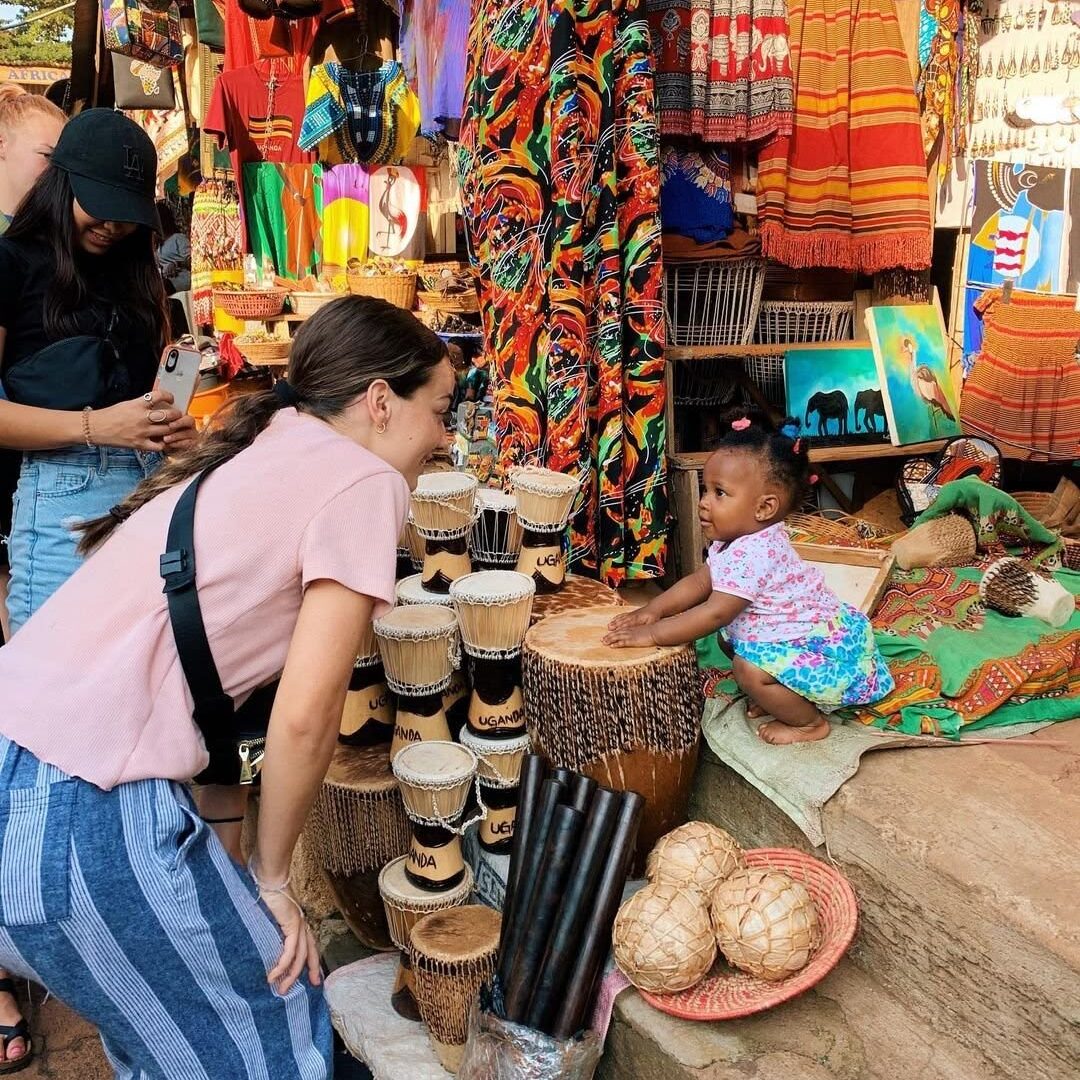
For example, visitors who purchase locally made crafts, participate in cultural experiences, or stay at community-supported accommodations contribute directly to local economies.
Responsible travel is not only about protecting animals; it is also about respecting and supporting the people who share their home with these natural wonders.
Sustainable Safaris: A Different Way to Experience Uganda
A sustainable safari in Uganda is not about reducing the excitement of travel. Instead, it creates a deeper and more meaningful experience.
A responsible safari allows travelers to enjoy Uganda’s incredible wildlife while understanding the importance of protecting it.
The experience becomes more than simply checking destinations off a travel list. It becomes an opportunity to learn, connect, and contribute.
A traveler who spends a morning watching mountain gorillas in Bwindi, enjoys an afternoon learning about local culture, and ends the day supporting a conservation-focused lodge is experiencing tourism at its most positive.
This is the future of travel—where adventure and responsibility go hand in hand.
Many modern travelers are looking for companies that share these values. They want to know that their money supports genuine conservation efforts and contributes positively to the places they visit.
That is why choosing a safari operator who understands responsible travel in Uganda is an important part of planning your journey.
How Sustainable Tourism in Uganda Protects Wildlife and Supports Communities
The relationship between tourism and conservation in Uganda is one of the most important examples of how travel can create a positive impact. When visitors choose responsible experiences, they become part of a much larger effort to protect nature, preserve wildlife, and support the communities that live around these incredible destinations.
The success of Sustainable Tourism in Uganda depends on understanding that wildlife conservation and community development cannot exist separately. Protecting animals without considering the people living near protected areas creates challenges, while supporting communities without protecting natural resources threatens the future of tourism itself.
A responsible tourism approach creates a balance where wildlife, nature, and people can benefit together.
Gorilla Conservation Through Sustainable Tourism
Uganda’s mountain gorillas are among the greatest treasures of the natural world. Living within the forests of Bwindi Impenetrable National Park and Mgahinga Gorilla National Park, these endangered primates attract thousands of travelers every year.
However, gorilla conservation is not only about protecting the animals themselves. It involves protecting their forest habitat, supporting conservation teams, educating communities, and ensuring that tourism activities are carefully managed.
This is where sustainable tourism in Uganda plays a vital role.
Every traveler who participates in a gorilla trekking experience contributes to conservation efforts through permit fees and tourism activities. These contributions help support wildlife protection programs, monitoring of gorilla families, park management, and conservation initiatives.
The presence of responsible tourism has also created stronger incentives for protecting gorilla habitats. When local communities benefit from tourism, there is greater motivation to preserve forests rather than allowing activities that could threaten wildlife environments.
A visitor walking through the rainforest in search of gorillas is therefore participating in a conservation story that extends far beyond the trekking experience itself.
The moment spent observing a gorilla family peacefully in the forest represents years of conservation work and cooperation between wildlife authorities, researchers, communities, and tourism partners.
How Safari Tourism Supports Local Communities
A major goal of responsible tourism in Uganda is ensuring that tourism benefits reach the people who live near the country’s natural attractions.
Many communities surrounding national parks have lived alongside wildlife for generations. By involving these communities in tourism, conservation becomes a shared responsibility rather than something managed only by external organizations.
Tourism creates opportunities that improve livelihoods and provide alternatives that support conservation.
A local resident may become a professional safari guide, sharing knowledge about wildlife and culture with visitors from around the world. Another person may operate a small craft business, creating handmade products inspired by local traditions. Others may work in lodges, transportation services, restaurants, or community tourism projects.
These opportunities demonstrate the connection between tourism and sustainable development.
When travelers choose locally owned accommodations, purchase authentic crafts, and participate in cultural experiences, they directly contribute to the communities they visit.
This is one reason why modern travelers are increasingly interested in community tourism in Uganda. They want to know that their journey is not only benefiting themselves but also creating positive change for local people.
The Importance of Eco-Friendly Accommodation in Uganda
Where travelers stay during their journey also plays an important role in eco-tourism in Uganda.
Across the country, many lodges and safari camps are adopting environmentally responsible practices designed to reduce their impact while providing unforgettable experiences.
Eco-friendly accommodation focuses on protecting natural resources through practices such as responsible water use, waste management, renewable energy solutions, and supporting local employment.
Many nature-based lodges are built in ways that allow guests to enjoy the surrounding environment while minimizing disturbance to wildlife habitats.
Imagine waking up in a forest lodge surrounded by birdsong, staying near a savannah landscape where wildlife moves freely, or relaxing beside a lake while enjoying views of untouched nature.
These experiences are possible because responsible tourism encourages businesses to protect the environments that make them successful.
Choosing sustainable accommodation does not mean sacrificing comfort. In many cases, eco-friendly lodges provide some of the most memorable safari experiences because they allow travelers to feel connected with nature.
Reducing the Environmental Impact of Tourism
As tourism continues to grow, protecting Uganda’s environment becomes increasingly important.
A successful sustainable safari in Uganda requires careful attention to how travel activities affect natural ecosystems.
Responsible tourism encourages practices that reduce environmental impact while maintaining the quality of visitor experiences.
Safari companies, lodges, guides, and travelers all have a role to play.
Using responsible transportation methods, reducing waste, respecting wildlife guidelines, and avoiding unnecessary environmental damage are simple actions that create long-term benefits.
For example, during wildlife experiences, travelers are encouraged to observe animals respectfully. Keeping a safe distance, avoiding loud disturbances, and following the instructions of professional guides helps protect both visitors and wildlife.
The goal is not simply to see animals but to appreciate them without interfering with their natural behavior.
This approach creates more authentic wildlife encounters because animals remain comfortable in their natural environment.
Sustainable Wildlife Experiences in Uganda
Uganda offers some of Africa’s most incredible wildlife experiences, and sustainable tourism ensures that these adventures remain possible for future generations.
A visit to Queen Elizabeth National Park provides opportunities to observe elephants, lions, buffaloes, hippos, and countless bird species while supporting the protection of one of Uganda’s most important ecosystems.
A journey through Kibale National Park allows travelers to discover chimpanzees and understand the importance of conserving tropical forests.
A safari through Murchison Falls National Park introduces visitors to dramatic landscapes, powerful waterfalls, and diverse wildlife while contributing to protected area management.
Each experience connects travelers with nature while supporting conservation efforts.
The most meaningful wildlife encounters are often those where travelers understand the importance of what they are witnessing. Seeing a lion resting in the savannah becomes more powerful when you understand the conservation work protecting its habitat. Watching chimpanzees in the forest becomes more meaningful when you recognize the importance of preserving their ecosystem.
This deeper connection is what makes sustainable travel different.
The Role of Safari Companies in Sustainable Tourism
Safari companies have an important responsibility in promoting sustainable tourism Uganda.
A responsible safari operator does more than organize transportation and accommodation. They help educate travelers, support local communities, and encourage conservation-friendly practices.
The choices made by safari companies influence the entire travel experience.
Working with local guides, recommending responsible lodges, respecting park regulations, and supporting community initiatives are all ways tourism businesses can contribute positively.
For travelers, choosing the right safari company means choosing a partner that shares their values.
A company that understands conservation and responsible travel can help create experiences that are not only exciting but also meaningful.
This is especially important for visitors who want their journey to have a positive impact beyond their own memories.
Why Sustainable Tourism Creates Better Travel Experiences
Some travelers think responsible tourism means giving something up, but the opposite is often true.
A sustainable travel experience is usually more authentic because it encourages deeper connections with the destination.
Instead of simply visiting a place, travelers learn about it.
Instead of only seeing wildlife, they understand the importance of protecting it.
Instead of passing through communities, they interact with people and appreciate local cultures.
This creates memories that remain meaningful long after the journey ends.
A safari is not just about the photographs taken. It is about the stories behind those photographs, the people met along the way, and the positive impact created through responsible choices.
How Travelers Can Support Sustainable Tourism in Uganda
The future of tourism depends not only on governments, conservation organizations, and safari companies but also on the choices made by individual travelers. Every visitor has the opportunity to contribute positively by making responsible decisions before, during, and after their journey.
Choosing Sustainable Tourism in Uganda means understanding that travel is not only about what you experience but also about the impact you leave behind.
Uganda offers some of the world’s most incredible natural experiences, but protecting these destinations requires cooperation from everyone who visits.
A traveler who respects wildlife, supports local businesses, reduces waste, and chooses responsible tourism providers becomes part of the conservation story.
Choosing a Responsible Safari Company in Uganda
One of the most important decisions when planning a trip is choosing a safari company that values conservation and responsible travel.
A responsible operator does more than create an itinerary. They understand the importance of protecting Uganda’s natural resources while ensuring travelers enjoy safe, meaningful, and unforgettable experiences.
When selecting a safari company for a sustainable safari in Uganda, travelers should consider how the company approaches conservation, community support, and environmental responsibility.
A good safari company works with knowledgeable local guides, supports local businesses, follows wildlife regulations, and promotes ethical travel practices.
The goal should not only be to take visitors to beautiful destinations but also to help them understand why these places are worth protecting.
For travelers planning experiences such as gorilla trekking, wildlife safaris, or cultural adventures, choosing a responsible company ensures that their journey contributes positively to Uganda’s tourism industry.
Supporting Local Communities During Your Uganda Safari
One of the easiest ways travelers can contribute to community tourism in Uganda is by supporting local communities during their journey.
Tourism has the power to transform lives when benefits reach the people who live around tourist destinations.
Simple choices can make a meaningful difference.
Choosing locally owned restaurants, purchasing handmade crafts, hiring local guides, and participating in authentic cultural experiences all contribute to community development.
Many travelers enjoy visiting communities because it provides a deeper understanding of Uganda beyond wildlife and landscapes.
A cultural experience allows visitors to learn about traditions, music, food, storytelling, and daily life.
These interactions create genuine connections between travelers and local people.
The memories created during these moments often become some of the most special parts of the journey.
Respecting Uganda’s Wildlife and Natural Environment
Wildlife is one of Uganda’s greatest treasures, and responsible behavior helps ensure these animals continue to thrive.
During a Uganda wildlife conservation experience, travelers should always remember that they are guests in the animals’ natural environment.
Following the guidance of professional guides, maintaining appropriate distances, avoiding unnecessary noise, and never interfering with wildlife behavior are important parts of responsible travel.
The best wildlife encounters happen when animals are comfortable and behave naturally.
A responsible traveler does not only ask:
“What can I see?”
They also consider:
“How can I experience this place without causing harm?”
This mindset is at the heart of sustainable travel.
Whether observing mountain gorillas in Bwindi, chimpanzees in Kibale, or lions in Queen Elizabeth National Park, respectful behavior protects these experiences for future generations.
Reducing Your Environmental Footprint While Traveling
Even small actions can contribute to eco-tourism in Uganda.
Travelers can reduce their environmental impact by making conscious choices throughout their journey.
Carrying reusable water bottles, avoiding unnecessary plastic waste, respecting natural areas, and using resources responsibly are simple steps that support conservation.
Many eco-friendly lodges and safari operators already practice responsible resource management, but travelers also play an important role.
Sustainable tourism is not about perfection. It is about making better choices wherever possible.
A collection of responsible decisions from thousands of travelers can create a significant positive impact.
Sustainable Tourism and the Future of Uganda Safaris
The future of Uganda’s tourism industry depends on maintaining the balance between exploration and conservation.
The country’s forests, wildlife, rivers, and communities are the foundation of its tourism appeal. Protecting them ensures that future generations will continue to experience the beauty of the Pearl of Africa.
As more travelers seek meaningful experiences, responsible tourism in Uganda will continue to grow.
Visitors are increasingly interested in knowing where their money goes, how tourism supports communities, and whether their journey contributes to protecting nature.
This change creates an opportunity for Uganda to become a leading destination for responsible travel in Africa.
The future of tourism is not only about seeing the world. It is about protecting the world while experiencing it.
Sustainable Safari Experiences You Can Enjoy in Uganda
Uganda provides countless opportunities for travelers to explore responsibly.
A through Bwindi’s ancient rainforest offers a chance to connect with one of the world’s most fascinating species while supporting conservation.
A in Kibale introduces travelers to incredible primates while promoting forest conservation.
A wildlife safari through Uganda’s national parks allows visitors to witness elephants, lions, buffaloes, giraffes, and many other species while supporting protected areas.
A cultural journey allows travelers to connect with communities and discover the traditions that make Uganda unique.
Each experience becomes more meaningful when travelers understand the positive impact behind their adventure.
Frequently Asked Questions About Sustainable Tourism in Uganda
What is sustainable tourism in Uganda?
Sustainable Tourism in Uganda refers to responsible travel practices that protect the environment, support local communities, preserve wildlife, and ensure tourism benefits future generations.
How does tourism help conservation in Uganda?
Tourism supports conservation through park fees, employment opportunities, wildlife protection programs, and community projects around protected areas.
Is gorilla trekking considered sustainable tourism?
Yes. When properly managed, gorilla trekking contributes to conservation by supporting gorilla protection programs, forest preservation, and communities living near gorilla habitats.
How can visitors support sustainable tourism in Uganda?
Travelers can support sustainability by choosing responsible safari operators, respecting wildlife rules, supporting local businesses, reducing waste, and protecting natural environments.
Are there eco-friendly safari options in Uganda?
Yes. Many safari companies and lodges promote environmentally responsible practices through conservation programs, community support, and sustainable operations.
Why Choose a Sustainable Uganda Safari?
A journey through Uganda is more than a holiday. It is an opportunity to become part of something bigger.
Every forest explored, every wildlife encounters experienced, and every community visited tells a story of connection between people and nature.
Choosing a sustainable safari in Uganda allows travelers to enjoy incredible adventures while contributing to the protection of the destinations they love.
The magic of Uganda lies not only in its landscapes and wildlife but also in the people who protect them and the communities who share them with visitors.
A responsible safari creates memories while helping preserve the beauty of the Pearl of Africa.
Plan Your Responsible Uganda Safari Today
Are you ready to experience Uganda in a way that creates unforgettable memories while supporting conservation and local communities?
Our team helps travelers discover Uganda through carefully planned safari experiences that combine adventure, comfort, wildlife, and responsible tourism.
From gorilla trekking and wildlife safaris to cultural experiences and customized journeys, we create adventures that allow you to explore Uganda while respecting the places and people that make it special.