









Tipping in Uganda: Understanding Travel Etiquette and Local Customs
Traveling to a new country often comes with questions about local customs, and tipping is one of the most common things visitors want to understand.
For travelers planning a Uganda safari, knowing about Tipping in Uganda helps create positive interactions with guides, drivers, hotel staff, and other people who contribute to making the journey memorable.
Unlike some countries where tipping is a strict requirement, tipping in Uganda is generally not compulsory. However, it is widely appreciated and has become a common practice within the tourism industry.
Many people working in tourism go beyond their normal duties to ensure visitors have a great experience. Safari guides share their knowledge about wildlife, drivers provide safe transportation over long distances, and hotel staff assist guests throughout their stay.
A thoughtful tip is a way for travelers to show appreciation for excellent service.
Uganda is known for its warm hospitality, and tipping is usually viewed as a gesture of gratitude rather than an obligation.
Whether you are tracking mountain gorillas in Bwindi, watching wildlife in national parks, or staying at safari lodges, understanding when and how to tip makes your travel experience smoother.
Is Tipping Expected in Uganda?
Tipping is not legally required in Uganda, but it is appreciated, especially within the tourism sector.
Many service workers in Uganda earn their regular wages, meaning visitors are not expected to tip for every small interaction.
However, in situations where someone provides exceptional service, a tip is a meaningful way to recognize their effort.
Tipping is most common among:
- Safari guides
- Safari drivers
- Gorilla trekking guides and trackers
- Hotel and lodge staff
- Porters
- Cultural guides
For example, a safari guide who spends several days helping you spot wildlife, explaining conservation stories, and ensuring your comfort has played an important role in your journey.
Similarly, a porter assisting during gorilla trekking by carrying your bag and helping you navigate challenging terrain provides valuable support.
In these situations, tipping is a way of saying thank you.
Visitors should remember that tipping should always depend on the quality of service received and their personal budget.
Tipping Safari Guides and Drivers in Uganda
Safari guides and drivers are among the most commonly tipped professionals in Uganda’s tourism industry.
They are responsible for much more than transportation. A good guide helps transform a simple safari into a memorable experience.
During a wildlife safari, guides:
- Explain animal behavior
- Identify different species
- Share information about conservation
- Help guests find wildlife
- Manage safari schedules
- Ensure guest safety
Drivers also play an important role, especially because many Uganda safaris involve long journeys between destinations.
Driving through national parks requires experience, patience, and knowledge of local roads and wildlife areas.
For a safari lasting several days, many travelers choose to give a tip at the end of the trip rather than after each activity.
A common approach is tipping based on the overall experience, professionalism, and level of service provided.
The amount varies depending on factors such as:
- Length of the safari
- Group size
- Quality of service
- Personal satisfaction
International travelers should remember that even a modest tip can be meaningful and appreciated.
Tipping During Gorilla Trekking in Uganda
Gorilla trekking is one of Uganda’s most famous experiences, and many people involved in the activity contribute to making it successful.
The trekking experience involves several important team members, including:
- Park guides
- Gorilla trackers
- Rangers
- Porters
Gorilla guides provide important information about the forest, gorilla families, and trekking rules. They also help ensure visitors have a safe and respectful encounter.
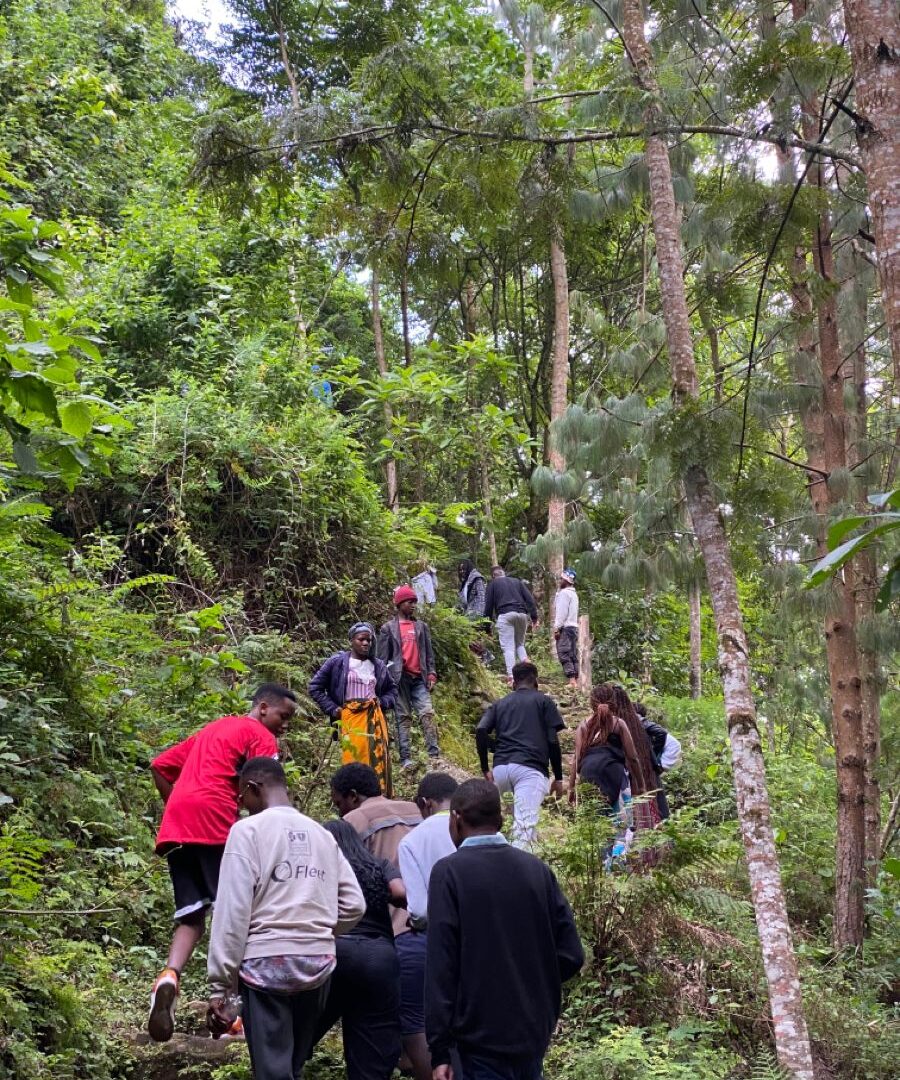
Porters are especially valuable during gorilla trekking because they assist visitors on challenging trails. They may carry backpacks, provide physical support, and help travelers navigate difficult sections.
Hiring a porter is highly recommended, not only because of the assistance they provide but also because it directly supports local communities around the national parks.
Tipping after is not mandatory, but many visitors choose to reward the team members who helped make the experience special.
A tip given with appreciation can have a positive impact on local people involved in conservation tourism.
Tipping Hotel and Safari Lodge Staff
Hotel and lodge staff play an important role in creating a comfortable travel experience.
From welcoming guests to preparing meals and maintaining rooms, many employees work behind the scenes to ensure visitors enjoy their stay.
Tipping practices vary depending on the type of accommodation.
At luxury safari lodges, tipping may be more common because staff provide personalized service throughout a guest’s stay.
Some lodges have shared tipping boxes where guests can leave gratuities that are distributed among staff members.
This system allows visitors to appreciate different employees, including:
- Housekeeping staff
- Restaurant staff
- Camp attendants
- Reception teams
If a specific staff member provides exceptional service, guests may also choose to tip them directly.
Examples include a waiter who provides excellent service, a guide who shares extra knowledge, or a staff member who goes out of their way to assist.
How Much Should You Tip in Uganda?
One of the biggest questions travelers ask is how much they should tip while visiting Uganda.
There is no fixed amount required because tipping depends on several factors, including the type of service, the length of your experience, and your level of satisfaction.
Unlike some destinations where tipping percentages are strictly expected, Uganda has a more flexible tipping culture.
The most important thing is that the tip should reflect appreciation for good service rather than feeling like an obligation.
For safari experiences, travelers often consider tipping at the end of the journey after seeing the effort provided by guides, drivers, and support staff.
A longer safari involving multiple days, long drives, and several activities may deserve a different tip compared with a shorter excursion.
Visitors should also consider that tourism employees often work hard to create memorable experiences. A small gesture of appreciation can make a meaningful difference.
When deciding how much to tip, consider:
- The quality of service received
- The professionalism of the staff member
- The length of your interaction
- Your personal travel budget
A genuine thank-you combined with a reasonable tip is always appreciated.
What Currency Should You Use When Tipping in Uganda?
When Tipping in Uganda, travelers often wonder whether they should use local currency or foreign currency.
The official currency of (UGX), and it is widely accepted throughout the country.
However, in the tourism industry, some service providers also accept major foreign currencies such as US dollars, especially from international visitors.
For convenience, travelers can tip using:
- Ugandan shillings
- US dollars
- Other major currencies where accepted
Using clean and newer US dollar notes is recommended because older or damaged notes may sometimes be difficult to exchange.
For smaller tips, Ugandan shillings are usually more practical because they can be used easily in everyday situations.
Travelers should carry some local currency during their trip, especially when visiting rural areas where access to currency exchange facilities may be limited.
Tipping Porters During Uganda Trekking Experiences
Porters play a very important role in Uganda’s adventure tourism experiences.
During activities such as gorilla trekking, mountain hiking, and forest walks, porters assist visitors by carrying bags, offering support on difficult trails, and helping make the journey more comfortable.
Many porters come from communities located near tourism destinations, and hiring them directly supports local livelihoods.
For visitors, choosing to use a porter is not only about convenience but also about contributing to community-based tourism.
A porter can make a major difference during challenging activities, especially when:
- Trails are muddy
- Terrain is steep
- Weather conditions change
- Travelers are carrying heavy equipment
At the end of the experience, many visitors choose to give a tip based on the assistance and service provided.
The amount is a personal choice, but appreciation and respect are the most important aspects.
Tipping at Restaurants and Cafes in Uganda
Tipping at restaurants in Uganda is not always expected, especially at smaller local restaurants.
However, in hotels, international restaurants, and tourist-focused establishments, leaving a small tip for excellent service is appreciated.
Restaurant workers often provide additional attention to ensure visitors have a comfortable dining experience.
You may consider tipping when:
- Service was excellent
- Staff were helpful and friendly
- Special requests were handled professionally
- The dining experience was memorable
Some higher-end restaurants may already include a service charge in the bill, so travelers should check before adding an additional tip.
For casual meals, tipping is usually optional.
Visitors should not feel pressured to tip in every situation. Uganda’s tipping culture is based more on gratitude than strict expectation.
Tipping During Cultural Tours and Community Visits
Uganda offers many cultural experiences where visitors interact with local communities and learn about traditions, history, and daily life.
These experiences are often guided by community members who share their knowledge and personal stories.
Cultural guides provide valuable insight into:
- Traditional practices
- Local history
- Community lifestyles
- Indigenous knowledge
If a cultural experience is meaningful and well-organized, visitors may choose to offer a tip as a way of appreciating the guide’s effort.
In some community visits, travelers may also support local projects by purchasing handmade crafts or locally produced products.
Responsible tourism encourages visitors to contribute positively while respecting local communities.
A tip should always be given respectfully and should reflect appreciation for the experience provided.
Tipping Drivers During Airport Transfers and Private Transport
Transport services are another area where travelers may consider tipping.
Airport transfer drivers, private drivers, and local transportation providers help visitors move safely between destinations.
In Uganda, many safari journeys involve long distances, and drivers often spend several hours ensuring guests arrive safely.
A driver who provides excellent service, arrives on time, assists with luggage, and offers helpful information can deserve appreciation.
For longer private journeys, especially safari transfers, tipping at the end of the service is a common approach.
Travelers should consider:
- Distance traveled
- Professionalism
- Driving skills
- Helpfulness throughout the journey
A friendly and reliable driver can greatly improve the overall travel experience.
Common Tipping Mistakes Travelers Should Avoid in Uganda
While tipping is appreciated, visitors should approach it in a respectful way.
One common mistake is feeling that every interaction requires a tip.
Tipping should not replace fair payment for services, and travelers should not feel pressured to give money unnecessarily.
Another mistake is giving tips without considering the quality of service.
A tip should represent appreciation, and the amount should match the experience provided.
Travelers should also avoid making tips feel uncomfortable by giving them publicly in a way that may embarrass someone.
A respectful approach is usually best:
- Give tips privately when possible
- Express genuine thanks
- Consider the person’s effort
- Respect local customs
Remember that tipping is about appreciation and connection, not simply about money.
Tipping Etiquette for Different Types of Uganda Travelers
Tipping practices can sometimes feel confusing because every traveler has a different style, budget, and type of experience.
Whether you are traveling on a budget, enjoying a luxury safari, or visiting Uganda with your family, tipping should always be based on appreciation and the quality of service received.
Tipping on a Budget Safari in Uganda
Travelers enjoying budget safaris in Uganda should not feel pressured to give large tips.
Uganda welcomes visitors with different travel styles, and even small gestures of appreciation can be meaningful.
Budget travelers can focus their tips on the people who contribute most directly to their experience, such as safari guides, drivers, and trekking assistants.
A thoughtful tip combined with a sincere thank-you is often more appreciated than an amount that creates financial pressure.
Many budget travelers also support local communities by purchasing handmade crafts, using local services, and participating in community experiences.
Responsible travel is not only about the amount of money spent but also about creating positive connections.
Tipping During Luxury Safaris in Uganda
Luxury safari experiences often involve personalized service, making tipping a more common practice.
Guests staying at high-end lodges may interact with many staff members who contribute to their comfort, including guides, camp managers, chefs, waiters, and housekeeping teams.
Luxury travelers often appreciate the extra attention provided, such as personalized meals, detailed wildlife explanations, and customized services.
Many luxury lodges have shared tipping boxes where guests can leave gratuities that are distributed among staff.
This system ensures that employees working behind the scenes are also recognized for their efforts.
For private safari guides and drivers, many guests choose to provide a separate tip because of the important role they play throughout the journey.
Tipping During Family Safaris in Uganda
Family travelers often have unique experiences because guides and staff may provide extra assistance to make the journey comfortable for children.
A safari guide who is patient with children, explains wildlife in an engaging way, and adjusts activities to suit the family deserves appreciation.
Family travelers may also appreciate hotel and lodge staff who assist with special meals, room arrangements, or additional support.
Tipping is completely optional, but recognizing excellent service helps encourage the hospitality that makes family travel enjoyable.
Should You Tip Before or After a Safari Experience?
Most travelers choose to tip at the end of an experience.
For example, after completing a multi-day Uganda safari, visitors usually evaluate the overall service before deciding on a tip.
This allows travelers to consider:
- The guide’s knowledge
- The driver’s professionalism
- The quality of communication
- The overall experience
For shorter activities, such as cultural tours or airport transfers, tipping can be done immediately after the service.
There is no strict rule, but giving a tip at the end often feels more natural because it reflects the complete experience.
Frequently Asked Questions About Tipping in Uganda
Is tipping mandatory in Uganda?
No. Tipping is not mandatory in Uganda. However, it is appreciated, especially when someone provides excellent service.
How much should I tip a safari guide in Uganda?
There is no fixed amount. The tip depends on the length of the safari, group size, quality of service, and your personal satisfaction.
Many travelers choose to tip guides and drivers at the end of their safari experience.
Should I tip my gorilla trekking guide in Uganda?
Yes, many visitors choose to tip gorilla trekking guides, trackers, and porters because they play an important role in creating a safe and memorable experience.
Do I need to tip hotel staff in Uganda?
Tipping hotel and lodge staff is optional but appreciated. Some accommodations provide shared tipping boxes for guests who wish to recognize staff efforts.
Can I tip using US dollars in Uganda?
Yes. US dollars are commonly accepted in many tourism settings. However, Ugandan shillings are useful for smaller tips and everyday transactions.
Should I tip taxi drivers in Uganda?
Tipping taxi drivers is not always expected, but you may choose to do so if the driver provides excellent service or assistance.
Do safari companies include tips in the tour price?
Usually, tips are not included in safari prices. They are normally given separately by travelers based on their experience.
Travel Advice About Tipping in Uganda
Understanding Tipping in Uganda helps visitors appreciate the people who make their journeys special.
From safari guides sharing wildlife knowledge to porters assisting during challenging treks, many individuals contribute to creating unforgettable travel experiences.
The most important thing to remember is that tipping in Uganda is a gesture of gratitude, not an obligation.
A successful Uganda safari is built on many small efforts — the driver navigating long roads, the guide explaining animal behavior, the lodge staff creating comfort, and the local communities welcoming visitors.
When travelers tip respectfully, they contribute directly to the people working within Uganda’s tourism industry.
Before visiting Uganda, prepare by carrying some local currency, understanding common tipping practices, and appreciating the service provided throughout your journey.