









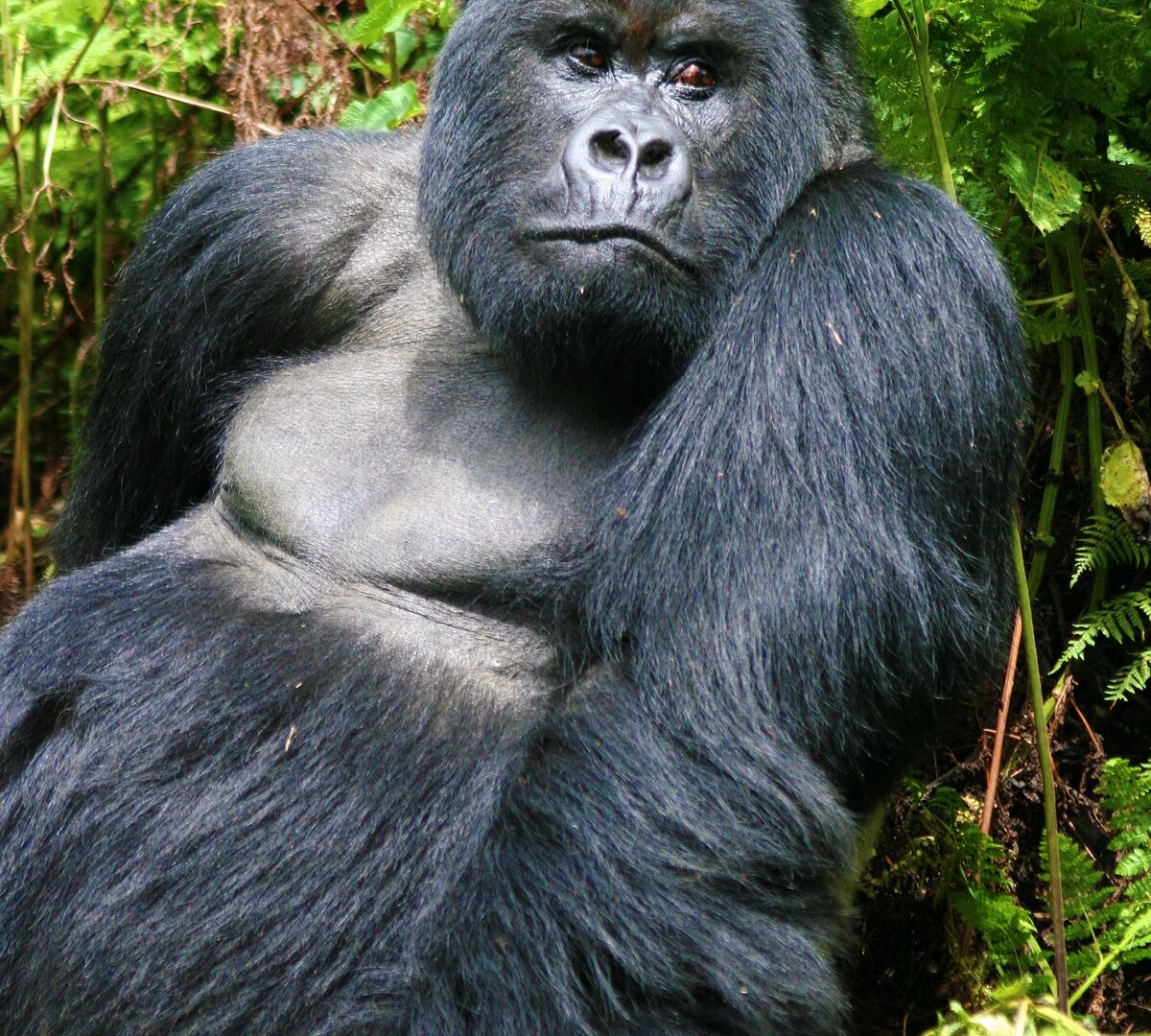
The Current Status of Mountain Gorillas Today
Mountain gorillas are among the most fascinating and beloved animals on Earth. Their intelligence, social behavior, and close relationship with humans have made them one of Africa’s most iconic wildlife species. However, behind their incredible story lies a history of survival, conservation struggles, and hope.
For decades, mountain gorillas faced serious threats that pushed them dangerously close to extinction. Habitat destruction, illegal hunting, human-wildlife conflict, and diseases placed enormous pressure on their survival. Today, however, the story of the mountain gorilla is considered one of the greatest conservation success stories in the world.
The current status of mountain gorillas shows both progress and ongoing challenges. Thanks to strong conservation efforts, protected national parks, scientific research, and responsible tourism, their numbers have slowly increased. Yet these incredible primates remain classified as endangered, meaning continued protection is essential for future generations.
For travelers planning a gorilla trekking experience in Uganda, understanding the journey of these animals makes the encounter even more meaningful. Meeting a gorilla family in the forest is not just a wildlife experience; it is an opportunity to witness decades of conservation work and contribute to protecting one of Earth’s most remarkable species.
Where Are Mountain Gorillas Found Today?
Mountain gorillas exist in only two populations in the world, making them one of the most geographically restricted great apes.
They are found within the forests of the Virunga Massif and the Bwindi Impenetrable Forest ecosystem.
The Virunga Massif is shared between:
- Volcanoes National Park in Rwanda
- Virunga National Park in the Democratic Republic of Congo
- Mgahinga Gorilla National Park in Uganda
The second population is located in:
- Bwindi Impenetrable National Park in Uganda
Uganda plays a very important role in mountain gorilla conservation because Bwindi is home to a significant portion of the world’s remaining mountain gorillas.
The ancient forests of Bwindi provide a protected habitat where gorilla families can feed, reproduce, and live under the monitoring of conservation teams, researchers, and park authorities.
Bwindi Gorilla Families
- Mubare Family
- One of the first habituated gorilla groups in Bwindi.
- Nkuringo Family
- One of the famous groups in the southern sector.
- Habinyanja Family
- Known for its interesting history and social dynamics.
- Oruzogo Family
- Popular because of playful young gorillas.
- Bweza Family
- A frequently visited family in the Rushaga sector.
This connects emotionally with travelers because they realize gorillas have personalities and stories.
For visitors, this makes Uganda one of the best destinations in the world for a mountain gorilla trekking experience.
Mountain Gorilla Population: A Conservation Success Story
One of the most encouraging developments in wildlife conservation is the gradual recovery of mountain gorilla populations.
For many years, mountain gorillas were facing a severe decline. During the 20th century, their population dropped because of habitat loss, hunting, political instability, and other human-related pressures.
Through decades of conservation work, their numbers have increased significantly.
Recent conservation estimates place the total mountain gorilla population at slightly over 1,000 individuals, making them one of the few endangered great apes showing positive population growth.
This recovery did not happen by chance. It is the result of cooperation between governments, conservation organizations, researchers, local communities, and responsible tourism operators.
Unlike many endangered species whose numbers continue declining, mountain gorillas demonstrate that conservation can succeed when people work together.
However, their population remains small compared to many other wildlife species. A population of just over 1,000 individuals still leaves mountain gorillas vulnerable to disease outbreaks, habitat changes, and human pressure.
This means conservation efforts must continue.
Why Are Mountain Gorillas Still Endangered?
Although their population has improved, mountain gorillas remain endangered because they face several ongoing threats.
Habitat Loss and Human Expansion
Mountain gorillas depend on forests for survival. These forests provide food, shelter, and protection.
However, as human populations increase around protected areas, pressure on forest resources also increases. Communities require land for farming, settlement, and other activities, creating challenges between human needs and wildlife conservation.
Protecting gorilla habitats requires cooperation between conservation organizations and local communities.
Many conservation programs now focus on supporting communities living near national parks so that people can benefit from protecting wildlife rather than depending on activities that damage natural habitats.
Disease Transmission
Because mountain gorillas share many biological similarities with humans, they can be affected by some human diseases.
Respiratory illnesses are a particular concern because gorillas live in close social groups, meaning diseases can spread quickly.
This is why visitors participating in gorilla trekking in Uganda must follow strict guidelines, including maintaining distance, avoiding visits when sick, and following park regulations.
These rules are not designed to limit the experience; they are created to protect the long-term survival of gorilla families.
Human-Wildlife Conflict
Communities living near gorilla habitats often depend on the same natural resources that wildlife requires.
When animals move outside protected areas, conflicts can occur.
Conservation programs now focus heavily on community involvement, education, and creating benefits from tourism.
When local people understand that protecting gorillas brings economic opportunities through tourism, they become important partners in conservation.
How Gorilla Tourism Helps Conservation
One of the most important factors supporting mountain gorilla protection today is responsible tourism.
Many travelers wonder how paying for a gorilla permit contributes to conservation. The answer is that gorilla tourism creates funding for several important activities.
Tourism revenue helps support:
- Wildlife protection programs
- Park rangers
- Veterinary monitoring
- Scientific research
- Forest conservation
- Community development projects
Every visitor who participates in a gorilla trekking experience becomes part of the conservation story.
A gorilla trekking permit is not simply a ticket to see wildlife. It represents an investment in protecting one of the world’s most endangered animals.
This is why responsible tourism is considered one of the strongest tools for ensuring mountain gorillas survive into the future.
The Role of Bwindi Impenetrable National Park in Gorilla Conservation
Uganda’s Bwindi Impenetrable National Park is one of the most important places for mountain gorilla protection.
Located in southwestern Uganda, this ancient rainforest provides a unique environment where gorilla families have adapted and survived for generations.
The park is home to several habituated gorilla families that visitors can track through guided trekking experiences.
Beyond tourism, Bwindi supports important research and conservation activities aimed at understanding gorilla behavior, health, reproduction, and habitat needs.
The forest itself is also valuable because it protects thousands of plant species, birds, butterflies, and other wildlife.
Protecting mountain gorillas therefore means protecting an entire ecosystem.
What Does the Future Look Like for Mountain Gorillas?
The future of mountain gorillas is more hopeful today than it has been for decades, but conservation efforts cannot slow down.
The survival of these animals depends on continued cooperation between:
- Governments
- Conservation organizations
- Researchers
- Local communities
- Responsible travelers
Technology is also becoming increasingly important. Scientists are using improved monitoring methods to understand gorilla populations, track health, and protect habitats more effectively.
Education remains another important part of conservation. The more people understand the importance of gorillas, the stronger the global support becomes for protecting them.
The goal is not only increasing numbers but ensuring mountain gorillas have safe habitats where future generations can thrive.
Why Seeing Mountain Gorillas in Uganda Is a Life-Changing Experience
For many travelers, a gorilla trekking adventure becomes one of the most emotional wildlife experiences they ever have.
Unlike viewing animals from a distance, gorilla trekking allows visitors to enter their natural environment and observe their behavior closely.
Watching a silverback protect his family, seeing young gorillas play, or observing mothers caring for their babies creates a powerful connection between humans and wildlife.
However, the experience carries a deeper meaning.
Every trekking experience supports conservation efforts that help protect these incredible animals.
When travelers choose responsible gorilla tourism, they become part of a larger story—the story of saving mountain gorillas for future generations.
Protecting the Future of Mountain Gorillas
The current status of mountain gorillas represents both achievement and responsibility.
Their recovery from the edge of extinction proves that conservation can work when communities, governments, scientists, and travelers unite toward a common goal.
However, mountain gorillas remain endangered, and their future depends on continued protection.
By visiting Uganda, supporting responsible tourism, and learning about these incredible animals, travelers contribute to one of the world’s most important conservation efforts.
A gorilla trekking adventure is not only about seeing wildlife. It is about becoming part of a movement that protects one of Earth’s closest relatives.