






Uganda Border Crossings: Everything You Need to Know Before Entering the Pearl of Africa
When planning a journey to Uganda, most international travelers immediately think about flights, safari destinations, accommodation, and activities such as gorilla trekking or wildlife viewing. However, for travelers exploring East Africa by road or combining multiple countries in one adventure, understanding Uganda Border Crossings is an important part of creating a smooth and enjoyable travel experience.
Uganda is strategically located in the heart of East Africa and shares borders with five countries: Kenya to the east, Rwanda to the southwest, Tanzania to the south, South Sudan to the north, and the Democratic Republic of Congo to the west. This location makes Uganda an excellent destination for travelers who want to experience more than one country during their African adventure.
Many visitors choose to combine Uganda with neighboring destinations because each country offers unique experiences. A traveler may begin with a classic Kenya safari in the Maasai Mara, continue into Uganda for mountain gorilla trekking, explore Rwanda’s beautiful landscapes, or add Tanzania’s famous wildlife destinations to their itinerary.
Because of these connections, Uganda’s border points play an important role in regional tourism. Understanding where these crossings are located, what documents you need, and what to expect during the process helps travelers avoid unnecessary delays and enjoy a more comfortable journey.
For visitors arriving by air, the main entry point is , but those traveling overland often enter Uganda through one of the country’s major land borders. These routes are commonly used by safari travelers, backpackers, regional tourists, and visitors combining different East African destinations.
Before planning your route, it is helpful to understand Uganda as a destination, including its national parks, attractions, climate, and travel requirements.
Understanding Uganda’s Position in East Africa
Uganda’s location makes it one of the most connected countries in the region. Although it is a landlocked country, it remains easily accessible because of its road connections with neighboring nations and its growing aviation links.
The country shares international boundaries with:
Kenya: Located on Uganda’s eastern side, Kenya is one of the most important travel connections because Nairobi serves as a major international gateway for visitors coming to East Africa.
Rwanda: Located southwest of Uganda, Rwanda provides one of the most popular routes for travelers interested in combining gorilla trekking experiences between both countries.
Tanzania: Uganda’s southern border connects travelers with northern Tanzania, allowing regional exploration between destinations around Lake Victoria and beyond.
South Sudan: Uganda’s northern border provides a connection for regional travel, trade, and cultural exchange.
Democratic Republic of Congo: Uganda’s western border connects with one of Africa’s most diverse regions, although travel requires careful planning because conditions vary depending on the area.
For safari travelers, these connections create opportunities to design unique journeys across East Africa. Instead of visiting one country only, many visitors prefer a longer itinerary that combines wildlife, culture, landscapes, and adventure.
For example, a traveler could begin in Kenya, cross into Uganda for Gorilla Trekking in Uganda, continue to Rwanda, and finish their journey with other East African experiences.
Proper planning is essential when creating such itineraries because border procedures, transportation arrangements, and visa requirements must all be considered.
Entering Uganda Through the Kenya Border
The Uganda-Kenya border is one of the busiest and most frequently used international routes in East Africa. Because Kenya is a major tourism destination and home to Nairobi, one of Africa’s largest aviation hubs, many travelers use Kenya as a starting point before continuing to Uganda.
This route is especially popular among visitors planning combined Kenya and Uganda safari experiences.
Travelers may arrive in Nairobi, enjoy a wildlife experience such as the Maasai Mara safari, and then continue toward Uganda by road. This creates an incredible opportunity to experience two of East Africa’s most famous safari destinations in one journey.
The main border points between Uganda and Kenya include Malaba and Busia.
Malaba Border Crossing
The Malaba border crossing is one of the most important entry points between Kenya and Uganda. Located in eastern Uganda, it connects Uganda with western Kenya and serves as a major route for both passenger and commercial transportation.
For travelers, Malaba provides a common route between:
- Nairobi, Kenya
- Eldoret, Kenya
- Jinja, Uganda
- Kampala, Uganda
Many overland travelers use this crossing because of its connection to Uganda’s main road network.
Travelers entering through Malaba should be prepared for normal border procedures, including immigration checks, document verification, and customs requirements.
Having your passport, visa information, and travel documents ready can make the process much faster.
Busia Border Crossing
Another important connection between Kenya and Uganda is the Busia border crossing.
Located near the eastern part of Uganda, Busia is commonly used by travelers moving between western Kenya and Uganda.
This crossing can be convenient for visitors traveling through smaller towns and exploring less crowded routes.
For travelers planning a regional adventure, border crossings like Busia provide flexibility when creating custom itineraries.
However, travelers should always confirm current border requirements before departure because regulations and procedures can change.
Entering Uganda Through the Rwanda Border
The Uganda-Rwanda border is one of the most important routes for travelers exploring East Africa, especially for those interested in mountain gorilla experiences. Because both Uganda and Rwanda are home to endangered mountain gorillas, many visitors combine these two destinations into one unforgettable primate adventure.
For travelers arriving through Rwanda, Kigali International Airport often becomes a convenient gateway because it is relatively close to southwestern Uganda’s gorilla trekking regions. Instead of traveling all the way from Entebbe, some visitors choose to fly into Kigali, cross into Uganda by road, and continue toward destinations such as Bwindi Impenetrable National Park or Mgahinga Gorilla National Park.
This route has become increasingly popular among travelers who want to experience Uganda’s gorillas while also exploring Rwanda’s culture, landscapes, and attractions.
Before choosing this route, travelers should understand the border procedures, required documents, and transportation arrangements needed to make the crossing smooth.
Katuna (Gatuna) Border Crossing
The Katuna border crossing, also known as the Gatuna border on the Rwandan side, is the main and most commonly used crossing between Uganda and Rwanda.
Located in southwestern Uganda near Kabale, this border connects Uganda with northern Rwanda and serves as an important route for tourists, local travelers, and commercial transportation.
For safari travelers, Katuna is particularly important because of its proximity to Uganda’s famous gorilla trekking destinations.
A common travel route is:
Kigali, Rwanda → Katuna Border → Kabale → Bwindi Impenetrable National Park
This route allows visitors to reach Uganda’s gorilla trekking areas without spending long hours traveling from central Uganda.
For travelers planning this type of adventure, understanding the trekking locations and requirements is important.
Cyanika Border Crossing
Another connection between Uganda and Rwanda is the Cyanika border crossing.
Located near Kisoro in southwestern Uganda, Cyanika is another important route for travelers visiting the Virunga region.
This crossing is particularly useful for visitors exploring:
- Mgahinga Gorilla National Park in Uganda
- Volcanoes National Park in Rwanda
- The wider Virunga conservation area
Travelers interested in combining gorilla trekking, golden monkey tracking, and volcanic landscapes often find this route useful.
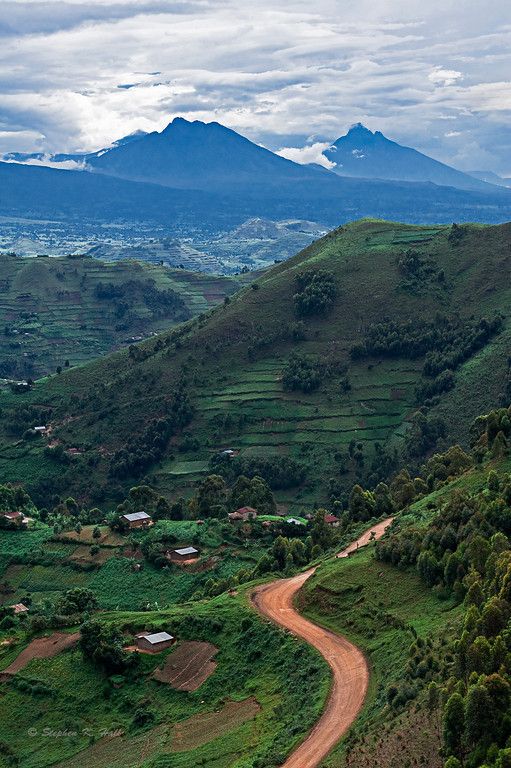
Because this area is mountainous, journey planning is important. Roads can be scenic but winding, and travel times may vary depending on weather conditions.
For visitors planning activities in this region, understanding seasonal conditions is helpful.
Entering Uganda Through the Tanzania Border
Although the Uganda-Tanzania border is not as frequently used by international tourists as the Kenya and Rwanda routes, it provides another important connection for travelers exploring East Africa.
The two countries share a southern border around Lake Victoria, creating opportunities for regional travel and cultural exchange.
Travelers combining Uganda and Tanzania may be interested in experiencing both countries’ unique attractions.
A possible itinerary could include:
- Wildlife viewing in Tanzania
- Exploring Lake Victoria regions
- Uganda safari experiences
- Gorilla trekking adventures
However, travelers should understand that transportation options and road connections between Uganda and Tanzania are more limited compared with routes through Kenya and Rwanda.
Planning is therefore important, especially when connecting safari destinations.
A well-organized itinerary should consider:
- Border location
- Road conditions
- Travel time
- Accommodation
- Immigration requirements
For travelers combining multiple destinations,
Entering Uganda Through the South Sudan Border
Uganda shares a northern border with South Sudan, creating an important connection for regional movement, trade, and cultural exchange.
The main crossing points between Uganda and South Sudan are used primarily by local communities, business travelers, and regional visitors.
While this route is less common among international safari travelers, it offers access to northern Uganda and regions with unique landscapes and cultural experiences.
Northern Uganda is home to destinations such as:
- Kidepo Valley National Park
- Karamoja region
- Cultural communities
Travelers interested in exploring Uganda’s remote wilderness may consider visiting Kidepo Valley National Park, one of the country’s most spectacular but less visited destinations.
However, because northern routes involve longer distances and more remote areas, careful preparation is required.
Visitors planning this type of journey should consider transportation, accommodation availability, and seasonal conditions
Entering Uganda Through the Democratic Republic of Congo Border
Uganda’s western border with the Democratic Republic of Congo creates another connection between two countries with incredible natural landscapes.
The region around this border is known for its biodiversity, forests, mountains, and unique cultural experiences.
Some travelers interested in adventure tourism explore areas connected to the Congo Basin, although border travel requires careful planning due to changing conditions and regional regulations.
For most international tourists, Uganda remains the more accessible base for exploring western attractions such as:
- Bwindi Impenetrable National Park
- Mgahinga Gorilla National Park
- Queen Elizabeth National Park
Travelers considering cross-border adventures involving Congo should always work with experienced operators who understand local conditions and current travel requirements.
Uganda Visa Requirements When Crossing Land Borders
One of the most important things to understand before using is the country’s visa requirements.
Most international travelers require a visa to enter Uganda unless they are from visa-exempt countries.
Travelers are generally expected to have:
- A valid passport
- A visa or approved travel authorization
- Proof of onward travel where required
- Supporting travel documents
Uganda’s visa system allows many travelers to apply online before arrival, making the entry process easier.
Visitors planning regional travel should also consider the East African Tourist Visa.
East African Tourist Visa: A Convenient Option for Multi-Country Travel
For travelers planning to explore more than one East African country, the East African Tourist Visa can be a convenient option.
This visa allows eligible visitors to travel between:
- Uganda
- Kenya
- Rwanda
with one shared travel document.
This is especially useful for travelers creating combination itineraries involving:
- Uganda gorilla trekking
- Kenya wildlife safaris
- Rwanda cultural experiences
Instead of applying separately for multiple visas, eligible travelers can simplify their journey with one regional visa.
However, travelers should confirm the latest requirements before traveling because immigration regulations can change.
Documents You Need When Crossing Uganda Borders
Before starting your journey through Uganda Border Crossings, preparation is one of the most important things that can make your travel experience easier. While border procedures are generally straightforward, having the correct documents ready helps avoid unnecessary delays and allows you to continue your journey smoothly.
International travelers crossing into Uganda by road should normally have a valid passport with enough remaining validity. Immigration officers will check your travel documents before allowing entry into the country.
Some of the important document’s travelers may need include:
- A valid passport
- Uganda visa or approved travel authorization where required
- East African Tourist Visa if traveling through multiple eligible countries
- Yellow fever vaccination certificate where applicable
- Proof of accommodation or travel arrangements
- Return or onward travel information
Requirements can vary depending on nationality, travel purpose, and current regulations, so travelers should always confirm the latest information before departure.
For safari travelers, it is also useful to keep copies of important documents, including passport details, insurance information, and safari booking confirmations.
Good preparation is especially important when combining multiple East African destinations. A traveler moving from Kenya to Uganda, or Uganda to Rwanda, should understand the requirements for each country rather than assuming the same rules apply everywhere.
What to Expect at Uganda Border Crossings
For first-time visitors, crossing an international border by road can feel unfamiliar. However, the process is usually simple when travelers are prepared.
When arriving at a Uganda border point, the process generally involves several steps.
First, travelers proceed to immigration where passports and entry documents are checked. Immigration officials may ask basic questions about your visit, such as:
- Why are you visiting Uganda?
- How long will you stay?
- Where will you be staying?
- What activities will you participate in?
For safari travelers, explaining that you are visiting Uganda for tourism and providing your safari itinerary can make the process easier.
After immigration approval, travelers may proceed through customs checks. This involves declaring items where necessary and following regulations regarding goods entering the country.
For visitors traveling with a safari company, the driver-guide usually assists with the process and ensures everything goes smoothly.
This is one advantage of using an experienced tour operator. Professional guides understand border procedures, know the required documents, and can help travelers navigate the process comfortably.
Crossing Uganda Borders With a Safari Vehicle
Many travelers entering Uganda by road do so as part of an organized safari. Whether arriving from Kenya, Rwanda, or another neighboring country, transportation arrangements are an important part of the journey.
Safari vehicles used for cross-border travel must meet specific requirements, and experienced operators understand the procedures involved.
Travelers should confirm before departure:
- Whether the vehicle is permitted to cross borders
- Whether additional fees apply
- Whether the same driver will continue the journey
- How transportation arrangements work after crossing
For example, a traveler arriving from Rwanda for a Uganda gorilla trekking adventure may cross at Katuna or Cyanika before continuing to their lodge near Bwindi.
A well-planned transfer ensures that the border crossing becomes a smooth part of the adventure rather than a stressful experience.
This is especially important for travelers with activities scheduled soon after arrival. Gorilla trekking, chimpanzee tracking, and wildlife activities often begin early in the morning, so timing your border crossing correctly is essential.
Best Border Routes for Safari Travelers
The best Uganda border crossing depends on where you are coming from and what experiences you want to enjoy.
For travelers combining Kenya and Uganda, the Kenya border is usually the most practical option. Visitors often combine Kenya’s famous wildlife destinations with Uganda’s forests and primate experiences.
A popular route is:
Kenya → Uganda → Gorilla Trekking → Wildlife Safari
This allows travelers to experience different landscapes and wildlife environments across East Africa.
For travelers combining Rwanda and Uganda, the Rwanda border is often the preferred choice. The shorter distance between Kigali and southwestern Uganda makes this route especially convenient for gorilla trekking.
A common route is:
Kigali → Uganda Border → Bwindi Impenetrable National Park
For visitors interested in remote adventures, northern routes connecting Uganda with South Sudan provide access toward areas such as Kidepo Valley National Park.
However, these routes require more detailed planning because of longer distances and fewer tourist facilities.
Choosing the right route depends on your travel goals, budget, available time, and preferred experiences.
Safety Tips When Using Uganda Border Crossings
Although thousands of travelers cross Uganda’s borders every year without problems, taking simple precautions helps create a safer and more comfortable experience.
One important tip is to use official border points only. Avoid unofficial crossings because they may create unnecessary risks and complications.
Travelers should also keep important documents secure throughout the journey. Your passport, visa information, and personal belongings should always remain protected.
It is also recommended to travel during reasonable daytime hours whenever possible. This allows more comfortable movement, easier access to assistance, and better visibility during road journeys.
When traveling with a safari company, choosing an experienced operator provides additional peace of mind because professional guides understand local conditions and travel routes.
Travelers should also stay informed about weather conditions, especially when using remote routes. Heavy rains can sometimes affect road conditions in certain areas.
Understanding Uganda’s climate before traveling can help you prepare better.
Frequently Asked Questions About Uganda Border Crossings
Can tourists enter Uganda by road?
Yes. Many travelers enter Uganda by road from neighboring countries including Kenya and Rwanda. Road entry is especially common among East African travelers and visitors combining multiple countries.
Which is the busiest Uganda border crossing?
The Malaba and Busia crossings with Kenya are among the busiest routes because of their importance for regional travel and trade.
Can I cross from Rwanda into Uganda for gorilla trekking?
Yes. Many travelers use Rwanda-Uganda border crossings to reach Uganda’s gorilla trekking destinations, especially Bwindi Impenetrable National Park.
Do I need a visa to enter Uganda by land?
Visa requirements depend on your nationality. Many travelers need a visa, while some may qualify for exemptions or regional visa options.
Can I use the East African Tourist Visa to enter Uganda?
Eligible travelers can use the East African Tourist Visa when visiting Uganda, Kenya, and Rwanda under the conditions provided by immigration authorities.
Is crossing Uganda borders safe for tourists?
Most tourist border crossings are regularly used by visitors. Using official crossing points and working with reliable transportation providers helps ensure a smooth experience.
Plan Your Uganda Adventure with Confidence
Understanding Uganda Border Crossings gives travelers the confidence to explore the Pearl of Africa with better preparation and fewer uncertainties.
Whether you are entering Uganda from Kenya after a classic savannah safari, arriving from Rwanda for a mountain gorilla adventure, or creating a wider East African journey, knowing the right routes and requirements makes your experience much smoother.
Uganda’s location makes it possible to combine incredible experiences across the region. From standing among mountain gorillas in ancient forests to watching wildlife across vast savannah landscapes, every journey into Uganda offers something unforgettable.
At Adventure in the wild safari, we help travelers plan complete Uganda safari experiences, including border transfers, transportation, accommodation, and customized itineraries designed around their interests.
Whether you are planning a short gorilla adventure, a wildlife safari, or a multi-country East African journey, our team can help you create a smooth and memorable experience.