









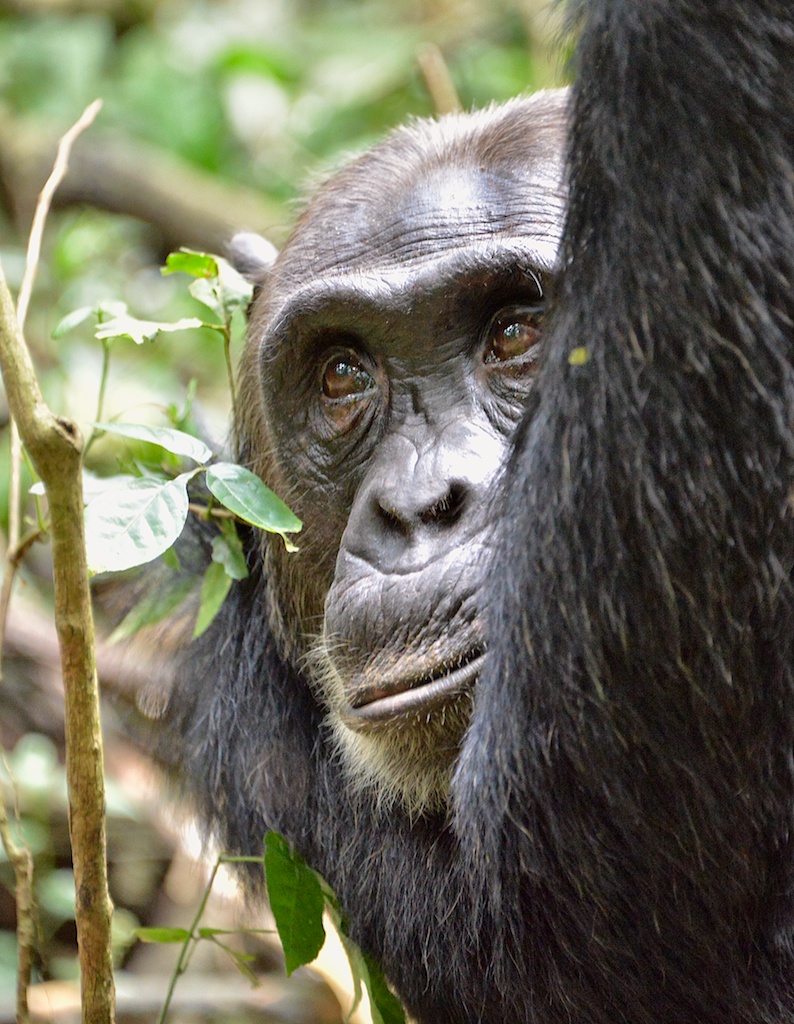
Chimpanzee Trekking in Uganda: The essential guide.
Deep within Uganda’s ancient tropical forests lies a world filled with fascinating sounds, mysterious movements, and unforgettable wildlife encounters. As sunlight filters through towering trees and echoes of chimpanzee calls travel across the forest canopy, visitors begin a journey with chimpanzee trekking Uganda unlike any other safari experience.
Chimpanzee Trekking Uganda offers travelers the rare opportunity to step into the natural home of one of the closest relatives to humans and witness their lives in the wild.
Unlike traditional wildlife safaris where animals are observed from a vehicle across open savannahs, chimpanzee trekking takes you deep into the forest on foot. Guided by experienced trackers who understand the behavior and movements of chimpanzee communities, visitors follow the hidden trails of the forest until they finally meet these intelligent primates.
The experience is not only about seeing chimpanzees. It is about understanding them.
Watching a chimpanzee family communicate, care for their young, search for food, and interact socially creates a powerful connection between visitors and the natural world.
Uganda has become one of Africa’s leading destinations for chimpanzee experiences because of its rich forests, successful conservation programs, and commitment to protecting these incredible animals.
For travelers searching for a meaningful wildlife adventure beyond the traditional safari, chimpanzee trekking in Uganda offers an experience filled with discovery, emotion, and unforgettable memories.
Why Uganda Is One of the Best Places for Chimpanzee Trekking
Uganda is widely recognized as one of Africa’s greatest primate destinations. While the country is famous worldwide for its mountain gorillas, it is also home to some of the best chimpanzee habitats on the continent.
The country’s unique geography creates perfect environments for chimpanzees. From ancient rainforests to protected reserves, Uganda provides safe habitats where chimpanzee communities can survive and thrive.
One of the biggest reasons travelers choose Uganda is the diversity of chimpanzee experiences available. Unlike some destinations where options are limited, Uganda offers several locations where visitors can encounter chimpanzees in different environments.
The most famous destination is , often referred to as the Primate Capital of the World.
Located in western Uganda, Kibale protects one of Africa’s most important rainforest ecosystems and is home to one of the highest concentrations of primates anywhere on the continent.
The forest is especially famous for its chimpanzee population, making it the leading destination for travelers planning a chimpanzee safari in Uganda.
A visit to Kibale is not only about chimpanzees. The forest is alive with biodiversity, offering opportunities to encounter other primates, colorful birds, butterflies, and unique forest vegetation.
For travelers combining chimpanzee trekking with other Uganda adventures, Kibale fits perfectly into itineraries that include Queen Elizabeth National Park, Bwindi Impenetrable National Park, and Murchison Falls National Park.
Exploring Uganda’s Top Chimpanzee Destinations
Although Kibale receives the most attention, Uganda offers several incredible places to experience chimpanzees.
Each destination provides a different atmosphere and connects visitors with nature in a unique way.
Kibale National Park: Uganda’s Primate Paradise
Kibale National Park is considered the best destination for chimpanzee trekking in Uganda because of its large chimpanzee population and high success rate of sightings.
The experience begins early in the morning with a briefing before entering the forest. As you walk beneath the thick green canopy, the sounds of the rainforest surround you. Birds call from the trees, leaves move with the forest breeze, and somewhere in the distance, chimpanzees communicate with powerful calls.
The excitement builds as trackers locate the chimpanzee community.
Once found, visitors can observe these incredible animals as they move naturally through their environment.
You may see them climbing trees, feeding, grooming each other, or interacting within their family groups.
What makes Kibale special is the feeling of being completely surrounded by nature. The forest creates an atmosphere where every sound and movement becomes part of the adventure.
Budongo Forest: Chimpanzees Near Murchison Falls
Another remarkable destination for chimpanzee tracking is Budongo Forest Reserve, located near Murchison Falls National Park.
This makes Budongo a perfect addition for travelers who want to combine primates with classic African safari experiences.
After enjoying game drives searching for elephants, lions, giraffes, and buffaloes in Murchison Falls, visitors can enter the peaceful world of Budongo Forest to search for chimpanzees.
The contrast between open savannah and dense rainforest creates a unique safari experience.
One day you may be watching elephants along the Nile River, and the next day you may be walking beneath ancient trees listening for chimpanzee calls.
Kyambura Gorge: The Underground Forest Experience
Inside Queen Elizabeth National Park lies one of Uganda’s most unique chimpanzee destinations Kyambura Gorge.
Often called the “Valley of Apes,” this dramatic landscape features a deep gorge covered with lush vegetation.
The trek here feels different from other chimpanzee experiences because visitors descend into a natural forest corridor surrounded by the open savannah of Queen Elizabeth National Park.
The possibility of combining chimpanzee tracking with wildlife viewing makes Kyambura a popular choice for travelers exploring western Uganda.
A day can begin with chimpanzee tracking and end with a sunset game drive searching for lions, elephants, and other wildlife
What Makes Chimpanzee Trekking Different from Other Wildlife Experiences?
The magic of chimpanzee trekking comes from the personal connection created during the encounter.
When watching elephants or lions during a game drive, visitors admire their strength and beauty. But chimpanzees offer something different—they display behaviors that feel remarkably familiar.
They form strong family relationships.
They communicate.
They show emotions.
They learn from each other.
Scientists have studied chimpanzees for decades because their intelligence and social behavior provide important insights into human evolution.
During a trek, visitors may witness moments that feel surprisingly human, such as mothers caring for their young, individuals supporting each other, or groups working together.
This emotional connection is what makes chimpanzee trekking such a powerful experience.
The Best Time for Chimpanzee Trekking in Uganda
One of the most common questions travelers ask when planning a is the best time to visit.
The good news is that chimpanzee trekking is possible throughout the year because chimpanzees live in Uganda’s protected forests permanently. Unlike some wildlife experiences that depend heavily on seasonal animal movements, chimpanzee encounters are available in every season.
However, different times of the year offer different experiences, and understanding Uganda’s seasons can help travelers choose the period that best matches their interests.
The dry seasons, which usually occur from June to September and December to February, are considered some of the most popular periods for chimpanzee trekking.
During these months, forest trails are generally easier to navigate because there is less rainfall. The walking conditions are more comfortable, especially in areas where trails can become muddy during wetter months.
For first-time visitors, older travelers, and photographers carrying equipment, the dry seasons often provide a more convenient trekking experience.
However, the rainy seasons should not be overlooked.
From March to May and October to November, Uganda’s forests become incredibly green and vibrant. The increased rainfall supports fresh vegetation, creating beautiful scenery and excellent photography opportunities.
During these months, forests such as Kibale and Budongo become even more alive with bird activity, butterflies, and lush plant growth.
Another advantage of traveling during the wetter seasons is fewer visitors. Travelers who prefer a quieter forest experience may appreciate the peaceful atmosphere that comes with lower tourist numbers.
Ultimately, the best time for chimpanzee trekking in Uganda depends on what kind of experience you are looking for.
Whether you visit during the dry season or the rainy season, the magic remains the same—the opportunity to step into the forest and meet chimpanzees in their natural home.
Understanding Chimpanzee Trekking Permits in Uganda
Before entering Uganda’s forests in search of chimpanzees, visitors need a chimpanzee trekking permit.
A chimpanzee permit allows travelers to participate in guided chimpanzee tracking activities within protected areas.
The permit system plays an important role in conservation because the money generated helps support:
- Forest protection
- Wildlife monitoring
- Research programs
- Ranger activities
- Community conservation projects
When visitors pay for a chimpanzee trekking experience, they are not simply paying for an adventure—they are contributing to the protection of Uganda’s natural heritage.
Permit prices vary depending on the location and type of experience.
For example, chimpanzee trekking in Kibale National Park is one of the most popular experiences and is priced differently from experiences in places such as Budongo Forest or other reserves.
| Visitor Category | Kibale Chimpanzee Trekking Permit |
|---|---|
| Foreign Non-Residents | USD 250 per person |
| Foreign Residents | USD 200 per person |
| East African Citizens | UGX 180,000 per person |
| Experience | Approximate Cost |
|---|---|
| Budongo Chimpanzee Habituation Experience | USD 230–250 |
Travelers interested in a more immersive experience can also choose the chimpanzee habituation experience, where they spend more time observing chimpanzee communities that are gradually becoming familiar with human presence.
This experience is especially popular among wildlife photographers, researchers, and travelers who want a deeper understanding of chimpanzee behavior.
Because chimpanzee permits are limited, especially during busy travel seasons, early booking is recommended.
A professional safari company can help organize:
- Permit reservations
- Transport
- Accommodation
- Park activities
- Complete safari planning
What Happens During a Chimpanzee Trekking Experience?
Many travelers imagine chimpanzee trekking as simply walking into the forest and immediately finding chimpanzees. However, the real experience is much more fascinating.
The adventure begins early in the morning when visitors arrive at the park headquarters for a briefing.
Experienced guides explain forest rules, chimpanzee behavior, and safety guidelines. Visitors are introduced to the trackers who have been monitoring chimpanzee movements and understanding their locations.
After the briefing, the journey begins.
Walking into the forest feels like entering another world.
The sounds of the outside world slowly disappear as the trees become taller and the vegetation becomes thicker. Every step reveals something new—from colorful birds flying between branches to small creatures moving through the forest floor.
Guides use their knowledge of the environment to interpret signs left behind by chimpanzees.
They look for:
- Feeding remains
- Nesting areas
- Footprints
- Fresh movement signs
- Chimpanzee calls
The forest is full of clues, and experienced trackers understand how to read them.
Then comes the moment every traveler waits for—the first sighting.
Hearing chimpanzees before seeing them is often one of the most exciting parts. Their loud calls can travel across the forest, creating a feeling of anticipation as visitors move closer.
When the chimpanzees finally appear, the experience becomes unforgettable.
You may see them resting high in trees, moving between branches, feeding on fruits, grooming each other, or interacting within their social groups.
Unlike a staged wildlife encounter, these are wild animals following their natural routines.
Every visit is different.
One day the chimpanzees may be active and moving throughout the forest. Another day they may be relaxed, spending more time feeding or resting.
This unpredictability is what makes every trek special.
How Difficult Is Chimpanzee Trekking in Uganda?
A common concern among travelers is whether chimpanzee trekking requires advanced fitness.
The answer depends on the location and the movement of the chimpanzees on that particular day.
Some treks are relatively easy, involving shorter walks through accessible forest trails. Others may require more effort, especially when chimpanzee communities move deeper into the forest.
Kibale National Park, for example, generally offers manageable trekking conditions compared to some other primate destinations.
However, visitors should still prepare for:
- Walking several hours
- Uneven forest paths
- Humid conditions
- Occasional muddy trails
- Changing weather
A moderate level of fitness is recommended.
Simple preparation such as walking regularly before your safari can make the experience much more enjoyable.
The goal is not speed.
Chimpanzee trekking is about patience, exploration, and enjoying the journey through one of Africa’s most beautiful ecosystems.
What Should You Pack for Chimpanzee Trekking?
Packing correctly can greatly improve your comfort during the forest experience.
The tropical rainforest environment can change quickly, so travelers should come prepared.
Comfortable hiking shoes are among the most important items because forest trails may be slippery, uneven, or muddy.
Lightweight long-sleeved clothing is also recommended because it helps protect against vegetation and insects while keeping you comfortable during the walk.
A rain jacket is essential because tropical forests can experience sudden rainfall even during dry seasons.
Travelers should also carry:
- Drinking water
- Snacks
- Camera equipment
- Extra batteries
- Insect repellent
- Small backpack
- Sunglasses
- Personal medication
A camera is especially valuable because chimpanzee encounters often create incredible photography opportunities.
However, visitors should always remember that the experience comes first. Sometimes the most powerful memories are created by simply observing rather than trying to capture every moment.
Chimpanzee Trekking vs Gorilla Trekking in Uganda
Uganda offers two of Africa’s most famous primate experiences: chimpanzee trekking and gorilla trekking.
While both involve walking through forests to observe great apes, the experiences are very different.
Gorilla trekking takes visitors into the mountain forests of Bwindi Impenetrable National Park or Mgahinga Gorilla National Park to encounter mountain gorillas.
The experience is often described as emotional because of the calm and powerful presence of these massive animals.
Chimpanzee trekking, on the other hand, offers a more energetic experience.
Chimpanzees are highly active, social, and constantly communicating. Visitors may witness dramatic movements through trees, loud vocal interactions, and playful behavior.
Many travelers choose to experience both.
Combining gorilla trekking and chimpanzee trekking creates one of the most complete primate adventures in Africa.
A safari that includes:
- Kibale Forest for chimpanzees
- Bwindi for mountain gorillas
- Queen Elizabeth for wildlife
- Murchison Falls for classic safari experiences
offers travelers a complete journey through Uganda’s natural wonders.
The Best Time for Chimpanzee Trekking in Uganda
One of the most common questions travelers ask when planning a chimpanzee trekking safari in Uganda is the best time to visit.
The good news is that chimpanzee trekking is possible throughout the year because chimpanzees live in Uganda’s protected forests permanently. Unlike some wildlife experiences that depend heavily on seasonal animal movements, chimpanzee encounters are available in every season.
However, different times of the year offer different experiences, and understanding Uganda’s seasons can help travelers choose the period that best matches their interests.
The dry seasons, which usually occur from June to September and December to February, are considered some of the most popular periods for chimpanzee trekking.
During these months, forest trails are generally easier to navigate because there is less rainfall. The walking conditions are more comfortable, especially in areas where trails can become muddy during wetter months.
For first-time visitors, older travelers, and photographers carrying equipment, the dry seasons often provide a more convenient trekking experience.
However, the rainy seasons should not be overlooked.
From March to May and October to November, Uganda’s forests become incredibly green and vibrant. The increased rainfall supports fresh vegetation, creating beautiful scenery and excellent photography opportunities.
During these months, forests such as Kibale and Budongo become even more alive with bird activity, butterflies, and lush plant growth.
Another advantage of traveling during the wetter seasons is fewer visitors. Travelers who prefer a quieter forest experience may appreciate the peaceful atmosphere that comes with lower tourist numbers.
Ultimately, the best time for chimpanzee trekking in Uganda depends on what kind of experience you are looking for.
Whether you visit during the dry season or the rainy season, the magic remains the same—the opportunity to step into the forest and meet chimpanzees in their natural home.
Understanding Chimpanzee Trekking Permits in Uganda
Before entering Uganda’s forests in search of chimpanzees, visitors need a chimpanzee trekking permit.
A chimpanzee permit allows travelers to participate in guided chimpanzee tracking activities within protected areas.
The permit system plays an important role in conservation because the money generated helps support:
- Forest protection
- Wildlife monitoring
- Research programs
- Ranger activities
- Community conservation projects
When visitors pay for a chimpanzee trekking experience, they are not simply paying for an adventure—they are contributing to the protection of Uganda’s natural heritage.
Permit prices vary depending on the location and type of experience.
For example, chimpanzee trekking in Kibale National Park is one of the most popular experiences and is priced differently from experiences in places such as Budongo Forest or other reserves.
Travelers interested in a more immersive experience can also choose the chimpanzee habituation experience, where they spend more time observing chimpanzee communities that are gradually becoming familiar with human presence.
This experience is especially popular among wildlife photographers, researchers, and travelers who want a deeper understanding of chimpanzee behavior.
Because chimpanzee permits are limited, especially during busy travel seasons, early booking is recommended.
A professional safari company can help organize:
- Permit reservations
- Transport
- Accommodation
- Park activities
- Complete safari planning
What Happens During a Chimpanzee Trekking Experience?
Many travelers imagine chimpanzee trekking as simply walking into the forest and immediately finding chimpanzees. However, the real experience is much more fascinating.
The adventure begins early in the morning when visitors arrive at the park headquarters for a briefing.
Experienced guides explain forest rules, chimpanzee behavior, and safety guidelines. Visitors are introduced to the trackers who have been monitoring chimpanzee movements and understanding their locations.
After the briefing, the journey begins.
Walking into the forest feels like entering another world.
The sounds of the outside world slowly disappear as the trees become taller and the vegetation becomes thicker. Every step reveals something new—from colorful birds flying between branches to small creatures moving through the forest floor.
Guides use their knowledge of the environment to interpret signs left behind by chimpanzees.
They look for:
- Feeding remains
- Nesting areas
- Footprints
- Fresh movement signs
- Chimpanzee calls
The forest is full of clues, and experienced trackers understand how to read them.
Then comes the moment every traveler waits for—the first sighting.
Hearing chimpanzees before seeing them is often one of the most exciting parts. Their loud calls can travel across the forest, creating a feeling of anticipation as visitors move closer.
When the chimpanzees finally appear, the experience becomes unforgettable.
You may see them resting high in trees, moving between branches, feeding on fruits, grooming each other, or interacting within their social groups.
Unlike a staged wildlife encounter, these are wild animals following their natural routines.
Every visit is different.
One day the chimpanzees may be active and moving throughout the forest. Another day they may be relaxed, spending more time feeding or resting.
This unpredictability is what makes every trek special.
What Should You Pack for Chimpanzee Trekking?
Packing correctly can greatly improve your comfort during the forest experience.
The tropical rainforest environment can change quickly, so travelers should come prepared.
Comfortable hiking shoes are among the most important items because forest trails may be slippery, uneven, or muddy.
Lightweight long-sleeved clothing is also recommended because it helps protect against vegetation and insects while keeping you comfortable during the walk.
A rain jacket is essential because tropical forests can experience sudden rainfall even during dry seasons.
Travelers should also carry:
- Drinking water
- Snacks
- Camera equipment
- Extra batteries
- Insect repellent
- Small backpack
- Sunglasses
- Personal medication
A camera is especially valuable because chimpanzee encounters often create incredible photography opportunities.
However, visitors should always remember that the experience comes first. Sometimes the most powerful memories are created by simply observing rather than trying to capture every moment.
Chimpanzee Trekking vs Gorilla Trekking in Uganda
Uganda offers two of Africa’s most famous primate experiences: chimpanzee trekking and gorilla trekking.
While both involve walking through forests to observe great apes, the experiences are very different.
Gorilla trekking takes visitors into the mountain forests of Bwindi Impenetrable National Park or Mgahinga Gorilla National Park to encounter mountain gorillas.
The experience is often described as emotional because of the calm and powerful presence of these massive animals.
Chimpanzee trekking, on the other hand, offers a more energetic experience.
Chimpanzees are highly active, social, and constantly communicating. Visitors may witness dramatic movements through trees, loud vocal interactions, and playful behavior.
Many travelers choose to experience both.
Combining gorilla trekking and chimpanzee trekking creates one of the most complete primate adventures in Africa.
A safari that includes:
- Kibale Forest for chimpanzees
- Bwindi for mountain gorillas
- Queen Elizabeth for wildlife
- Murchison Falls for classic safari experiences
A journey into Uganda’s forests is more than a wildlife adventure. It is an opportunity to connect with one of the most intelligent and fascinating species on the planet.
Chimpanzee Trekking in Uganda allows travelers to witness moments that feel both wild and familiar the laughter-like calls of chimpanzees, the bond between mothers and infants, the cooperation within communities, and the incredible intelligence that makes these animals so special.
From the ancient forests of Kibale to the peaceful trails of Budongo and the dramatic landscapes of Kyambura Gorge, every destination offers a unique window into the lives of chimpanzees.
Whether you are planning your first African safari, combining primate experiences with gorilla trekking, or searching for a deeper connection with nature, Uganda provides an unforgettable journey.
The forest is waiting.
The chimpanzees are calling.
Your adventure begins here.