







Overview
Budongo Forest Reserve – Travel Overview
Budongo Forest Reserve is one of Uganda’s most important tropical forests and one of the country’s best destinations for travelers interested in chimpanzee tracking, primates, bird watching, forest walks and nature experiences.
Located in western Uganda, south of Murchison Falls National Park, Budongo forms part of the larger Murchison Falls conservation landscape. The forest is particularly famous for its population of wild chimpanzees, making it an excellent destination for travelers who want to experience Uganda’s primates in their natural forest environment.
But chimpanzees are not the only attraction.
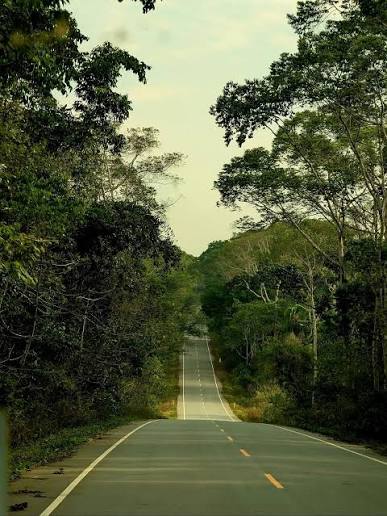
The forest supports a remarkable diversity of trees, birds, monkeys, butterflies and other forest wildlife. Its enormous trees create a completely different environment from the open savannah of Murchison Falls National Park.
This makes Budongo especially valuable when combined with a traditional wildlife safari.
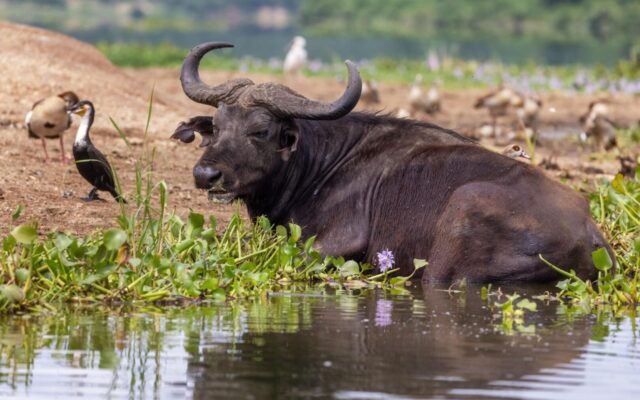
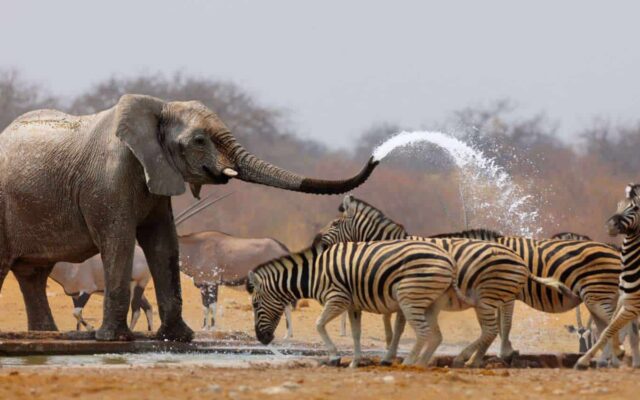
A traveler can spend one day watching elephants, giraffes, lions and buffaloes across the savannah and then enter the forest the following morning to track chimpanzees beneath a dense canopy.
That contrast is one of the strongest reasons to include Budongo Forest Reserve in a Uganda itinerary.
Where Is Budongo Forest Reserve?
Budongo Forest Reserve is located in northwestern Uganda, south of Murchison Falls National Park.
The forest lies within the wider Murchison Falls Conservation Area and is accessible from the southern side of the national park.
Its location makes it particularly convenient to combine with:
- Murchison Falls National Park
- Ziwa Rhino Sanctuary
- Kibale National Park
- Hoima
- Albertine Rift destinations
Travelers visiting Murchison Falls can therefore add Budongo without having to completely change their safari route.
Why Is Budongo Forest Famous?
Budongo is primarily known for its chimpanzees and ancient tropical forest.
The reserve contains large areas of natural forest and provides habitat for numerous species.
Its major attractions include:
- Chimpanzee tracking
- Chimpanzee habituation experiences
- Forest walks
- Bird watching
- Monkey viewing
- Tree identification
- Nature photography
- Conservation experiences
For primate enthusiasts, Budongo offers an alternative to Uganda’s better-known Kibale National Park.
Chimpanzee Tracking in Budongo Forest
Chimpanzee tracking is the primary reason many travelers visit Budongo.
Unlike a traditional game drive, chimpanzee tracking takes place on foot beneath the forest canopy.
Visitors walk through the forest with trained guides and trackers searching for chimpanzee groups.
The experience can involve:
- Walking along forest trails
- Searching for chimpanzees
- Listening for calls
- Observing feeding behavior
- Watching social interactions
- Photographing chimpanzees
- Learning about forest ecology
Chimpanzees are wild animals, so sightings cannot be guaranteed.
However, experienced trackers increase the chances of locating habituated groups.
What Is a Chimpanzee Tracking Experience Like?
A typical tracking experience begins with a briefing before visitors enter the forest.
Once inside, guides and trackers look for signs indicating where chimpanzees may have moved.
These can include:
- Vocalizations
- Fresh nests
- Feeding remains
- Droppings
- Broken branches
- Footprints
- Movement through the canopy
The search itself becomes part of the adventure.
When chimpanzees are located, visitors can observe them from a respectful distance while the guide explains their behavior and social structure.
Chimpanzee Habituation Experience
Travelers looking for a longer and more immersive primate experience may consider a chimpanzee habituation experience, where available and subject to current conservation arrangements.
Habituation involves gradually introducing wild chimpanzees to the presence of humans so researchers and visitors can observe them without significantly altering their natural behavior.
Compared with ordinary tracking, a habituation experience can provide more time in the forest and greater opportunities to observe behavioral details.
This may be particularly attractive to:
- Wildlife photographers
- Researchers
- Primatologists
- Serious birders
- Wildlife enthusiasts
Primates of Budongo Forest
Budongo is home to several primate species.
Depending on the area and conditions, travelers may encounter:
- Chimpanzees
- Red-tailed monkeys
- Blue monkeys
- Black-and-white colobus monkeys
- Olive baboons
- L’Hoest’s monkeys
- Other forest primates
Seeing several species during one forest walk can make the experience particularly rewarding.
Unlike a savannah game drive, however, forest wildlife can be difficult to spot because dense vegetation provides plenty of cover.
This is one reason experienced guides are so important.
Bird Watching in Budongo Forest
Budongo is also an important destination for bird enthusiasts.
The forest environment supports numerous forest bird species, making it particularly attractive to travelers interested in Uganda’s Albertine and central African forest birdlife.
Potential sightings may include:
- Great blue turacos
- African grey parrots
- Hornbills
- Barbets
- Kingfishers
- Flycatchers
- Sunbirds
- Forest weavers
- Raptors
Some species can be difficult to see beneath the canopy, but experienced birding guides can identify birds from their calls.
For serious birders, Budongo can be an excellent extension to a Murchison Falls safari.
Budongo Forest Walks
Not every visitor needs to participate in chimpanzee tracking.
Forest walks can provide a broader introduction to the ecosystem.
A guided walk can focus on:
- Trees
- Medicinal plants
- Birds
- Butterflies
- Primates
- Forest ecology
- Conservation
Walking beneath the canopy provides a completely different experience from exploring Uganda’s open savannah.
The forest is cooler, darker and quieter, with the sounds of birds and monkeys often replacing the distant calls of savannah wildlife.
The Trees of Budongo Forest
Budongo is particularly important for its impressive forest trees.
Some trees grow to considerable heights, creating a dense canopy that forms the foundation of the forest ecosystem.
The trees provide:
- Food
- Shelter
- Nesting sites
- Travel routes
- Shade
for numerous species.
For travelers interested in botany or ecology, a guided forest walk can therefore be much more informative than simply searching for animals.
Butterflies and Smaller Wildlife
The forest also supports a variety of smaller creatures.
Depending on conditions, visitors may encounter:
- Butterflies
- Moths
- Reptiles
- Frogs
- Insects
- Forest rodents
Although these animals are often overlooked, they are essential parts of the forest ecosystem.
Photography enthusiasts can find plenty to photograph even when larger wildlife remains hidden.
Budongo and the Albertine Rift
Budongo is part of Uganda’s wider Albertine Rift landscape, one of Africa’s important regions for biodiversity.
The Albertine Rift contains numerous forests and mountain ecosystems with high levels of species diversity and endemism.
Budongo therefore has importance beyond tourism.
Protecting the forest helps preserve:
- Wildlife habitat
- Plant diversity
- Water systems
- Carbon storage
- Local livelihoods
- Scientific research opportunities
This conservation importance makes responsible tourism particularly valuable.
Budongo Forest and Conservation
Budongo has a long history of forest research and conservation.
Researchers have studied chimpanzees, forest ecology, tree species and other aspects of the ecosystem.
Tourism can contribute to conservation by generating income and increasing awareness of the importance of protecting natural forests.
Visitors should follow guide instructions and avoid disturbing wildlife or damaging vegetation.
Budongo and Murchison Falls National Park
This is one of the strongest combinations for a Uganda safari.
Murchison Falls provides the classic savannah experience:
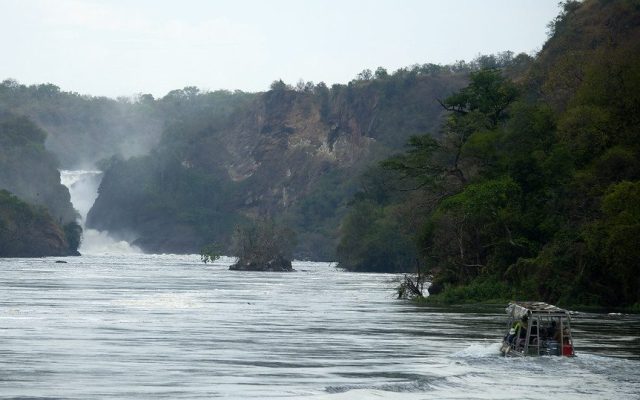
Lions + elephants + giraffes + buffaloes + hippos + crocodiles + Nile scenery
Budongo provides the forest experience:
Chimpanzees + monkeys + birds + trees + hiking
Together, they create a much more diverse safari.
A traveler could spend the morning tracking chimpanzees and later enjoy a game drive through Murchison Falls National Park.
Budongo and Ziwa Rhino Sanctuary
Budongo can also be combined with Ziwa Rhino Sanctuary, especially on itineraries traveling between Kampala and Murchison Falls.
This creates an excellent wildlife sequence:
Ziwa Rhino Sanctuary → Budongo Forest → Murchison Falls
Travelers can experience rhino tracking before moving into the forest for chimpanzees and then continuing to the savannah for traditional game viewing.
Budongo and Kibale National Park
Travelers interested heavily in primates may also combine Budongo with Kibale National Park.
Both destinations provide chimpanzee experiences, but their settings can make the journeys feel different.
Kibale is one of Uganda’s best-known primate destinations, while Budongo provides an opportunity to explore the forests associated with the Murchison Falls landscape.
A longer primate itinerary can therefore include both.
Accommodation Near Budongo Forest
Accommodation options vary according to where you stay and the type of safari you are planning.
Budget Accommodation
Budget travelers can find:
- Campsites
- Basic guesthouses
- Simple safari camps
- Budget lodges
These are suitable for travelers prioritizing forest and wildlife activities over luxury.
Mid-Range Accommodation
Mid-range options may provide:
- Comfortable cottages
- Private rooms
- Restaurants
- Gardens
- Forest or savannah views
These are particularly suitable for standard Uganda safari packages.
Luxury Accommodation
Luxury travelers can stay at upscale safari lodges in or around the wider Murchison Falls area.
These properties may offer:
- Spacious cottages
- Private verandas
- En-suite rooms
- Scenic views
- Swimming pools
- Quality dining
- Guided activities
Staying in the wider Murchison Falls area allows travelers to combine Budongo with game drives and Nile activities.
How Many Days Do You Need for Budongo?
Most visitors can experience Budongo as part of a one- or two-day program.
One Day
A short visit can focus on:
- Chimpanzee tracking
- Forest walk
- Birding
Two Days
Two days provide more flexibility for:
- Chimpanzee tracking
- Forest walks
- Birding
- Photography
- Cultural experiences
- Relaxation
For travelers combining Budongo with Murchison Falls, a longer stay in the region is recommended.
Best Time to Visit Budongo Forest
Budongo can be visited throughout the year.
Forest conditions can change with rainfall, and trails may become muddy during wetter periods.
The advantage of visiting during wetter periods is that the forest can be particularly lush.
Drier conditions may make hiking more comfortable, although wildlife movements can vary.
Travelers should always carry rain protection because tropical forest weather can change quickly.
How Do You Get to Budongo Forest?
Budongo is primarily accessed by road.
Most visitors reach the forest as part of a Murchison Falls safari.
A typical route from Kampala can include:
Kampala → Ziwa Rhino Sanctuary → Budongo → Murchison Falls
The exact journey time depends on the starting location, road conditions and stops along the way.
Travelers can also approach from the wider Murchison Falls region.
What Should You Pack for Budongo Forest?
Because Budongo is a forest destination, packing should focus on walking and changing weather conditions.
Useful items include:
- Hiking shoes
- Long trousers
- Long-sleeved shirt
- Lightweight rain jacket
- Insect repellent
- Hat
- Sunscreen
- Reusable water bottle
- Small backpack
- Binoculars
- Camera
- Extra batteries
- Waterproof protection for electronics
Neutral-colored clothing is generally preferable for wildlife viewing.
Is Budongo Suitable for Families?
Budongo can be included in family itineraries, although chimpanzee tracking has specific age and participation requirements that should be confirmed before booking.
Families with younger children can consider nature walks and other activities that are appropriate for their ages.
Families should also be prepared for walking on uneven forest trails.
Is Budongo Good for Photographers?
Yes.
Budongo offers a different photographic challenge from Uganda’s savannah parks.
Photographers can capture:
- Chimpanzees
- Monkeys
- Birds
- Giant trees
- Forest landscapes
- Butterflies
- Close-up details
- Human conservation activities
A camera with good low-light performance and a suitable telephoto lens can be particularly useful beneath the forest canopy.
Responsible Tourism in Budongo
Responsible behavior is particularly important in a forest ecosystem.
Visitors should:
- Follow guide instructions
- Keep a respectful distance from wildlife
- Avoid feeding animals
- Avoid littering
- Stay on designated trails
- Avoid touching plants unnecessarily
- Keep noise levels low
- Respect local communities
- Support conservation initiatives
The goal is to observe the forest without altering the behavior of its inhabitants.
Why Visit Budongo Forest Reserve?
Budongo offers one of the best opportunities to experience the forest side of Uganda’s wildlife story.
Instead of watching wildlife from a safari vehicle across an open plain, you enter the forest on foot.
You listen for chimpanzee calls, follow tracks beneath towering trees and search through the canopy for movement.
The experience becomes even more rewarding when combined with Murchison Falls National Park.
One moment you may be watching elephants and giraffes across the savannah; the next day you are walking beneath a dense forest canopy searching for chimpanzees.
That contrast makes Budongo more than just a chimpanzee destination.
It is an important part of Uganda’s broader primate, birding, forest and conservation tourism experience.
For travelers interested in chimpanzees, nature, birding and forest ecosystems, Budongo Forest Reserve deserves serious consideration when planning a western or northwestern Uganda safari.
Frequently Asked Questions
What is Budongo Forest famous for?
Budongo is particularly famous for its chimpanzees, tropical forest, birdlife and diverse primate population.
Where is Budongo Forest located?
It is located in northwestern Uganda, south of Murchison Falls National Park.
Can I track chimpanzees in Budongo?
Yes. Chimpanzee tracking is one of the main tourism activities associated with the forest.
Is Budongo part of Murchison Falls National Park?
Budongo Forest Reserve is a separate forest reserve, but it forms part of the wider Murchison Falls conservation landscape.
Can I combine Budongo with Murchison Falls?
Yes. This is one of the best ways to experience both forest and savannah wildlife during one Uganda safari.
Can I see monkeys in Budongo?
Yes. The forest supports several primate species in addition to chimpanzees.
Is Budongo good for bird watching?
Yes. Its forest habitat supports a wide variety of bird species.
How long should I stay in Budongo?
One to two days can be sufficient for the main forest experiences, especially when combined with a longer Murchison Falls safari.
What should I wear for chimpanzee tracking?
Comfortable hiking shoes, long trousers and long sleeves are recommended. A rain jacket and insect repellent are also useful.
Can children go chimpanzee tracking?
This depends on current regulations and the child’s age. Confirm the minimum age and participation requirements when booking.
Can I visit Budongo without going to Murchison Falls?
Yes, although combining the forest with Murchison Falls makes for a much richer safari experience.