







Overview
Ajai Wildlife Reserve – Travel Overview
Ajai Wildlife Reserve is one of Uganda’s lesser-known protected areas and an intriguing destination for travelers looking beyond the country’s major safari parks.
Located in Uganda’s West Nile region, on the western bank of the Nile, the reserve protects a distinctive landscape of seasonally flooded wetlands, papyrus swamps, grasslands and wooded savannah. At the heart of the reserve is Ajai Island, surrounded by wetland habitats and waterways connected to the wider Albert Nile system.
What makes Ajai especially interesting today is its combination of wildlife, wetlands, history and rhino conservation.
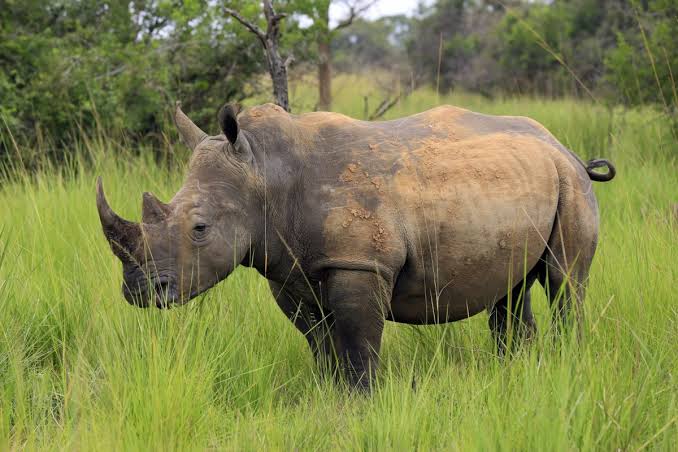
For decades, Ajai was associated with Uganda’s northern white rhinos. The original rhino population disappeared during the years of political instability and poaching, but 2026 marked a major conservation milestone when southern white rhinos were returned to the reserve.
This gives Ajai a fascinating new chapter in its tourism story.
It is not a destination you should sell as another Murchison Falls or Queen Elizabeth. Instead, Ajai is best presented as an uncrowded, remote and developing wildlife destination for adventurous travelers, birders, photographers and conservation enthusiasts.
Where Is Ajai Wildlife Reserve?
Ajai Wildlife Reserve is located in the West Nile region of northwestern Uganda, on the western bank of the Nile.
UWA’s management plan places the reserve in the Madi-Okollo area, with the reserve lying between Pakwach and Nimule and relatively close to Arua. The reserve’s landscape reaches toward the Albert Nile and is bordered by seasonal waterways including the Linya, Ala and Acharo systems.
It is approximately 431 kilometres northwest of Kampala, according to UWA’s management plan.
The reserve’s location makes it particularly useful for travelers exploring northern and northwestern Uganda.
It can potentially be combined with:
- Murchison Falls National Park
- Arua
- Ziwa Rhino Sanctuary
- Pakwach
- Gulu
- Nile River destinations
- West Nile cultural experiences
What Makes Ajai Wildlife Reserve Special?
Ajai’s greatest strength is its combination of wetland and savannah ecosystems.
The reserve contains:
- Seasonal swamps
- Papyrus wetlands
- Grasslands
- Wooded savannah
- Riverine vegetation
- Open plains
- Ajai Island
- Nile-associated habitats
UWA’s management plan describes the reserve as having important ecological, cultural and aesthetic values, including wetlands, wildlife habitat and scenic views toward the Nile and surrounding hills.
This variety creates habitat for antelopes, primates, hippos, birds and other wildlife.
And now there is another major attraction:
White rhinos.
The Return of Rhinos to Ajai
This is the section I would make particularly prominent on the website because it is the biggest recent development concerning Ajai.
Ajai was historically one of Uganda’s important northern white rhino strongholds.
The reserve was initially established as a White Rhino Sanctuary in 1962 and later became Ajai Game Reserve in 1965. The northern white rhino population subsequently disappeared from the area during the period of political instability and poaching.
But in January 2026, Uganda Wildlife Authority announced a historic conservation milestone.
Four southern white rhinos were translocated from Ziwa Rhino Sanctuary to Ajai Wildlife Reserve as the first phase of a programme intended to relocate 20 rhinos.
UWA explains that the southern white rhino is not the same subspecies as the northern white rhino historically found in Ajai. However, the reintroduction is being undertaken under the principle of conservation equivalence as part of restoring rhino conservation to the landscape.
This means Ajai is now part of an important new chapter in Uganda’s rhino conservation story.
Ajai and Uganda’s Rhino Conservation Story
Ajai’s history is closely connected to Uganda’s rhino conservation efforts.
At one point, the reserve was home to a significant proportion of Uganda’s remaining northern white rhinos.
UWA’s historical information records that the rhino population disappeared after the turmoil of the late 1970s, with the species no longer seen in Ajai since the war period.
The return of rhinos in 2026 therefore has significance beyond tourism.
It represents an attempt to restore a major component of Ajai’s historical wildlife heritage.
For visitors, this creates an opportunity to experience a reserve that is undergoing an important conservation transformation.
Wildlife in Ajai Wildlife Reserve
Ajai supports a variety of wildlife adapted to its mixture of wetlands and savannah.
Wildlife recorded in and around the reserve includes:
- White rhinos
- Uganda kobs
- Hippopotamuses
- Waterbucks
- Bushbucks
- Hartebeests
- Warthogs
- Oribis
- Sitatungas
- Duikers
- Olive baboons
- Vervet monkeys
- Black-and-white colobus monkeys
- Leopards
- Other wetland and savannah species
UWA’s management plan specifically records hippos, Uganda kob, hartebeest, bushbuck, waterbuck, black-and-white colobus and baboons among the reserve’s fauna.
Wildlife density can vary considerably, however, and visitors should approach Ajai as a developing wilderness destination rather than a high-density big-game park.
Uganda Kob
The Uganda kob is one of the antelopes associated with Ajai’s savannah habitats.
These reddish-brown antelopes are commonly associated with open grassland and can be observed moving through suitable grazing areas.
Their presence adds to the reserve’s connection with Uganda’s classic savannah wildlife.
Sitatunga in Ajai
The Sitatunga is another particularly interesting species for Ajai because of the reserve’s extensive wetlands.
Sitatungas are semi-aquatic antelopes specially adapted to swamp environments.
Their elongated, widely splayed hooves help them move through soft wetland ground.
Finding one can be challenging because they often remain hidden among papyrus and dense vegetation.
For wildlife enthusiasts, however, that difficulty is part of the attraction.
Hippopotamuses
The Nile and associated wetland habitats provide suitable conditions for hippopotamuses.
Hippos spend much of their day in water and emerge to feed on surrounding vegetation, particularly around suitable riverbanks and grasslands.
Their presence adds an aquatic dimension to the Ajai wildlife experience.
Visitors should always maintain a safe distance from hippos and follow ranger instructions because they are among Africa’s most dangerous large mammals.
Primates in Ajai
Ajai’s wooded habitats also support several primate species.
Recorded species include:
- Olive baboons
- Vervet monkeys
- Black-and-white colobus monkeys
These animals may be encountered around forest patches, woodland and riverine vegetation.
For travelers interested in Uganda’s primates, Ajai can therefore complement destinations such as Kibale, Budongo and Semuliki.
Leopards in Ajai
Leopards are among the predators recorded in the reserve.
Because Ajai is relatively lightly developed for tourism and wildlife densities can be low, leopard sightings should be considered possible rather than guaranteed.
Early morning and late afternoon wildlife viewing can provide the best opportunity to search for predators.
Bird Watching in Ajai Wildlife Reserve
Birding is another reason to visit Ajai.
The combination of wetlands, papyrus, grasslands and wooded savannah creates a variety of bird habitats.
Birds recorded around the reserve include species such as:
- African fish eagle
- Grey crowned crane
- Marabou stork
- Waterbirds
- Raptors
- Wetland species
- Savannah birds
The reserve’s proximity to the Nile and its extensive wetland system makes it particularly attractive to birders.
Wetland Birding
The wetland environment is one of Ajai’s biggest ecological assets.
Papyrus and seasonal floodplains provide feeding and breeding habitat for numerous bird species.
Early morning is especially rewarding for birding because temperatures are cooler and bird activity is often high.
A knowledgeable local guide can make a significant difference because many species are easier to identify by their calls before they are visible.
Wildlife Viewing in Ajai
Wildlife viewing in Ajai is best approached with patience.
The reserve is not currently comparable with Uganda’s major safari parks in terms of tourism infrastructure or wildlife concentration.
Instead, visitors can explore its:
Savannah
Wetlands
Papyrus swamps
Riverine areas
Woodland
The experience is about discovering what the landscape reveals rather than moving rapidly from one famous animal sighting to another.
That makes it particularly suitable for travelers who appreciate quiet wilderness.
Game Drives
Game drives can be used to explore the savannah and woodland areas of the reserve.
Potential sightings include:
- Uganda kob
- Warthogs
- Waterbucks
- Hartebeests
- Oribis
- Buffalo where present
- Primates
- Leopards
- Rhinos
However, because tourism infrastructure and wildlife viewing systems are still developing, current access and available game-drive routes should be confirmed with UWA or a local safari operator before booking.
That is especially important for a website selling Ajai safaris in 2026.
Guided Nature Walks
Nature walks offer another way to explore Ajai.
Walking allows visitors to appreciate details that are often missed during a vehicle safari.
A guided walk can focus on:
- Bird calls
- Animal tracks
- Plants
- Wetland ecology
- Insects
- Wildlife signs
- Traditional uses of plants
- Landscape features
The slower pace is particularly suitable for photographers, birders and travelers interested in conservation.
Ajai Island
Ajai Island is one of the reserve’s most distinctive geographical and cultural features.
The island developed through gradual deposition of soil carried by the Ala River and is surrounded by wetland environments.
The island is also associated with the historical figure Chief Ajai, whose name became attached to the reserve.
This gives Ajai an important cultural dimension beyond its wildlife.
The History of Chief Ajai
The reserve takes its name from Chief Ajai, a prominent traditional leader whose historical influence is connected to the area.
UWA’s management plan identifies Ajai Island as having cultural value because it was associated with Chief Ajai’s palace.
For travelers interested in cultural tourism, this provides an opportunity to connect the landscape with the history and traditions of the communities that have lived around it.
The Albert Nile
The Albert Nile forms an important part of Ajai’s eastern landscape.
The river and associated waterways provide:
- Water
- Wetland habitat
- Wildlife corridors
- Fish
- Bird habitat
- Scenic landscapes
The Nile also connects Ajai with the broader river systems of northern Uganda.
This makes the reserve particularly interesting for travelers who enjoy combining wildlife with river landscapes.
Boat Experiences
Boat-based wildlife and birding experiences have been described by tourism sources around the Nile and reserve landscape.
However, availability can change according to water levels, safety requirements and current UWA tourism arrangements.
For that reason, I would not make a boat safari a guaranteed feature of the commercial page without confirming it directly for each booking.
The safer website wording is:
Boat and river experiences may be available depending on current UWA arrangements and seasonal conditions.
The Landscape of Ajai
Ajai’s landscape is dominated by a fascinating mixture of wetland and savannah environments.
You can find:
- Open grasslands
- Wooded savannah
- Papyrus swamp
- Riverine vegetation
- Seasonal floodplains
- Small forest patches
- Wetland islands
UWA’s management plan notes that extensive grasslands and wetlands can be viewed from elevated areas such as Ombi, Inde and Eranve hills.
This gives photographers opportunities to capture both wildlife and broad landscape scenes.
Ajai as an Off-the-Beaten-Path Safari
This is perhaps the strongest way to position Ajai on your website.
Ajai is not yet a mainstream safari destination.
That means visitors can experience a much quieter environment than they would in heavily visited parks.
You aren’t necessarily coming here because you want to see ten lions in one afternoon.
You’re coming because you want to:
- Explore an unusual ecosystem
- Search for Sitatunga
- Discover wetland birds
- Learn about rhino conservation
- Experience the Nile landscape
- Explore northern Uganda
- Visit a less-developed wildlife destination
That makes Ajai particularly attractive to repeat Uganda visitors and adventurous travelers.
Ajai and Murchison Falls National Park
One of the most practical combinations is Ajai + Murchison Falls National Park.
Murchison provides the classic big-game safari experience:
- Lions
- Elephants
- Buffaloes
- Giraffes
- Leopards
- Uganda kobs
- Nile crocodiles
- Hippos
- Murchison Falls
- Victoria Nile boat cruises
Ajai adds:
- Rhinos
- Wetlands
- Sitatunga
- West Nile landscapes
- A quieter wilderness experience
This can create a very diverse northern Uganda safari.
Ajai and Ziwa Rhino Sanctuary
This combination has become particularly interesting following the 2026 rhino translocation.
Ziwa Rhino Sanctuary has historically been Uganda’s principal destination for rhino tracking, while Ajai is now becoming another important location in the country’s rhino conservation story. UWA confirmed that the initial four rhinos moved to Ajai came from Ziwa.
This gives you an excellent internal-link relationship:
Ziwa Rhino Sanctuary → Rhino Conservation → Ajai Wildlife Reserve
Ajai and Arua
Arua is the closest major urban center and can serve as an important logistical base for visiting the reserve.
Travelers can combine an Ajai safari with experiences in the wider West Nile region, including cultural encounters and exploration of the Nile landscape.
This can make Ajai part of a broader northern Uganda adventure rather than simply a standalone wildlife stop.
Accommodation at Ajai Wildlife Reserve
This is another area where we need to be careful with the website.
Ajai currently has far less accommodation infrastructure than Uganda’s major safari destinations.
Older tourism information states that there were no established accommodation facilities inside the reserve and that visitors could stay in Arua or Gulu.
More recent sources indicate that basic camping/tented arrangements may be possible, but facilities remain limited.
So I would structure your accommodation information into three categories:
Budget
- Camping, where currently permitted
- Basic local accommodation around the reserve
- Guesthouses in nearby towns
Mid-Range
- Hotels and lodges in Arua
- Selected accommodation around the wider West Nile region
Luxury
There are currently very limited luxury accommodation options directly at Ajai.
For travelers requiring high-end accommodation, the safari can be designed with overnight stays in Arua or combined with a more established destination such as Murchison Falls.
How Many Days Do You Need at Ajai?
For a dedicated Ajai experience, I would recommend two days.
One Day
A day could focus on:
- Wildlife viewing
- Nature walk
- Birding
- Wetland exploration
Two Days
Two days allow more time for:
- Wildlife viewing
- Rhino conservation experience, subject to current arrangements
- Birding
- Nature walks
- Wetland exploration
- Nile-area activities
- Cultural experiences
Three Days
Three days would suit photographers, birders and travelers wanting a slower exploration of northern Uganda.
Best Time to Visit Ajai Wildlife Reserve
Ajai can be visited throughout the year, but seasonal conditions significantly influence the landscape.
UWA’s management information notes that much of the swamp becomes flooded during wetter months and dries out during the drier period.
For easier road access and wildlife viewing, the drier periods are generally more practical.
However, wet-season visits can offer:
- Green landscapes
- Fuller wetlands
- Excellent birding
- Dramatic skies
- Seasonal wildlife movements
So the best time depends on what you want from the trip.
How Do You Get to Ajai Wildlife Reserve?
Ajai can be reached by road or air plus road transfer.
From Kampala, travelers generally head northwest through the Pakwach and West Nile corridor toward Arua and then continue toward the reserve.
Current travel sources estimate roughly 6–7 hours from Kampala to Arua by road, although actual journey times vary depending on the route, road conditions and stops.
From Arua, travelers continue toward the reserve on a combination of paved and dirt roads.
The reserve can also be reached by flying to Arua, followed by a road transfer.
For safari planning, a 4×4 vehicle is advisable because some access roads can become challenging during wet conditions.
What Should You Pack?
Because Ajai is a relatively undeveloped wildlife destination, travelers should be prepared.
Pack:
- Comfortable walking shoes
- Long trousers
- Long-sleeved shirts
- Lightweight rain jacket
- Sun hat
- Sunscreen
- Insect repellent
- Binoculars
- Camera
- Telephoto lens
- Extra batteries
- Power bank
- Reusable water bottle
- Small backpack
- Personal medication
If camping is planned, your safari operator should confirm exactly what equipment is provided before departure.
Is Ajai Good for Birding?
Yes.
Ajai’s combination of wetlands, papyrus, grassland and woodland makes it an interesting birding destination.
It is especially suited to travelers who enjoy looking for wetland and savannah species rather than focusing exclusively on large mammals.
Birding can also be combined with nature walks and wildlife viewing.
Is Ajai Good for Photography?
Absolutely.
The reserve offers some unusual photographic subjects:
White rhinos
Sitatunga
Uganda kob
Hippos
Birds
Papyrus wetlands
The Albert Nile
Savannah landscapes
Ajai Island
For photographers, the reserve’s relative lack of crowds can be an advantage.
You can spend more time observing and composing without the heavy vehicle traffic sometimes encountered in the major safari parks.
Is Ajai Suitable for Families?
It can be, especially for families interested in wildlife and conservation.
However, because facilities are limited and some activities involve walking or rougher roads, families should plan carefully.
The rhino conservation story can also provide a valuable educational element for children, particularly when combined with a visit to Ziwa Rhino Sanctuary.
Conservation and Community Importance
Ajai is important not only because of its wildlife but also because of its ecological and cultural value.
UWA’s management plan identifies several important functions of the reserve, including:
- Wildlife habitat
- Water catchment
- Flood control
- Soil protection
- Cultural heritage
- Research
- Education
- Community livelihoods
The surrounding communities also depend on natural resources from the wider landscape.
Responsible tourism therefore has the potential to contribute to conservation while creating opportunities for local communities.
Responsible Tourism at Ajai
Visitors should:
- Follow UWA ranger instructions
- Keep a safe distance from rhinos and other wildlife
- Never feed animals
- Avoid littering
- Stay on approved routes
- Avoid disturbing birds
- Respect wetlands
- Respect local communities
- Support legitimate local tourism businesses
- Avoid purchasing wildlife products
- Follow all current rhino-viewing rules
The return of rhinos makes responsible visitor behavior particularly important.
Why Visit Ajai Wildlife Reserve?
Ajai is a destination with a remarkable story.
It is a place where wildlife conservation, cultural history and landscape restoration meet.
For decades, the reserve was associated with the loss of Uganda’s northern white rhinos.
Now, in 2026, rhinos have returned.
That alone gives Ajai a significance that goes beyond ordinary wildlife viewing.
But the reserve also offers:
- Sitatunga
- Uganda kob
- Hippos
- Antelopes
- Primates
- Wetland birds
- Papyrus swamps
- Savannah
- The Albert Nile
- Ajai Island
- Cultural history
- An uncrowded wilderness atmosphere
It is therefore best suited to travelers who want to discover a different side of Uganda.
Rather than competing directly with Murchison Falls or Queen Elizabeth, Ajai complements them.
It gives the traveler a reason to venture deeper into northern Uganda and experience a protected landscape that is now entering an exciting new chapter.
Frequently Asked Questions
What is Ajai Wildlife Reserve famous for?
Ajai is historically famous for its northern white rhinos and is now gaining renewed importance following the 2026 reintroduction of southern white rhinos. It is also known for wetlands, Sitatunga, savannah wildlife and birding.
Where is Ajai Wildlife Reserve?
It is in Uganda’s West Nile region on the western bank of the Nile, near Arua.
Is Ajai a national park?
No. Ajai is a wildlife reserve managed under Uganda’s protected-area system. UWA lists Ajai among Uganda’s wildlife reserves.
Are there rhinos in Ajai?
Yes. In January 2026, UWA confirmed that four southern white rhinos were translocated from Ziwa Rhino Sanctuary to Ajai as the first stage of a planned 20-rhino relocation programme.
Are these the original northern white rhinos?
No. The animals introduced in 2026 are southern white rhinos. The native northern white rhino population historically associated with Ajai is considered functionally extinct.
Can I see Sitatunga in Ajai?
Sitatunga are among the wildlife species associated with Ajai’s wetland habitats. Sightings are not guaranteed because the animals are secretive and often remain hidden in vegetation.
Can I do a game drive?
Wildlife viewing by vehicle has been associated with Ajai, but because tourism infrastructure and access arrangements are developing, current activity availability should be confirmed before booking.
Can I go bird watching?
Yes. The reserve’s wetlands, papyrus and savannah habitats make it suitable for birding.
How many days should I spend in Ajai?
For most visitors, two days is a good starting point, while birders, photographers and conservation enthusiasts may prefer three.
Can I combine Ajai with Murchison Falls?
Yes. This is one of the strongest ways to incorporate Ajai into a northern Uganda safari.
Can I combine Ajai with Ziwa Rhino Sanctuary?
Yes. The two destinations now have an especially strong conservation connection because the first rhinos moved to Ajai came from Ziwa.
↓