








Overview
Arua – Travel Overview
Arua is one of the most important towns in northwestern Uganda and a fascinating destination for travelers exploring the country’s less-visited northern and northwestern regions. Located in the West Nile sub-region, Arua combines a lively urban atmosphere with rich cultural traditions, local markets, surrounding agricultural landscapes and access to several natural and historical attractions.
For many visitors, Arua is a gateway to destinations such as Murchison Falls National Park, Ajai Wildlife Reserve and the wider West Nile region. But the town itself is worth exploring, particularly for travelers interested in Ugandan culture, everyday life, local food and the history of northwestern Uganda.
Its position close to the borders of the Democratic Republic of Congo and South Sudan also gives Arua a distinctive regional character. The movement of people, goods and cultures across the wider West Nile area has helped shape the town into an important commercial center.
Where Is Arua?
Arua is located in northwestern Uganda, within the West Nile sub-region.
The town sits on an important road network connecting northwestern Uganda with other parts of the country and neighboring states.
Its location makes it particularly useful for travelers exploring:
West Nile
Murchison Falls National Park
Ajai Wildlife Reserve
Zombo
Nebbi
Koboko
Yumbe
and destinations farther toward the Uganda–DRC and Uganda–South Sudan border regions.
Arua therefore functions both as a destination and as a practical base for exploring northwestern Uganda.
Arua City
Arua was officially elevated to city status in 2020, reflecting its growing importance as a commercial and administrative center.
Today, the city combines busy streets and commercial activity with quieter residential neighborhoods and surrounding rural landscapes.
For visitors, this provides an opportunity to experience a side of Uganda that is very different from the country’s famous safari parks.
Arua is a place where you can observe everyday Ugandan life rather than simply passing through a tourist attraction.
The Culture of Arua
The cultural identity of Arua is strongly connected to the diverse communities of the West Nile region.
The area is particularly associated with the Alur, Lugbara, Kakwa and Madi peoples, among others.
Each community has its own traditions, languages, food, music and cultural practices.
Travelers who take time to interact respectfully with local communities can gain a deeper understanding of how the different cultures of northwestern Uganda have shaped the region.
Lugbara Culture
The Lugbara people form one of the major cultural communities in the Arua area.
Their traditions include distinctive forms of storytelling, music, dance, food preparation and social organization.
Visitors interested in cultural tourism can learn more about Lugbara traditions through community experiences and interactions with local people.
Traditional knowledge is particularly important in understanding the relationship between communities and the surrounding landscape.
Local Markets in Arua
One of the easiest ways to experience Arua is through its markets.
Markets provide a window into everyday life, with farmers and traders bringing produce from surrounding communities into the city.
Depending on the season, visitors can find:
Cassava
Groundnuts
Beans
Maize
Fruits
Vegetables
Local spices
and other agricultural products.
Markets are particularly interesting for travelers who want to experience the commercial side of West Nile rather than seeing the region only from a safari vehicle.
Food in Arua
Food is another important part of the Arua experience.
Traditional dishes commonly found in the wider West Nile region include foods prepared from:
Cassava
Millet
Sorghum
Groundnuts
Beans
Leafy vegetables
Local restaurants and markets provide opportunities to sample regional dishes alongside more familiar Ugandan meals.
For travelers interested in food tourism, trying locally prepared dishes can be a simple way of connecting with the culture of the region.
Arua and West Nile Landscapes
The landscapes around Arua are very different from Uganda’s mountainous southwest.
The region is characterized by:
Rolling hills
Savannah
Woodlands
Farmland
Seasonal streams
Open countryside
During the rainy season, the landscape can become remarkably green.
During drier periods, the vegetation takes on the golden and brown tones associated with northern Uganda.
These seasonal changes create very different photographic opportunities throughout the year.
Arua for Photography
Arua and the surrounding West Nile countryside offer plenty of opportunities for travelers interested in photography.
Instead of focusing only on wildlife, photographers can capture:
Local markets
Traditional architecture
Farm landscapes
Roadside scenes
Sunsets
People and everyday life
Cultural activities
Northern Ugandan landscapes
Wildlife in nearby reserves
The region is particularly interesting for photographers who want to document everyday life rather than only major tourist attractions.
Arua and Ajai Wildlife Reserve
One of the most important natural attractions connected to Arua is Ajai Wildlife Reserve.
Located in the wider West Nile region, the reserve protects an important wetland and savannah ecosystem.
Ajai is particularly significant because of its historical connection with white rhinoceros conservation in Uganda.
The reserve was once home to northern white rhinos before the population disappeared from Uganda during the country’s periods of political instability and poaching.
Today, the reserve remains important for conservation and wildlife habitat.
For travelers exploring Arua, Ajai provides an opportunity to discover one of the lesser-known protected areas of northwestern Uganda.
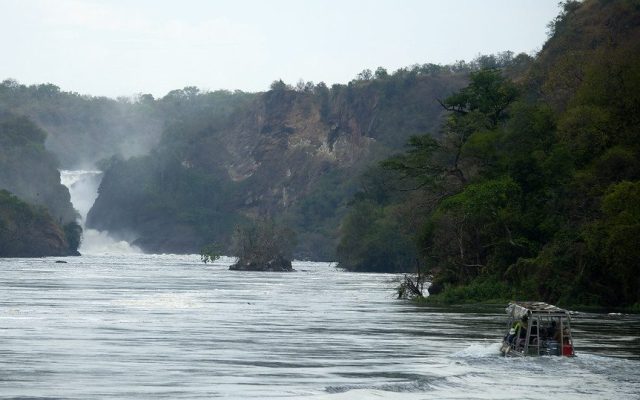
Arua and Murchison Falls National Park
Arua can also be incorporated into itineraries visiting Murchison Falls National Park.
Depending on the route and itinerary, travelers can use Arua as part of a broader northwestern Uganda journey.
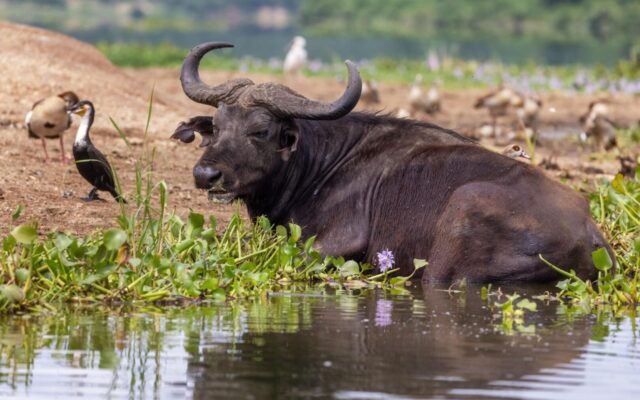
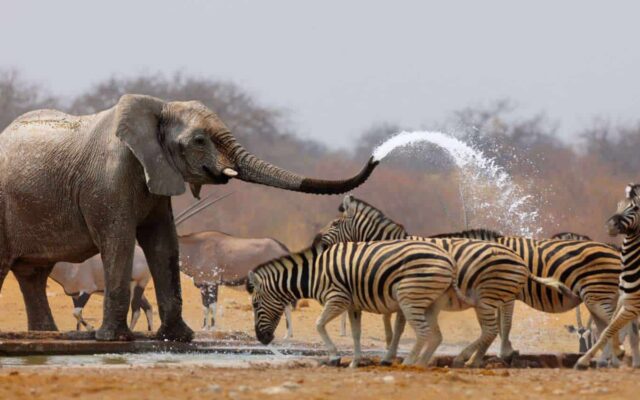
Murchison Falls provides the classic savannah safari experience, with opportunities to see animals such as:
Elephants
Giraffes
Lions
Buffaloes
Antelopes
and numerous bird species.
The contrast between the urban culture of Arua and the wilderness of Murchison Falls can make for a varied northern Uganda itinerary.
Arua and the Albertine Nile
The wider West Nile region is connected to the Albert Nile, one of the major branches of the Nile flowing through northwestern Uganda.
The river and surrounding landscapes are important both ecologically and economically.
Travelers exploring the region can combine cultural experiences around Arua with river and wildlife experiences farther toward Murchison Falls.
Arua and the Democratic Republic of Congo
Arua’s proximity to the Democratic Republic of Congo has helped make it an important commercial center.
The wider region has long been connected through trade and movement of people across the border.
For travelers, this gives Arua a distinctive character compared with towns farther south.
However, border crossings involve immigration and customs procedures, so travelers planning to cross into another country should confirm the current requirements before departure.
Arua and South Sudan
Arua is also connected commercially and geographically to the South Sudan corridor.
Its position makes it an important regional trading center for northwestern Uganda.
This cross-border character contributes to the city’s diverse population and busy commercial environment.
Cultural Experiences Around Arua
Travelers interested in culture can look beyond the city center.
Community-based experiences may provide opportunities to learn about:
Traditional music
Dance
Food
Farming
Crafts
Storytelling
Traditional architecture
Local history
A guided community experience is preferable because it allows visitors to learn directly from people familiar with the area’s traditions.
Traditional Music and Dance
Music and dance are important components of cultural life in the West Nile region.
Different communities have distinctive rhythms, instruments and dance styles.
A cultural performance can be particularly enjoyable when combined with a community visit rather than presented as an isolated entertainment show.
Travelers should approach these performances respectfully and remember that cultural traditions are living practices rather than simply tourist attractions.
Arua for History Lovers
Arua and the wider West Nile region have a complex history shaped by traditional kingdoms and chiefdoms, colonial administration, regional trade and Uganda’s post-independence political history.
Travelers interested in history can use Arua as a starting point for understanding how northwestern Uganda developed.
The region’s proximity to the borders with Congo and South Sudan has also played an important role in its historical and commercial development.
Arua as a Gateway to Northwestern Uganda
Perhaps Arua’s greatest tourism strength is its location.
It provides access to a relatively unexplored part of Uganda.
From Arua, travelers can build journeys toward:
Ajai Wildlife Reserve
Murchison Falls National Park
Zombo
Nebbi
Koboko
Yumbe
West Nile cultural communities
This makes the city particularly useful for travelers interested in going beyond Uganda’s most established tourism circuits.
Arua for Adventure Travelers
Arua itself is not primarily an adventure destination in the same way as Jinja or the Rwenzori Mountains.
However, it can serve as a base for travelers exploring the wider region.
Adventure opportunities can include:
Wildlife viewing
Nature walks
Scenic road trips
Community exploration
Bird watching
Cultural experiences
The real attraction is the opportunity to combine different experiences across northwestern Uganda.
Bird Watching Around Arua
The combination of woodland, savannah, wetlands and farmland provides bird habitats around the wider Arua region.
Travelers heading toward Ajai Wildlife Reserve or other protected areas can look for both savannah and wetland species.
Birding is particularly rewarding when combined with a knowledgeable local guide who understands the habitats and seasonal movements of birds.
Arua for Families
Arua can be an interesting stop for families traveling through West Nile.
Children can experience local markets, food, cultural activities and surrounding landscapes while learning about a part of Uganda that may be very different from their usual environment.
Families combining Arua with a wildlife reserve or national park can also create a varied itinerary involving both culture and wildlife.
Arua for Couples
For couples, Arua works best as part of a broader northwestern Uganda journey.
A relaxed city stay can be combined with countryside excursions, cultural experiences and wildlife destinations.
Travelers who enjoy photography, food and local experiences may particularly appreciate spending time in the city rather than immediately moving on to the next attraction.
Best Time to Visit Arua
Arua can be visited throughout the year.
The drier months are generally more convenient for road travel and excursions into surrounding wildlife areas.
The rainy periods can transform the countryside into lush green landscapes, which can be excellent for photography.
If your visit includes wildlife reserves or national parks, the best timing should also take into account the conditions of the specific protected areas you plan to visit.
How Long Should You Spend in Arua?
For travelers simply passing through, one night may be enough.
However, travelers who want to explore the surrounding area should consider two to three days.
This provides time for:
Arua city exploration
Market visits
Cultural experiences
Ajai Wildlife Reserve
Bird watching
Countryside excursions
Travelers using Arua as part of a longer West Nile itinerary can stay even longer.
What Should You Bring?
For an Arua trip, consider packing:
- Comfortable walking shoes
- Lightweight clothing
- Hat
- Sunscreen
- Insect repellent
- Reusable water bottle
- Camera
- Binoculars
- Rain jacket
- Small daypack
If you are continuing into wildlife reserves or national parks, add appropriate safari clothing and equipment.
Responsible Tourism in Arua
Responsible travel is important when exploring communities and cultural destinations.
Visitors should:
Ask permission before photographing people.
Respect local customs.
Support local businesses.
Avoid littering.
Use local guides where appropriate.
Respect cultural performances and traditions.
Avoid treating communities simply as photographic subjects.
Follow conservation rules when visiting wildlife areas.
Spending money with locally owned businesses can help ensure that tourism contributes to the local economy.
Is Arua Worth Visiting?
Yes—particularly for travelers looking to discover a less-explored side of Uganda.
Arua may not have the international fame of Kampala, Jinja or Murchison Falls, but that is part of its appeal.
It offers a window into West Nile culture, commerce, food, landscapes and everyday life, while also providing access to interesting natural and wildlife destinations.
For a traveler exploring northwestern Uganda, Arua is much more than a transit town.
It can be part of the destination itself.
Who Should Visit Arua?
Arua is particularly suitable for:
Cultural travelers
Photographers
History enthusiasts
Food travelers
Bird watchers
Wildlife travelers
Adventure travelers
Families
Couples
Travelers exploring West Nile
Visitors looking for less-touristy Uganda
Frequently Asked Questions
Where Is Arua?
Arua is in northwestern Uganda within the West Nile sub-region, relatively close to the borders with the Democratic Republic of Congo and South Sudan.
Is Arua a City?
Yes. Arua became a city in 2020.
What Is Arua Famous For?
Arua is known as an important commercial center of West Nile and is also a gateway to attractions such as Ajai Wildlife Reserve and destinations toward Murchison Falls.
Can I Visit Arua on a Uganda Safari?
Yes. Arua can be incorporated into a northwestern Uganda itinerary, particularly when combining cultural experiences with wildlife destinations.
What Can I Do in Arua?
You can explore local markets, experience West Nile culture and food, visit surrounding communities, enjoy the countryside and use the city as a base for nearby natural attractions.
Can I Combine Arua With Murchison Falls?
Yes. Arua can be incorporated into a broader itinerary connecting West Nile with Murchison Falls National Park.
Can I Visit Ajai Wildlife Reserve From Arua?
Yes. Arua can serve as a practical base for exploring the wider West Nile area, including Ajai Wildlife Reserve.
Is Arua Good for Cultural Tourism?
Yes. The diverse cultural traditions of the West Nile region make Arua an interesting destination for travelers interested in local communities, food, music, dance and history.