




Overview
Crater Lakes Region – Travel Overview
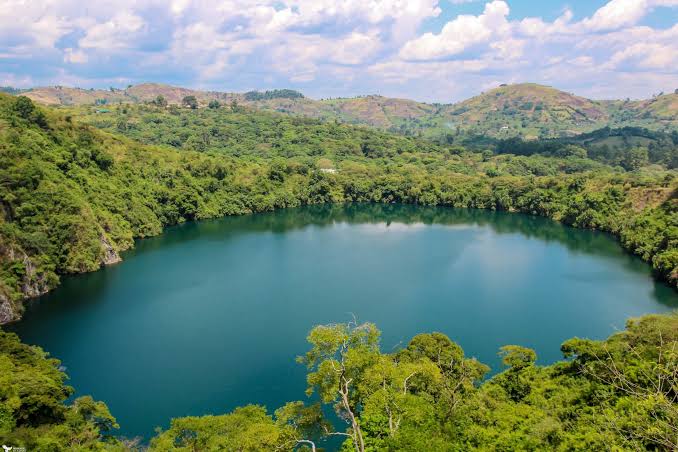
The Crater Lakes Region of Uganda is one of the most scenic landscapes in western Uganda, stretching around Fort Portal and the foothills of the Rwenzori Mountains. The region is characterized by numerous volcanic and explosion craters, many of which have filled with water to form beautiful crater lakes surrounded by rolling hills, forests, farms and green countryside.
Rather than being a single attraction, the Crater Lakes Region is a collection of individual lakes, crater rims, viewpoints, forests and rural communities. This makes it particularly rewarding for travelers who want to slow down and explore western Uganda beyond the country’s famous wildlife parks.
The region is especially attractive for scenic drives, hiking, bird watching, nature walks, photography, cultural experiences and peaceful countryside escapes.

Where Is the Crater Lakes Region?
The Crater Lakes Region is centered around Fort Portal in western Uganda, particularly across parts of Kabarole District and the surrounding Toro area.
The region lies within the broader Albertine Rift landscape, where volcanic and geological processes have produced a remarkable collection of crater formations.
Fort Portal is the main urban base for exploring the area, making it possible to visit several crater lakes on day excursions while staying in or around the town.
What Are the Crater Lakes?
The crater lakes are water-filled depressions created through volcanic and geological processes.
Some were formed when volcanic activity produced explosive depressions in the landscape, while others are associated with volcanic cones and broader geological formations.
Over time, rainwater and groundwater filled many of these depressions, producing the lakes visitors see today.
The result is a landscape of:
Blue and green lakes
Crater rims
Rolling hills
Forest patches
Tea plantations
Farmland
Wetlands
Distant mountain views
This combination makes the region one of Uganda’s most attractive countryside destinations.
The Fort Portal Crater Lakes Landscape
The scenery around Fort Portal is particularly distinctive.
One moment you may be driving through cultivated countryside, and shortly afterward the road opens onto a viewpoint overlooking a deep crater filled with water.
Many of the lakes are surrounded by steep slopes and vegetation, creating a dramatic contrast between the water below and the surrounding hills.
This is why the region is often described as one of Uganda’s most beautiful landscapes.
Lake Nyinambuga
Lake Nyinambuga is one of the best-known crater lakes around Fort Portal.
The lake is particularly famous for its distinctive scenery and its association with the wider crater-lake landscape.
Its green surroundings and calm waters make it a popular stop for travelers exploring western Uganda.
It is also one of the lakes commonly featured in photographs of the Fort Portal area.
Lake Nkuruba
Lake Nkuruba is another well-known crater lake in the Fort Portal region.
The lake is surrounded by lush vegetation and is associated with the Lake Nkuruba Nature Reserve, making it particularly interesting for travelers who want to combine lake scenery with nature and forest experiences.
Visitors can enjoy views of the lake, explore the surrounding environment and look for birds and primates.
Lake Saaka
Lake Saaka is located near Fort Portal and is another important part of the region’s crater-lake landscape.
The lake is surrounded by cultivated hills and rural communities.
Its location makes it relatively easy to incorporate into a broader Fort Portal sightseeing itinerary.
Lake Nyabikere
Lake Nyabikere is another significant crater lake in the region.
The lake and surrounding environment are particularly important because of their proximity to Kibale National Park.
Travelers visiting Kibale for chimpanzee trekking can therefore combine their wildlife experience with crater-lake scenery.
Lake Kyaninga
Lake Kyaninga is one of the most visually impressive crater lakes around Fort Portal.
The lake sits below Kyaninga Volcano, creating a dramatic landscape.
The combination of the crater lake and volcanic cone makes this area particularly attractive for photography and hiking.
It is also associated with accommodation and nature experiences, making it one of the easier crater-lake locations to include in a more comfortable western Uganda itinerary.
Lake Kasenda
The Kasenda crater-lake area contains several beautiful lakes and is one of the most scenic sections of the wider Crater Lakes Region.
The landscape around Kasenda is characterized by hills, crater depressions, cultivated land and lakes.
The area is particularly suitable for travelers who want to explore the countryside at a slower pace.
Lake Mwamba
Lake Mwamba is another crater lake associated with the Fort Portal landscape.
Like many of the region’s smaller lakes, it contributes to the mosaic of water bodies and hills that makes the area visually distinctive.
Rather than visiting one lake and leaving, travelers can explore several lakes during a dedicated crater-lakes excursion.
Amabere Caves and the Crater Lakes
The crater-lake landscape can also be combined with Amabere Caves, a major cultural and natural attraction near Fort Portal.
The caves are associated with traditional Toro history and legends and are surrounded by scenic countryside.
Combining Amabere with the crater lakes creates a strong half-day or full-day Fort Portal experience.
Crater Lakes and Kibale National Park
One of the strongest tourism connections is with Kibale National Park.
Kibale is famous for chimpanzee trekking and its exceptional primate diversity.
The crater lakes provide an ideal complement to that experience.
A traveler can spend the morning searching for chimpanzees in the forest and later explore the peaceful crater-lake countryside around Fort Portal.
This combination gives visitors both:
Wildlife
and
Landscape
within the same western Uganda itinerary.
Crater Lakes and Rwenzori Mountains
The Crater Lakes Region also sits within a landscape influenced by the nearby Rwenzori Mountains.
On clear days, travelers can sometimes enjoy views toward the mountains from elevated areas around Fort Portal.
The contrast between the crater lakes in the foreground and the Rwenzori ranges in the distance can create spectacular scenery.
For travelers exploring western Uganda, combining the crater lakes with a Rwenzori experience can produce a particularly diverse itinerary.
Hiking in the Crater Lakes Region
Hiking is one of the best ways to experience the region.
Instead of simply stopping at viewpoints, travelers can walk around crater rims, through farmland and along rural paths.
Depending on the location, walks can include:
Crater-rim hikes
Village walks
Forest walks
Lake viewpoints
Tea-estate walks
Nature trails
The terrain can be hilly, so comfortable walking shoes are recommended.
Crater Rim Walks
Walking around the rims of selected craters provides a different perspective from viewing the lakes from the roadside.
From elevated positions, travelers can see how the lakes sit within the surrounding landscape.
The experience also provides excellent opportunities for photography.
However, crater rims can have steep or uneven sections, so visitors should stay on established trails and follow local guide instructions.
Bird Watching
The mixture of lakes, wetlands, forest patches, gardens and agricultural land creates excellent bird habitats.
Visitors may encounter birds associated with:
Wetlands
Forest
Farmland
Woodland
Lake margins
A local guide can greatly improve the experience by identifying species and explaining their habitats.Primate Experiences
The broader Fort Portal landscape is rich in primate habitats.
The strongest dedicated primate experience is Kibale National Park, but forests and nature reserves around the crater lakes can also support monkeys and other wildlife.
For visitors who want chimpanzee trekking specifically, Kibale remains the destination to prioritize.
The crater lakes should complement—not replace—that experience.
Tea Plantations and the Crater Lakes
The Fort Portal area is also famous for its tea-growing landscapes.
Tea plantations spread across the green hills, creating another distinctive feature of the region.
A crater-lake tour can therefore combine:
Lakes
Tea plantations
Hills
Forests
Villages
Mountain views
This makes the region especially attractive to photographers.
Cultural Experiences
The Crater Lakes Region is located within the cultural landscape of the Toro Kingdom.
Travelers can learn about local traditions, agriculture, food, history and community life.
Cultural experiences can include:
Village visits
Traditional food
Local storytelling
Agricultural experiences
Toro cultural heritage
For a deeper cultural itinerary, visitors can also explore Fort Portal and nearby historical attractions.
Fort Portal as the Gateway
Fort Portal is the natural base for exploring the Crater Lakes Region.
The town provides:
Accommodation
Restaurants
Transport
Guides
Tour operators
and access to many of the region’s attractions.
This makes it easier for travelers to spend several nights in the area rather than attempting to explore everything as a rushed day trip.
Photography in the Crater Lakes Region
If your client loves photography, man, this region deserves serious attention.
The combination of crater lakes and green hills produces excellent landscape compositions.
Photographers can capture:
Crater lakes
Volcanic cones
Tea plantations
Sunrise
Sunset
Forest
Rural communities
Farmland
Rwenzori views
Early morning and late afternoon often provide the most attractive natural light.
Crater Lakes for Couples
The region is particularly suitable for couples looking for a quiet western Uganda escape.
Instead of spending the entire day moving between busy attractions, couples can enjoy:
Scenic drives
Lake viewpoints
Nature walks
Picnics
Sunset views
Quiet countryside accommodation
The peaceful environment makes the Crater Lakes Region a good addition to a relaxed Uganda itinerary.
Crater Lakes for Families
Families can also enjoy the region.
Children can learn about:
Volcanic landscapes
Lakes
Forests
Birds
Agriculture
Local communities
Shorter walks and scenic viewpoints are suitable for families who do not want demanding hikes.
Longer crater-rim walks should be chosen according to the children’s age and fitness.
Crater Lakes for Adventure Travelers
While the region is not primarily an adrenaline destination, it offers plenty for travelers who enjoy outdoor exploration.
Activities such as hiking, cycling, nature walks and exploring rural tracks can provide a more active experience.
The biggest attraction, however, remains the landscape itself.
Best Time to Visit the Crater Lakes Region
The region can be visited throughout the year.
The landscape is naturally green because of the area’s favorable rainfall.
During wetter periods, roads and hiking trails can become muddy, but the vegetation is often particularly lush.
During drier periods, walking and road travel can be easier.
For the best overall experience, travelers should choose timing according to whether their priority is:
Hiking
Photography
Wildlife
Birding
Road conditions
How Long Should You Spend in the Crater Lakes Region?
I’d recommend at least one full day if the goal is to properly explore the crater lakes.
Two or more days allows travelers to slow down and combine the lakes with:
Kibale National Park
Bigodi Wetland Sanctuary
Amabere Caves
Fort Portal
Tea plantations
Rwenzori views
This turns the crater lakes from a quick photo stop into a genuine western Uganda experience.
How to Get to the Crater Lakes Region
The region is accessed primarily through Fort Portal.
Fort Portal is connected by road to Kampala and other major Ugandan towns.
Travelers coming from Kampala can reach the area by road, while those already visiting western Uganda can approach from destinations such as:
Queen Elizabeth National Park
Kibale National Park
Kasese
Rwenzori Mountains
A private safari vehicle with a knowledgeable driver is particularly useful because many crater-lake attractions are spread across the countryside.
What Should You Bring?
For a crater-lake excursion, pack:
- Comfortable walking shoes
- Drinking water
- Light clothing
- Rain jacket
- Insect repellent
- Sunscreen
- Hat
- Camera
- Binoculars
- Small backpack
If hiking is part of the itinerary, proper footwear becomes especially important.
Responsible Tourism
The Crater Lakes Region is not simply a scenic landscape—it is also a lived-in agricultural environment.
Visitors should therefore:
Respect local communities.
Ask before photographing people.
Avoid littering.
Stay on designated trails.
Do not damage crops or vegetation.
Avoid polluting the lakes.
Use local guides where appropriate.
Respect privately owned land and accommodation properties.
Responsible tourism helps ensure that local communities continue to benefit from visitors.
Is the Crater Lakes Region Worth Visiting?
Absolutely.
If your Uganda itinerary only focuses on gorillas, chimpanzees and savannah wildlife, you miss one of the country’s most beautiful landscapes.
The Crater Lakes Region provides a slower, more scenic experience built around water, hills, forests, tea plantations, agriculture and local culture.
Its greatest strength is variety.
You can spend the morning looking across a crater lake, explore a tea-growing landscape in the afternoon and finish the day enjoying the scenery around Fort Portal.
For travelers exploring western Uganda, it is one of the regions I’d strongly recommend including.
Who Should Visit the Crater Lakes Region?
The region is particularly suitable for:
Nature lovers
Photographers
Hikers
Bird watchers
Couples
Families
Cultural travelers
Adventure travelers
Kibale visitors
Travelers exploring western Uganda
Travelers who enjoy scenic countryside
Frequently Asked Questions
Where Is the Crater Lakes Region?
It is centered around Fort Portal in western Uganda, particularly around the crater-lake landscapes of the Toro region.
How Were the Crater Lakes Formed?
They are associated with volcanic and geological activity, including crater and explosion depressions that later became filled with water.
What Are the Most Famous Crater Lakes?
Well-known lakes include Lake Nyinambuga, Lake Nkuruba, Lake Kyaninga, Lake Nyabikere, Lake Saaka and the Kasenda crater lakes.
Can I Visit the Crater Lakes From Fort Portal?
Yes. Fort Portal is the main base for exploring many of the crater lakes.
Can I Combine the Crater Lakes With Kibale National Park?
Yes. This is one of the best combinations in western Uganda, particularly for travelers interested in chimpanzee trekking and scenic landscapes.
Can I Hike Around the Crater Lakes?
Yes. Hiking and nature walks are among the best ways to experience the landscape, although the difficulty varies from one location to another.
Are the Crater Lakes Volcanic?
They are associated with volcanic and geological processes, but not every lake should simply be described as a volcanic crater lake without qualification. The exact geological origin varies between individual formations.
How Many Crater Lakes Are There?
There are numerous crater lakes and crater formations around Fort Portal and the wider Toro region. Rather than giving one fixed number, it is more accurate to describe the area as a dense concentration of crater lakes and volcanic features.
How Many Days Do I Need?
A full day can provide a good introduction, while two or more days allows you to combine the lakes with Kibale, Bigodi, Amabere Caves and other Fort Portal attractions.