







Overview
East Madi Wildlife Reserve – Travel Overview
East Madi Wildlife Reserve is a remote protected area in northwestern Uganda, offering a genuinely off-the-beaten-path wildlife experience. Located in the Madi sub-region of northern Uganda, the reserve protects a mixture of woodland, savannah and riverine habitats that support a variety of wildlife and bird species.
Unlike Uganda’s more established safari destinations, East Madi receives relatively few visitors. That makes it particularly interesting for adventurous travelers who want to explore lesser-known landscapes and experience Uganda beyond the country’s famous national parks.
The reserve is also important from a conservation perspective because it forms part of the wider wildlife landscape around the Albert Nile and provides habitat for species that move through the region.
A visit to East Madi is therefore less about expecting a conventional luxury safari and more about discovering a quiet, remote and naturally diverse part of northern Uganda.
Where Is East Madi Wildlife Reserve?
East Madi Wildlife Reserve is located in northwestern Uganda, in the Madi area of the country’s northern region.
The reserve lies close to the Albert Nile, which is one of the major geographical features of this part of Uganda. Its location places it within a broader landscape of savannah, woodland, wetlands and riverine habitats.
The reserve is relatively remote compared with destinations such as Murchison Falls National Park. This means travelers should allow sufficient time for road travel and plan accommodation and logistics before arriving.
Its position also makes it potentially useful for travelers exploring the wider West Nile region.
What Makes East Madi Wildlife Reserve Special?
The biggest attraction of East Madi is its remote character.
Many Uganda safaris follow established routes through Murchison Falls, Queen Elizabeth, Kibale and Bwindi. East Madi offers something different.
There are fewer visitors, less tourism infrastructure and a much quieter atmosphere.
For travelers who enjoy discovering places that are not yet heavily developed for tourism, this can be a major advantage.
The reserve’s landscape also provides an interesting mixture of habitats, creating opportunities to observe both wildlife and birds.
Rather than visiting East Madi expecting a predictable sequence of big-animal sightings, travelers should approach it as an exploration experience.
Wildlife in East Madi Wildlife Reserve
East Madi supports a variety of wildlife associated with northern Uganda’s savannah and woodland environments.
Wildlife in the broader East Madi landscape includes species such as:
- Uganda kob
- Oribi
- Bushbuck
- Warthog
- Waterbuck
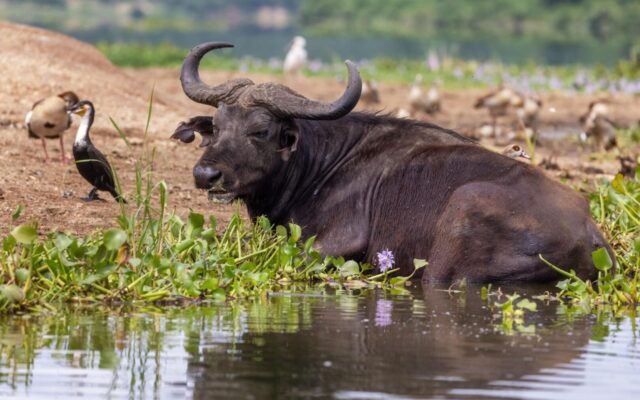
- Buffalo
- Duikers
- Hippopotamus
- Various primates
- Numerous bird species
Wildlife numbers and sightings can vary considerably depending on the season and location within the reserve.
The relatively low tourism pressure means that encounters can feel particularly rewarding when they occur.
For travelers who enjoy wildlife photography and exploration, the unpredictability can actually become part of the adventure.
Uganda Kob in East Madi
The Uganda kob is one of the antelope species associated with northern Uganda’s savannah landscapes.
These reddish-brown antelopes are typically found in open grassland areas where they graze on vegetation.
Watching kob move through the grasslands can be one of the more enjoyable wildlife experiences in East Madi.
They are also an important prey species within the ecosystem, connecting the herbivore population with the reserve’s predator community.
Other Antelopes in East Madi
East Madi’s habitats support several smaller and medium-sized antelope species.
These may include:
Oribi, which favor open grassland.
Bushbuck, which are more closely associated with woodland and areas of thicker vegetation.
Duikers, which are small forest and woodland antelopes.
For wildlife enthusiasts, these species add variety to the safari experience.
They also demonstrate why spending time exploring different habitats is important rather than focusing only on large mammals.
Buffaloes and Other Large Mammals
African buffaloes are among the larger herbivores associated with Uganda’s northern savannah ecosystems.
Depending on the area and season, visitors may also encounter animals such as warthogs and waterbuck.
The Albert Nile and surrounding waterways provide habitat for hippos and other water-associated species.
These different habitats create opportunities for visitors to observe wildlife both on land and around water.
Primates in East Madi
Although East Madi is not primarily marketed as a primate destination, woodland and riverine habitats support various smaller primates.
Visitors may encounter monkeys while traveling through areas with thicker vegetation.
These encounters add another dimension to the reserve because the safari isn’t restricted to open savannah wildlife.
For travelers particularly interested in primates, however, destinations such as Kibale National Park remain much stronger choices.
Bird Watching in East Madi
Bird watching is potentially one of the most rewarding activities in East Madi.
The reserve’s combination of:
- Savannah
- Woodland
- Riverine vegetation
- Wetlands
- Albert Nile habitats
creates a diverse environment for birdlife.
The wider northern Uganda landscape is home to numerous species associated with both savannah and river ecosystems.
Birders should consider traveling with binoculars and, ideally, a knowledgeable local guide who can identify species by both sight and call.
East Madi’s lower tourism profile can be particularly attractive to specialist birders searching for a quieter environment.
The Albert Nile and East Madi
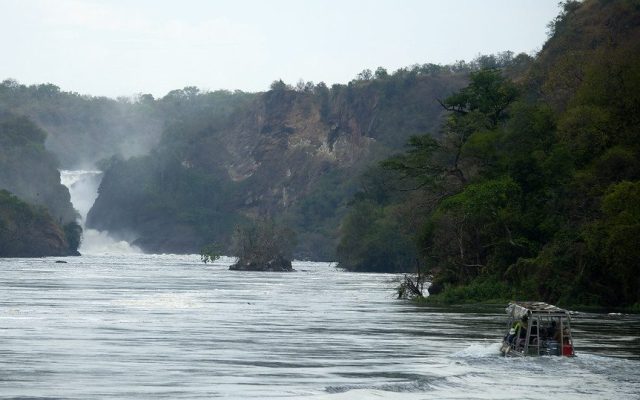
The Albert Nile is an important feature of the wider East Madi landscape.
The river creates a different ecological environment from the surrounding dry savannah and woodland.
Water attracts wildlife and birds while supporting vegetation along the riverbanks.
For travelers, the river also contributes significantly to the scenery.
Depending on local arrangements and current regulations, activities around the river can complement wildlife viewing and birding.
Nature and Landscape
East Madi’s scenery is characterized by the transition between open grassland, woodland and riverine environments.
This creates a landscape that changes considerably depending on the season.
During wetter periods, vegetation can become greener and more vibrant.
During the dry season, grasses can turn golden while wildlife becomes easier to observe in more open areas.
The changing landscape makes East Madi particularly interesting for photographers.
Game Viewing in East Madi
Wildlife viewing is best approached as an exploratory activity.
Rather than expecting the highly predictable wildlife concentrations found in some of Uganda’s more famous parks, travelers should be prepared to search.
Morning and late-afternoon excursions are generally the most comfortable periods because temperatures are lower and wildlife activity can be greater.
A knowledgeable guide can make a significant difference by understanding:
- Animal tracks
- Water sources
- Seasonal wildlife movements
- Bird habitats
- Vegetation changes
The experience becomes less about ticking species off a list and more about understanding the ecosystem.
Nature Walks
Where permitted and arranged through the relevant authorities, guided nature walks can provide an opportunity to experience East Madi at a slower pace.
Walking allows visitors to notice details that can easily be missed from a vehicle.
You may observe:
- Animal tracks
- Birds
- Insects
- Plants
- Trees
- Wildlife signs
- Riverine vegetation
Because East Madi is a genuine wildlife area, walking should always follow current safety regulations and be conducted with appropriate local guidance.
Photography in East Madi
East Madi offers photographers something that more crowded destinations sometimes cannot: space and solitude.
The combination of wildlife and landscapes creates opportunities for environmental photography.
Instead of simply photographing an animal close-up, you can capture it within its surroundings.
Possible subjects include:
- Uganda kob on open grasslands
- Buffalo against woodland
- Birds along the Albert Nile
- Riverine landscapes
- Savannah sunsets
- Local communities
- Seasonal vegetation
The quiet environment can also make the experience more relaxed for photographers.
Cultural Experiences Around East Madi
East Madi lies within a culturally rich part of northern Uganda.
The wider Madi region is home to communities with distinctive traditions, languages and cultural practices.
Depending on the itinerary, travelers can explore community experiences that provide insight into:
- Traditional livelihoods
- Farming
- Local food
- Crafts
- Music and dance
- Community history
Cultural visits should always be arranged respectfully and in partnership with local communities.
This is particularly important in less-developed tourism destinations where local communities are an essential part of creating sustainable tourism.
Accommodation Around East Madi
Accommodation is one of the areas travelers need to plan carefully.
East Madi does not have the extensive range of luxury safari lodges associated with Uganda’s major national parks.
Travelers may need to use accommodation in nearby towns or communities and organize excursions into the reserve.
Camping can also be considered for adventurous travelers where permitted and properly organized.
Because facilities and availability can change, accommodation should be confirmed before beginning the journey.
Camping in East Madi
For travelers who enjoy adventure, camping can provide a more immersive experience.
A night in the northern Ugandan wilderness allows visitors to experience the sounds and atmosphere of the landscape after sunset.
Camping may include:
- Savannah sunsets
- Night skies
- Early morning bird calls
- Wildlife sounds
- Sunrise landscapes
However, camping in a wildlife area should never be treated casually. Travelers should use approved campsites and follow all applicable wildlife and safety regulations.
Best Time to Visit East Madi Wildlife Reserve
East Madi can be visited throughout the year, but seasonal conditions influence the experience.
The drier months generally make roads easier to navigate and can make wildlife easier to locate because vegetation becomes less dense.
The wetter months bring greener scenery and can provide excellent conditions for bird watching.
For photographers, both seasons have advantages.
The dry season offers golden landscapes and clearer wildlife visibility, while the wet season can produce dramatic skies and vibrant vegetation.
How to Get to East Madi Wildlife Reserve
East Madi is best explored as part of a broader northern Uganda road safari.
The journey from Kampala is long, so travelers should plan for adequate driving time and avoid trying to rush the experience into a single short excursion.
The reserve’s remote character means road conditions should be checked before departure.
A 4×4 safari vehicle is advisable, particularly when traveling on secondary roads and exploring areas where road surfaces may deteriorate during the rainy season.
Travelers can also incorporate East Madi into a wider West Nile itinerary.
How Many Days Do You Need in East Madi?
For travelers specifically visiting the reserve, two to three days can provide a reasonable experience.
A two-day itinerary could allow:
Day 1: Travel to the area and an afternoon wildlife or nature experience.
Day 2: Morning wildlife viewing or birding followed by further exploration and departure.
Three days provide more flexibility and allow visitors to combine wildlife viewing with birding, cultural experiences and exploration of the Albert Nile landscape.
East Madi and Murchison Falls National Park
One of the most logical ways to incorporate East Madi into a Uganda safari is by combining it with Murchison Falls National Park.
Murchison Falls provides the more established safari experience, with a larger tourism infrastructure and opportunities to see a wide range of wildlife.
East Madi then offers a quieter and less-visited contrast.
This combination can be particularly appealing to repeat visitors who have already experienced Uganda’s major parks and want to explore something different.
East Madi and the West Nile Region
East Madi can also form part of a wider journey through Uganda’s West Nile region.
The region offers landscapes, communities and wildlife experiences that are quite different from those found in southwestern Uganda.
A longer itinerary can therefore transform East Madi from an isolated destination into one part of a broader northern Uganda adventure.
This approach is particularly suitable for travelers who enjoy road trips and discovering less-touristed areas.
Is East Madi Good for First-Time Safari Travelers?
It can be, but it depends on expectations.
For someone experiencing an African safari for the first time and wanting a high concentration of wildlife and established safari facilities, Murchison Falls or Queen Elizabeth National Park would generally be easier choices.
East Madi is better suited to travelers who value:
- Remote destinations
- Quiet landscapes
- Bird watching
- Cultural experiences
- Photography
- Adventure
- Less-crowded wildlife encounters
It is especially attractive to repeat visitors looking beyond Uganda’s standard safari circuit.
Is East Madi Good for Birders?
Yes.
Its mixture of river, wetland, woodland and savannah habitats gives birders a diverse environment to explore.
The relatively low visitor numbers can also make birding more peaceful.
Dedicated birders should allow enough time rather than treating the reserve as a quick stop.
Is East Madi Good for Families?
It can work for adventurous families, particularly those with older children who enjoy nature and road travel.
However, the remote character of the destination means families should prioritize comfortable accommodation, reliable transportation and good planning.
For families seeking a conventional lodge-based safari, Uganda’s more established national parks may be easier.
Conservation in East Madi
East Madi is important as a protected wildlife landscape in northern Uganda.
Its habitats support wildlife while contributing to the broader ecological network around the Albert Nile.
As with other protected areas, conservation depends on maintaining healthy habitats while managing interactions between wildlife and surrounding communities.
Responsible tourism can contribute by creating economic value around protected areas and encouraging visitors to appreciate less-developed conservation landscapes.
Why Visit East Madi Wildlife Reserve?
East Madi Wildlife Reserve is for the traveler who wants to go beyond Uganda’s famous safari destinations.
It offers quiet landscapes, wildlife, birds, river scenery and an opportunity to experience northern Uganda from a different perspective.
There may be fewer safari vehicles.
There may be fewer established lodges.
There may be fewer guaranteed wildlife encounters.
But that’s also what gives East Madi its character.
The experience is about exploration.
It is about traveling into a quieter part of Uganda, discovering wildlife in a less-touristed environment and experiencing the landscapes and communities of the Madi region.
For adventurous travelers looking for an off-the-beaten-path Uganda safari, East Madi deserves consideration.
Frequently Asked Questions
What Is East Madi Wildlife Reserve Known For?
East Madi is known for its remote northern Ugandan setting, savannah and woodland habitats, wildlife, birdlife and proximity to the Albert Nile.
Where Is East Madi Wildlife Reserve Located?
It is located in northwestern Uganda within the Madi region, close to the Albert Nile.
What Animals Can Be Seen in East Madi?
Wildlife associated with the region includes Uganda kob, buffalo, waterbuck, warthog, bushbuck, oribi, duikers, hippos and various primates.
Is East Madi Good for Bird Watching?
Yes. Its mixture of savannah, woodland, riverine and wetland habitats makes it suitable for birding.
Can East Madi Be Combined With Murchison Falls?
Yes. The two destinations can complement one another, particularly for travelers wanting to combine an established safari destination with a less-visited wildlife area.
How Many Days Do I Need?
Two to three days is a reasonable amount of time, depending on whether you want to include birding, cultural activities and other experiences.
Is There Accommodation Inside East Madi?
Accommodation is limited compared with Uganda’s major national parks, so travelers should plan their overnight arrangements in advance.
What Is the Best Time to Visit East Madi?
The dry season is generally easier for road travel and wildlife viewing, while the wetter months offer greener scenery and potentially rewarding birding.