




Overview
Fort Portal – Travel Overview
Fort Portal is one of the most scenic towns in western Uganda and an important gateway to some of the country’s most remarkable natural and cultural attractions.
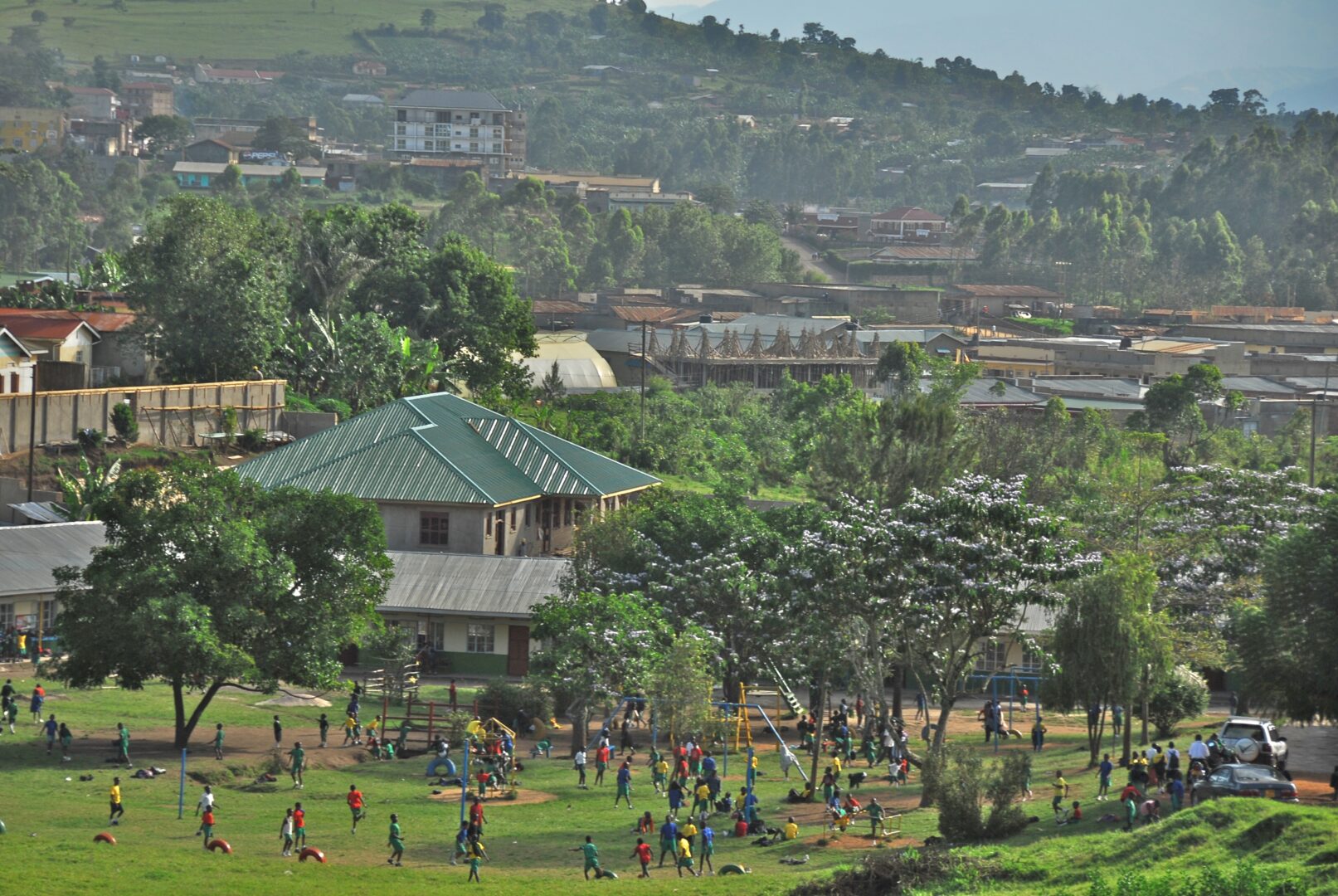
Located in the foothills of the Rwenzori Mountains, Fort Portal is surrounded by rolling green hills, tea plantations, crater lakes, forests and fertile farmland. The town also serves as an important base for exploring the wider Toro Kingdom and the attractions of western Uganda.
For travelers, Fort Portal is much more than a place to pass through. It can be used as a base for exploring Kibale National Park, the Crater Lakes Region, Bigodi Wetland Sanctuary, Semuliki National Park, Amabere Caves and the Rwenzori landscape.

Where Is Fort Portal?
Fort Portal is located in western Uganda, in what is now Kabarole District.
The town sits within the scenic landscape of the Albertine Rift, relatively close to the Rwenzori Mountains and surrounded by the famous crater lakes of the Toro region.
Its geographical position makes it an excellent base for exploring several major western Uganda destinations.
Why Is Fort Portal Famous?
Fort Portal is best known for its combination of scenery, culture and proximity to wildlife destinations.
The area is associated with:
Crater lakes
Tea plantations
Kibale National Park
Chimpanzee trekking
Bigodi Wetland Sanctuary
Amabere Caves
Semuliki National Park
Rwenzori Mountains
Toro Kingdom
This unusual concentration of attractions makes Fort Portal one of the most useful tourism bases in western Uganda.
Fort Portal and the Toro Kingdom
Fort Portal is the main urban center associated with the Toro Kingdom, one of Uganda’s traditional kingdoms.
The kingdom has a long cultural history and remains an important part of the identity of the region.
Travelers interested in culture can learn about:
Toro traditions
Royal history
Traditional food
Local communities
Music and dance
Agriculture
Traditional institutions
This gives Fort Portal a cultural dimension that complements its natural attractions.
The Name Fort Portal
The town’s name comes from Sir Gerald Portal, a British commissioner associated with Uganda during the colonial period.
The historical name reflects the area’s colonial history, while the surrounding region has much deeper pre-colonial cultural roots connected to the Toro Kingdom.
Today, the name Fort Portal is firmly established as the identity of the town.
Fort Portal and the Crater Lakes
One of Fort Portal’s greatest attractions is its proximity to the Crater Lakes Region.
The countryside surrounding the town contains numerous crater lakes formed through volcanic and geological processes.
Among the better-known lakes are:
Lake Nyinambuga
Lake Nkuruba
Lake Kyaninga
Lake Nyabikere
Lake Saaka
Kasenda crater lakes
These lakes create a landscape of green hills, blue and green water, forests, farms and crater rims.
For photographers and nature lovers, this is one of the most attractive areas of western Uganda.
Lake Kyaninga
Lake Kyaninga is one of the most dramatic crater-lake attractions near Fort Portal.
The lake lies beneath Kyaninga Volcano, creating a striking combination of water and volcanic landscape.
Visitors can enjoy the scenery, photography and nature experiences around the area.
It is particularly attractive to travelers looking for a peaceful countryside experience.
Lake Nkuruba
Lake Nkuruba is another popular crater lake near Fort Portal.
The lake is surrounded by lush vegetation and is associated with the Lake Nkuruba Nature Reserve.
Visitors can combine lake views with forest walks and opportunities to look for monkeys and birds.
Fort Portal and Kibale National Park
This is one of the most important tourism connections.
Kibale National Park is one of Africa’s best-known destinations for chimpanzee trekking and is also famous for its diversity of primates.
Fort Portal is conveniently located for travelers heading toward Kibale.
A visitor can stay in Fort Portal and explore the surrounding crater lakes before continuing to Kibale for:
Chimpanzee trekking
Forest walks
Primate viewing
Bird watching
This makes Fort Portal an excellent stop on a western Uganda safari.
Fort Portal and Bigodi Wetland Sanctuary
Bigodi Wetland Sanctuary is another major attraction associated with the Fort Portal–Kibale area.
The sanctuary is known for its wetland environment, birdlife, plants and primates.
A guided walk through Bigodi provides a different experience from chimpanzee trekking in Kibale.
Instead of focusing exclusively on one species, travelers explore a broader wetland ecosystem.
Fort Portal and Amabere Caves
Amabere Caves is another attraction that can easily be combined with a Fort Portal visit.
The caves are associated with local Toro traditions and legends and are surrounded by beautiful countryside.
The site provides an interesting mixture of:
Culture
Geology
History
Waterfalls
Scenery
This makes it an excellent complement to the crater lakes.
Fort Portal and Semuliki National Park
Fort Portal also provides access toward Semuliki National Park, located farther west in the Albertine Rift.
Semuliki is particularly famous for its:
Hot springs
Forest
Birdlife
Primates
Albertine Rift scenery
Travelers can use Fort Portal as a base before heading into the park.
Fort Portal and the Rwenzori Mountains
The Rwenzori Mountains rise west of Fort Portal and form one of the most spectacular mountain landscapes in Uganda.
On clear days, travelers can sometimes see the mountains from viewpoints around the region.
Fort Portal can therefore be incorporated into a broader itinerary connecting:
Fort Portal
Rwenzori Mountains
Kasese
Queen Elizabeth National Park
This creates a strong western Uganda circuit.
Tea Plantations Around Fort Portal
Tea is an important part of the landscape around Fort Portal.
The green tea plantations spread across rolling hills, producing some of the most attractive countryside scenery in the region.
For photographers, the plantations offer a very different visual experience from Uganda’s savannah parks.
Travelers can also learn about tea cultivation and the role of agriculture in the local economy where organized visits are available.
Fort Portal for Nature Lovers
Fort Portal is particularly attractive to travelers who enjoy nature without necessarily wanting a traditional game-drive safari every day.
The surrounding region provides:
Crater lakes
Forests
Wetlands
Tea plantations
Mountains
Rivers
Bird habitats
This makes the town an excellent base for a slower, landscape-focused holiday.
Bird Watching Around Fort Portal
The combination of forests, wetlands, crater lakes and agricultural landscapes provides excellent opportunities for birding.
Birders can explore the wider region through:
Kibale National Park
Bigodi Wetland Sanctuary
Semuliki National Park
Crater lakes
Forest reserves
Each environment attracts different bird species.
For serious birders, Fort Portal can therefore be used as a base for exploring several habitats.
Primate Experiences Near Fort Portal
The wider Fort Portal region is one of Uganda’s strongest areas for primate experiences.
Kibale provides opportunities to encounter:
Chimpanzees
Red colobus
Black-and-white colobus
L’Hoest’s monkeys
Red-tailed monkeys
and other forest species.
Bigodi also provides opportunities to encounter several primate species.
Fort Portal’s location makes it convenient to combine these experiences with crater-lake sightseeing.
Fort Portal for Hiking
The hills and crater landscapes around Fort Portal provide opportunities for hiking and nature walks.
Possible experiences include:
Crater-rim walks
Forest walks
Village walks
Tea-estate walks
Lake viewpoints
Nature trails
The terrain varies considerably, so travelers should choose walks according to their fitness and available time.
Fort Portal for Photography
Man, this is one destination where photographers can easily fill a memory card.
The region offers:
Crater lakes
Green hills
Tea plantations
Rwenzori views
Forests
Sunrise
Sunset
Rural communities
Birdlife
Wildlife
The combination of foreground lakes and distant mountains can create particularly strong landscape photographs.
Fort Portal for Couples
Fort Portal is a great destination for couples looking for a quieter side of Uganda.
Rather than rushing between attractions, couples can enjoy:
Crater-lake viewpoints
Nature walks
Tea-country scenery
Forest experiences
Cultural activities
Peaceful accommodation
It works particularly well as part of a relaxed western Uganda itinerary.
Fort Portal for Families
Families can also enjoy Fort Portal and its surrounding attractions.
Children can experience:
Crater lakes
Birds
Monkeys
Forests
Tea plantations
Cultural experiences
Waterfalls
Activities should be selected according to age and physical ability, particularly when hiking or exploring uneven terrain.
Fort Portal for Adventure Travelers
Fort Portal is not primarily an adrenaline destination like Jinja, but it provides access to several outdoor activities.
Travelers can combine the town with:
Hiking
Mountain trekking
Forest walks
Cycling
Caving
Nature exploration
For more demanding mountain adventures, the Rwenzori Mountains offer significantly more challenging trekking.
Fort Portal Food and Local Life
Fort Portal provides an opportunity to experience everyday life in western Uganda.
Local food and agricultural products are an important part of the region’s identity.
Travelers may encounter foods such as:
Matoke
Cassava
Sweet potatoes
Beans
Groundnuts
Fresh fruit
Tea
Trying local food can add a cultural dimension to a visit.
Fort Portal and Local Agriculture
Agriculture plays an important role in the surrounding countryside.
The fertile environment supports:
Tea
Bananas
Coffee
Fruit
Vegetables
and other crops.
The agricultural landscape is one of the reasons the area remains so green throughout much of the year.
Best Time to Visit Fort Portal
Fort Portal can be visited throughout the year.
Because of its location and climate, the region receives considerable rainfall, which keeps the landscape green.
The drier periods can make hiking and road travel easier, while wetter periods can produce particularly lush scenery.
For chimpanzee trekking and other activities, it is still possible to visit during wetter months, but travelers should expect muddy trails in some areas.
How Long Should You Stay in Fort Portal?
I’d recommend at least two nights if Fort Portal is being used as a genuine destination rather than simply an overnight stop.
With two to three days, travelers can combine:
Crater lakes
Amabere Caves
Kibale National Park
Bigodi Wetland Sanctuary
Tea plantations
With additional time, Fort Portal can become the base for exploring Semuliki National Park or continuing toward the Rwenzori Mountains.
How to Get to Fort Portal
Fort Portal is accessible by road from Kampala and other parts of Uganda.
It is also strategically positioned for travelers coming from:
Kampala
Mbarara
Queen Elizabeth National Park
Kasese
Kibale
Semuliki
The journey from Kampala takes several hours by road, so most safari travelers will find it more practical to include Fort Portal within a multi-day western Uganda itinerary rather than make it a quick day trip.
Where to Stay in Fort Portal
Fort Portal and the surrounding countryside offer accommodation ranging from simple guesthouses and hotels to more upscale lodges.
For travelers focused on:
Crater lakes, staying outside town can provide a more scenic environment.
For travelers exploring several attractions, staying closer to Fort Portal provides easier access to restaurants, transport and other services.
For chimpanzee trekking, staying nearer to Kibale National Park may be more convenient.
Fort Portal as a Safari Base
This is perhaps the most important way to position Fort Portal on your website.
It is a gateway destination.
From Fort Portal, travelers can create an itinerary that combines:
Crater Lakes → Kibale → Bigodi → Semuliki → Rwenzori
This gives travelers access to some of western Uganda’s strongest combinations of:
Primates
Forests
Mountains
Lakes
Culture
Scenery
Wildlife
Responsible Tourism in Fort Portal
Visitors should help protect the landscapes and communities that make Fort Portal attractive.
Travelers should:
Avoid littering.
Respect local communities.
Ask permission before taking photographs of people.
Stay on established trails.
Avoid polluting crater lakes.
Respect farms and private property.
Use local guides where appropriate.
Support locally owned businesses when possible.
Is Fort Portal Worth Visiting?
Definitely.
Fort Portal is one of those destinations where the surrounding landscape is almost as important as the town itself.
It gives travelers access to a remarkable concentration of attractions without requiring them to travel huge distances between completely different regions.
If you’re building a western Uganda itinerary, Fort Portal can serve as the bridge between Kibale’s forests, the crater lakes, Semuliki’s lowland rainforest, the Rwenzori Mountains and the cultural landscape of Toro.
It is therefore much more than an overnight stop.
Who Should Visit Fort Portal?
Fort Portal is particularly suitable for:
Nature lovers
Chimpanzee trekkers
Bird watchers
Hikers
Photographers
Couples
Families
Cultural travelers
Adventure travelers
Tea enthusiasts
Travelers exploring western Uganda
Frequently Asked Questions
Where Is Fort Portal?
Fort Portal is in western Uganda, in Kabarole District, within the scenic Toro and Albertine Rift landscape.
What Is Fort Portal Famous For?
It is famous for its crater lakes, tea plantations, beautiful countryside, Toro culture and proximity to Kibale National Park, Semuliki National Park and the Rwenzori Mountains.
Is Fort Portal Near Kibale National Park?
Yes. Fort Portal is conveniently located for travelers visiting Kibale, although the exact distance and travel time depend on the particular park entrance or accommodation being used.
Can I Visit the Crater Lakes From Fort Portal?
Yes. Fort Portal is one of the main bases for exploring the crater lakes around the Toro region.
Is Fort Portal Worth Visiting for Tourists?
Yes. It is especially worthwhile for travelers interested in nature, scenery, culture, primates and western Uganda’s major attractions.
Can I See the Rwenzori Mountains From Fort Portal?
On clear days, views toward the Rwenzori Mountains can be possible from parts of the surrounding region, although visibility depends on weather and location.
How Many Days Should I Spend in Fort Portal?
Two or three days works well for combining Fort Portal’s main attractions, while longer stays allow travelers to explore more of western Uganda.