







Overview
Gulu – Travel Overview
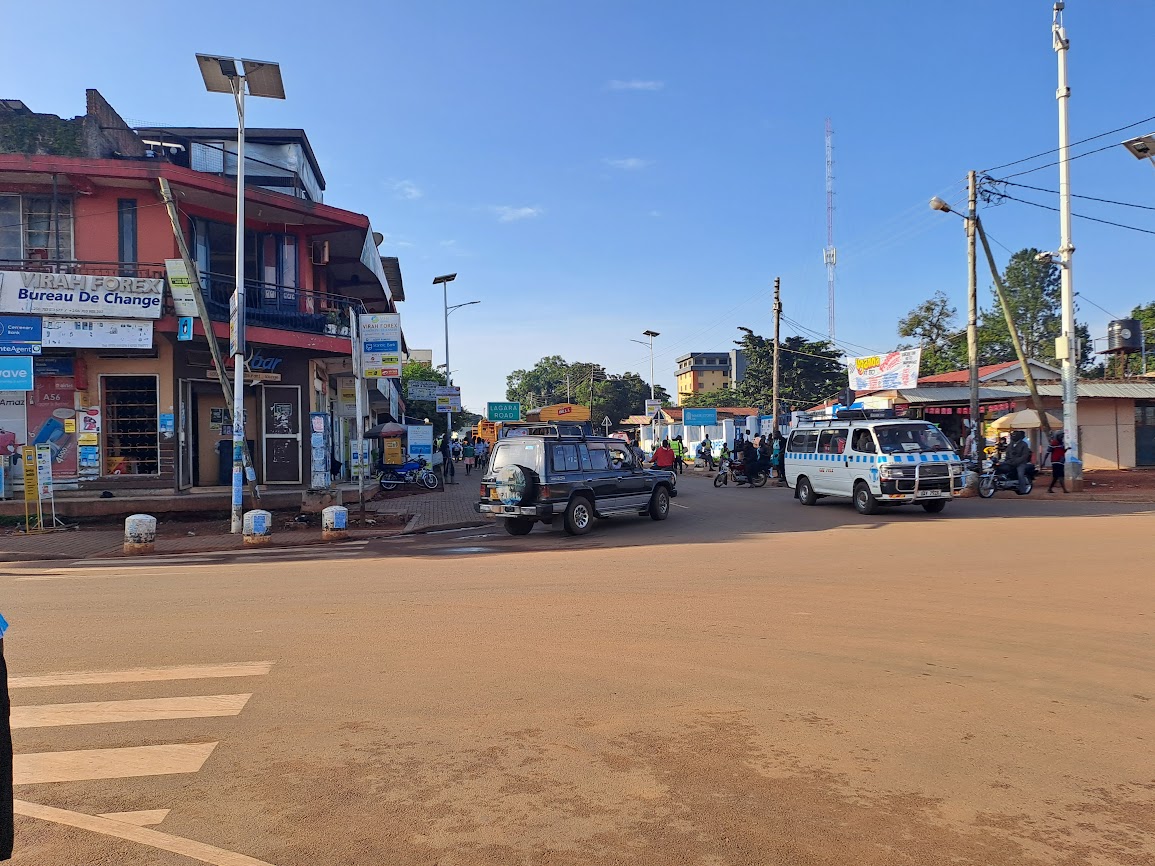
Gulu is the largest urban center in northern Uganda and an important cultural, commercial and transportation hub for the northern region.
Located in the heart of the Acholi sub-region, Gulu offers travelers an opportunity to experience a part of Uganda that is very different from the country’s traditional safari destinations.
The city and surrounding region are particularly interesting for travelers interested in Acholi culture, history, traditional food, local markets, crafts and community life.
Gulu can also serve as a useful stop when traveling through northern Uganda toward destinations such as Murchison Falls National Park, Ziwa Rhino Sanctuary and other attractions farther north

Where Is Gulu?
Gulu is located in northern Uganda, approximately 330 kilometres north of Kampala by road.
It is the main urban center of Gulu District and an important gateway to the wider Acholi region.
The city is surrounded by a predominantly rural landscape, with communities, farmland and cultural sites extending beyond the urban center.
What Is Gulu Famous For?
Gulu is particularly known for its connection to Acholi culture and northern Uganda’s history.
The city is associated with:
Acholi culture
Traditional music and dance
Local crafts
Markets
Northern Ugandan cuisine
Community tourism
Regional history
Trade and commerce
Its tourism appeal comes largely from the opportunity to experience everyday northern Ugandan life rather than from conventional game viewing.
Gulu and Acholi Culture
The Acholi people are one of the major cultural groups of northern Uganda.
Culture remains an important part of life in the region, expressed through music, dance, food, storytelling, crafts and community traditions.
Visitors interested in Acholi culture can explore experiences involving:
Traditional dance
Music
Storytelling
Traditional food
Handicrafts
Community visits
Local history
Where organized cultural experiences are available, visiting with a local guide provides greater context and helps ensure that traditions are presented respectfully.
Traditional Acholi Dance
Music and dance are an important part of Acholi cultural expression.
Traditional performances can involve coordinated movement, drumming and singing.
For visitors, attending a properly organized cultural performance can provide an opportunity to understand the cultural significance behind the music rather than simply watching it as entertainment.
Gulu’s History
Gulu and the wider Acholi region have a complex and important modern history.
Northern Uganda experienced decades of conflict, particularly during the period of the Lord’s Resistance Army insurgency.
Gulu became one of the most important urban centers associated with the conflict and its aftermath.
Today, the city is also associated with recovery, entrepreneurship, education, community development and regional growth.
For travelers, understanding this history can provide important context when exploring northern Uganda.
Gulu and Post-Conflict Tourism
Gulu’s modern tourism story is not only about the past.
The region has undergone significant social and economic transformation, and tourism can contribute to local livelihoods by supporting:
Accommodation businesses
Restaurants
Local guides
Craft producers
Transport providers
Cultural performers
Community initiatives
Travelers can therefore experience Gulu while contributing to the region’s growing tourism economy.
Gulu Markets
Local markets provide one of the easiest ways to experience everyday life in Gulu.
Markets bring together farmers, traders, food sellers and craftspeople from surrounding communities.
Visitors can encounter:
Fresh produce
Grains
Fruits
Vegetables
Clothing
Household goods
Local crafts
For photographers, markets also provide opportunities to capture the energy of everyday life—although permission should always be requested before photographing individuals.
Gulu and Local Food
Food is another excellent way to experience northern Uganda.
Travelers can try locally prepared dishes featuring ingredients such as:
Millet
Cassava
Sweet potatoes
Beans
Groundnuts
Greens
Meat
Fresh fruits
Some traditional foods are particularly associated with northern Ugandan communities.
A local food experience can therefore be incorporated into a cultural itinerary rather than simply treated as a meal stop.
Gulu for Cultural Travelers
Gulu is particularly rewarding for travelers who want to understand Uganda beyond national parks.
A cultural-focused visit can combine:
Local markets
Traditional food
Music and dance
Crafts
Community visits
Historical storytelling
This creates a more human-centered travel experience.
Gulu and Traditional Crafts
Crafts are an important part of cultural tourism in northern Uganda.
Depending on what is available locally, travelers may encounter products such as:
Baskets
Beadwork
Wooden crafts
Decorative items
Traditional household products
Purchasing locally made crafts can provide direct support to artisans and small businesses.
Gulu for Photography
Gulu offers photographers a completely different subject from Uganda’s wildlife parks.
Interesting subjects include:
Markets
Street scenes
Traditional performances
Crafts
Rural landscapes
Farmland
Sunrise and sunset
Community life
For cultural photography, obtaining consent is particularly important.
Gulu and Community Tourism
Community tourism can be one of the most meaningful ways to experience Gulu.
Instead of simply driving through the region, visitors can spend time learning about:
Local livelihoods
Agriculture
Traditional food
Cultural practices
Craft production
Music
Village life
These experiences can create direct economic opportunities for local communities when properly organized.
Gulu as a Northern Uganda Gateway
Gulu’s location makes it strategically important for travelers exploring northern Uganda.
Depending on the itinerary, Gulu can be connected with destinations such as:
Murchison Falls National Park
Ziwa Rhino Sanctuary
Karuma
Acholi cultural destinations
Kitgum
Pader
Lira
Kidepo Valley National Park
The city can therefore function as a practical overnight stop or starting point for longer northern Uganda journeys.
Gulu and Murchison Falls National Park
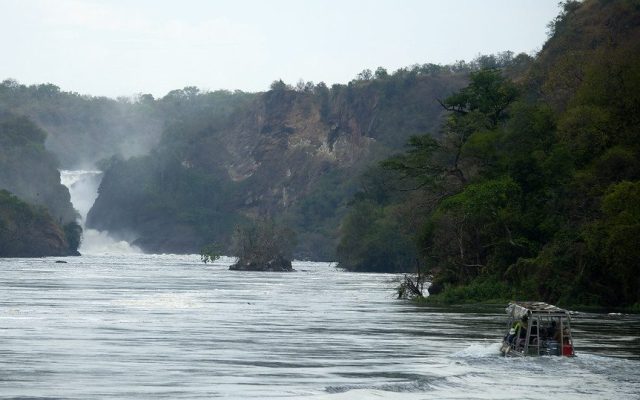
One of the strongest tourism connections is with Murchison Falls National Park.
Travelers moving between Kampala and northern Uganda may pass through or near Gulu depending on their route.
A Gulu stop can add a cultural dimension to an otherwise wildlife-focused safari.
For example:
Kampala → Ziwa Rhino Sanctuary → Murchison Falls → Gulu
can create a combination of wildlife and cultural experiences.
Alternatively, Gulu can be incorporated into longer northern circuits.
Gulu and Kidepo Valley National Park
Gulu can also form part of a longer journey toward Kidepo Valley National Park.
However, travelers should understand that Kidepo is significantly farther northeast.
Gulu is therefore better viewed as a regional stop or gateway, rather than the immediate base for Kidepo.
For a Kidepo safari, sufficient driving time should be built into the itinerary.
Gulu and Karamoja
Travelers continuing farther east can eventually connect northern Uganda with the Karamoja region.
This creates an interesting cultural and geographical transition from the Acholi landscape into northeastern Uganda.
A longer itinerary can therefore combine:
Gulu → Kitgum → Karamoja → Kidepo Valley
depending on road conditions, time and the traveler’s interests.
Gulu for Families
Families visiting Gulu can enjoy cultural and educational experiences that introduce children to northern Ugandan life.
Possible activities include:
Market visits
Craft experiences
Food experiences
Cultural performances
Short community excursions
Parents should choose activities that are age appropriate and organized with local communities.
Gulu for Couples
Gulu can be an interesting stop for couples who want something different from a conventional safari.
Couples can combine:
Cultural experiences
Local food
Market visits
Photography
Community activities
with a wider northern Uganda itinerary.
The destination is especially useful for couples who value cultural immersion.
Gulu for Adventure Travelers
Gulu is not primarily an adventure-sports destination.
Its attraction is more closely connected to cultural exploration and regional travel.
However, travelers passing through northern Uganda can use Gulu as a base for longer road adventures toward national parks and more remote destinations.
Best Time to Visit Gulu
Gulu can be visited throughout the year.
The best period depends on the type of experience you want.
Drier conditions can make road travel and outdoor excursions easier, while rainy periods can produce greener landscapes.
If Gulu is part of a longer northern Uganda safari, it is best to consider the weather conditions across the entire itinerary, especially if traveling toward remote destinations.
How Long Should You Stay in Gulu?
For a traveler simply passing through, one night can be enough.
For visitors specifically interested in Acholi culture and community tourism, two nights provides more time for cultural experiences without rushing.
Longer stays can be useful if Gulu is being used as part of a broader northern Uganda itinerary.
How to Get to Gulu
Gulu is primarily accessed by road from Kampala and other Ugandan towns.
The journey takes several hours, making it more suitable as part of a multi-day itinerary rather than a quick excursion from Kampala.
Gulu’s location along the northern road network also makes it useful for travelers continuing toward other northern destinations.
Where to Stay in Gulu
Gulu has a range of accommodation options, including hotels, guesthouses and lodges.
Travelers should choose accommodation based on:
Budget
Location
Comfort
Access to restaurants
Safari transport arrangements
Length of stay
For visitors using Gulu as a transit point, a centrally located hotel can be convenient.
Gulu for Business and Conference Travel
Unlike many rural tourism destinations in Uganda, Gulu is also an important commercial and administrative center.
This means the city has facilities that serve:
Business travelers
Organizations
Conferences
Government activities
Regional commerce
This gives Gulu a more developed urban character than many destinations farther into northern Uganda.
Responsible Tourism in Gulu
Tourism in Gulu should be approached with cultural sensitivity.
Visitors should:
Ask permission before photographing people.
Respect local traditions.
Dress appropriately for cultural visits.
Buy crafts directly from artisans where possible.
Avoid insensitive treatment of the region’s history.
Support local businesses.
Use community-based guides where available.
Avoid treating communities as tourist spectacles.
This is particularly important when discussing northern Uganda’s recent history.
Is Gulu Worth Visiting?
Yes—especially if you want to understand northern Uganda beyond wildlife.
Gulu may not have the dramatic waterfalls of western Uganda or the large concentrations of wildlife found in national parks, but its value lies elsewhere.
It offers travelers an opportunity to experience Acholi culture, northern Ugandan food, local markets, crafts, community life and an important chapter of Uganda’s history.
For safari travelers, Gulu can also provide a valuable cultural break between wildlife destinations.
Who Should Visit Gulu?
Gulu is particularly suitable for:
Cultural travelers
History enthusiasts
Photographers
Food travelers
Community-tourism travelers
Families
Couples
Travelers exploring northern Uganda
Travelers heading toward Murchison Falls
Travelers undertaking longer northern Uganda road trips
Frequently Asked Questions
Where Is Gulu?
Gulu is located in northern Uganda and is the main urban center of the Acholi sub-region.
What Is Gulu Famous For?
Gulu is best known for its Acholi cultural heritage, history, markets, regional commerce and role as a gateway to northern Uganda.
Is Gulu a Safari Destination?
Gulu itself is not primarily a traditional wildlife-safari destination. It is better known as a cultural and regional gateway, although it can be included in longer northern Uganda safari itineraries.
Can I Visit Gulu on the Way to Murchison Falls?
Yes, depending on your route. Gulu can be incorporated into a longer northern Uganda itinerary.
Can I Experience Acholi Culture in Gulu?
Yes. Depending on local availability, travelers can arrange cultural experiences involving food, music, dance, crafts, storytelling and community visits.
How Many Days Do I Need in Gulu?
One night is enough for a short stop, while two nights is more suitable if cultural experiences are a major reason for visiting.
Is Gulu Safe for Tourists?
Gulu is a functioning Ugandan city and an important regional center. As with travel anywhere, visitors should use normal precautions, particularly with valuables, transport and unfamiliar areas.