





Overview
Hoima – Travel Overview
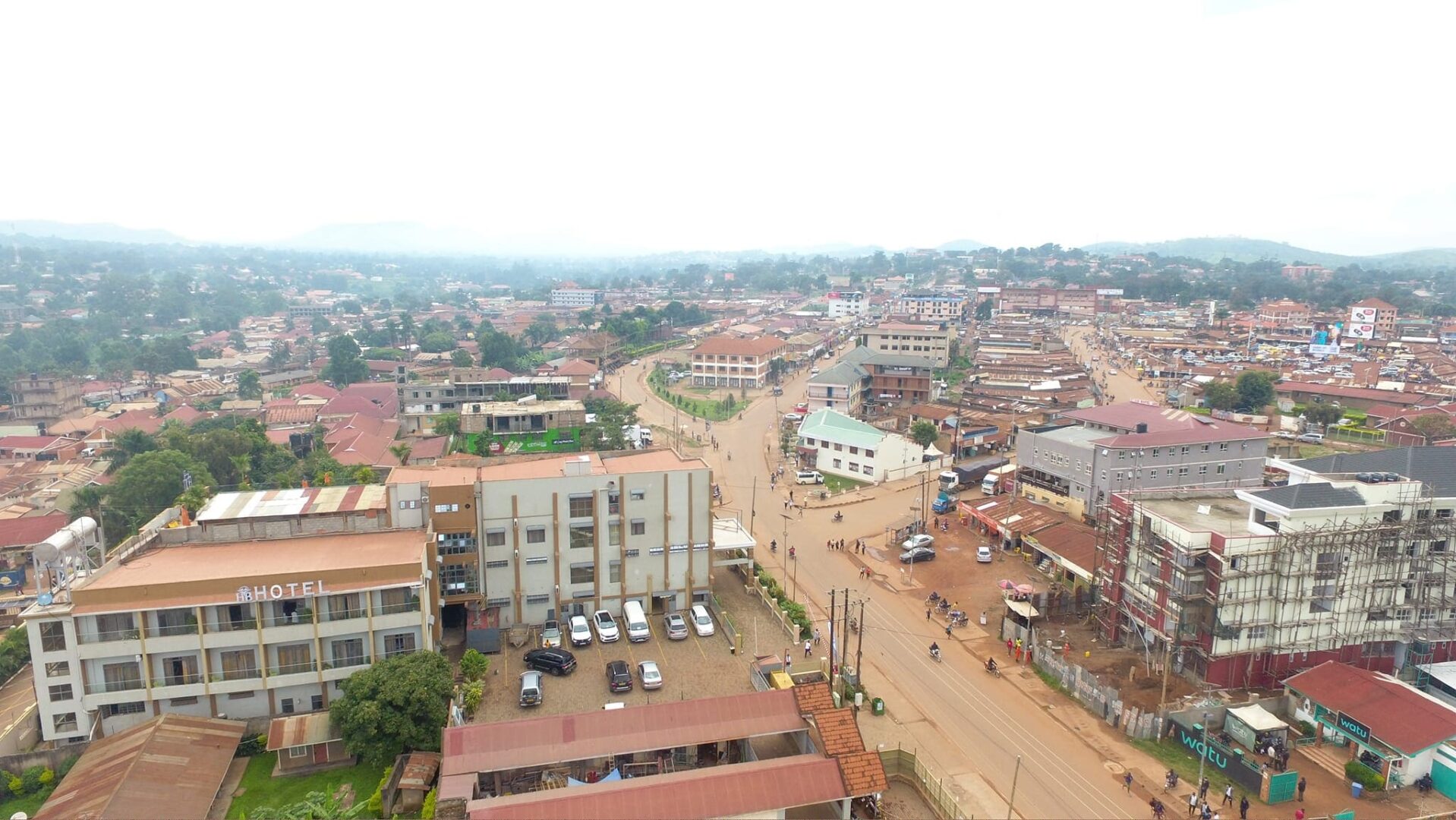
Hoima is an important town in western Uganda and the main urban center of Bunyoro sub-region. Sitting on the edge of the Albertine Rift, Hoima provides an interesting combination of culture, history, natural landscapes and growing tourism opportunities.
The town is particularly important for travelers exploring the Bunyoro Kingdom and Lake Albert region, and it can also serve as a useful stop on journeys toward Murchison Falls National Park and other destinations in northwestern Uganda.
While Hoima is not primarily known as a traditional wildlife-viewing destination, its surrounding region offers travelers opportunities to experience Bunyoro culture, historical sites, lakeside landscapes, forests, wetlands and local communities.

Where Is Hoima?
Hoima is located in western Uganda, in Hoima District, within the historic Bunyoro region.
The town lies relatively close to Lake Albert and the Albertine Rift, placing it in a strategically important part of western Uganda.
Its location makes it useful for travelers moving between central Uganda, the Lake Albert region and northwestern safari destinations.
What Is Hoima Famous For?
Hoima is best known for its connection to Bunyoro culture and history.
The area is associated with:
Bunyoro-Kitara Kingdom
Mparo Royal Tombs
Lake Albert
Albertine Rift landscapes
Oil and energy development
Local markets
Traditional culture
Community life
Western Uganda tourism
This combination gives Hoima a different tourism identity from destinations such as Fort Portal or Mbarara.
Hoima and the Bunyoro-Kitara Kingdom
One of the most important reasons to visit Hoima is its connection to the Bunyoro-Kitara Kingdom.
Bunyoro is one of Uganda’s historic kingdoms and has played an important role in the history and cultural development of the region.
Travelers interested in Uganda’s traditional kingdoms can use Hoima as a starting point for exploring Bunyoro’s:
Royal history
Traditional institutions
Cultural practices
Historical sites
Local communities
Understanding this cultural background adds considerably to a visit.
Mparo Royal Tombs
The Mparo Royal Tombs are among Hoima’s most important historical attractions.
The site is associated with the royal history of Bunyoro and the burial place of former Omukamas of Bunyoro.
It provides visitors with an opportunity to learn about the kingdom’s history and traditions.
For cultural travelers, Mparo is much more than a historical stop—it provides context for understanding the significance of Bunyoro in Uganda’s history.
Hoima and Lake Albert
Lake Albert is one of the defining geographical features of the wider Hoima region.
The lake forms part of the Albertine Rift, a landscape known for dramatic scenery and biological diversity.
Visitors exploring the Lake Albert area can experience:
Lakeside scenery
Fishing communities
Birdlife
Wetlands
Rift Valley landscapes
Local livelihoods
The lake is particularly interesting for travelers who want to experience a different side of Uganda’s water landscapes.
Lake Albert Fishing Communities
Fishing is an important traditional livelihood around Lake Albert.
Communities living along the lake depend on fishing and related activities.
A responsible cultural visit can provide insight into:
Fishing techniques
Fish processing
Local markets
Lake-based livelihoods
Community life
Such experiences should be arranged respectfully and, where possible, through local guides or community-based tourism initiatives.
Hoima and the Albertine Rift
Hoima sits within a broader landscape shaped by the Albertine Rift.
The region contains forests, lakes, wetlands, escarpments and wildlife habitats.
This geological setting is one of the reasons western Uganda is so rich in natural attractions.
Travelers moving through Hoima can therefore experience landscapes that are very different from the open savannahs of eastern and northern Uganda.
Hoima and Oil Development
Hoima has become increasingly important because of Uganda’s oil industry.
The wider Albertine region contains significant petroleum resources, and Hoima has emerged as an important center for oil-related infrastructure and economic activity.
This has transformed the region’s economic importance and is an important part of Hoima’s modern identity.
For tourism content, however, it is best to present oil development as part of the region’s contemporary story, rather than making it the primary tourist attraction.
Hoima and Tourism Development
The growth of Hoima has also created opportunities for tourism-related businesses.
As the region develops, there is increasing potential for:
Hotels
Restaurants
Transport services
Cultural tourism
Lake excursions
Business tourism
Conference tourism
Hoima therefore has an expanding role beyond being a traditional regional town.
Hoima and Murchison Falls National Park
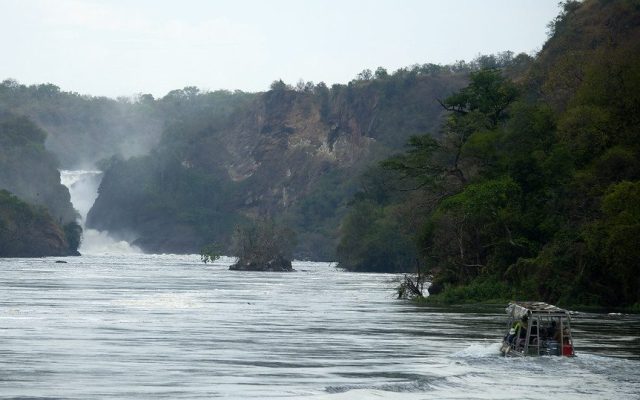
One of the most useful tourism connections is with Murchison Falls National Park.
Hoima can serve as a stop on certain routes toward the park, particularly for travelers exploring the western side of the Lake Albert landscape.
A longer itinerary can combine:
Hoima → Lake Albert → Murchison Falls
This provides a combination of culture, lakeside scenery and wildlife.
The exact routing and driving times depend on the specific starting point and park entrance.
Hoima and Bugungu Wildlife Reserve
The wider Lake Albert landscape also connects with Bugungu Wildlife Reserve.
Bugungu forms part of the broader conservation landscape around Murchison Falls and Lake Albert.
The reserve provides habitat for wildlife and contributes to the ecological importance of the region.
For safari planning, however, Murchison Falls National Park remains the more established major wildlife destination.
Hoima and Kabwoya Wildlife Reserve
Another important connection is Kabwoya Wildlife Reserve, located along the Lake Albert escarpment.
Kabwoya is particularly interesting for travelers looking for a quieter wildlife experience.
The reserve combines:
Savannah
Woodland
Lake Albert views
Birdlife
Wildlife
Its location makes it a useful addition to a western Uganda itinerary.
Hoima and Budongo Forest
Travelers exploring the Hoima–Lake Albert–Murchison region can also connect with Budongo Forest Reserve.
Budongo is one of Uganda’s important forest ecosystems and is particularly significant for:
Chimpanzees
Forest birds
Primates
Trees
Nature walks
This provides an opportunity to combine Hoima’s cultural attractions with forest and wildlife experiences.
Hoima for Cultural Travelers
Hoima is particularly suited to travelers who want to understand Uganda’s traditional kingdoms.
A cultural itinerary can combine:
Mparo Royal Tombs
Bunyoro history
Local markets
Traditional food
Crafts
Community experiences
This makes Hoima a valuable stop for travelers who want something beyond game drives.
Hoima Local Markets
Markets provide an opportunity to experience everyday life in the Bunyoro region.
Visitors may encounter:
Fresh produce
Fish
Fruits
Vegetables
Grains
Clothing
Handicrafts
Household goods
Markets can be particularly interesting for photographers, but visitors should ask permission before photographing individuals.
Hoima and Traditional Food
Food is another way to experience the Bunyoro region.
Travelers can encounter dishes based around:
Matoke
Cassava
Sweet potatoes
Beans
Groundnuts
Fish
Fresh vegetables
Seasonal fruits
Lake Albert also contributes fish to the local food culture.
Trying locally prepared food can make a cultural visit much more meaningful.
Hoima for Photography
Hoima and the surrounding region provide diverse photographic subjects.
Photographers can capture:
Lake Albert
Fishing communities
Bunyoro cultural sites
Rural landscapes
Markets
Farmland
Sunrise
Sunset
Albertine Rift scenery
The combination of cultural and natural subjects makes Hoima particularly interesting for documentary-style travel photography.
Hoima for Nature Lovers
Although Hoima itself is an urban destination, its surroundings provide access to several natural environments.
These include:
Lake Albert
Wetlands
Forests
Wildlife reserves
Escarpments
Rural landscapes
This makes Hoima useful as a gateway rather than simply a city attraction.
Hoima for Families
Families interested in culture and regional exploration can enjoy Hoima.
Children can learn about:
Bunyoro history
Traditional kingdoms
Fishing
Agriculture
Local markets
Lake ecosystems
Activities involving water or wildlife should always be undertaken with appropriate supervision.
Hoima for Couples
Hoima can be a peaceful stop for couples traveling through western Uganda.
Couples can combine:
Cultural sightseeing
Lake Albert scenery
Nature excursions
Local food
Rural photography
with a broader western or northwestern Uganda itinerary.
Hoima for Business Travelers
Hoima’s growing importance in the oil and energy sector has increased its role as a business center.
The city has accommodation and services catering to:
Business travelers
Organizations
Government activities
Conferences
Regional commerce
This gives Hoima a stronger urban and commercial identity than many smaller tourism destinations.
Best Time to Visit Hoima
Hoima can be visited throughout the year.
The most suitable period depends on the purpose of the trip.
For outdoor excursions and road travel, drier conditions may be more convenient.
Rainy periods can make surrounding countryside greener but may also make some rural roads and trails more difficult.
If Hoima is part of a safari itinerary, consider weather conditions across the entire route.
How Long Should You Stay in Hoima?
For travelers simply passing through, one night can be enough.
For visitors specifically interested in Bunyoro culture, Lake Albert and nearby attractions, two nights provides more flexibility.
Longer stays become worthwhile when Hoima is being used as a base for exploring destinations such as:
Kabwoya Wildlife Reserve
Budongo Forest
Bugungu Wildlife Reserve
Murchison Falls National Park
How to Get to Hoima
Hoima is accessible by road from Kampala and other parts of Uganda.
It is strategically positioned between central Uganda and the Lake Albert/northwestern Uganda region.
Travelers can reach Hoima from destinations including:
Kampala
Fort Portal
Masindi
Murchison Falls
Lake Albert
The most practical option for safari travelers is usually a private vehicle with a knowledgeable driver, particularly when connecting several attractions.
Where to Stay in Hoima
Hoima offers a growing range of accommodation, from hotels and guesthouses to more comfortable establishments.
When choosing accommodation, consider:
Location
Budget
Comfort
Access to restaurants
Safari route
Length of stay
Travelers using Hoima as a transit point may prioritize convenience, while those staying longer may prefer a quieter property.
Responsible Tourism in Hoima
Responsible tourism is particularly important when visiting cultural and community attractions.
Visitors should:
Respect Bunyoro cultural traditions.
Ask before photographing people.
Avoid littering.
Respect historical sites.
Support local businesses.
Use local guides where possible.
Avoid disturbing fishing communities.
Respect private land and community spaces.
Is Hoima Worth Visiting?
Yes, especially when approached as a cultural and regional gateway.
Hoima is not Uganda’s next major Big Five safari destination, and we shouldn’t market it as one.
Its real strength is the combination of Bunyoro culture, history, Lake Albert, Albertine Rift scenery and access to western and northwestern Uganda’s wildlife destinations.
For a traveler interested in understanding more of Uganda beyond the famous national parks, Hoima can add a valuable cultural and geographical dimension.
Who Should Visit Hoima?
Hoima is particularly suitable for:
Cultural travelers
History enthusiasts
Photographers
Lake lovers
Nature travelers
Families
Couples
Business travelers
Travelers exploring Bunyoro
Travelers heading toward Lake Albert
Travelers connecting western and northern Uganda
Frequently Asked Questions
Where Is Hoima?
Hoima is located in western Uganda, in the Bunyoro region, near Lake Albert and the Albertine Rift.
What Is Hoima Famous For?
Hoima is known for its Bunyoro cultural heritage, Mparo Royal Tombs, proximity to Lake Albert and its growing importance as an oil and regional business center.
Is Hoima a Safari Destination?
Hoima itself is primarily a cultural and regional destination, but it provides access to nearby wildlife areas and can be incorporated into longer safari itineraries.
Can I Visit Lake Albert From Hoima?
Yes. Hoima provides access to the wider Lake Albert region, although the exact travel time depends on the specific lakeside destination.
Can I Visit Mparo Royal Tombs?
Yes. Mparo is one of the major historical and cultural attractions associated with Hoima and Bunyoro.
Can Hoima Be Combined With Murchison Falls?
Yes. Hoima can be incorporated into certain itineraries connecting the Bunyoro/Lake Albert region with Murchison Falls National Park.
Is Hoima Near Fort Portal?
Hoima and Fort Portal are both in western Uganda, but they are separate destinations with different tourism identities. Fort Portal is more strongly associated with crater lakes, Kibale and Rwenzori landscapes, while Hoima is more closely connected to Bunyoro and Lake Albert.