





Overview
Kampala – Travel Overview
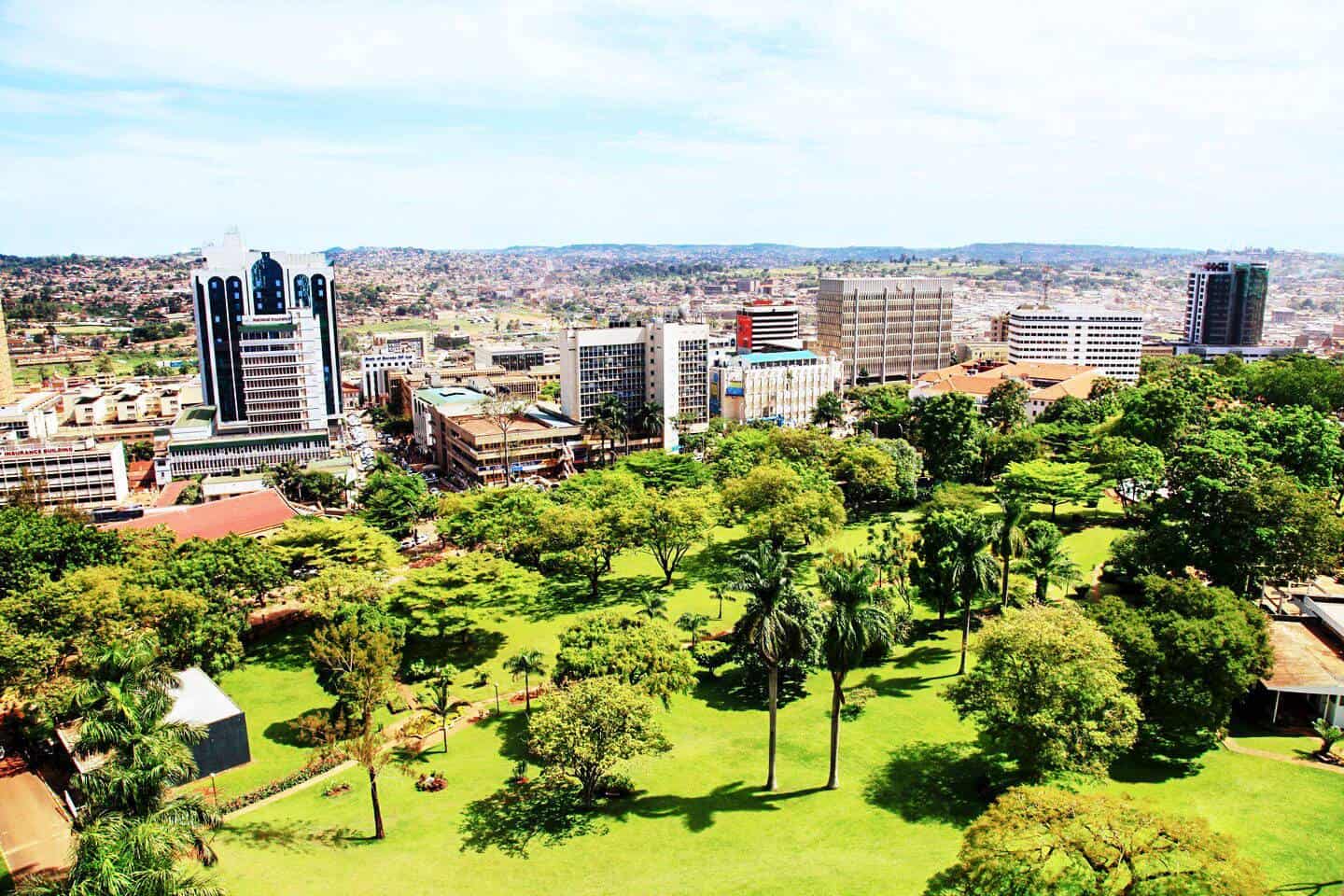
Kampala is the capital and largest city of Uganda, located in the central part of the country near the northern shores of Lake Victoria.
For many international travelers, Kampala is the first major destination they experience after arriving in Uganda. The city provides an introduction to the country’s history, culture, food, religion, nightlife, markets, arts and everyday urban life before travelers continue toward Uganda’s national parks and other attractions.
Kampala is a city of contrasts. Modern shopping centers and busy streets sit alongside historic neighborhoods, traditional cultural sites, religious landmarks, markets and communities.
For travelers willing to explore beyond the main roads, Kampala offers a much deeper experience than simply using it as a transit point.

Where Is Kampala?
Kampala is located in central Uganda, close to the northern shores of Lake Victoria.
The city spreads across a series of hills, which is one reason Kampala has such a distinctive landscape.
Its central location makes it an important starting point for journeys to almost every part of Uganda.
Travelers can travel from Kampala toward:
Jinja
Mabira Forest
Murchison Falls
Fort Portal
Queen Elizabeth National Park
Lake Mburo
Bwindi
Kabale
Kisoro
Kidepo Valley
and many other destinations.
What Is Kampala Famous For?
Kampala is best known for its combination of:
Ugandan culture
History
Religious landmarks
Markets
Food
Music and entertainment
Art
Nightlife
Business
Shopping
Urban life
It is also home to several of Uganda’s most important cultural and historical attractions.
Kampala’s Seven Hills
Kampala is traditionally associated with seven historic hills, although the modern city has expanded far beyond them.
The historic hills are commonly identified as:
Kampala Hill
Mengo Hill
Rubaga Hill
Namirembe Hill
Makerere Hill
Kololo Hill
Nakasero Hill
These hills have played important roles in the development of the city.
Today, Kampala’s urban area extends well beyond the original seven hills, but the historic geography remains an important part of the city’s identity.
Kasubi Tombs
One of Kampala’s most important cultural landmarks is the Kasubi Tombs.
The site is associated with the Buganda Kingdom and serves as the burial place of several former Kabakas of Buganda.
The tombs are also recognized as a UNESCO World Heritage Site.
Visitors can learn about:
Buganda history
Royal traditions
Traditional architecture
Ganda culture
Royal succession
The site is particularly valuable for travelers who want to understand the historical importance of Buganda and Kampala.
Kabaka’s Palace
Another major Buganda historical site is the Kabaka’s Palace, located on Mengo Hill.
The palace complex provides insight into the history of the Buganda Kingdom and Uganda’s political past.
One of the most notable parts of the site is the underground tunnel and chambers associated with the period of Idi Amin’s rule.
Visitors should explore the site with a knowledgeable guide because its history is complex and significant.
Namirembe Cathedral
Namirembe Cathedral is one of Kampala’s most prominent religious landmarks.
Located on Namirembe Hill, the cathedral is associated with the Anglican Church in Uganda.
Its elevated position also provides views across parts of Kampala.
The cathedral forms part of a broader collection of important religious sites in the city.
Rubaga Cathedral
Rubaga Cathedral, also known as Saint Mary’s Cathedral Rubaga, is another major religious landmark.
Located on Rubaga Hill, it is one of the most important Catholic churches in Uganda.
Its architecture, history and hilltop location make it an interesting stop for visitors exploring Kampala’s religious heritage.
Uganda Martyrs Shrine Namugongo
The Uganda Martyrs Shrine at Namugongo is one of the country’s most important religious pilgrimage sites.
It commemorates the Uganda Martyrs who were killed in the late nineteenth century.
The site attracts large numbers of pilgrims, particularly around Martyrs Day on 3 June.
Even outside the annual pilgrimage period, it remains an important historical and religious attraction.
Bahá’í Temple
The Bahá’í Mother Temple of Africa is located on Kikaya Hill in Kampala.
Its peaceful grounds and distinctive architecture make it one of the city’s most interesting places to visit.
The temple is surrounded by gardens and provides a quieter experience away from Kampala’s busy streets.
It is also particularly popular with photographers.
Uganda Museum
The Uganda Museum is one of the best places in Kampala to begin learning about the country’s cultural and natural heritage.
Its collections cover areas including:
Archaeology
Ethnography
Traditional life
Music
Tools
Weapons
Crafts
Historical objects
For someone visiting Uganda for the first time, the museum provides useful context before traveling around the country.
Ndere Cultural Centre
Ndere Cultural Centre provides visitors with an opportunity to experience traditional Ugandan music, dance and cultural performances.
Because Uganda contains many different cultural groups, a cultural performance can give visitors a broader understanding of the country’s diversity.
The centre is particularly useful for travelers who have limited time but still want to experience Ugandan cultural performances.
Kampala Markets
Markets are an important part of Kampala’s character.
Some of the city’s markets offer opportunities to see:
Fresh produce
Clothing
Fruits
Vegetables
Crafts
Spices
Local food
Household products
Souvenirs
For travelers interested in photography, markets also provide a window into everyday urban life.
However, visitors should be respectful when photographing people.
Owino Market
Owino Market, also known as St. Balikuddembe Market, is one of Kampala’s largest and busiest markets.
It is particularly well known for clothing, food, household goods and second-hand products.
The market can be intense and crowded, but that is also part of the experience.
Visitors should take normal precautions with personal belongings and preferably explore busy markets with someone familiar with the area.
Kampala Food Experience
Food is one of the best ways to experience Kampala.
The city brings together cuisines and food traditions from across Uganda.
Travelers can try dishes such as:
Matoke
Rolex
Luwombo
Posho
Groundnut sauce
Grilled meats
Chapati
Cassava
Sweet potatoes
Fresh fish
The famous Ugandan Rolex, a chapati wrapped around eggs and vegetables, is particularly popular as an affordable street-food experience.
Kampala Street Food
Kampala’s streets offer countless opportunities to discover local food.
Depending on the area, visitors may encounter:
Roasted maize
Roasted meat
Chapati
Rolex
Fruits
Cassava
Samosas
Grilled chicken
Street food is an important part of the city’s everyday culture.
Visitors should choose vendors who appear to maintain good hygiene and food-handling practices.
Kampala Nightlife
Kampala is one of East Africa’s lively entertainment cities.
The city has a wide range of:
Restaurants
Live music
Cultural performances
Bars
Lounges
Clubs
Comedy
Entertainment venues
Nightlife varies significantly between neighborhoods, so visitors should choose venues based on their interests and use reliable transportation at night.
Kampala Art and Creative Culture
Kampala has a growing creative scene.
Visitors can discover:
Contemporary art
Ugandan fashion
Photography
Crafts
Music
Dance
Theatre
Independent galleries
The city’s creative community provides another way to experience modern Uganda beyond traditional tourism.
Kampala for History Lovers
Kampala has an unusually rich concentration of historical sites.
A history-focused itinerary can include:
Kasubi Tombs
Kabaka’s Palace
Uganda Museum
Namirembe Cathedral
Rubaga Cathedral
Uganda Martyrs Shrine
Independence-related landmarks
These sites help explain Uganda’s precolonial kingdoms, colonial history, religious development and post-independence story.
Kampala for Cultural Travelers
Cultural travelers can spend several days exploring the city.
Experiences can include:
Buganda heritage
Traditional music
Dance
Local food
Markets
Crafts
Museums
Religious sites
Community experiences
Kampala is particularly useful because visitors can encounter several sides of Ugandan culture without traveling hundreds of kilometres between attractions.
Kampala for Families
Families have plenty of options in and around the city.
Depending on age and interests, families can explore:
Uganda Museum
Uganda Wildlife Education Centre
Ndere Cultural Centre
Bahá’í Temple
Botanical gardens
Craft markets
Lake Victoria
The city can therefore serve as both a starting point and a destination in its own right.
Kampala for Couples
Couples can enjoy a mixture of:
Cultural sightseeing
Restaurants
Art
Live music
Lake Victoria excursions
City viewpoints
Shopping
Nightlife
For a quieter experience, couples can also explore attractions around the city’s greener suburbs and nearby lakeside areas.
Kampala for Business Travelers
Kampala is Uganda’s main business center.
The city contains:
Corporate offices
Government institutions
Banks
Conference venues
Hotels
Restaurants
Shopping centers
This makes it the main base for business travelers entering Uganda.
Kampala and Lake Victoria
Kampala’s proximity to Lake Victoria provides opportunities to escape the city without traveling far.
Visitors can explore areas around:
Ggaba
Munyonyo
Lutoboka/Ssese Islands
Entebbe
Mabamba Swamp
The lake also provides opportunities for boat excursions and fishing experiences.
Kampala and Entebbe
One of the most important tourism connections is between Kampala and Entebbe.
Entebbe is home to Entebbe International Airport, Uganda’s principal international gateway.
Many visitors therefore follow a route such as:
Entebbe → Kampala → Jinja → Safari destinations
or begin their Uganda adventure in Kampala after arriving in Entebbe.
Kampala and Jinja
Kampala is the main starting point for many trips toward Jinja.
The route also passes attractions such as:
Sezibwa Falls
Mabira Forest
Griffin Falls
before reaching Jinja and the Nile.
This makes it possible to turn the transfer into a genuine sightseeing journey rather than simply a drive.
Kampala and Mabira Forest
Mabira Forest Reserve is another important attraction on the Kampala–Jinja corridor.
Visitors can experience:
Forest walks
Bird watching
Primates
Nature
Ziplining/adventure activities
Mabira works particularly well as a stop between Kampala and Jinja.
Kampala and Uganda’s Safari Parks
Kampala is the starting point for many Uganda safaris.
Depending on the destination, travelers can travel from the city toward:
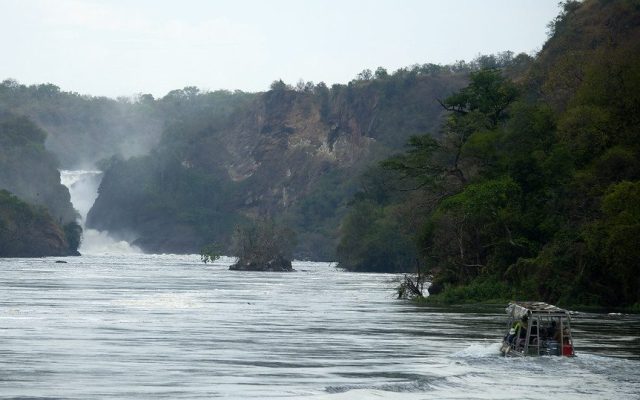
Murchison Falls National Park
Queen Elizabeth National Park
Kibale National Park
Lake Mburo National Park
Bwindi Impenetrable National Park
Mgahinga Gorilla National Park
Kidepo Valley National Park
The city therefore plays an important logistical role even for travelers whose main objective is wildlife.
Kampala for Gorilla Trekking Travelers
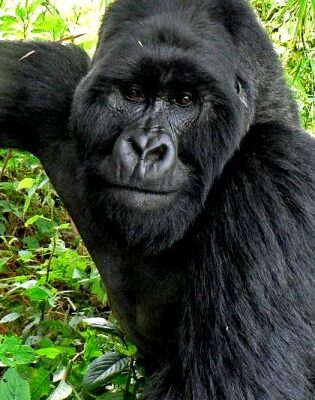
Many travelers beginning a gorilla trekking safari arrive through Kampala or Entebbe before continuing toward southwestern Uganda.
A typical journey may involve:
Entebbe/Kampala → Mbarara → Kabale → Bwindi
or another route depending on the trekking sector.
Kampala can therefore be used for an initial overnight stay before beginning the longer journey south and west.
Kampala for Chimpanzee Safari Travelers
Travelers heading toward Kibale National Park often pass through or begin their journey from Kampala.
The city can therefore be the first stage of a longer primate itinerary involving:
Kampala
Fort Portal
Kibale
Bigodi Wetland Sanctuary
Queen Elizabeth National Park
This creates a strong central-to-western Uganda tourism circuit.
Best Time to Visit Kampala
Kampala can be visited throughout the year.
The city is not dependent on a specific wildlife season, so travelers can plan visits according to their broader Uganda itinerary.
For outdoor sightseeing, drier periods can be more convenient, while rainy periods can make the city greener.
If Kampala is the beginning of a safari, the best travel period should also take into account the destinations you plan to visit afterward.
How Long Should You Stay in Kampala?
If Kampala is only a transit point, one night may be enough.
For travelers who actually want to experience the city, two to three days gives you much more time.
A two-day cultural itinerary could include:
Kasubi Tombs
Kabaka’s Palace
Uganda Museum
Namirembe Cathedral
Rubaga Cathedral
Markets
Ndere Cultural Centre
You can then continue toward Jinja or another destination.
How to Get Around Kampala
Kampala is a large and busy city, and traffic can significantly affect travel times.
Visitors can use:
Private vehicles
Taxis
Ride-hailing services
Motorcycle taxis
For tourists unfamiliar with the city, a private driver or reputable ride-hailing service is often the easiest option.
During peak traffic periods, journeys that look short on a map can take considerably longer.
Where to Stay in Kampala
Kampala offers accommodation for different budgets.
Travelers can choose between:
Budget guesthouses
Mid-range hotels
Luxury hotels
Serviced apartments
Boutique properties
The best location depends on the purpose of the visit.
Travelers interested in nightlife may prefer different areas from those seeking a quiet base for an early safari departure.
Responsible Tourism in Kampala
Travelers should approach Kampala with the same respect they would show anywhere else.
Visitors should:
Respect local communities.
Ask before photographing people.
Keep valuables secure.
Use reputable transportation.
Respect religious sites.
Dress appropriately when visiting cultural and religious attractions.
Avoid littering.
Support local businesses and craftspeople.
Is Kampala Worth Visiting?
Yes—but don’t treat it as merely an airport stop.
Kampala provides something that Uganda’s national parks cannot: an opportunity to experience the country’s living urban culture.
You can explore Buganda history, visit museums, eat local food, experience music and dance, browse markets and see how modern Uganda operates.
Then, when you leave Kampala for the national parks, you have a much better understanding of the country you’re exploring.
Who Should Visit Kampala?
Kampala is particularly suitable for:
First-time Uganda visitors
Cultural travelers
History lovers
Food travelers
Families
Couples
Business travelers
Photographers
Art lovers
Nightlife enthusiasts
Safari travelers
Frequently Asked Questions
What Is Kampala Famous For?
Kampala is famous for its Ugandan culture, Buganda heritage, historical sites, markets, food, entertainment and role as the country’s capital.
Is Kampala Worth Visiting?
Yes. Kampala offers cultural, historical, culinary and urban experiences that complement Uganda’s wildlife destinations.
How Many Days Do I Need in Kampala?
Allow two to three days if you want to properly explore the city’s main cultural and historical attractions.
Is Kampala Near Entebbe?
Yes. Kampala and Entebbe are relatively close, although traffic can make the journey considerably longer than the physical distance suggests.
Can I Start a Uganda Safari From Kampala?
Yes. Kampala is one of the main starting points for Uganda safari itineraries.
Can I Visit Jinja From Kampala?
Yes. Jinja is a popular excursion or starting point for longer eastern Uganda journeys from Kampala.
What Cultural Sites Can I Visit in Kampala?
Important cultural and historical attractions include Kasubi Tombs, Kabaka’s Palace, Uganda Museum, Namirembe Cathedral, Rubaga Cathedral and the Uganda Martyrs Shrine at Namugongo.