



Overview
Lake Albert Region – Travel Overview
Lake Albert Region is one of western Uganda’s most fascinating travel areas, combining the dramatic scenery of Lake Albert with wildlife, fishing communities, forests, escarpments and some of Uganda’s lesser-known safari destinations.
Located along the border between Uganda and the Democratic Republic of Congo, Lake Albert forms part of the Albertine Rift, one of Africa’s most biologically important regions. The area provides a striking combination of water and land: the lake stretches across the valley while the surrounding escarpments rise dramatically above it.
For travelers, the Lake Albert Region offers something different from Uganda’s better-known safari circuits. It is not simply a place to stop and look at a lake. The wider region connects several attractions, including Murchison Falls National Park, Budongo Forest, Bugoma Forest Reserve, Kabwoya Wildlife Reserve and Semliki Wildlife Reserve.
This makes Lake Albert particularly interesting for travelers who want to explore western Uganda beyond the classic safari routes.
Where Is the Lake Albert Region?
Lake Albert lies in western Uganda along the country’s border with the Democratic Republic of Congo.
The Ugandan side of the lake stretches through parts of the Buliisa, Hoima, Kikuube and Ntoroko areas, with different sections offering very different experiences.
The lake is part of the Albertine Rift, a geological and ecological region extending through several countries in East and Central Africa.
Several important rivers and waterways contribute to the lake, including the Victoria Nile, which enters Lake Albert from the northeast.
The lake itself then forms part of the Albert Nile system as water flows northward toward the Nile’s downstream reaches.
What Makes Lake Albert Special?
Lake Albert’s greatest attraction is its dramatic landscape.
The lake occupies part of the Albertine Rift valley, creating a landscape of water, cliffs, hills and expansive views.
Depending on where you are, you can look across the lake toward the mountains and landscapes of the Democratic Republic of Congo.
The region is also important for wildlife.
The wider Lake Albert landscape connects several habitats, from savannah and woodland to tropical forests and wetlands.
This means a trip around Lake Albert can include considerably more than a lakeside experience.
The Albertine Rift
Understanding the Albertine Rift helps explain why this region is so important.
The Albertine Rift contains an exceptional concentration of wildlife and plant species, including many species that occur nowhere else in the world.
Western Uganda’s forests, mountains, lakes and protected areas form part of this larger ecosystem.
Lake Albert sits directly within this landscape.
This is why destinations around the lake can offer such varied experiences within relatively short distances.
A traveler can move from open savannah to forest, wetlands and lakeshore environments while remaining within the broader Albertine Rift ecosystem.
Wildlife Around Lake Albert
The Lake Albert Region supports a wide range of wildlife, although sightings depend heavily on the specific destination.
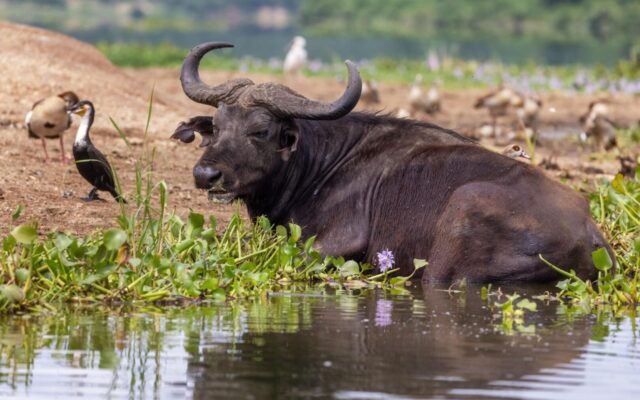
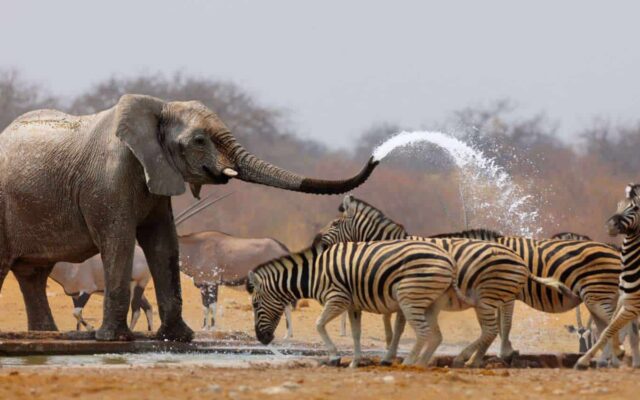
The surrounding protected areas provide habitat for elephants, buffaloes, antelopes, primates, hippos, crocodiles and numerous bird species.
Some of the strongest wildlife experiences can be found in the protected areas associated with the lake rather than directly along every section of its shoreline.
This distinction is important.
Lake Albert itself is primarily a scenic and aquatic environment, while the surrounding reserves and national parks provide the stronger traditional wildlife-viewing experiences.
Murchison Falls National Park and Lake Albert
One of the most important destinations connected with the Lake Albert Region is Murchison Falls National Park.
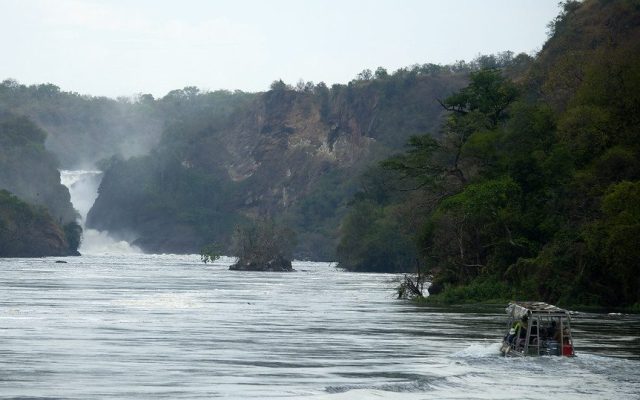
The northern end of Lake Albert is connected to the Nile system flowing through Murchison Falls.
This makes it possible to combine a traditional Uganda safari with a Lake Albert experience.
Murchison Falls offers classic savannah wildlife viewing, including elephants, giraffes, buffaloes, lions and other wildlife.
Travelers can therefore experience two very different environments within the same broader region.
A safari through Murchison Falls can be followed by a visit toward the Lake Albert shoreline, where the landscape changes from savannah to open water and escarpments.
Kabwoya Wildlife Reserve
Kabwoya Wildlife Reserve is another important destination associated with the Lake Albert landscape.
The reserve lies along the eastern side of Lake Albert and provides a combination of savannah, woodland and lake scenery.
It is particularly interesting for travelers looking for a quieter wildlife experience away from Uganda’s busiest safari destinations.
Wildlife in the reserve includes species such as buffaloes, Uganda kob, waterbuck, warthogs, chimpanzees and other animals, while Lake Albert provides an impressive backdrop.
Kabwoya can therefore be useful for travelers who want to combine game viewing with the scenery of the Albertine Rift.
Semliki Wildlife Reserve
Further south, Semliki Wildlife Reserve provides another wildlife experience within the wider Albertine Rift landscape.
The reserve is particularly known for its diverse birdlife and combination of woodland, savannah and wetland habitats.
It can be incorporated into a longer western Uganda itinerary involving Lake Albert and the Semliki region.
The landscape becomes increasingly varied as travelers move southward toward the Rwenzori Mountains and Semliki Valley.
Bugoma Forest Reserve
Bugoma Forest Reserve is another significant destination in the wider Lake Albert landscape.
The forest lies east of Lake Albert and forms part of an important ecological corridor connecting several protected and forest areas in western Uganda.
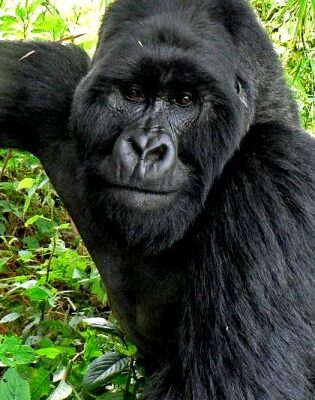
Bugoma is particularly interesting for travelers interested in chimpanzees, mangabeys, forest walks and biodiversity.
The destination is especially relevant now because Uganda Wildlife Authority has taken over protection and management of Bugoma Central Forest Reserve and is developing tourism activities there.
This creates an opportunity to combine a Lake Albert journey with a forest-based primate experience.
Budongo Forest
Budongo Forest is another major forest destination connected to the wider Lake Albert ecosystem.
Located near Murchison Falls National Park, Budongo is famous for its chimpanzees and rich forest biodiversity.
Travelers interested in primates can therefore combine the Lake Albert landscape with chimpanzee experiences in the forest.
This creates a particularly interesting contrast:
Lake Albert – open water and escarpments
Murchison Falls – savannah and big-game viewing
Budongo – tropical forest and chimpanzees
A multi-destination itinerary can therefore showcase several different ecosystems within western Uganda.
Boat Experiences Around Lake Albert
One of the most enjoyable ways to experience the lake is from the water.
Boat excursions can provide views of the shoreline, fishing communities, wetlands and surrounding landscapes.
The experience is more about scenery and local life than guaranteed wildlife viewing.
Depending on the location and activity provider, travelers may see fishing boats, waterbirds and other lake-associated wildlife.
Boat activities should always be arranged through appropriate local operators, with safety equipment and weather conditions taken seriously.
Fishing on Lake Albert
Fishing is an important economic activity around Lake Albert.
Communities living along the lake have developed livelihoods around fishing, fish processing and related activities.
A visit therefore provides travelers with an opportunity to understand how people interact with one of Uganda’s major lakes.
Responsible cultural tourism can introduce visitors to fishing communities and their way of life.
However, visitors should remember that these are working communities.
Photography and interaction should be respectful, particularly around fish landing sites.
Lake Albert and Local Communities
The Lake Albert landscape is home to communities whose lives are closely connected to agriculture, fishing, livestock and trade.
Traveling through the region provides an opportunity to see rural Uganda away from the country’s major tourist centers.
Villages, farms, fishing settlements and local markets form part of the travel experience.
For visitors interested in cultural tourism, the region can therefore add a human dimension to the natural scenery.
The best experiences are those where local communities participate directly and benefit from tourism.
Bird Watching in the Lake Albert Region
The Lake Albert landscape is also important for bird lovers.
The combination of open water, wetlands, forests, woodland and savannah provides habitat for a wide variety of birds.
Birding opportunities can be found around the lake itself as well as in nearby protected areas.
Travelers interested in serious bird watching should consider extending their itinerary into Budongo, Semliki and Murchison Falls, where different habitats increase the range of species that can potentially be encountered.
Photography Around Lake Albert
Lake Albert is an excellent destination for landscape photography.
The combination of water and the Albertine Rift escarpments creates dramatic compositions.
Photographers can capture:
- Lake Albert at sunrise
- Fishing boats
- Lakeside villages
- The rift escarpments
- Birds and wetland habitats
- Sunset over the water
- Local fishing activity
- Wildlife in nearby protected areas
- Rural landscapes
The changing weather can also dramatically alter the appearance of the lake.
Clear mornings can provide expansive views, while clouds over the escarpments can create a more dramatic atmosphere.
Lake Albert and the Democratic Republic of Congo
Lake Albert forms part of the international boundary between Uganda and the Democratic Republic of Congo.
From appropriate locations on the Ugandan side, travelers can see landscapes across the lake toward the DRC.
However, visitors should remember that looking across the lake does not mean they are crossing an international border.
Any cross-border travel requires the appropriate immigration, security and legal arrangements.
For a normal Uganda safari, travelers can enjoy the lake and its scenery entirely from the Ugandan side.
When Is the Best Time to Visit Lake Albert?
Lake Albert can be visited throughout the year.
The best period depends on the activities included in the itinerary.
For game viewing in nearby protected areas, drier periods can make wildlife easier to locate because animals often gather around remaining water sources and vegetation becomes less dense.
For photography, however, different seasons can provide different advantages.
The rainy periods can produce greener landscapes and dramatic skies.
Travelers planning boat excursions should also consider weather conditions, as wind and storms can affect activities on the lake.
How to Get to Lake Albert
The route depends on which part of the Lake Albert Region you want to visit.
Travelers approaching from Kampala can travel westward toward the Hoima area before continuing toward different sections of the lake.
Other routes connect the lake with Murchison Falls, Buliisa, Ntoroko and the Semliki region.
Because Lake Albert is spread across a large area, there is no single “Lake Albert entrance.”
This is important when planning an itinerary.
A tour operator should identify the specific lakeside destination, protected area or accommodation being visited rather than simply putting “Lake Albert” into the itinerary.
Accommodation Around Lake Albert
Accommodation varies considerably across the region.
There are lodges and camps around some of the major tourism areas, particularly near protected areas such as Murchison Falls and Kabwoya.
Other sections of the lake have fewer tourist facilities.
Travelers should therefore choose accommodation according to their specific route.
For a website, I would avoid presenting accommodation around Lake Albert as though all properties are concentrated in one tourism center.
Instead, accommodation should be grouped according to the area—for example, Buliisa/Murchison Falls, Hoima/Kikuube, Kabwoya or Ntoroko/Semliki.
How Many Days Do You Need?
The number of days depends on how much of the region you want to experience.
A short visit focusing mainly on the lake could take one or two nights.
However, travelers wanting to combine Lake Albert with wildlife and forest experiences could spend considerably longer.
A broader itinerary could combine:
Murchison Falls National Park
Budongo Forest
Lake Albert
Kabwoya Wildlife Reserve
and Bugoma Forest Reserve.
This would create a much more complete western Uganda experience.
Is Lake Albert Worth Visiting?
Yes, particularly for travelers interested in landscape, wildlife, culture and less-explored parts of Uganda.
Lake Albert may not have the instant recognition of Lake Victoria or the dramatic tourism profile of Murchison Falls, but that is part of its appeal.
The region feels more remote and less dominated by mass tourism.
Travelers can experience large expanses of water, rural communities, protected wildlife areas and the dramatic scenery of the Albertine Rift.
It is especially valuable as part of a larger western Uganda itinerary rather than as an isolated lake stop.
Who Should Visit the Lake Albert Region?
Lake Albert is particularly suitable for:
Wildlife enthusiasts who want to combine the lake with nearby reserves and national parks.
Bird watchers interested in the diverse habitats of western Uganda.
Photographers looking for dramatic landscapes and rural scenes.
Adventure travelers interested in exploring lesser-known destinations.
Cultural travelers who want to learn about fishing and rural communities.
Safari travelers looking to explore beyond Uganda’s most famous destinations.
Why Visit the Lake Albert Region?
The Lake Albert Region brings together several experiences that are rarely found in one destination.
There is the lake itself, with its expansive waters and dramatic escarpments.
There are fishing communities, whose livelihoods are closely connected to the lake.
There are forests, including Budongo and Bugoma, where travelers can experience Uganda’s primate-rich ecosystems.
There are wildlife reserves, including Kabwoya and Semliki.
And there is Murchison Falls National Park, one of Uganda’s leading safari destinations.
Together, these make the Lake Albert Region more than a lakeside attraction.
It is a gateway into one of the most diverse landscapes in western Uganda.
Frequently Asked Questions
Where Is Lake Albert Located?
Lake Albert is located in western Uganda along the border between Uganda and the Democratic Republic of Congo.
What Is Lake Albert Famous For?
Lake Albert is known for its dramatic Albertine Rift scenery, fishing communities, biodiversity and its connection to several important wildlife and forest destinations.
Can I Take a Boat Trip on Lake Albert?
Boat experiences are available in parts of the Lake Albert region, although activities, operators and schedules vary by location.
Can I See Wildlife Around Lake Albert?
Yes. Wildlife can be encountered in nearby protected areas such as Kabwoya Wildlife Reserve, Semliki Wildlife Reserve and Murchison Falls National Park.
Can Lake Albert Be Combined With Murchison Falls?
Yes. The two destinations can work very well together, particularly for travelers interested in combining savannah wildlife with lakeside scenery.
Is Lake Albert Near Budongo Forest?
Yes. Budongo forms part of the wider ecological landscape around the northern Lake Albert region and can be incorporated into a western Uganda itinerary.
Can I Visit Lake Albert and Bugoma Forest?
Yes. Both destinations can be incorporated into a broader western Uganda itinerary, although the exact route depends on the activities and accommodation selected.
How Long Should I Stay Around Lake Albert?
One or two nights can work for a focused lake experience, while a longer stay is better if combining Lake Albert with Murchison Falls, Kabwoya, Budongo or Bugoma.
Is Lake Albert Safe for Swimming?
Travelers should not assume that every part of Lake Albert is suitable for swimming. Follow local guidance and use only designated or recommended locations.
What Is the Best Time to Visit Lake Albert?
Lake Albert can be visited throughout the year. Weather, road conditions, wildlife-viewing conditions and boating activities should all be considered when choosing travel dates.