




Overview
Lake Edward – Travel Guide
Lake Edward is one of the great lakes of the Albertine Rift and an important part of Uganda’s western wildlife landscape. Located along the border between Uganda and the Democratic Republic of Congo, the lake forms part of the ecosystem surrounding Queen Elizabeth National Park and Virunga National Park.
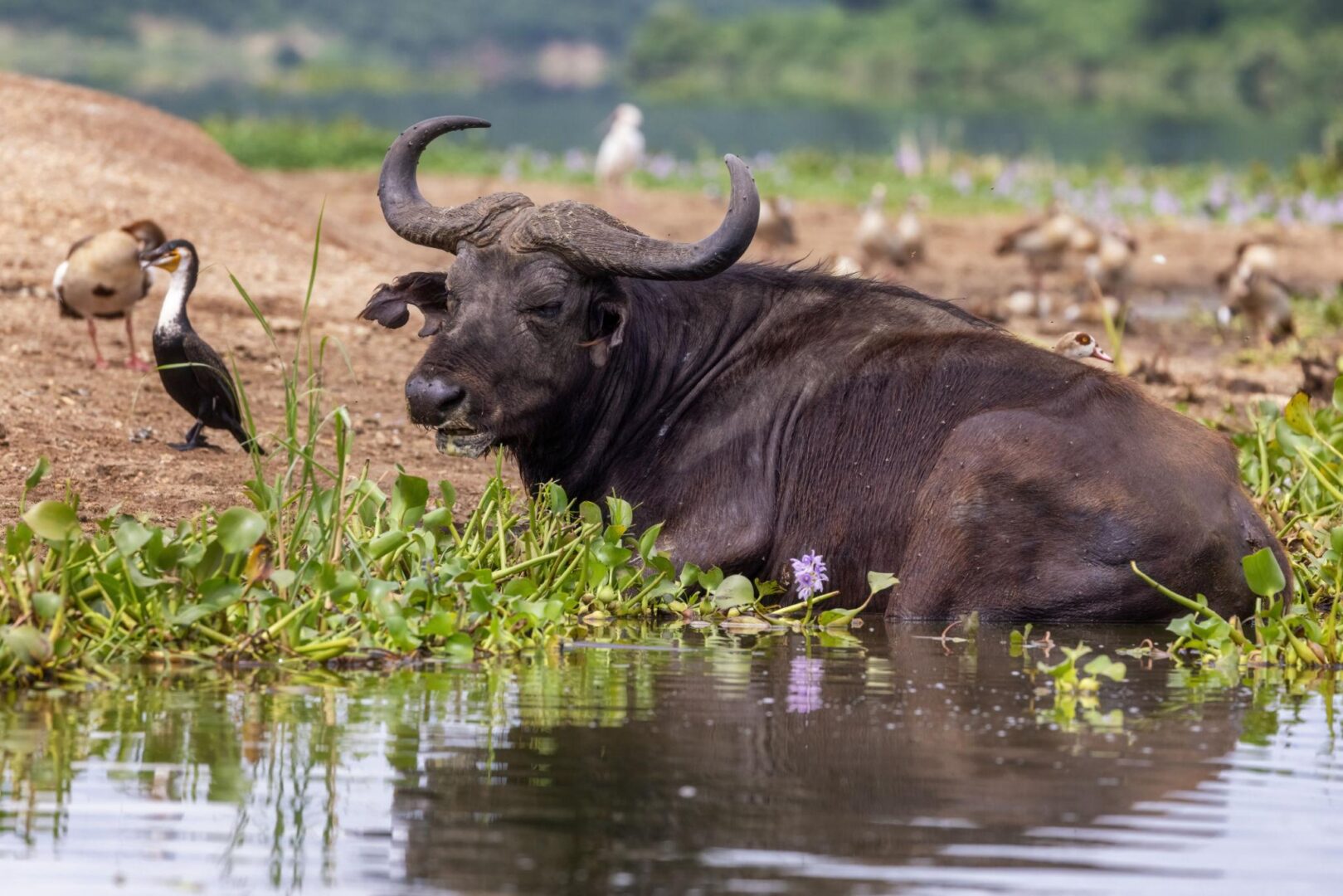
On the Ugandan side, Lake Edward is particularly important to the wildlife and scenery of Queen Elizabeth National Park. Its waters, surrounding wetlands and shoreline habitats support a variety of birds, hippos, crocodiles and other wildlife, while the nearby savannah plains provide habitat for elephants, buffaloes, lions and numerous antelope species.
For travelers, Lake Edward is not simply a large body of water to photograph. It is part of one of Uganda’s most important wildlife ecosystems and can be experienced alongside game drives, boat excursions, bird watching and visits to other attractions within Queen Elizabeth National Park.

Where Is Lake Edward?
Lake Edward lies in the Albertine Rift, on the western side of Uganda along the border with the Democratic Republic of Congo.
The Ugandan portion of the lake is closely associated with Queen Elizabeth National Park, making it an important feature of the park’s landscape.
The lake is connected to the wider water system of the region, including Lake George and the Kazinga Channel, which links Lake George and Lake Edward.
What Is Lake Edward Famous For?
Lake Edward is known for its wildlife-rich shoreline, beautiful scenery and importance to the Albertine Rift ecosystem.
The lake is particularly interesting because it sits within a landscape where water, wetlands, forest and savannah meet.
This creates excellent habitat for wildlife and birds.
Visitors exploring the Queen Elizabeth area may see the lake while traveling through the park, especially around the northern and southern sectors and from viewpoints overlooking the water.
Lake Edward and Queen Elizabeth National Park
The relationship between Lake Edward and Queen Elizabeth National Park is one of the most important aspects of the destination.
The park protects a huge variety of habitats around the lake, including open savannah, woodland, wetlands and crater landscapes.
This diversity helps support one of Uganda’s richest collections of large mammals.
A safari around Queen Elizabeth can therefore combine Lake Edward scenery with traditional game viewing, giving travelers both landscape and wildlife experiences within the same destination.
Wildlife Around Lake Edward
The lake and surrounding habitats support a wide variety of wildlife.
Hippos are particularly associated with the lake and its connected waterways. They spend much of their time in the water during the heat of the day before coming onto land to graze.
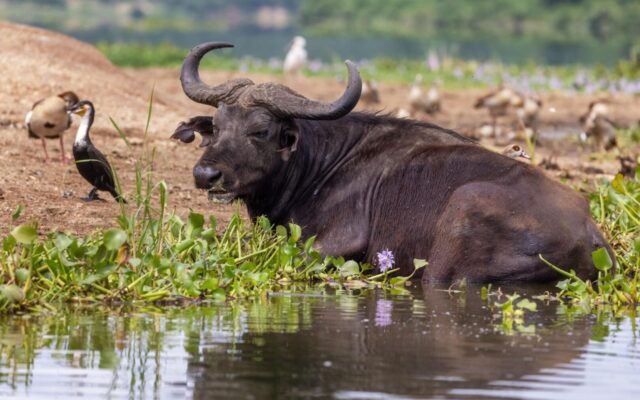
Other animals found around the broader Lake Edward ecosystem include elephants, buffaloes, antelopes, warthogs and various other mammals.
The nearby savannah also provides habitat for predators such as lions and leopards.
Hippos in Lake Edward
Hippos are among the most recognizable animals associated with Lake Edward.
Large groups can spend hours partially submerged in the water, keeping cool during the hottest part of the day.
Although they may appear calm, hippos are powerful wild animals and should always be observed from a safe distance and under the guidance of trained guides or park authorities.
Their presence adds considerably to the wildlife character of the lake.
Elephants Around Lake Edward
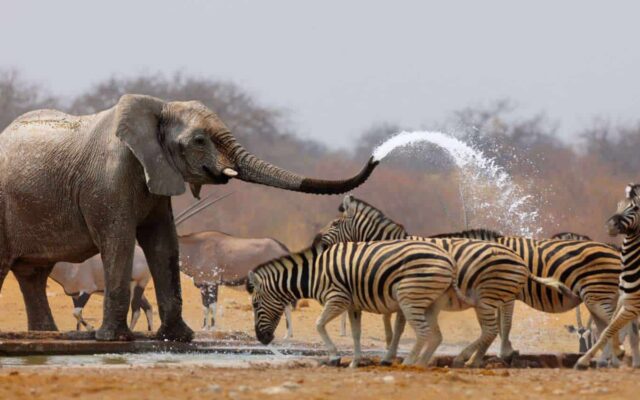
Elephants move through the wider Queen Elizabeth ecosystem and may be encountered around habitats close to the lake.
Seeing an elephant against the backdrop of Lake Edward can make for an unforgettable safari photograph.
Their movements between water sources, feeding grounds and other parts of the park demonstrate how closely wildlife depends on the lake and surrounding habitats.
Birds of Lake Edward
Lake Edward is also important for bird watching.
Its combination of open water, shoreline vegetation, wetlands and surrounding savannah provides habitat for many bird species.
Birders can look for water-associated species as well as raptors, kingfishers, herons, egrets and other birds found across Queen Elizabeth National Park.
For serious bird watchers, the lake is best explored as part of a wider Queen Elizabeth birding itinerary.
Lake Edward and the Kazinga Channel
One of the most interesting features of the Lake Edward ecosystem is its connection with the Kazinga Channel.
The channel links Lake George and Lake Edward and is one of Uganda’s most famous wildlife-viewing waterways.
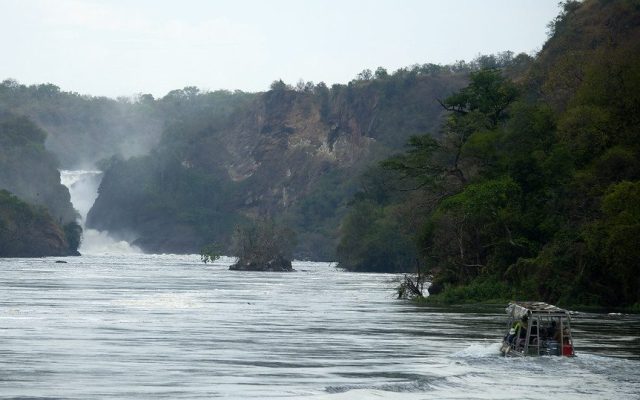
Boat trips along the Kazinga Channel provide excellent opportunities to see hippos, crocodiles, elephants and numerous water birds.
Although a Kazinga Channel cruise is not technically a cruise on Lake Edward itself, it is an important experience to include when exploring the lake’s wider ecosystem.
Lake Edward and Lake George
Lake Edward and Lake George are connected by the Kazinga Channel.
Together, the two lakes form an important aquatic system within Queen Elizabeth National Park.
This connection is ecologically significant because water and wildlife move through a wider network of wetlands, channels and lake habitats.
For visitors, it also means that several different water-based experiences can be combined within one Queen Elizabeth safari.
Lake Edward and the Albertine Rift
Lake Edward lies within the Albertine Rift, one of Africa’s most biologically important regions.
The Albertine Rift contains dramatic mountains, forests, lakes and diverse wildlife habitats.
It is particularly important for species found nowhere else in the world or with very restricted ranges.
Lake Edward is therefore part of a much larger conservation landscape extending through western Uganda and into the Democratic Republic of Congo.
Lake Edward and the Virunga Ecosystem
Across the border in the Democratic Republic of Congo, Lake Edward is connected to the wider Virunga ecosystem.
This landscape contains some of Africa’s most important forests, volcanoes, wetlands and wildlife habitats.
The lake therefore has importance that extends beyond Uganda’s national boundaries.
Its conservation is closely connected with the protection of the broader transboundary ecosystem.
Fishing Around Lake Edward
Fishing has historically been an important activity for communities living around Lake Edward.
However, fishing and other human activities around protected and sensitive areas are subject to regulations intended to protect the lake’s ecosystem.
Travelers interested in local fishing traditions can learn more through appropriate community-based experiences rather than attempting to access restricted areas independently.
Communities Around Lake Edward
People living around the lake depend on the surrounding environment in different ways, including agriculture, fishing and other livelihoods.
This creates an important relationship between conservation and local communities.
Responsible tourism can contribute to the area by supporting local businesses, guides and community initiatives while encouraging protection of the lake and surrounding wildlife habitats.
Lake Edward for Photography
Lake Edward offers excellent opportunities for landscape and wildlife photography.
The combination of:
Open water
Savannah
Mountains
Wildlife
Birds
Sunrise
Sunset
can produce very different images depending on the time of day.
Photographers visiting Queen Elizabeth National Park should take advantage of viewpoints and game-drive opportunities where the lake forms part of the background.
Sunrise Over Lake Edward
Early morning around the lake can be peaceful and atmospheric.
The changing light creates reflections across the water while mist and distant landscapes can add depth to photographs.
Early morning is also a productive period for wildlife viewing because temperatures are cooler and many animals are beginning their daily movements.
Sunset at Lake Edward
Sunset can transform the lake into one of the most beautiful scenes in western Uganda.
The combination of warm evening light, open water and distant hills creates an excellent setting for photography.
After a game drive, watching the landscape change as the sun disappears can be one of the quieter highlights of a Queen Elizabeth safari.
Activities Around Lake Edward
Lake Edward is best experienced as part of a broader Queen Elizabeth National Park itinerary.
Visitors can combine the lake with game drives, bird watching, scenic viewpoints and the Kazinga Channel boat cruise.
The nearby crater lakes and savannah areas add even more variety to the experience.
Game Drives Near Lake Edward
Game drives through Queen Elizabeth National Park provide opportunities to explore the habitats surrounding the lake.
Depending on the area and season, travelers may encounter:
Elephants
Buffaloes
Lions
Leopards
Warthogs
Uganda kob
Topi
Waterbuck
and other wildlife.
The lake adds an impressive scenic backdrop to many of these encounters.
Lake Edward and the Ishasha Sector
The southern part of Queen Elizabeth National Park includes the famous Ishasha Sector, known particularly for its tree-climbing lions and large fig trees.
Ishasha lies some distance from the main Lake Edward tourism areas, but travelers exploring the wider Queen Elizabeth ecosystem can combine both experiences.
This creates a safari that moves from lake and savannah landscapes in the north toward the distinctive wilderness of southern Queen Elizabeth.
Lake Edward and Fishing Villages
Some communities around the lake have long-standing connections with fishing.
A responsible cultural visit can help travelers understand the relationship between the lake and local livelihoods.
These experiences are particularly valuable when they are organized in ways that ensure local communities benefit directly from tourism.
Best Time to Visit Lake Edward
Lake Edward can be visited throughout the year.
The drier seasons are generally convenient for wildlife viewing because animals may gather around available water sources and vegetation can be easier to see through.
The wetter seasons produce greener landscapes and can be particularly attractive for photography and bird watching.
Because Lake Edward is usually visited as part of a Queen Elizabeth safari, the best timing can also depend on the other activities included in your itinerary.
How to Get to Lake Edward
Most international travelers reach Lake Edward as part of a Queen Elizabeth National Park safari.
The park can be accessed by road from Kampala through western Uganda, commonly passing through destinations such as Fort Portal or Mbarara, depending on the itinerary.
Travelers can also use domestic flights to airstrips serving the Queen Elizabeth area and continue by safari vehicle.
Where to Stay Near Lake Edward
Accommodation is available in different parts of Queen Elizabeth National Park.
Travelers can choose from:
Safari lodges
Tented camps
Mid-range accommodation
Budget options
The ideal location depends on whether your itinerary focuses on the northern park, Kazinga Channel, Ishasha or other attractions.
For travelers who want lake scenery, accommodation overlooking the surrounding landscape can make the experience particularly memorable.
Lake Edward and Conservation
Lake Edward is part of a sensitive ecosystem that supports both wildlife and human communities.
Protecting the lake requires responsible management of:
Water quality
Wetlands
Fish populations
Wildlife habitats
Shoreline environments
Tourists can help by following park regulations, avoiding litter and supporting responsible tourism businesses.
Is Lake Edward Worth Visiting?
Yes, especially as part of a Queen Elizabeth National Park safari.
Lake Edward may not be Uganda’s most famous standalone attraction, but its importance becomes clear when you see how closely it is connected to the wildlife and landscapes of western Uganda.
The lake provides water, habitat and scenery within one of Uganda’s most biologically diverse protected areas.
For travelers, it offers another layer to the Queen Elizabeth experience—a place where wildlife, water and the Albertine Rift landscape come together.
Frequently Asked Questions
Where Is Lake Edward?
Lake Edward is located in the Albertine Rift along the Uganda–Democratic Republic of Congo border. Its Ugandan side is closely associated with Queen Elizabeth National Park.
Can I Visit Lake Edward on a Uganda Safari?
Yes. Lake Edward can be incorporated into a Queen Elizabeth National Park safari, particularly alongside the Kazinga Channel, game drives and other park attractions.
What Animals Live Around Lake Edward?
The wider ecosystem supports hippos, elephants, buffaloes, antelopes, crocodiles and numerous bird species, while nearby savannah habitats support predators such as lions and leopards.
Is Lake Edward Connected to Lake George?
Yes. The Kazinga Channel connects Lake George and Lake Edward.
Can I Take a Boat Cruise on Lake Edward?
The most established wildlife boat experience in the area is the Kazinga Channel boat cruise, which connects Lake George and Lake Edward and provides excellent wildlife viewing.
Is Lake Edward in Queen Elizabeth National Park?
The Ugandan part of Lake Edward is closely associated with the park, with Queen Elizabeth National Park protecting much of the surrounding landscape.
When Is the Best Time to Visit?
Lake Edward can be visited year-round. Dry periods are generally favorable for wildlife viewing, while wetter periods produce greener scenery and can be excellent for birding and photography.