






Overview
Lake George – Travel Guide
Lake George is a beautiful shallow freshwater lake in western Uganda, located within the wider Queen Elizabeth National Park ecosystem. Surrounded by wetlands, grasslands and lush vegetation, the lake is an important habitat for wildlife and birds and forms one of the key water bodies in the Queen Elizabeth landscape.
The lake is connected to Lake Edward by the famous Kazinga Channel, creating an important aquatic system within the national park. While Lake George is not as widely known internationally as some of Uganda’s larger lakes, its location, wildlife habitats and connection to the Kazinga Channel make it an interesting part of a western Uganda safari.
For travelers, Lake George is particularly appealing to those interested in bird watching, wetland ecosystems, scenic landscapes and wildlife, and it can be explored as part of a broader Queen Elizabeth National Park itinerary.

Where Is Lake George?
Lake George is located in western Uganda, within the broader Queen Elizabeth National Park ecosystem.
The lake lies near the foothills of the Rwenzori Mountains, although the famous mountains are not always visible because of cloud cover and changing weather.
Its position makes Lake George an interesting stop for travelers exploring the western part of Uganda, particularly those traveling between Fort Portal, Queen Elizabeth National Park and Kasese.
What Is Lake George Famous For?
Lake George is particularly known for its wetlands, birdlife and connection to the Kazinga Channel.
Unlike the vast open waters of some of Africa’s major lakes, Lake George is relatively shallow and surrounded by extensive wetland habitats.
These wetlands provide important feeding and breeding areas for numerous birds while also supporting other aquatic and terrestrial wildlife.
Lake George and Queen Elizabeth National Park
Lake George forms an important part of the ecological landscape of Queen Elizabeth National Park.
The park surrounds much of the lake and protects a mixture of wetlands, savannah, woodland and other habitats.
This variety is one of the reasons Queen Elizabeth is so rich in wildlife.
A traveler visiting the lake can therefore combine a wetland experience with traditional safari activities such as game drives and nature walks.
The Kazinga Channel Connection
One of the most interesting things about Lake George is its connection with Lake Edward.
The two lakes are linked by the Kazinga Channel, a natural waterway that has become one of Uganda’s most famous wildlife-viewing locations.
The channel carries water from Lake George toward Lake Edward and provides habitat for large concentrations of hippos, crocodiles and water birds.
A boat cruise along the Kazinga Channel is therefore one of the best ways to experience the aquatic ecosystem connecting these two lakes.
Lake George and the Rwenzori Mountains
Lake George lies close to the Rwenzori Mountains, one of Uganda’s most dramatic mountain landscapes.
On clear days, the mountains can provide a spectacular backdrop to the surrounding countryside.
The contrast between the relatively low-lying lake, wetlands and towering mountain landscape makes this part of western Uganda particularly scenic.
Clouds and mist can often cover the mountains, adding another atmospheric element to the landscape.
Wildlife Around Lake George
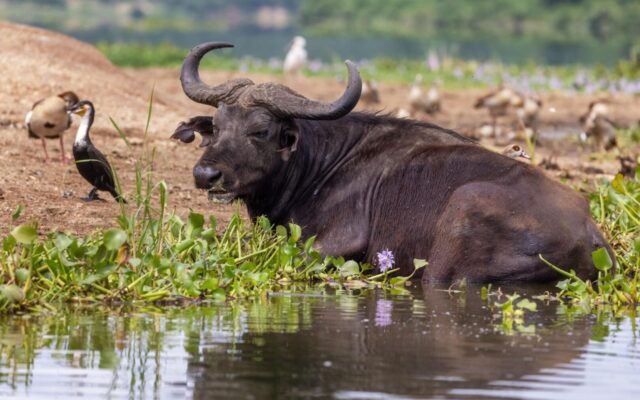
The wetlands and surrounding grasslands provide habitat for a variety of wildlife.
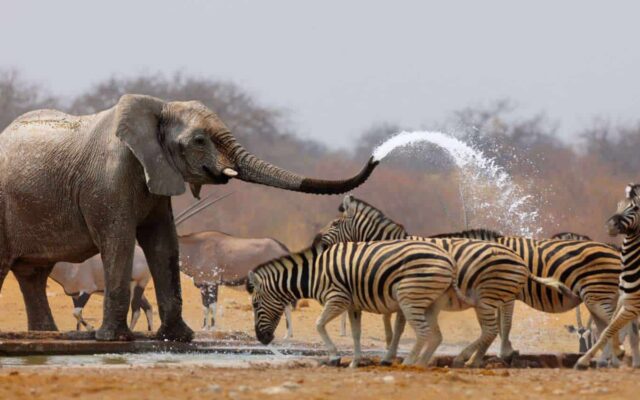
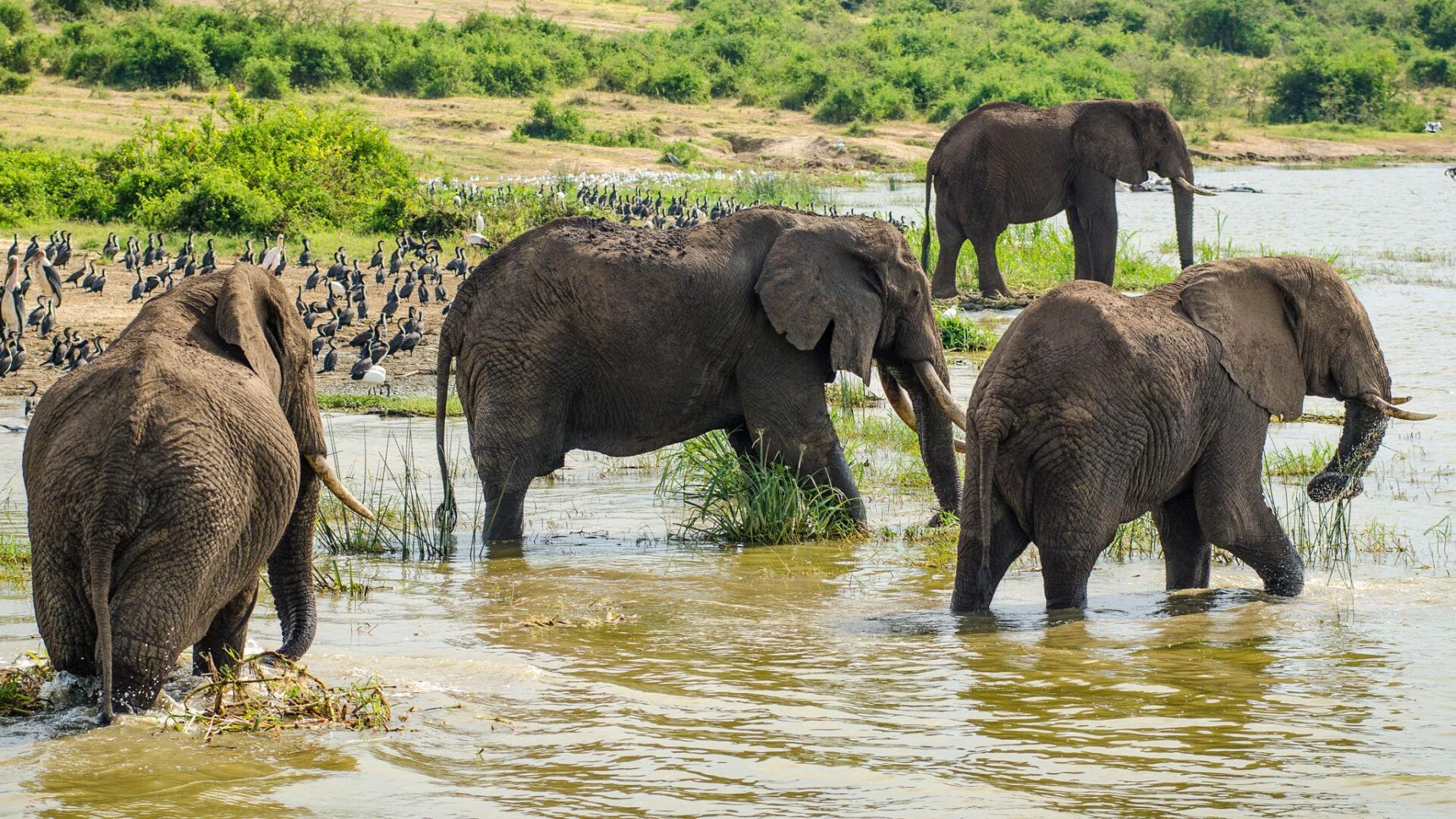
Visitors exploring the broader Queen Elizabeth area may encounter hippos, buffaloes, elephants, Uganda kob, waterbuck and other antelope species.
The lake itself is especially important for aquatic wildlife, while the surrounding savannah provides feeding grounds for larger mammals.
Wildlife viewing around Lake George is best understood as part of the larger Queen Elizabeth ecosystem rather than as a standalone game-viewing destination.
Hippos Around Lake George
Hippos are among the most recognizable animals associated with the lake and its surrounding waterways.
They spend much of the day in water or muddy areas to keep cool before moving onto land to feed, usually after temperatures begin to fall.
Their presence is particularly noticeable around the interconnected wetland and channel systems.
Visitors should always observe hippos from a safe distance because they are powerful and potentially dangerous wild animals.
Birds of Lake George
Bird watching is one of the strongest reasons to include Lake George in a western Uganda itinerary.
The shallow water, wetlands and vegetation create excellent habitat for water-associated species.
Depending on the season and location, birders may encounter herons, egrets, kingfishers, fish eagles, storks and other wetland species.
The surrounding Queen Elizabeth landscape also adds savannah and woodland species to the birding experience.
For serious birders, Lake George is best combined with the Kazinga Channel, Maramagambo Forest, Kyambura Gorge and other habitats within the region.
The Lake George Wetlands
The wetlands surrounding Lake George are ecologically important.
They provide areas for birds to feed and breed while helping regulate water movement between the lake and surrounding landscapes.
Wetlands also support local communities and provide important ecological services.
For travelers interested in conservation, a visit to Lake George offers an opportunity to see how aquatic ecosystems fit into a much larger protected landscape.
Fishing on Lake George
Fishing has historically been an important livelihood around Lake George.
Local fishing communities depend on the lake for income and food, although activities within and around protected areas are subject to conservation and fisheries regulations.
Visitors interested in local life can learn more about the relationship between communities and the lake through responsible cultural tourism experiences.
Local Communities Around Lake George
The area around Lake George is home to communities whose livelihoods have long been connected to agriculture, fishing and other activities.
Visiting local communities with an appropriate guide can give travelers a better understanding of everyday life around the lake.
It also provides opportunities for tourism revenue to reach local residents when visitors use community-based services and purchase locally produced goods.
Lake George for Photography
Lake George provides excellent opportunities for travelers interested in natural landscapes and rural scenes.
The combination of:
Open water
Wetlands
Fishing communities
Birdlife
Savannah
Distant mountains
creates a varied photographic environment.
Early morning and late afternoon are particularly rewarding because softer light can bring out details in the landscape.
Sunrise at Lake George
The early morning atmosphere around Lake George can be peaceful.
The wetlands are often quiet, birds become active and the surrounding landscape gradually comes to life.
If the weather is clear, the morning light can also illuminate the distant Rwenzori landscape.
For photographers and bird watchers, early morning is an especially worthwhile time to explore.
Sunset at Lake George
As evening approaches, the lake and surrounding wetlands take on a completely different atmosphere.
The setting sun can create reflections across the water while birds return to resting areas and wildlife becomes more active.
A sunset experience can be a simple but memorable addition to a western Uganda safari.
Activities Around Lake George
Lake George is generally best included as part of a wider Queen Elizabeth itinerary rather than treated as a destination requiring several days on its own.
Travelers can combine the lake with bird watching, scenic drives, cultural experiences, game drives and a Kazinga Channel cruise.
Nearby attractions can provide additional opportunities for hiking, primate viewing and photography.
Lake George and the Kazinga Channel Cruise
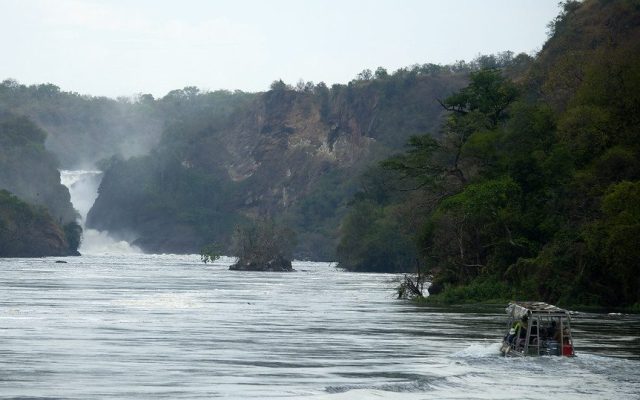
The Kazinga Channel boat cruise is perhaps the easiest way for visitors to experience the aquatic environment linking Lake George and Lake Edward.
The cruise provides opportunities to see wildlife from the water while also offering excellent bird-watching opportunities.
Large numbers of hippos may be seen in the water, while crocodiles and elephants can sometimes be observed along the banks.
The channel is also one of the most productive areas for wildlife photography in Queen Elizabeth National Park.
Lake George and Kyambura Gorge
Travelers exploring Lake George can also include Kyambura Gorge in their itinerary.
The gorge provides a very different environment from the open lake, with a dramatic landscape and forest habitat known particularly for chimpanzee tracking.
Combining the two gives travelers both a wetland and forest experience within the same western Uganda journey.
Lake George and Maramagambo Forest
Maramagambo Forest is another nearby attraction within the Queen Elizabeth ecosystem.
The forest provides a contrast to the open wetlands and savannah surrounding Lake George.
Visitors interested in forests, primates and birding can combine the lake with a forest excursion for a more diverse experience.
Lake George and the Rwenzori Region
The proximity of Lake George to the Rwenzori region makes it possible to combine lake and mountain experiences.
Travelers with more time can continue toward Kasese and the Rwenzori Mountains for mountain hiking and nature experiences.
This combination works particularly well for visitors who want to experience both Uganda’s wildlife and its spectacular mountain landscapes.
Best Time to Visit Lake George
Lake George can be visited throughout the year.
The drier periods are generally convenient for wildlife viewing and road travel, while wetter months bring lush vegetation and can be particularly rewarding for bird watching and landscape photography.
Because Lake George is normally visited alongside Queen Elizabeth National Park, the best timing can depend on the other activities included in the safari.
How to Get to Lake George
Lake George is primarily accessed by road as part of a western Uganda safari.
Travelers coming from Kampala commonly travel through western Uganda toward Fort Portal, Kasese or Queen Elizabeth National Park, depending on their itinerary.
Domestic flights to the Queen Elizabeth and Kasese area can also reduce the amount of road travel for visitors with limited time.
Where to Stay Near Lake George
Most travelers do not need to stay directly beside Lake George.
Instead, accommodation can be arranged around Queen Elizabeth National Park, Kasese, Fort Portal or other nearby tourism centers, depending on the itinerary.
Travelers planning game drives and a Kazinga Channel cruise may prefer to stay within or near Queen Elizabeth National Park to reduce driving distances.
Responsible Tourism Around Lake George
Lake George is part of a sensitive wetland and wildlife ecosystem.
Visitors should avoid littering, respect wildlife regulations and avoid disturbing birds or other animals.
Supporting responsible lodges, local guides and community-based tourism initiatives can also help ensure that tourism contributes positively to the communities surrounding the lake.
Is Lake George Worth Visiting?
Yes, particularly when combined with Queen Elizabeth National Park.
Lake George may not have the same international profile as Lake Victoria or Lake Edward, but its importance lies in the wetlands, birdlife, wildlife and connection to the Kazinga Channel.
Its proximity to the Rwenzori Mountains adds another layer to the scenery, while nearby attractions such as Kyambura Gorge and Maramagambo Forest allow travelers to experience several different environments within one itinerary.
For anyone exploring western Uganda, Lake George is therefore a worthwhile part of the larger Queen Elizabeth–Rwenzori tourism circuit.
Frequently Asked Questions
Where Is Lake George in Uganda?
Lake George is located in western Uganda, within the wider Queen Elizabeth National Park ecosystem and close to the Rwenzori Mountains.
Is Lake George Inside Queen Elizabeth National Park?
The lake is closely integrated into the Queen Elizabeth National Park ecosystem, with protected wetlands and surrounding landscapes forming part of the park.
Is Lake George Connected to Lake Edward?
Yes. The Kazinga Channel connects Lake George with Lake Edward.
What Animals Can Be Seen Around Lake George?
The surrounding ecosystem supports hippos, elephants, buffaloes, Uganda kob, waterbuck and numerous bird species, among other wildlife.
Is Lake George Good for Bird Watching?
Yes. Its shallow waters and surrounding wetlands make it particularly interesting for bird watching.
Can I Take a Boat Trip on Lake George?
The most established water-based wildlife experience in the area is the Kazinga Channel cruise, which explores the waterway connecting Lake George and Lake Edward.
Can Lake George Be Combined With a Queen Elizabeth Safari?
Absolutely. Lake George fits naturally into a Queen Elizabeth itinerary alongside game drives, the Kazinga Channel, Kyambura Gorge and other attractions.