Overview
Lake Kyoga – Travel Guide
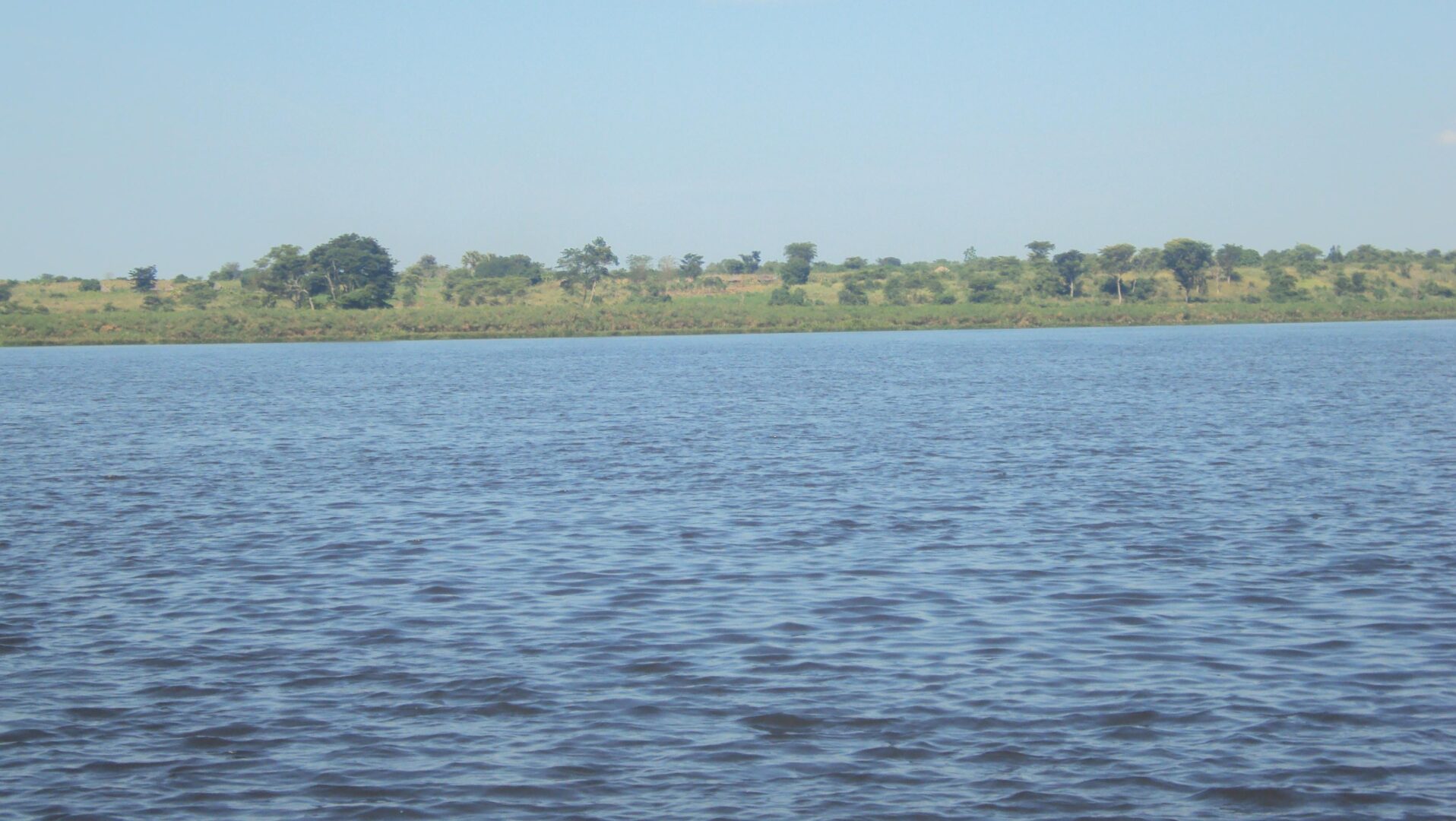
Lake Kyoga is one of Uganda’s major lakes and an important part of the country’s central and eastern landscape. Located roughly in the middle of Uganda, the lake is a large, shallow and irregularly shaped body of water surrounded by extensive wetlands, papyrus swamps, fishing communities and agricultural areas.
Unlike Uganda’s famous Great Lakes such as Lake Victoria, Lake Albert and Lake Edward, Lake Kyoga has a quieter tourism profile. It is not primarily known for large safari attractions, but its combination of open water, wetlands, islands, birdlife and local fishing communities makes it an interesting destination for travelers looking to experience a different side of Uganda.
The lake is also important geographically because it forms part of the Victoria Nile system. The Nile flows through Lake Kyoga on its journey from Lake Victoria toward the north of Uganda and eventually Lake Albert.

Where Is Lake Kyoga?
Lake Kyoga is located in central-northern Uganda, between the Lake Victoria region and the northern part of the country.
It stretches across a broad area and is surrounded by districts including Nakasongola, Kayunga, Kamuli, Buyende, Soroti and Kaberamaido, among others.
Because of its large size and irregular shape, Lake Kyoga is not really experienced from one single tourism center. Different parts of the lake have their own communities, wetlands and access points.
What Is Lake Kyoga Famous For?
Lake Kyoga is best known for its extensive wetlands, shallow waters, fishing communities and connection to the Nile system.
The lake contains numerous islands and is surrounded by large areas of papyrus and other wetland vegetation.
Fishing is one of the most important economic activities around the lake, and travelers visiting the area can see traditional boats, landing sites and communities whose daily lives are closely connected to the water.
The Victoria Nile and Lake Kyoga
One of the most important geographical features of Lake Kyoga is the Victoria Nile.
The river enters Lake Kyoga from the direction of Jinja and Lake Victoria before continuing northward toward Lake Albert.
This makes Lake Kyoga part of the greater Nile drainage system and gives it significance beyond its local environment.
For travelers interested in geography, the lake provides an interesting opportunity to understand how Uganda’s major water bodies are connected.
The Landscape of Lake Kyoga
Lake Kyoga has a very different appearance from the steep mountain lakes of southwestern Uganda.
Much of the surrounding landscape is relatively flat, with wide wetlands extending along the lake’s shores.
Papyrus dominates many areas, creating long green channels and marshy habitats.
In some places, the open water appears almost endless, while elsewhere the lake breaks into smaller channels, bays and island-dotted sections.
This changing landscape is one of the most interesting aspects of Lake Kyoga.
The Islands of Lake Kyoga
Lake Kyoga contains numerous islands, many of which are inhabited or used for fishing and other local activities.
Life on these islands can be quite different from life in Uganda’s inland towns.
Communities depend heavily on the lake for transportation, fishing and income.
Visiting an island or fishing community with a local guide can provide a fascinating insight into how people have adapted to living within a large wetland environment.
Fishing on Lake Kyoga
Fishing is central to life around Lake Kyoga.
The lake supports important fish populations, and fishing communities operate from numerous landing sites around its shores and islands.
Traditional wooden boats can often be seen moving across the water, particularly around fishing areas.
For visitors, a trip to a local landing site can provide a more authentic understanding of the lake than simply viewing it from the shoreline.
It is also an opportunity to learn about the challenges facing fishing communities and the importance of sustainable management of the lake’s resources.
Lake Kyoga Fishing Villages
The fishing villages around Lake Kyoga are an important part of the destination’s cultural character.
Life in these communities is closely connected to the rhythms of the lake. Boats leave early, fish are brought back to landing sites and local traders become involved in processing and selling the catch.
A responsible community visit can allow travelers to observe this activity while learning about local livelihoods.
Photography can also be particularly rewarding, but visitors should always ask permission before taking close-up photographs of people.
Wildlife Around Lake Kyoga
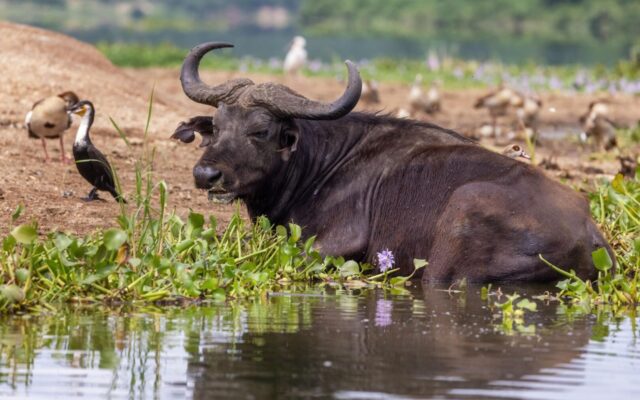
Lake Kyoga is not primarily a big-game destination, but its wetlands support a variety of wildlife.
The surrounding habitats can support hippos, crocodiles, otters and other aquatic or wetland-associated species, while the nearby grasslands and agricultural areas contain smaller mammals.
For travelers looking for large concentrations of elephants, lions or buffaloes, Uganda’s national parks remain better suited.
Lake Kyoga’s strength is its wetland and aquatic environment.
Bird Watching at Lake Kyoga
Bird watching is one of the most promising tourism activities around Lake Kyoga.
The lake’s extensive wetlands provide habitat for many water birds and wetland species.
Depending on the location, visitors may encounter herons, egrets, kingfishers, storks, fish eagles and other birds associated with freshwater environments.
The papyrus wetlands can also provide habitat for specialized wetland birds, making the area interesting for birders who want to explore habitats beyond Uganda’s national parks.
The Papyrus Wetlands
The papyrus surrounding parts of Lake Kyoga is one of its most distinctive features.
These wetlands provide habitat for birds and aquatic organisms while also helping regulate water movement and reduce erosion around the lake.
Papyrus has also traditionally been used by local communities for making mats, baskets and other products.
This creates an interesting connection between wetland conservation and traditional livelihoods.
Lake Kyoga and Local Communities
Lake Kyoga supports many communities through fishing, agriculture, transportation and small-scale trade.
The relationship between people and the lake is therefore much deeper than tourism.
Travelers visiting the region can learn about local livelihoods and the challenges of living around a large and sometimes unpredictable water body.
Community-based tourism can provide a way for visitors to experience this culture while contributing directly to local economies.
Lake Kyoga for Cultural Tourism
A cultural experience around Lake Kyoga can focus on the daily life of fishing communities, traditional fishing methods, local food and handicrafts.
Rather than presenting the lake simply as a scenic attraction, cultural tourism allows visitors to understand how the lake shapes people’s lives.
This can make Lake Kyoga particularly interesting for travelers who have already experienced Uganda’s wildlife parks and want to see more of the country’s everyday rural life.
Lake Kyoga for Photography
Lake Kyoga offers a different kind of photography from Uganda’s mountain and safari destinations.
The strongest subjects include:
Fishing boats
Papyrus wetlands
Sunrise over the water
Fishing villages
Lake islands
Birdlife
Local markets and landing sites
The broad, open landscape can also create beautiful minimalist photographs, particularly early in the morning when the water is calm.
Sunrise at Lake Kyoga
Early morning is one of the best times to appreciate the lake.
Fishing boats may already be moving across the water while mist and soft light create a peaceful atmosphere around the wetlands.
For photographers, sunrise can provide excellent opportunities to capture silhouettes of boats and fishermen against the open water.
Sunset at Lake Kyoga
The wide horizon makes Lake Kyoga particularly attractive around sunset.
As the sun drops toward the horizon, the lake can take on changing shades while boats return toward landing sites.
A quiet evening beside the water provides a completely different experience from the busy activity of the daytime fishing communities.
Activities at Lake Kyoga
Lake Kyoga is not a destination where you need a long list of conventional tourist attractions.
Instead, the experience revolves around the lake itself and the communities living around it.
Depending on the location, visitors can enjoy boat trips, bird watching, fishing-community visits, photography, wetland exploration and cultural experiences.
The exact activities available will vary between different parts of the lake.
Boat Trips on Lake Kyoga
A locally organized boat excursion can be one of the best ways to experience Lake Kyoga.
From the water, visitors can better appreciate the lake’s extensive wetlands, islands and fishing activity.
Boat trips should always be arranged with experienced local operators who understand the lake and have appropriate safety equipment.
Weather conditions can change, so visitors should follow local advice before going onto the water.
Lake Kyoga and Murchison Falls
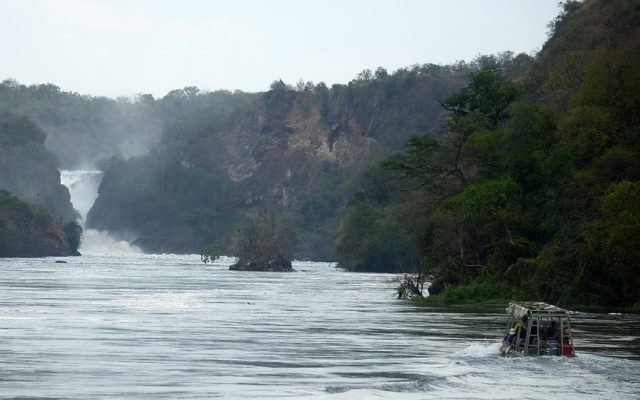
Lake Kyoga can be connected with a wider northern Uganda itinerary that includes Murchison Falls National Park.
The Victoria Nile continues northward from Lake Kyoga toward Lake Albert before eventually contributing to the Nile system that passes through Murchison Falls.
While these destinations offer very different experiences, combining them can create an interesting journey through Uganda’s northern water and wildlife landscapes.
Lake Kyoga and Jinja
Lake Kyoga also has a geographical connection with Jinja, where the Victoria Nile leaves Lake Victoria.
Travelers interested in Uganda’s Nile story can therefore explore the river around Jinja before following its course northward toward Lake Kyoga.
This makes Lake Kyoga particularly interesting for travelers interested in Uganda’s waterways and geography.
Lake Kyoga and Nakasongola
Parts of the southern and western Lake Kyoga region can be reached from Nakasongola.
Nakasongola also provides access to other attractions in central Uganda, making it possible to combine a Lake Kyoga experience with wildlife and conservation activities in the wider region.
Lake Kyoga and the Nile
Lake Kyoga is an important link in Uganda’s Nile system.
The water journey can broadly be understood as:
Lake Victoria → Victoria Nile → Lake Kyoga → Victoria Nile → Lake Albert → Albert Nile.
This makes the lake an interesting geographical landmark for visitors following the Nile through Uganda.
Best Time to Visit Lake Kyoga
Lake Kyoga can be visited throughout the year.
The drier months can make road travel and outdoor activities easier, while the wetter months can produce lush wetland scenery and attractive conditions for bird watching.
For photographers, early mornings and late afternoons are generally the most rewarding times of day.
Because Lake Kyoga is large and conditions vary around different parts of the lake, local advice is useful when planning boat activities.
How to Get to Lake Kyoga
Access depends heavily on which part of the lake you want to visit.
Road routes from Kampala, Jinja, Nakasongola, Soroti and other nearby towns can lead to different shores and landing sites.
There is no single entrance or tourism gate for Lake Kyoga in the way there is for a national park.
For a planned tourism visit, it is therefore important to identify the specific community, landing site or accommodation you intend to visit before traveling.
Where to Stay Around Lake Kyoga
Accommodation around Lake Kyoga is generally more limited than in major Ugandan tourism destinations such as Queen Elizabeth or Murchison Falls.
Visitors may find guesthouses, small hotels and locally operated accommodation in towns and communities around different sections of the lake.
For travelers planning a more comfortable safari circuit, it can sometimes be easier to stay in a nearby town and make Lake Kyoga a day excursion.
Responsible Tourism at Lake Kyoga
Lake Kyoga is an important natural resource for local communities, so responsible tourism is particularly important.
Visitors should avoid littering, respect fishing activities and avoid interfering with boats or fishing equipment.
When visiting communities, cultural sensitivity matters. Ask permission before photographing people and support local guides and businesses where possible.
Protecting the wetlands is equally important because they provide habitat for wildlife and support the lake’s ecological health.
Is Lake Kyoga Worth Visiting?
Yes, particularly for travelers interested in Uganda beyond the traditional safari circuit.
Lake Kyoga does not compete with Uganda’s national parks when it comes to big-game viewing, nor does it have the dramatic mountain scenery of the southwest.
Its appeal is different.
It offers an opportunity to see a huge wetland-and-lake landscape, traditional fishing communities, papyrus swamps, islands and the Victoria Nile system.
For a traveler who wants to understand Uganda as more than a collection of national parks, Lake Kyoga provides an interesting look at the country’s waterways and the communities that depend on them.
Frequently Asked Questions
Where Is Lake Kyoga Located?
Lake Kyoga is located in central-northern Uganda, between the Lake Victoria region and northern Uganda.
Is Lake Kyoga Connected to the Nile?
Yes. The Victoria Nile flows through Lake Kyoga before continuing northward toward Lake Albert.
What Is Lake Kyoga Famous For?
Lake Kyoga is particularly known for its shallow waters, extensive wetlands, papyrus, islands, fishing communities and connection to the Nile system.
Can Tourists Visit Lake Kyoga?
Yes. Visitors can explore different parts of the lake through local boat trips, bird watching, cultural experiences and visits to fishing communities.
Is Lake Kyoga Good for Bird Watching?
Yes. Its extensive wetlands and open water provide habitat for numerous wetland and water-associated bird species.
Can I Go Fishing on Lake Kyoga?
Fishing is an important local activity, but visitors should use properly organized and permitted experiences rather than fishing independently.
Is Lake Kyoga Near Jinja?
Lake Kyoga lies north of Jinja and is connected to the city geographically through the Victoria Nile, which flows from Lake Victoria toward Lake Kyoga.
Can Lake Kyoga Be Combined With a Uganda Safari?
Yes. It can be incorporated into broader itineraries involving Jinja, Nakasongola, Murchison Falls and other central or northern Uganda destinations, depending on the route.