




Overview
Lake Nkuruba Nature Reserve – Travel Overview
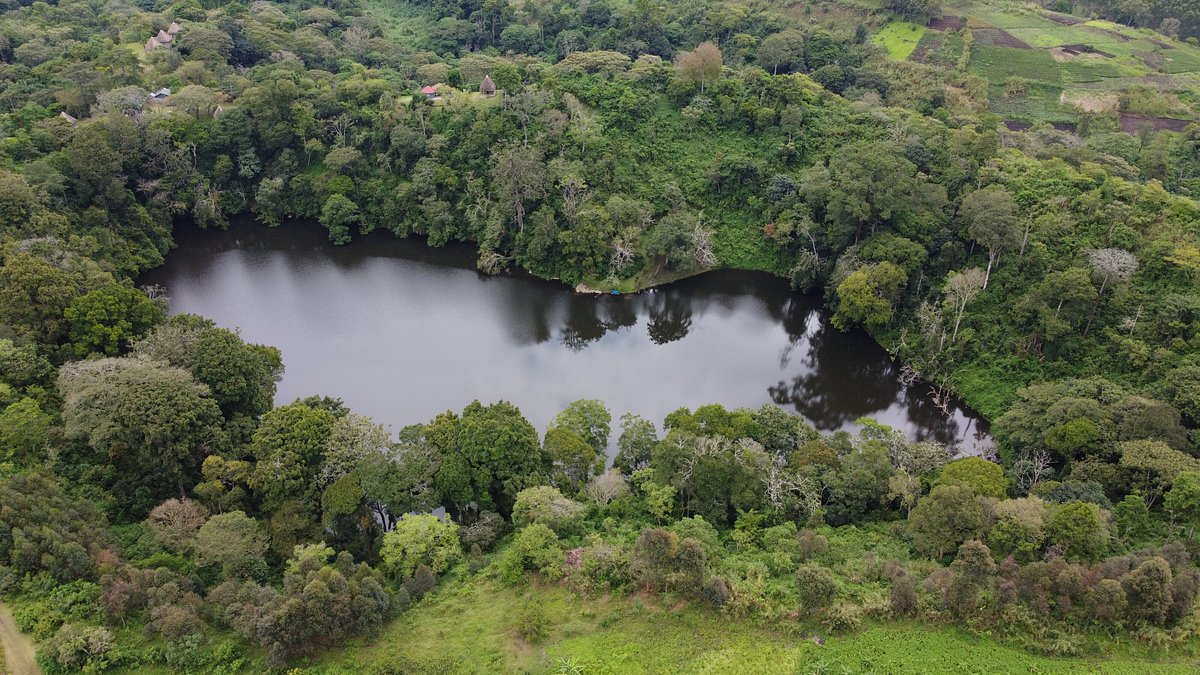
Lake Nkuruba Nature Reserve is a peaceful nature destination in western Uganda, located in the scenic Fort Portal crater-lake region. The reserve combines a beautiful crater lake, tropical forest, birdlife, primates and community-based tourism, making it a rewarding stop for travelers exploring the countryside around Fort Portal.
Unlike Uganda’s major national parks, Lake Nkuruba offers a much quieter and more intimate experience. There are no large safari vehicles searching for elephants or lions. Instead, the attraction lies in walking through forest, watching monkeys move through the trees, spotting birds around the lake and enjoying the peaceful landscape.
The reserve is particularly attractive to travelers visiting Kibale National Park, because it provides an opportunity to experience another side of western Uganda beyond chimpanzee trekking.
Where Is Lake Nkuruba Nature Reserve?
Lake Nkuruba Nature Reserve is located in the Fort Portal area of western Uganda, within the region famous for its numerous volcanic crater lakes.
The reserve is situated approximately 20–25 kilometres southwest of Fort Portal, making it accessible as a short excursion from the city.
Its location places it within a landscape characterized by:
Crater lakes
Rolling green hills
Tropical forests
Tea plantations
Small farms
Rural communities
This combination makes the journey to Nkuruba part of the attraction itself.
What Makes Lake Nkuruba Special?
The reserve’s main appeal is its combination of lake scenery and forest wildlife.
A visit allows travelers to experience a quieter side of Uganda’s natural environment while also interacting with the surrounding community.
The lake sits beneath forested slopes, creating a scenic landscape that is particularly beautiful in the early morning and late afternoon.
For travelers who enjoy slow travel, nature walks and photography, Nkuruba can be much more rewarding than simply stopping at a viewpoint and taking a photograph.
Lake Nkuruba
The crater lake itself forms the centerpiece of the reserve.
Its calm waters are surrounded by vegetation and elevated terrain, creating a peaceful environment away from the busier roads around Fort Portal.
The lake is best appreciated from viewpoints around the reserve, where visitors can take in the water, forest and surrounding countryside together.
Morning light can be especially attractive for photography, while the cooler hours of the day are generally more comfortable for walking.
Forest Walks
One of the best ways to experience Lake Nkuruba is on foot.
The forest around the lake provides a network of natural walking experiences where travelers can explore the vegetation and look for wildlife.
A guided walk can make the experience more rewarding because local guides can identify bird calls, explain plant species and point out monkeys that may otherwise be difficult to notice.
The walks are generally more about observation and discovery than strenuous hiking.
Monkey Watching
Primates are among the most interesting wildlife attractions around Lake Nkuruba.
Visitors may encounter monkeys moving through the forest canopy or feeding in the trees.
The reserve is particularly associated with red-tailed monkeys and black-and-white colobus monkeys, although sightings are naturally dependent on the animals’ movements.
Watching a troop move through the trees can be one of the highlights of a visit.
Unlike chimpanzee trekking in Kibale, however, the experience at Nkuruba is not centered around tracking one particular habituated chimpanzee community.
Bird Watching
Lake Nkuruba is also an attractive destination for bird lovers.
The combination of forest, lake and surrounding vegetation creates habitat for a variety of bird species.
During a nature walk, visitors can listen for calls and watch birds moving between the trees and lake environment.
A pair of binoculars is useful because many forest birds remain high in the canopy.
Bird watching is particularly enjoyable in the early morning, when the forest is active and bird calls are easier to hear.
Community-Based Tourism
One of the important characteristics of Lake Nkuruba is its connection with the surrounding community.
Tourism around the reserve provides opportunities for local people through guiding, accommodation, food services, crafts and other visitor activities.
This gives travelers the opportunity to experience nature while contributing to tourism-related livelihoods in the local area.
For visitors interested in responsible travel, choosing locally operated experiences and services can help ensure that tourism benefits the communities surrounding the reserve.
Cultural Experiences
A visit to Lake Nkuruba can also be combined with cultural experiences in the surrounding communities.
Depending on the activities available during your visit, travelers may have opportunities to learn about:
Local traditions
Agriculture
Food
Handicrafts
Traditional lifestyles
The experience is less formal than visiting a major cultural museum and instead gives travelers a closer look at everyday life in rural western Uganda.
Hiking Around Lake Nkuruba
The terrain surrounding the lake is hilly, making the reserve suitable for travelers who enjoy walking.
Hikes can combine forest exploration with views over the crater-lake landscape.
The walks are not comparable to climbing the Rwenzori Mountains, but they provide an enjoyable way to experience western Uganda’s countryside without requiring technical hiking skills.
Comfortable shoes are recommended, particularly during wet weather.
Photography at Lake Nkuruba
Lake Nkuruba is an excellent destination for landscape photography.
The combination of water, forest and hills creates opportunities for both wide landscape images and close wildlife photographs.
Good subjects include:
The crater lake
Forest landscapes
Monkeys
Birds
Local communities
Sunrise and morning scenery
Rural landscapes
Travelers with a longer lens can photograph wildlife without disturbing the animals.
Sunrise and Early Morning
Early morning is one of the best times to experience the reserve.
The cooler temperatures make walking more comfortable, while the forest becomes increasingly active with birds and primates.
Morning light can also create attractive reflections across the lake.
For photographers and bird watchers, starting early can significantly improve the experience.
Relaxing by the Lake
Not every traveler needs an activity-packed itinerary.
One of Lake Nkuruba’s greatest strengths is simply its atmosphere.
After a busy chimpanzee trek or long safari drive, sitting near the lake and enjoying the surrounding forest can provide a welcome change of pace.
This makes Nkuruba particularly suitable for travelers who want to slow down during their western Uganda journey.
Accommodation at Lake Nkuruba
Accommodation in the reserve area provides an opportunity to stay close to the lake and forest.
The destination is particularly suited to travelers looking for a simple nature-based stay rather than a large luxury resort.
Staying overnight also gives visitors more time to enjoy the surroundings and participate in early-morning walks.
Travelers should confirm current accommodation availability and facilities when making their reservation, as services can change.
Lake Nkuruba for Families
The reserve can be a good choice for families interested in introducing children to nature.
Children can enjoy:
Monkey watching
Bird watching
Nature walks
Lake views
Learning about local communities
The relatively gentle nature of many activities makes Nkuruba accessible to families, although children should always remain under supervision during forest walks and around the lake.
Lake Nkuruba for Couples
For couples, Nkuruba offers something different from the traditional safari experience.
The quiet lake, forest surroundings and rural landscape provide a peaceful environment for travelers who prefer nature and relaxation.
It can work particularly well as a stop between more active experiences such as chimpanzee trekking and longer safari drives.
Lake Nkuruba for Bird Watchers
Bird enthusiasts can combine a visit to Nkuruba with the wider Fort Portal and Kibale birding region.
The mixture of forest and wetland environments creates opportunities for different species.
For serious birders, however, Nkuruba is best considered part of a wider birding itinerary rather than a destination that guarantees particular species.
Lake Nkuruba and Kibale National Park
This is probably the strongest combination for travelers.
Kibale National Park is one of Uganda’s premier destinations for chimpanzee trekking and primate experiences.
Lake Nkuruba offers a slower, community-oriented forest and crater-lake experience nearby.
A traveler could therefore spend part of a trip tracking chimpanzees in Kibale and then use Nkuruba for a more relaxed nature experience.
The two destinations complement each other rather than competing with one another.
Lake Nkuruba and Fort Portal
Fort Portal is the natural base for exploring the reserve.
The city provides accommodation, restaurants, transport connections and access to many other attractions in the region.
Travelers can combine Nkuruba with:
Amabere Caves
Fort Portal Crater Lakes
Bigodi Wetland Sanctuary
Kibale National Park
Semuliki National Park
This makes the reserve particularly useful for travelers building a multi-day western Uganda itinerary.
Lake Nkuruba and Amabere Caves
Amabere Caves is another easy combination within the Fort Portal region.
The two attractions offer completely different experiences.
At Amabere, visitors explore limestone formations and learn about the Nyinamwiru legend.
At Nkuruba, the focus is forest, monkeys, birds, lake scenery and community tourism.
Combining the two creates a varied day of nature and culture.
Lake Nkuruba and Bigodi Wetland Sanctuary
Bigodi Wetland Sanctuary is another strong pairing.
Both destinations offer guided nature experiences and opportunities to observe primates and birds.
Bigodi provides a wetland environment, while Nkuruba offers crater-lake and forest scenery.
Travelers interested in nature and birding can therefore experience several different ecosystems within the same western Uganda trip.
Best Time to Visit Lake Nkuruba
Lake Nkuruba can be visited throughout the year.
The relatively drier periods of June to August and December to February can make walking easier.
However, the rainy periods can also produce beautiful green scenery around the crater lake.
If visiting during wetter months, travelers should carry appropriate footwear and rain protection.
Wildlife sightings are never guaranteed, regardless of season.
How Long Should You Stay?
A few hours can be enough for a guided nature walk and lake visit.
However, staying overnight provides a more relaxed experience.
If Lake Nkuruba is part of a wider Fort Portal itinerary, half a day to one day is generally sufficient, depending on how many activities you want to combine.
What Should You Bring?
For a visit to Lake Nkuruba, pack:
- Comfortable walking shoes
- Lightweight clothing
- Rain jacket
- Insect repellent
- Sunscreen
- Hat
- Drinking water
- Camera
- Binoculars
- Small daypack
If you plan to take a forest walk, long trousers can also be useful.
Responsible Tourism at Lake Nkuruba
Responsible travel is particularly important at community-based nature destinations.
Visitors should:
Stay on designated trails where required.
Avoid feeding wildlife.
Keep a respectful distance from monkeys.
Avoid littering.
Ask permission before photographing local people.
Support local guides and businesses.
Avoid disturbing birds and other wildlife.
Respect the lake and forest environment.
A responsible visit helps maintain the destination for both wildlife and the surrounding community.
Is Lake Nkuruba Worth Visiting?
Yes, especially if you are already exploring Fort Portal or Kibale.
Lake Nkuruba is not a replacement for Uganda’s major national parks, and travelers should not visit expecting Big Five wildlife.
Its attraction is different.
It offers peaceful crater-lake scenery, forest walks, monkeys, birdlife and community tourism in a relatively quiet setting.
For travelers who have time to explore beyond the major highlights, Nkuruba provides a more intimate look at western Uganda.
Who Should Visit Lake Nkuruba?
Lake Nkuruba is particularly suitable for:
Nature lovers
Bird watchers
Photographers
Families
Couples
Primates enthusiasts
Hikers
Community-tourism travelers
Travelers visiting Fort Portal
Travelers combining Kibale with other western Uganda attractions
Frequently Asked Questions
Where Is Lake Nkuruba Nature Reserve?
It is located in the Fort Portal region of western Uganda, within the country’s famous crater-lake landscape.
What Can I See at Lake Nkuruba?
Visitors can enjoy the crater lake, forest scenery, monkeys, birds and community-based tourism experiences.
Can I See Chimpanzees at Lake Nkuruba?
Nkuruba is not primarily a chimpanzee trekking destination. Travelers seeking a dedicated wild chimpanzee trekking experience should visit Kibale National Park.
How Long Should I Spend at Lake Nkuruba?
A few hours can be enough for a nature walk, while an overnight stay allows for a more relaxed experience.
Can I Combine Nkuruba With Kibale?
Yes. The two destinations complement each other very well.
Can I Visit Nkuruba From Fort Portal?
Yes. Fort Portal is a convenient base for exploring the reserve and other crater lakes in the region.
Is Lake Nkuruba Good for Bird Watching?
Yes. The forest and lake environment provide opportunities for bird watching, particularly during guided walks.
Is Lake Nkuruba Suitable for Families?
Yes. Nature walks, wildlife viewing and lake scenery make it a suitable family experience, provided children are supervised.