Overview
Absolutely, man. Lake Opeta is another one where we need to be careful not to overstate the tourism infrastructure. Its real strength is the wetland ecosystem, birdlife, fishing communities and the wider eastern Uganda landscape. So I’d position it as a quieter, off-the-beaten-path destination rather than pretending it is a major safari attraction.
Lake Opeta – Travel Guide
Lake Opeta is a shallow freshwater lake in eastern Uganda, forming part of an extensive wetland landscape between the regions around Lake Kyoga and Lake Bisina. The lake is particularly important for its wetlands and bird habitats, while fishing and other natural-resource-based activities support communities living around its shores.
Unlike Uganda’s better-known lakes such as Lake Victoria or Lake Bunyonyi, Lake Opeta receives relatively little international tourism. That is part of its appeal. Travelers who venture into this part of eastern Uganda can experience a quieter landscape where open water, papyrus wetlands, fishing communities and rural life come together.
Lake Opeta is especially interesting for visitors interested in bird watching, wetlands, nature photography and community experiences. It can also be considered as part of a wider exploration of eastern Uganda, particularly alongside Lake Bisina and the wetlands of the Lake Kyoga basin.


Where Is Lake Opeta?
Lake Opeta is located in eastern Uganda, within the extensive wetland system associated with the Lake Kyoga basin.
The lake is found in an area where wetlands, grasslands and shallow water bodies create a broad and relatively flat landscape.
Its location places it within a region that is culturally and environmentally distinct from the mountain landscapes of southwestern Uganda and the savannah-dominated parks farther west.
What Is Lake Opeta Famous For?
Lake Opeta is best known for its wetlands, birdlife, shallow waters and fishing activities.
The lake is part of a wider wetland environment that provides important habitat for aquatic plants, fish and birds.
For tourism, its greatest value is therefore ecological rather than being a conventional big-game attraction.
Travelers looking for a quieter destination away from Uganda’s heavily visited national parks may find Lake Opeta particularly interesting.
Lake Opeta and Lake Bisina
Lake Opeta and Lake Bisina are closely associated with the same broader wetland system in eastern Uganda.
The two lakes are separated by wetland landscapes and are important parts of the region’s aquatic environment.
Exploring both can provide a more complete understanding of the area’s wetlands, especially for visitors interested in birding and freshwater ecosystems.
Rather than treating Lake Opeta as an isolated attraction, it makes more sense to experience it as part of the Opeta–Bisina wetland landscape.
The Wetlands Around Lake Opeta
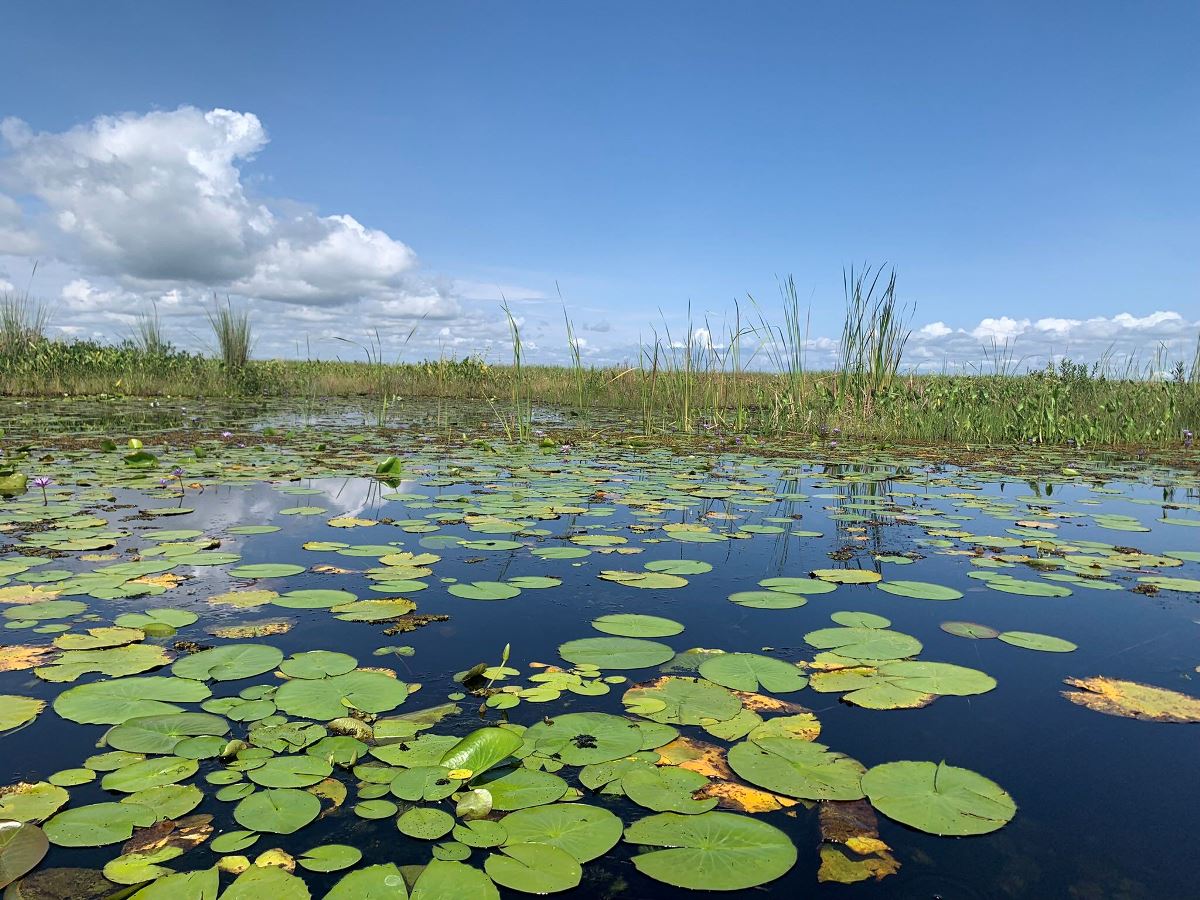
Wetlands are one of the defining characteristics of Lake Opeta.
Papyrus and other aquatic vegetation grow across parts of the lake’s margins, creating habitat for birds and other wildlife.
These wetlands also help regulate water movement and provide natural resources for nearby communities.
For nature travelers, the wetlands are arguably more important than the open lake itself because they support much of the area’s biodiversity.
Bird Watching at Lake Opeta
Lake Opeta can be particularly rewarding for bird watchers.
The combination of shallow water, papyrus, open wetlands and surrounding grasslands creates suitable habitat for numerous bird species.
Depending on the season and exact location, visitors may encounter herons, egrets, kingfishers, storks, fish eagles and other wetland birds.
Birding here is best approached as an exploratory experience rather than expecting the same visitor infrastructure found at Uganda’s more established birding destinations.
The Papyrus Environment
Papyrus is an important component of the Lake Opeta ecosystem.
Large stands of papyrus provide shelter and nesting habitat for birds while helping stabilize wetland environments.
Local communities may also make use of wetland plants for traditional crafts and other purposes.
This makes the lake a good example of the connection between wetland conservation and local livelihoods.
Fishing on Lake Opeta
Fishing is an important activity for communities around Lake Opeta.
Local fishermen use small boats and traditional methods to catch fish from the lake.
At fishing landing sites, visitors may see fishermen returning with their catch, fish being processed and local trading taking place.
A guided visit to a landing site can provide a valuable glimpse into everyday life in eastern Uganda.
Fishing Communities Around Lake Opeta
The communities surrounding Lake Opeta have a strong relationship with the lake.
Fishing provides food and income, while the surrounding wetlands and agricultural land contribute to other livelihoods.
This makes the area interesting for travelers who want to understand how rural Ugandan communities interact with natural resources.
When visiting, it is important to remember that these are working communities rather than tourist attractions. Respectful interaction and permission before photography are essential.
Lake Opeta for Cultural Tourism
Lake Opeta can be incorporated into a cultural experience focused on fishing traditions, local food, crafts and rural life.
A knowledgeable local guide can explain how the lake influences the community and how people have adapted to living around a wetland environment.
This type of experience can be especially rewarding for travelers who have already visited Uganda’s major wildlife destinations and want to see a more everyday side of the country.
Wildlife Around Lake Opeta
Lake Opeta is not primarily known for large mammals.
The wildlife experience is more closely connected to birds, fish, reptiles, amphibians and wetland species.
The surrounding grasslands may also support smaller mammals.
Travelers seeking elephants, lions, giraffes or other large safari animals should visit Uganda’s established national parks instead.
Lake Opeta’s strength is its wetland biodiversity and peaceful environment.
Lake Opeta for Photography
Lake Opeta offers interesting opportunities for documentary and landscape photography.
Fishing boats, papyrus wetlands, open water, birds and rural communities can all provide strong subjects.
The relatively undeveloped nature of the area can also produce photographs that feel very different from those taken around Uganda’s major tourism centers.
Early morning is particularly attractive when fishermen are beginning their work and the lake is often quieter.
Sunrise at Lake Opeta
Sunrise can be a beautiful time around Lake Opeta.
The combination of mist, open water and papyrus wetlands creates a peaceful atmosphere.
Fishing activity may already be beginning, providing opportunities to photograph boats and fishermen against the morning light.
For bird watchers, early morning is also one of the most productive periods for observing active birds.
Sunset at Lake Opeta
The broad, flat landscape around the lake makes sunset particularly atmospheric.
As the sun falls, the open water and wetlands can take on warm tones while fishing boats gradually return toward shore.
If you’re staying nearby, sunset provides a simple and peaceful way to experience the lake after a day of exploring eastern Uganda.
Activities Around Lake Opeta
Activities at Lake Opeta are generally centered around nature and community experiences rather than a large collection of formal tourist attractions.
Depending on local arrangements, visitors may enjoy:
Bird watching
Boat excursions
Fishing-community visits
Nature walks
Landscape photography
Wetland exploration
The exact activities available can vary, so arrangements should be made locally rather than assuming that every service operates year-round.
Boat Trips on Lake Opeta
A locally organized boat trip can provide a closer look at the lake and its wetlands.
From the water, travelers can observe papyrus stands, fishing activity and birds while gaining a better appreciation of the lake’s shallow character.
Because Lake Opeta is not a major mainstream tourism destination, boat excursions should be arranged with knowledgeable local operators who understand the lake and weather conditions.
Lake Opeta and Eastern Uganda
Lake Opeta provides an opportunity to explore a part of Uganda that is often overlooked by international safari itineraries.
Eastern Uganda has a distinctive landscape characterized in many places by wetlands, plains, rivers, farms and traditional communities.
A journey through the region can therefore complement the more famous western Uganda safari circuit.
Lake Opeta and Soroti
Soroti is one of the important urban centers in eastern Uganda and can serve as a useful base for exploring attractions in the wider Teso region.
Travelers planning a Lake Opeta visit may use Soroti as part of a broader eastern Uganda route, depending on the exact location and access point they choose.
The town also provides accommodation, restaurants and transport connections for visitors exploring the surrounding region.
Lake Opeta and the Teso Region
Lake Opeta lies within a region strongly associated with the Teso people and Teso culture.
Visitors interested in local culture can combine a lake visit with experiences involving traditional food, music, crafts and community life.
This gives the trip a broader cultural dimension beyond simply viewing the lake.
Lake Opeta and Lake Kyoga
Lake Opeta belongs to the wider Lake Kyoga basin, one of Uganda’s major wetland and freshwater systems.
Lake Kyoga itself is much larger and more widely recognized, while Lake Opeta represents one of the smaller but ecologically significant water bodies within the wider system.
Travelers interested in Uganda’s inland waters can therefore connect Lake Opeta with a broader exploration of the Lake Kyoga region.
Conservation Around Lake Opeta
The wetlands surrounding Lake Opeta are valuable ecosystems that require careful management.
Wetland degradation, unsustainable resource use and other environmental pressures can affect water quality and biodiversity.
Responsible tourism can contribute by encouraging visitors to respect wetlands, avoid littering and support communities involved in sustainable tourism and resource management.
Best Time to Visit Lake Opeta
Lake Opeta can be visited throughout the year, but conditions can vary considerably between wet and dry periods.
The drier months may make road access easier, while the wetter season can produce greener landscapes and potentially attractive conditions for bird watching.
For photographers and birders, early mornings are generally preferable regardless of season.
Because this is a relatively undeveloped tourism destination, checking local conditions before traveling is particularly important.
How to Get to Lake Opeta
Lake Opeta is primarily accessed by road through eastern Uganda.
The most suitable route depends on which part of the lake you intend to visit and whether you are combining it with Lake Bisina, Soroti or other eastern Uganda destinations.
Because local access roads can vary in condition, travelers should arrange transport with someone familiar with the area.
Where to Stay Near Lake Opeta
Lake Opeta has considerably less tourism infrastructure than destinations such as Queen Elizabeth National Park or Murchison Falls.
Visitors may therefore find it more practical to stay in nearby towns such as Soroti or arrange simple locally operated accommodation where available.
For travelers seeking a more comfortable trip, Lake Opeta can be treated as a day excursion within a larger eastern Uganda itinerary.
How Long Should You Spend at Lake Opeta?
A focused visit can be completed in half a day to one day, depending on the activities planned.
Bird watchers and photographers may prefer more time because the quiet nature of the environment rewards patience.
If you are combining Lake Opeta with Lake Bisina and other attractions in eastern Uganda, an overnight stay in the wider region can make the itinerary more relaxed.
Responsible Tourism at Lake Opeta
Responsible tourism is especially important here because the lake directly supports local communities.
Visitors should respect fishing activities, avoid disturbing birds and wildlife, and never leave rubbish around the shoreline or wetlands.
When photographing fishermen or community members, ask permission first.
Using local guides and services where available is one of the simplest ways to ensure that tourism contributes to the people who live around the lake.
Is Lake Opeta Worth Visiting?
Yes, if you are interested in Uganda’s lesser-known natural landscapes.
Lake Opeta is not a destination you visit expecting a traditional safari packed with lions, elephants and giraffes.
Instead, it offers something quieter: wetlands, birds, fishing communities, open water and a genuine connection with rural eastern Uganda.
Its relationship with Lake Bisina and the wider Lake Kyoga basin also makes it valuable from an ecological perspective.
For travelers willing to move beyond Uganda’s most famous attractions, Lake Opeta can provide an authentic and peaceful experience that shows another side of the country.
Frequently Asked Questions
Where Is Lake Opeta?
Lake Opeta is located in eastern Uganda, within the wider wetland system of the Lake Kyoga basin.
What Is Lake Opeta Famous For?
It is mainly known for its wetlands, birdlife, fishing activities and rural lakeside communities.
Is Lake Opeta a Tourist Destination?
It is a less-developed, off-the-beaten-path destination rather than one of Uganda’s major mainstream tourism attractions.
Is Lake Opeta Good for Bird Watching?
Yes. Its shallow waters, papyrus wetlands and surrounding habitats provide opportunities to observe a variety of wetland birds.
Can I Visit Lake Opeta and Lake Bisina Together?
Yes. The two lakes are part of the same broader wetland landscape and can be considered together when planning an eastern Uganda nature itinerary.
Can I Take a Boat Ride on Lake Opeta?
Locally organized boat experiences may be possible depending on the area and current conditions. It is important to use experienced local operators and follow safety advice.
Is Lake Opeta Near Soroti?
Soroti is one of the important towns in the wider eastern Uganda region and can be useful as a base when planning visits to attractions in the surrounding area.
How Long Do I Need at Lake Opeta?
A half-day or full day can be sufficient for a focused visit, although bird watchers and photographers may prefer longer.