





Overview
Mount Moroto – Travel Overview
Mount Moroto is one of the most distinctive mountain destinations in northeastern Uganda, rising dramatically above the semi-arid landscapes of the Karamoja Region. Located near Moroto Town, the mountain provides travelers with a combination of hiking, breathtaking scenery, biodiversity and opportunities to learn about the culture and traditions of the Karamojong people.
At approximately 3,083 metres above sea level, Mount Moroto is the highest mountain in the Karamoja sub-region and one of Uganda’s prominent mountain landscapes.
Unlike Uganda’s more famous Rwenzori Mountains and Mount Elgon, Mount Moroto offers a very different hiking environment. Its setting is characterized by dry savannah, rocky slopes and scattered vegetation, with the mountain rising prominently above the surrounding plains.
For travelers exploring northeastern Uganda, climbing or exploring Mount Moroto can provide an adventurous complement to a safari in Kidepo Valley National Park, Pian Upe Wildlife Reserve, Matheniko Wildlife Reserve or other destinations in the region.
Where Is Mount Moroto?
Mount Moroto is located in Moroto District in northeastern Uganda, close to Moroto Town.
Its position makes the mountain one of the most recognizable landmarks in the Karamoja Region.
The mountain rises from the surrounding semi-arid plains, creating a striking contrast between the lowland savannah and the higher, cooler slopes.
For travelers exploring Karamoja, Moroto Town is generally the most practical base for arranging a mountain excursion.
What Makes Mount Moroto Special?
Mount Moroto’s biggest attraction is the contrast between its mountain environment and the surrounding Karamoja landscape.
From the lower areas, travelers can see an enormous rocky massif rising from an otherwise open landscape.
As you climb higher, the environment changes.
The vegetation becomes different, temperatures become cooler and the views across the plains become increasingly impressive.
The mountain also has cultural importance to communities living around it.
This makes Mount Moroto more than simply a hiking destination.
It is a place where landscape, culture, biodiversity and adventure intersect.
Hiking Mount Moroto
Hiking is the main adventure activity associated with Mount Moroto.
The mountain offers opportunities for travelers who want to experience the Karamoja landscape on foot rather than simply viewing it from a safari vehicle.
A hike can take you through different vegetation zones as you gain elevation.
Depending on the route and objective, the experience may involve rocky sections, steep slopes and uneven terrain.
The physical challenge varies according to the chosen route and how high you intend to climb.
Travelers should therefore discuss their fitness level and hiking goals with their guide before starting.
The Mountain Landscape
Mount Moroto’s landscape is very different from Uganda’s lush western forests.
The lower slopes are surrounded by a predominantly dry and semi-arid environment.
Rocky terrain, grasses, shrubs and scattered trees characterize much of the landscape.
Higher sections provide a different environment, with vegetation becoming increasingly adapted to cooler mountain conditions.
This variation makes the mountain interesting for travelers who enjoy observing changes in vegetation and landscape as elevation increases.
Views From Mount Moroto
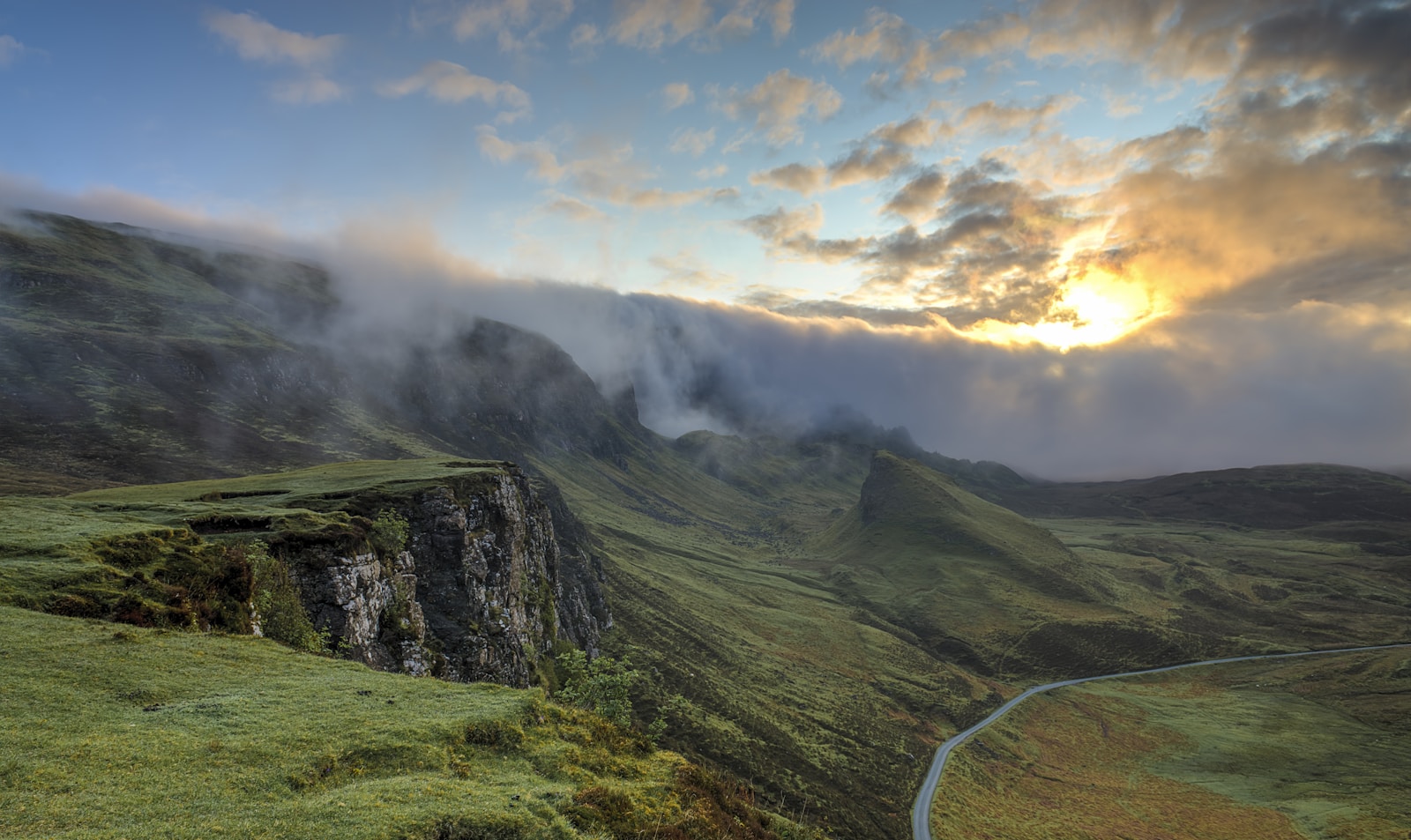
One of the greatest rewards of hiking Mount Moroto is the scenery.
From elevated sections of the mountain, travelers can look across the vast Karamoja plains.
The landscape stretches toward distant hills and mountains, creating a sense of enormous open space.
Sunrise and sunset can be particularly impressive.
The changing light over the plains can transform the landscape from dry golden grasslands into dramatic shadows and silhouettes.
For photographers, these panoramic views can be one of the highlights of the climb.
Mount Moroto and Karamoja Culture
Mount Moroto is closely connected to the cultural landscape of the Karamojong people.
The Karamojong are traditionally pastoralist communities whose lives have historically been strongly connected to cattle, land and seasonal movement.
A visit to Mount Moroto therefore provides an opportunity to experience both the physical landscape and the cultural environment surrounding it.
A local guide can explain the relationship between communities, livestock, mountains and the surrounding plains.
This cultural context makes the hike more meaningful than simply reaching a summit.
Community Experiences Around Mount Moroto
Travelers can combine mountain activities with community-based cultural experiences around Moroto.
Depending on the arrangements, visitors may learn about:
Karamojong traditions
Pastoral lifestyles
Traditional settlements
Local crafts
Food
Music and dance
Traditional stories
These experiences should be organized respectfully and ideally through legitimate local guides or community tourism initiatives.
The goal should be learning about the culture rather than treating communities as tourist attractions.
Wildlife Around Mount Moroto
Mount Moroto is not primarily a conventional wildlife-viewing destination.
Travelers should not visit expecting the same game-viewing experience available in Kidepo Valley National Park.
However, the broader mountain and savannah environment supports a variety of wildlife, birds and smaller species.
During a hike, you may encounter birds, reptiles, insects and other smaller forms of wildlife.
The mountain’s biodiversity becomes more interesting as you pay attention to the different habitats along the elevation gradient.
Bird Watching on Mount Moroto
Birding can be incorporated into a Mount Moroto hike.
The combination of rocky slopes, savannah, shrubs and higher-altitude habitats creates opportunities for observing different bird species.
Travelers who are serious about birding should consider bringing binoculars and arranging a knowledgeable local guide.
The best sightings are never guaranteed, but slowing down and listening to bird calls can turn a mountain hike into an enjoyable birding experience.
Plants and Vegetation
Mount Moroto provides an opportunity to observe how vegetation changes with elevation.
The lower slopes are influenced by the surrounding semi-arid environment, while higher elevations support vegetation adapted to cooler conditions.
This makes the mountain useful for travelers interested in botany and ecology.
It also demonstrates how dramatically Uganda’s landscapes can change over relatively short distances.
Best Time to Climb Mount Moroto
Mount Moroto can be explored at different times of the year, but weather and trail conditions are important considerations.
The dry periods can make hiking conditions more manageable, while rainfall can make rocky and steep sections slippery.
The exact weather conditions can vary, so travelers should check local conditions before setting out.
An experienced local guide can advise on the most suitable route and departure time.
How Difficult Is Mount Moroto?
The difficulty depends heavily on the route, elevation gained and hiking objective.
Mount Moroto should not be treated as a casual city walk.
Some sections can be steep and rocky, and the combination of heat at lower elevations and cooler conditions higher up can make the hike physically demanding.
Travelers should prepare with:
- Good hiking shoes
- Plenty of drinking water
- Sun protection
- Lightweight clothing
- A warm layer for higher elevations
- Rain protection
- Snacks
- Basic first-aid supplies
Your guide should also advise you on the route and expected hiking duration.
How Long Does a Mount Moroto Hike Take?
There is no single duration for every Mount Moroto hike.
Shorter excursions can explore lower sections, while more ambitious hikes require considerably more time.
A full-day hiking experience may be suitable for travelers who want to explore the mountain without attempting a lengthy summit objective.
Travelers planning a serious climb should discuss the route and duration with a local guide before booking.
The important thing is to avoid choosing an itinerary simply because it advertises a particular number of hours without considering the actual route.
Starting a Mount Moroto Hike
Most travelers arrange their hike from Moroto Town.
Your guide will normally explain the route, preparation and expected conditions before departure.
Because the mountain is remote and the terrain can be challenging, travelers should not attempt unfamiliar routes independently.
A local guide also adds value by explaining the landscape, wildlife and cultural significance of the mountain.
Mount Moroto and Photography
Mount Moroto is an excellent destination for landscape photography.
The mountain provides opportunities to photograph:
Karamoja’s open plains
Rock formations
Mountain vegetation
Sunrise
Sunset
Traditional communities
Cattle herders
Mountain trails
Distant hills and valleys
The contrast between the dry plains and rugged mountain is particularly striking.
Photographers should ask permission before photographing local people and avoid photographing culturally sensitive activities without consent.
Mount Moroto at Sunrise and Sunset
Sunrise and sunset are particularly attractive times around Mount Moroto.
At sunrise, the first light can illuminate the surrounding plains and mountain slopes.
At sunset, the mountain can form a dramatic silhouette against the changing sky.
Travelers who want to photograph these moments should discuss timing and safety with their guide.
The mountain environment can become difficult to navigate in low light, so photography should never take priority over safety.
Mount Moroto and Kidepo Valley National Park
One of the best ways to experience Mount Moroto is as part of a wider Karamoja itinerary.
Travelers can combine the mountain with Kidepo Valley National Park, Uganda’s famous northeastern wilderness destination.
The two experiences are complementary.
Kidepo provides traditional safari activities and wildlife viewing.
Mount Moroto provides hiking, mountain scenery and cultural experiences.
Together they create a much broader picture of northeastern Uganda.
Mount Moroto and Matheniko Wildlife Reserve
Matheniko Wildlife Reserve can also be incorporated into a Karamoja itinerary.
The reserve and Mount Moroto both showcase the region’s rugged landscapes, but they provide different experiences.
Matheniko is primarily associated with wildlife and wilderness.
Mount Moroto is more focused on hiking, scenery and cultural exploration.
Combining the two can be particularly attractive for adventurous travelers.
Mount Moroto and Pian Upe Wildlife Reserve
Travelers approaching Karamoja from southern Uganda can consider combining Pian Upe Wildlife Reserve with Mount Moroto.
Pian Upe introduces visitors to the savannah landscapes of northeastern Uganda before they continue toward Moroto.
This can create a gradual transition from wildlife viewing to mountain and cultural experiences.
Mount Moroto and Karamojong Cultural Experiences
For travelers interested in culture, combining the mountain with a Karamojong community experience is highly recommended.
The mountain provides the landscape.
The cultural experience provides the human story.
Together they help travelers understand how people have adapted to and lived within this semi-arid environment.
A responsible experience should involve local guides and provide clear benefits to the communities involved.
Where to Stay Near Mount Moroto
Moroto Town is the most practical base for most travelers exploring Mount Moroto.
The town offers accommodation, restaurants, transport connections and access to local guides.
Travelers planning a wider Karamoja itinerary can use Moroto as a base before continuing toward other destinations.
Accommodation options become more limited as you move farther into remote parts of the region, so advance planning is recommended.
How to Get to Mount Moroto
Mount Moroto is accessible by road from other parts of Uganda.
The journey from Kampala is long, so travelers should allow adequate time.
For visitors already exploring northeastern Uganda, reaching Moroto by road is more straightforward.
Depending on the itinerary and current transport availability, travelers can also consider domestic flights to the wider northeastern region before continuing by road.
A tour operator can help coordinate transportation, guides and accommodation.
Is Mount Moroto Safe for Tourists?
Travel conditions in Karamoja can vary, particularly in remote areas.
Visitors should therefore travel with reputable guides and follow current local security advice.
Avoid independently exploring remote mountain routes without local knowledge.
Your guide can advise on appropriate hiking areas, current conditions, weather and any restrictions.
The remoteness of Mount Moroto makes proper planning particularly important.
Responsible Tourism on Mount Moroto
Responsible tourism helps protect both the mountain environment and local communities.
Visitors should:
Stay on appropriate trails.
Avoid leaving rubbish behind.
Do not remove plants or rocks.
Respect cultural sites.
Ask permission before photographing people.
Use local guides where appropriate.
Avoid disturbing wildlife.
Respect local customs and community property.
A mountain experience is most rewarding when travelers leave the landscape as they found it.
Is Mount Moroto Worth Visiting?
For the right traveler, absolutely.
Mount Moroto offers something that many of Uganda’s better-known destinations do not: the opportunity to experience mountain adventure within a semi-arid cultural landscape.
You can hike above the Karamoja plains, meet local communities, photograph dramatic landscapes and combine the experience with wildlife destinations such as Kidepo.
It is particularly attractive for travelers who enjoy destinations that feel remote and less conventional.
Who Should Visit Mount Moroto?
Mount Moroto is particularly suitable for:
Hikers
Adventure travelers
Photographers
Bird watchers
Nature lovers
Cultural travelers
Off-the-beaten-path explorers
Travelers visiting Kidepo and wider Karamoja
It may be less suitable for travelers looking only for a conventional safari or an easy sightseeing experience.
Frequently Asked Questions
Where Is Mount Moroto?
Mount Moroto is located in northeastern Uganda near Moroto Town in the Karamoja Region.
How High Is Mount Moroto?
Mount Moroto reaches approximately 3,083 metres above sea level.
Can Tourists Hike Mount Moroto?
Yes. Hiking is one of the principal activities associated with the mountain, although routes and difficulty vary.
Do I Need a Guide?
A local guide is strongly recommended, particularly for longer or unfamiliar routes.
Is Mount Moroto a National Park?
No. Mount Moroto is a mountain and natural landscape within the wider Karamoja region rather than a national park.
Can I Combine Mount Moroto With Kidepo?
Yes. The two destinations complement one another extremely well, combining mountain adventure and culture with traditional wildlife viewing.
What Should I Bring?
Bring sturdy hiking footwear, water, sun protection, suitable clothing, rain protection, snacks and a warm layer for higher elevations.
Is Mount Moroto Suitable for Beginners?
Some shorter and less demanding routes may be suitable, but travelers should discuss their fitness level and intended route with a local guide.
Can I Experience Karamojong Culture?
Yes. Cultural experiences around Moroto can be combined with a Mount Moroto hiking itinerary.
What Is the Best Time to Visit Mount Moroto?
Mount Moroto can be visited throughout the year, but weather and trail conditions should be checked before hiking.