Overview
Napak Region – Travel Overview
Napak Region is one of Uganda’s lesser-explored travel destinations, offering visitors an opportunity to experience the rugged landscapes, mountains, wildlife and cultural heritage of Karamoja in northeastern Uganda.
Located in the northeastern part of the country, Napak is a destination for travelers looking beyond Uganda’s better-known national parks and seeking a more remote experience. The region combines dry savannah landscapes with striking mountains, traditional communities and a way of life strongly connected to pastoralism and the natural environment.
For travelers exploring Karamoja, Napak can be particularly interesting because it provides a different perspective on northeastern Uganda. Rather than focusing exclusively on conventional wildlife safaris, a journey through Napak can include mountain scenery, cultural experiences, community encounters, nature exploration and photography.
The region can also form part of a broader northeastern Uganda itinerary connecting destinations such as Mount Moroto, Kidepo Valley National Park, Pian Upe Wildlife Reserve and Matheniko Wildlife Reserve.
Where Is Napak Region?
Napak Region is located in northeastern Uganda, within the wider Karamoja sub-region.
The region is named after Napak District, whose administrative center is Matany. It lies within the rugged and predominantly semi-arid landscape characteristic of Karamoja.
The area is considerably less developed for international tourism than destinations such as Kampala, Bwindi or Queen Elizabeth National Park.
That relative lack of mass tourism is part of its attraction.
Travelers who visit Napak can experience a landscape where tourism is still developing and where cultural and natural experiences remain strongly connected to local communities.
What Makes Napak Region Special?
Napak’s appeal comes from its combination of mountains, dryland landscapes, culture and remoteness.
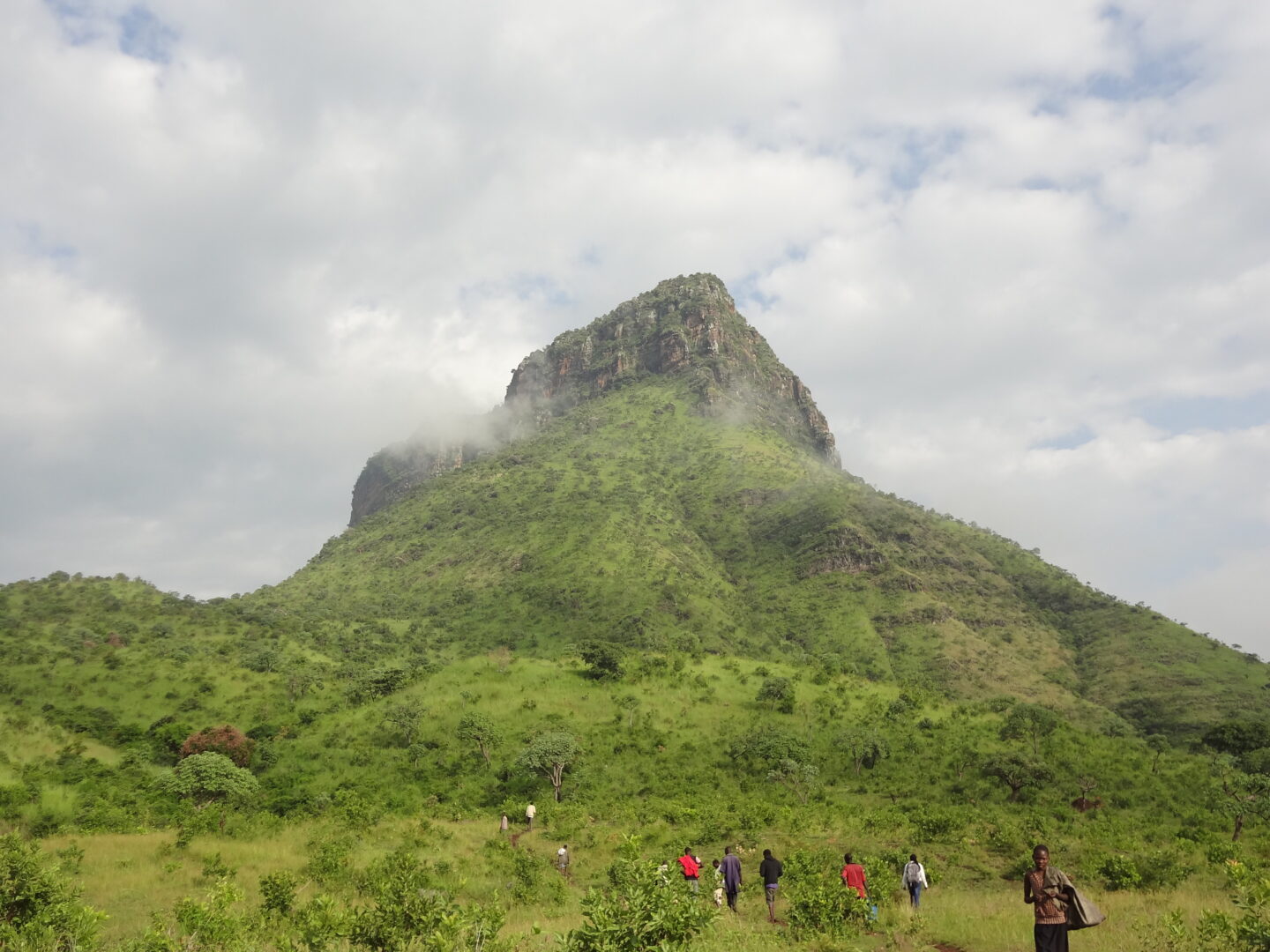
The region contains several striking highland areas, with Mount Napak being one of its most prominent natural landmarks.
The surrounding plains create dramatic scenery, particularly where rocky mountains rise suddenly from the semi-arid landscape.
This is very different from the tropical forests of southwestern Uganda or the broad savannah plains of some of the country’s major national parks.
Napak is therefore best understood as a Karamoja adventure and cultural destination, rather than a conventional safari destination.
Mount Napak
Mount Napak is one of the major natural attractions associated with the region.
The mountain rises above the surrounding landscape and provides opportunities for hiking and exploration.
For adventurous travelers, climbing or exploring Mount Napak can provide a completely different mountain experience from Uganda’s more famous Rwenzori and Mount Elgon destinations.
The surrounding dryland environment makes the experience particularly distinctive.
Rather than hiking through a permanently wet tropical environment, visitors experience a combination of rocky terrain, savannah vegetation and changing mountain habitats.
Hiking in Napak
Hiking is one of the most interesting activities for adventurous travelers visiting the region.
Routes around Mount Napak and other elevated areas can provide opportunities to explore the landscape on foot.
The experience is less about a highly developed trail system and more about exploration with local guidance.
Travelers should be prepared for uneven and sometimes challenging terrain.
A local guide is particularly valuable because they understand the landscape, local conditions and culturally important areas.
Hikers should also carry sufficient water because temperatures in the surrounding lowlands can be high.
The Karamoja Landscape
One of Napak’s strongest visual characteristics is its semi-arid landscape.
The region can appear dramatically different depending on the season.
During wetter periods, grasses and vegetation become greener, while dry periods reveal the characteristic golden and brown tones associated with northeastern Uganda.
Scattered trees, rocky hills and distant mountains create wide panoramic views.
For photographers, the combination of mountains and open plains provides excellent opportunities for landscape photography.
Karamojong Culture in Napak
Culture is an essential part of the Napak travel experience.
The region is home to Karamojong communities, whose traditional way of life has historically been closely associated with pastoralism and cattle.
Cattle have cultural, social and economic significance within Karamojong society.
Visitors can learn about traditional lifestyles, community organization, food, crafts and relationships with the surrounding environment through appropriately arranged cultural experiences.
The experience is particularly meaningful when conducted with local guides and community members who can explain the traditions from their own perspective.
Traditional Manyattas
One of the most recognizable aspects of traditional Karamojong life is the manyatta, a traditional settlement or homestead.
A manyatta typically consists of several households arranged within a protected enclosure.
The design reflects both social organization and practical needs.
Visiting a community settlement can provide travelers with a much deeper understanding of daily life in Karamoja than simply passing through the region by vehicle.
However, visitors should always arrange community visits respectfully and avoid entering homes or taking photographs without permission.
Traditional Karamojong Lifestyle
The pastoral lifestyle has historically shaped many aspects of life in Karamoja.
Livestock can influence social relationships, traditions and household livelihoods.
The semi-arid environment also means communities have developed strategies for living in a landscape where water and pasture availability can vary considerably.
Travelers who spend time with local communities can learn about how people adapt to these environmental conditions.
This cultural dimension is one of the strongest reasons to explore Napak.
Cultural Experiences
Depending on the community and arrangements available, visitors may experience aspects of Karamojong culture through:
Traditional music
Dance
Storytelling
Crafts
Traditional food
Community visits
Pastoral activities
Traditional settlements
These activities should be organized through responsible community tourism initiatives where possible.
The objective should be cultural exchange and learning rather than simply observing people.
Wildlife Around Napak
Napak is not primarily known as a Big Five safari destination.
Travelers should not expect the same concentrated wildlife viewing found in Kidepo Valley National Park or Uganda’s major savannah parks.
However, the broader landscape supports wildlife adapted to northeastern Uganda’s dry conditions.
Birds, reptiles, smaller mammals and other wildlife can be encountered during nature exploration.
For travelers particularly interested in large mammals, it makes more sense to combine Napak with one of the region’s established wildlife destinations.
Bird Watching in Napak
Bird watching can be incorporated into a trip through the region.
The combination of dry savannah, shrubs, rocky areas and mountain habitats provides a variety of environments for birdlife.
Travelers who enjoy birding should carry binoculars and allow time for observation.
Because the region is less intensively visited than Uganda’s famous birding destinations, birding here can feel much more exploratory.
The experience is about discovering what the landscape offers rather than ticking off guaranteed sightings.
Photography in Napak
Napak is particularly attractive to photographers because of its dramatic landscapes and cultural setting.
Photography opportunities include:
Mount Napak
Karamoja plains
Rocky hills
Sunrise and sunset
Cattle and pastoral landscapes
Traditional architecture
Local crafts
Traditional dances
Community life
The contrast between the mountain and dry plains can create especially striking images.
Photographers should always ask permission before photographing individuals or culturally sensitive activities.
Sunrise and Sunset
The wide horizons of northeastern Uganda make sunrise and sunset particularly attractive.
Early morning light can reveal the mountains and plains in soft colors, while evening light can produce dramatic silhouettes.
Travelers staying in or around Napak can plan excursions around these periods, although safety and local guidance should always take priority.
Napak and Mount Moroto
Mount Moroto is one of the most important destinations to combine with Napak.
Both destinations provide mountain landscapes and cultural experiences within Karamoja, but they offer different perspectives on the region.
A wider itinerary can allow travelers to experience several parts of Karamoja instead of concentrating on one town or mountain.
This is particularly attractive for adventure travelers who want to explore northeastern Uganda beyond a traditional safari.
Napak and Kidepo Valley National Park
For wildlife enthusiasts, combining Napak with Kidepo Valley National Park is an excellent option.
Kidepo provides the traditional safari experience, including game drives and opportunities to see large mammals.
Napak adds a cultural and mountain dimension.
The contrast between the two makes the journey more varied.
You can spend one part of the trip exploring wildlife in the national park and another learning about the landscapes and communities of Karamoja.
Napak and Pian Upe Wildlife Reserve
Travelers approaching Karamoja from the south can also combine Napak with Pian Upe Wildlife Reserve.
Pian Upe offers a broad savannah landscape and wildlife experience.
Continuing north toward Napak then introduces travelers to the more mountainous and culturally distinctive landscapes of Karamoja.
This can make for an interesting overland itinerary through northeastern Uganda.
Napak and Matheniko Wildlife Reserve
Matheniko Wildlife Reserve can also be included in a broader Karamoja circuit.
The reserve is associated with the dryland landscapes and wildlife of northeastern Uganda.
Combining it with Napak provides an opportunity to explore both nature and culture.
Travelers should, however, confirm current access arrangements and local conditions before planning activities in remote areas.
Best Time to Visit Napak
Napak can be visited at different times of the year, but weather has a major influence on travel conditions.
The region experiences a generally semi-arid climate, with temperatures often becoming high during the dry periods.
Rainfall can transform the landscape, making vegetation greener and sometimes improving the visual appeal of the plains.
For hiking, travelers should consider both heat and trail conditions.
The best period therefore depends on whether your priority is mountain hiking, cultural experiences, photography or wildlife.
How to Get to Napak
Napak is reached primarily by road.
The journey from Kampala is long, so it is generally more practical to visit as part of a wider northeastern Uganda itinerary rather than making the journey solely for a short visit.
Travelers can approach the region through other parts of Karamoja, including Moroto.
A tour operator can coordinate road transportation, accommodation and local guides.
Because some areas are remote, advance planning is important.
Where to Stay in Napak
Accommodation in Napak is more limited than in Uganda’s major tourism centers.
Travelers may choose to stay in Moroto or other nearby towns and visit parts of Napak during excursions.
For longer cultural or adventure itineraries, accommodation arrangements should be made before traveling.
Do not assume that remote areas will have the same range of lodges and hotels available around major national parks.
How Long Should You Spend in Napak?
The amount of time required depends on what you want to experience.
A traveler simply passing through may spend part of a day exploring the landscape.
Someone interested in hiking, photography and cultural experiences can benefit from one or more nights in the region.
If Napak is part of a broader Karamoja itinerary, several days can be allocated to exploring different mountains, communities and wildlife areas.
This slower approach is generally more rewarding than trying to rush through the region.
Is Napak Suitable for Families?
Napak can be suitable for adventurous families, but it requires more planning than Uganda’s conventional tourism destinations.
Long road journeys, heat, limited infrastructure and hiking conditions should all be considered.
Families traveling with children should choose activities according to age and fitness level.
Community visits can be educational, while shorter nature walks may be preferable to demanding mountain climbs.
Is Napak Safe for Tourists?
Travelers should obtain current local security advice before visiting remote parts of Karamoja.
Conditions can vary, and travelers should use reputable guides and established tourism arrangements.
Avoid independently entering unfamiliar remote areas.
A local guide is valuable not only for navigation but also for understanding community protocols and current conditions.
Responsible Tourism in Napak
Responsible tourism is especially important in a region where tourism infrastructure is still developing.
Travelers can contribute positively by using local guides, supporting community-run activities and purchasing legitimate local crafts.
Visitors should also:
Ask permission before taking photographs.
Respect traditional settlements.
Avoid entering homes without invitation.
Follow local guidance.
Do not litter.
Avoid disturbing livestock.
Respect cultural ceremonies and sacred places.
Support locally owned businesses where possible.
The best cultural experiences are based on respect and genuine interaction.
Why Visit Napak?
Napak is worth considering because it offers a side of Uganda that many visitors never experience.
There are no guarantees of luxury or heavily developed tourism infrastructure.
Instead, travelers find wide-open landscapes, rugged mountains, cultural encounters and a strong sense of place.
For adventurous visitors, that is exactly what makes the region appealing.
Napak can turn a conventional Uganda itinerary into something much more exploratory.
Who Should Visit Napak?
Napak is particularly suitable for:
Adventure travelers
Mountain hikers
Photographers
Cultural travelers
Bird watchers
Off-the-beaten-path explorers
Travelers exploring Karamoja
Visitors combining culture with Kidepo
It may be less suitable for travelers seeking only luxury accommodation or guaranteed wildlife sightings.
Frequently Asked Questions
Where Is Napak Region?
Napak is in northeastern Uganda within the Karamoja sub-region.
What Is Napak Famous For?
The region is known for its mountains, semi-arid landscapes, Karamojong culture and opportunities for adventure and cultural tourism.
Can I Hike in Napak?
Yes. Mountain hiking and nature exploration can be arranged in suitable areas, particularly around Mount Napak.
Is Mount Napak in Napak Region?
Yes. Mount Napak is one of the major natural landmarks associated with the region.
Can I Combine Napak With Kidepo?
Yes. Combining Napak with Kidepo Valley National Park creates a strong mixture of culture, mountain scenery and wildlife.
Can Tourists Visit Karamojong Communities?
Yes, with appropriately arranged community and cultural experiences. Visitors should respect local customs and obtain permission for photography.
Is Napak a National Park?
No. Napak Region is an administrative and geographic area within Karamoja, not a national park.
How Long Should I Stay?
One day can provide an introduction, while two or more days are more appropriate for travelers interested in hiking and cultural experiences.
What Should I Pack?
Carry comfortable walking shoes, plenty of water, sun protection, lightweight clothing, a hat, insect repellent, a camera and a warmer layer for cooler mountain conditions.