Overview
Sezibwa Falls – Travel Overview
Sezibwa Falls is one of the most interesting cultural and natural attractions in central Uganda, offering travelers a combination of waterfalls, forest scenery, traditional beliefs, local culture and outdoor exploration.
Located in Mukono District, east of Kampala, Sezibwa Falls is one of the easier natural attractions to reach from Uganda’s capital. Its accessibility makes it particularly suitable for travelers looking for a short excursion from Kampala, while its cultural importance gives the destination considerably more depth than a simple waterfall visit.
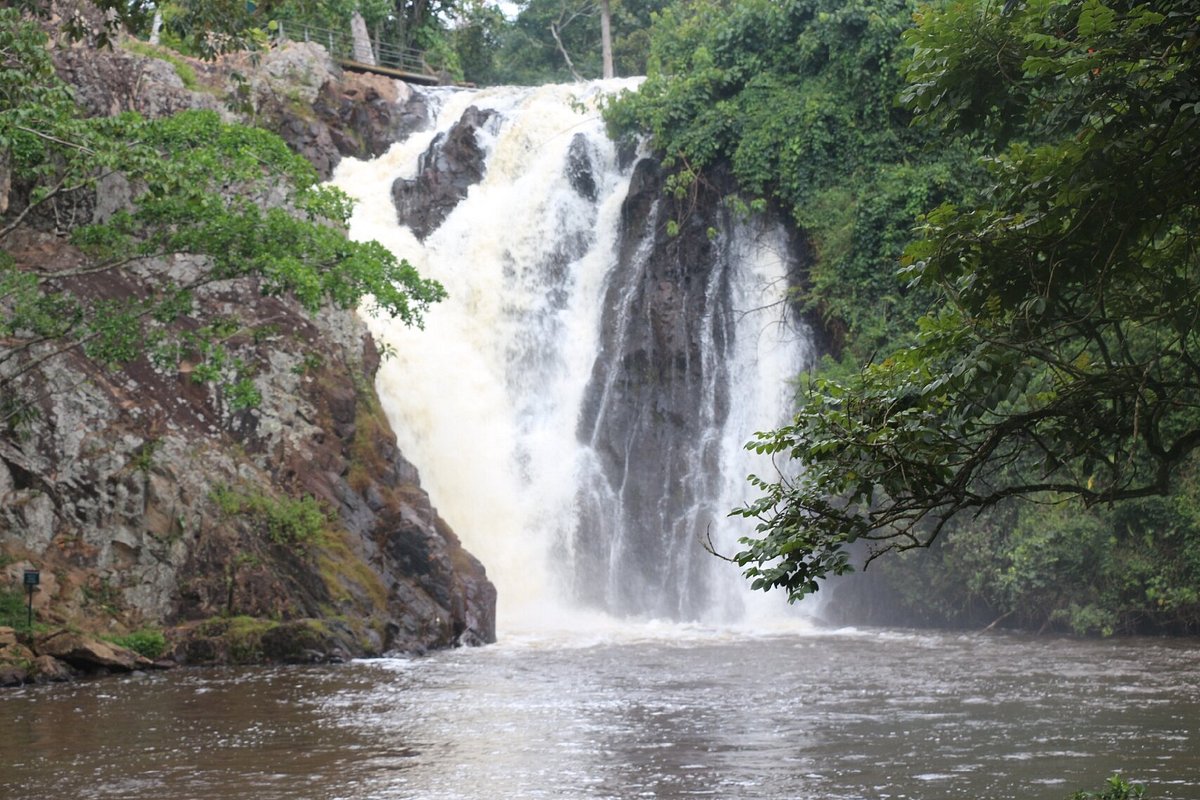
The falls are formed along the Sezibwa River, which passes through a rocky landscape before dropping through a series of channels and cascades. The surrounding area contains forest vegetation, rocks, trails and viewpoints that make it suitable for nature walks and photography.
However, Sezibwa Falls is equally important because of its place in Baganda cultural traditions.
For many visitors, this combination is what makes Sezibwa special. You can experience a natural landscape while learning about the beliefs, stories and traditions associated with the river and falls.
For travelers exploring central Uganda, Sezibwa Falls can be incorporated into a wider itinerary alongside destinations such as Jinja, Mabira Forest and Kampala.
Where Is Sezibwa Falls?
Sezibwa Falls is located in Mukono District in central Uganda, approximately 32 kilometres east of Kampala along the Kampala–Jinja road.
Its relatively short distance from Kampala makes it one of the more convenient nature destinations for visitors staying in the capital.
The falls can be visited as a standalone excursion or included as a stop during a longer journey toward Jinja and eastern Uganda.
This accessibility is one of Sezibwa Falls’ biggest advantages.
Travelers do not need to dedicate several days to reach the attraction, making it possible to experience the falls within a half-day or full-day excursion depending on the activities included.
What Makes Sezibwa Falls Special?
Sezibwa Falls is special because it combines nature and culture in one destination.
The waterfalls themselves provide a scenic attraction, but the surrounding landscape and cultural traditions give the visit additional meaning.
The area is associated with the Baganda people, and traditional stories explain the unusual origin of the Sezibwa River.
According to the traditional account, Sezibwa was born from a woman named Nnakawanga, who gave birth to twins associated with the rivers Sezibwa and Bwanda.
The story forms an important part of the cultural identity surrounding the falls.
Visitors therefore come not only to see water rushing over rocks, but also to learn about the traditions and beliefs connected to the site.
The Sezibwa River
The Sezibwa River is central to the identity of the attraction.
As it moves through the landscape, the river encounters rocky formations that create the waterfalls and smaller cascades.
The flowing water, vegetation and surrounding rocks create a peaceful natural environment that contrasts with the busy urban setting of Kampala.
The river is also culturally significant.
Traditional beliefs have historically associated parts of the river and its surroundings with spiritual importance.
Visitors should therefore treat the area with respect and follow guidance from local custodians and guides.
The Legend of Sezibwa Falls
One of the most memorable parts of visiting Sezibwa is hearing the traditional story associated with the river.
According to Baganda oral tradition, Nnakawanga gave birth to twins who were understood to be rivers.
One was named Sezibwa, while another was associated with Bwanda.
The story explains the unusual way in which the river is understood within local tradition.
While visitors may interpret the story differently depending on their cultural background, it remains an important part of the site’s heritage.
This is why a guided visit can be much more rewarding than simply arriving, photographing the waterfall and leaving.
Cultural Significance of Sezibwa Falls
Sezibwa Falls has long been associated with traditional Baganda spiritual and cultural practices.
Certain locations around the falls have been regarded as sacred, and traditional visitors have historically come to the site for blessings, offerings and other cultural purposes.
The site therefore has significance beyond tourism.
Visitors should understand that cultural practices associated with Sezibwa are part of a living tradition.
Photography, movement around certain areas and interaction with cultural sites should be guided by local customs.
Nature at Sezibwa Falls
Although Sezibwa is relatively close to Kampala, the environment around the falls provides a welcome escape from the city.
The area contains:
Forest vegetation
Rock formations
River channels
Waterfalls
Small trails
Bird habitats
Scenic viewpoints
Walking through the surroundings allows visitors to appreciate the natural environment at a slower pace.
The attraction is therefore suitable for travelers who want a short nature experience without traveling deep into rural Uganda.
Hiking and Nature Walks
Nature walks are among the activities available around Sezibwa Falls.
Walking trails allow visitors to explore the landscape surrounding the river and waterfalls.
The terrain can include uneven rocks, steps and natural paths, so comfortable footwear is recommended.
A guided walk can also provide information about local plants, birds, traditional uses of certain trees and the cultural significance of different locations.
The walking experience is not comparable to a multi-day mountain trek.
Instead, it is a relatively accessible nature activity suitable for visitors looking for a relaxed outdoor excursion.
Bird Watching at Sezibwa Falls
The vegetation around the falls provides habitat for various bird species.
Bird watchers can combine a visit to the waterfalls with casual birding, particularly during quieter periods of the day.
However, Sezibwa should not be marketed as one of Uganda’s specialist birding destinations.
Travelers whose primary goal is serious bird watching will find more extensive opportunities in destinations such as Mabira Forest, Budongo Forest and Uganda’s Albertine Rift forests.
At Sezibwa, birding works best as an additional activity during a broader nature visit.
Photography at Sezibwa Falls
Sezibwa Falls is a convenient location for photography.
The waterfalls, river, rocks and surrounding vegetation provide several different subjects.
Visitors can photograph:
The main waterfall
Smaller cascades
River channels
Rock formations
Forest vegetation
Birds
Cultural sites
Landscape views
During periods of higher water flow, the falls can appear particularly dramatic.
Photography around cultural areas should be conducted respectfully, especially where traditional practices or sacred locations are involved.
When Is the Best Time to Visit Sezibwa Falls?
Sezibwa Falls can be visited throughout the year.
However, rainfall can influence the appearance of the waterfall.
After periods of heavier rain, water levels may increase and the falls can become more powerful.
During drier periods, the water flow may be reduced, although the surrounding trails and cultural attractions remain accessible.
For travelers mainly interested in seeing the waterfall at stronger flow, visiting after rainfall can provide a more dramatic experience.
However, wet weather can also make rocks and trails slippery.
How Long Should You Spend at Sezibwa Falls?
Most travelers do not need several days at Sezibwa Falls.
A half-day visit can be sufficient for seeing the waterfall, exploring the surroundings and learning about its cultural significance.
A full-day excursion allows more time for nature walks, photography and a relaxed cultural experience.
Because of its location, Sezibwa is particularly useful as a stop on a broader central or eastern Uganda itinerary.
Sezibwa Falls as a Day Trip From Kampala
One of the easiest ways to experience Sezibwa Falls is as a day trip from Kampala.
The relatively short distance means travelers can leave Kampala in the morning, explore the falls and surrounding area, and return to the city later the same day.
This makes it a useful option for travelers who have limited time in Uganda but still want to experience a natural and cultural attraction outside the capital.
It can also be combined with other nearby attractions.
Sezibwa Falls and Jinja
Sezibwa Falls pairs particularly well with Jinja.
Travelers heading from Kampala toward Jinja can include Sezibwa as an intermediate stop before continuing east.
Jinja offers a much wider range of activities, including the Source of the Nile, boat experiences, adventure activities and cultural attractions.
Combining Sezibwa with Jinja therefore creates a more complete eastern Uganda experience.
Instead of visiting the waterfall as an isolated attraction, travelers can incorporate it into a broader itinerary.
Sezibwa Falls and Mabira Forest
Another excellent combination is Mabira Forest Reserve.
Mabira provides a more extensive forest environment with opportunities for nature walks, bird watching and forest exploration.
Sezibwa offers the waterfall and cultural experience.
The two destinations complement one another particularly well for travelers interested in nature.
A day or multi-day itinerary can therefore include both before continuing toward Jinja.
Sezibwa Falls and Kampala
Because Sezibwa is relatively close to Kampala, it can easily be combined with cultural and historical attractions in the capital.
A traveler could explore Kampala’s major attractions before taking a day excursion to Sezibwa.
This combination is particularly useful for visitors with limited time who want to experience both urban culture and natural landscapes.
What to Expect During a Visit
A visit to Sezibwa Falls is relatively relaxed.
Travelers can expect:
A scenic waterfall
River and forest surroundings
Walking trails
Cultural stories
Traditional heritage
Photography opportunities
Local guides
A peaceful natural environment
It is important to arrive with realistic expectations.
Sezibwa is not a huge wilderness destination.
Its strength is the combination of accessibility, scenery and culture.
Is Sezibwa Falls Suitable for Families?
Yes.
Sezibwa Falls can be a good option for families looking for a short outdoor experience near Kampala.
Children can enjoy seeing the waterfalls, walking around the natural environment and learning about the traditional stories associated with the river.
Parents should supervise children around slippery rocks, steep edges and fast-moving water.
The site is best enjoyed at a relaxed pace rather than rushing from one viewpoint to another.
Is Sezibwa Falls Suitable for Older Travelers?
It can be.
The attraction does not require the strenuous physical effort associated with mountain trekking.
However, some paths and rocks may be uneven.
Older travelers or anyone with limited mobility should discuss the accessible areas with their guide before exploring the more difficult sections.
What Should You Bring?
For a visit to Sezibwa Falls, travelers should consider bringing:
- Comfortable walking shoes
- Drinking water
- Sunscreen
- Insect repellent
- A hat
- Light clothing
- Rain protection
- A camera
- Binoculars if interested in birds
A small day bag is generally sufficient.
Responsible Tourism at Sezibwa Falls
Because Sezibwa is both a natural and cultural site, responsible tourism is particularly important.
Visitors should:
Respect cultural traditions.
Follow local guide instructions.
Avoid entering restricted areas.
Do not disturb cultural sites.
Avoid littering.
Do not damage plants or rocks.
Be careful around the river and waterfalls.
Ask permission before photographing people or cultural activities.
The aim is to preserve the attraction for both future visitors and the communities who attach cultural significance to it.
Is Sezibwa Falls Worth Visiting?
For travelers based in Kampala or traveling toward Jinja, yes.
Sezibwa Falls is not necessarily a destination that requires a dedicated multi-day trip.
Instead, its value comes from being an easily accessible attraction that combines waterfalls, nature, history and Baganda cultural heritage.
For a traveler with limited time, it can provide a rewarding introduction to central Uganda beyond Kampala.
For travelers with more time, it works particularly well as part of a broader itinerary involving Mabira Forest and Jinja.
Who Should Visit Sezibwa Falls?
Sezibwa Falls is particularly suitable for:
First-time visitors to Uganda
Families
Day-trip travelers
Nature lovers
Photographers
Cultural travelers
Birding enthusiasts looking for an additional stop
Travelers heading toward Jinja
Visitors staying in Kampala
It is especially valuable for travelers who want to experience several aspects of Uganda without committing to a long safari.
Frequently Asked Questions
Where Is Sezibwa Falls?
Sezibwa Falls is located in Mukono District, central Uganda, along the Kampala–Jinja route.
How Far Is Sezibwa Falls From Kampala?
The falls are approximately 32 kilometres east of Kampala, making them suitable for a relatively short excursion.
What Is Sezibwa Falls Famous For?
The attraction is famous for its waterfalls, natural surroundings and cultural significance within Buganda traditions.
Can I Visit Sezibwa Falls in One Day?
Yes. A half-day or full-day visit is generally sufficient for most travelers.
Can I Combine Sezibwa Falls With Jinja?
Yes. Sezibwa is particularly convenient to combine with a trip to Jinja.
Can I Combine Sezibwa Falls With Mabira Forest?
Yes. The two attractions work well together for travelers interested in forests, nature and outdoor activities.
Is Sezibwa Falls Good for Families?
Yes, although children should be supervised around rocks, steep areas and flowing water.
Do I Need a Guide?
A guide is recommended, particularly if you want to understand the cultural history and traditional stories associated with the falls.
Can I Swim at Sezibwa Falls?
Visitors should not assume that swimming is permitted or safe. Water conditions and local restrictions should be confirmed with site guides.
What Should I Wear?
Comfortable walking shoes and light outdoor clothing are recommended. A rain jacket is useful during wet weather.