









Lion Tracking in Uganda: A Unique Wildlife Experience Beyond the Ordinary Safari
When travelers imagine a Uganda safari, they often picture exciting game drives across open savannah landscapes searching for lions, elephants, buffaloes, leopards, and other wildlife.
However, Uganda offers a more exclusive way to experience one of Africa’s most admired predators through .
Unlike a normal game drive where visitors simply search for animals and observe them from a distance, lion tracking provides a deeper understanding of these powerful cats through a conservation-focused experience.
Lion tracking allows visitors to join researchers and trained guides as they monitor wild lions, learn about their behavior, identify individual animals, and understand the important work being done to protect Uganda’s predator populations.
The experience takes place mainly in Queen Elizabeth National Park, one of Uganda’s most famous wildlife destinations.
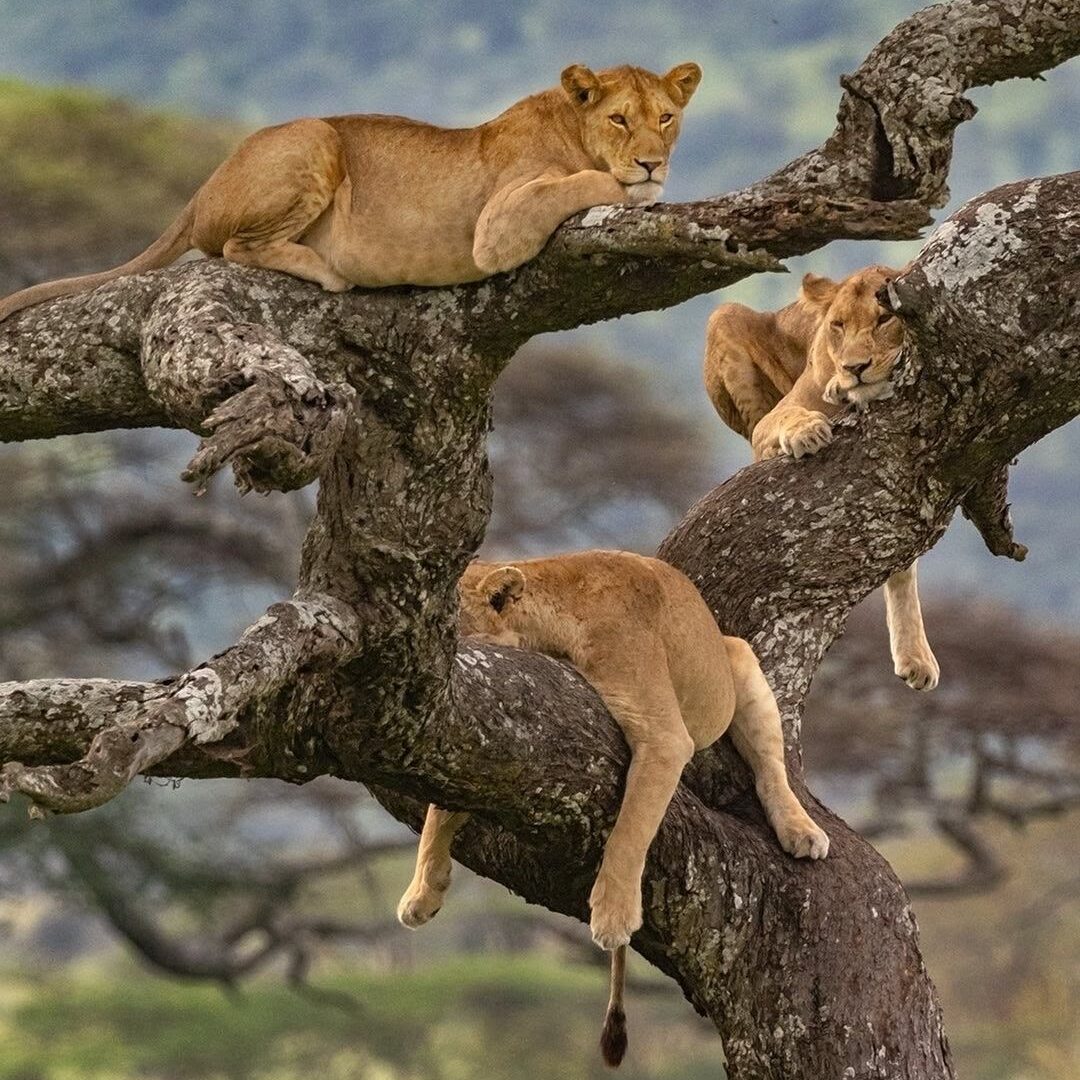
The park is home to one of the country’s most important lion populations, including the famous tree-climbing lions found in the Ishasha sector.
Lion tracking combines:
- Wildlife viewing
- Conservation education
- Scientific research
- Photography opportunities
- Close observation of predator behavior
For travelers who want more than a traditional safari, lion tracking provides a rare opportunity to see how conservationists study and protect these magnificent animals.
It transforms a simple wildlife sighting into a meaningful conservation experience.
Understanding Lion Tracking in Uganda
Lion tracking is a specialized wildlife activity where visitors accompany trained researchers or conservation guides to locate and observe lions while learning about their lives and survival.
The experience is different from ordinary wildlife viewing because the focus is not only on seeing lions but understanding them.
Researchers use various methods to monitor lion populations, including:
- Identifying individual lions
- Recording movements
- Monitoring health conditions
- Studying social behavior
- Collecting conservation data
During the experience, visitors may learn how researchers recognize lions through unique features such as:
- Scars
- Mane patterns
- Facial markings
- Ear shapes
- Behavior patterns
This allows conservation teams to follow individual animals over time.
The information collected helps experts understand lion populations, threats, and conservation needs.
For visitors, this creates a much deeper connection with wildlife.
Instead of simply taking a photograph of a lion, travelers gain insight into the life of that particular animal and the challenges it faces in the wild.
Where to Experience Lion Tracking in Uganda
The main destination for lion tracking in Uganda is Queen Elizabeth National Park.
Located in western Uganda, the park is one of the country’s most diverse protected areas, offering incredible landscapes and abundant wildlife.
Queen Elizabeth National Park contains:
- Open savannah plains
- Forest areas
- Wetlands
- Lakes
- Crater landscapes
This diversity supports a wide range of animals, including predators.
The park is especially known for its lions, particularly in areas such as the and the Ishasha sector.
The Kasenyi Plains are famous for their large concentrations of prey animals, including Uganda kobs, which provide an important food source for predators.
The Ishasha sector is internationally recognized for its unique tree-climbing lions.
These lions are known for resting on large fig trees during the day, creating one of Uganda’s most iconic wildlife scenes.
A lion tracking experience in Queen Elizabeth National Park allows visitors to explore these landscapes while learning about predator conservation.
The Lion Tracking Experience: What Happens During the Activity
A lion tracking experience usually begins with a briefing from researchers or trained guides.
Visitors learn about:
- Lion behavior
- Conservation efforts
- Safety procedures
- Research methods
After the introduction, the tracking team enters the park in a safari vehicle equipped for wildlife observation.
The difference between lion tracking and a normal game drive is that the team follows specific research methods.
Researchers may use identification information and tracking knowledge to locate individual lions.
The process involves searching for clues such as:
- Recent sightings
- Lion movements
- Habitat areas
- Animal behavior patterns
Once lions are located, visitors can observe them while researchers collect information.
Depending on the situation, the team may record details about:
- Number of lions present
- Age groups
- Social relationships
- Physical condition
- Behavior
The experience provides an exciting combination of adventure and education.
Every tracking session is different because lions move freely across their natural habitat.
Some days may provide close sightings of prides resting in the grasslands, while others may reveal lions moving through the wilderness.
This unpredictability makes the experience special.
Why Lion Tracking Is Different From a Normal Game Drive
A traditional game drive focuses mainly on wildlife viewing.
Visitors explore the park, search for animals, take photographs, and enjoy the scenery.
Lion tracking adds another layer by connecting tourism with conservation research.
During ordinary wildlife viewing, a lion may simply appear as a beautiful predator.
During lion tracking, visitors understand:
- How lions are identified
- How they survive
- How researchers protect them
- The challenges facing predators
The experience creates awareness about the importance of protecting carnivores and maintaining healthy ecosystems.
Lions play a vital role in controlling prey populations and maintaining balance within the environment.
By supporting lion tracking experiences, visitors contribute to conservation programs that help protect these important species.
For wildlife enthusiasts, photographers, and conservation-minded travelers, lion tracking offers a much deeper safari experience.
The Importance of Lion Conservation in Uganda
Lions are among Africa’s most iconic animals, but their populations face many challenges across the continent.
Some of the major threats include:
- Habitat loss
- Human-wildlife conflict
- Reduced prey populations
- Illegal wildlife activities
In Uganda, conservation programs work to understand lion populations and develop strategies to protect these predators.
Research helps conservationists answer important questions:
- How many lions live in protected areas?
- Where do they move?
- What threats do they face?
- How can communities and wildlife coexist?
Tourism plays an important role in supporting these efforts.
Activities such as lion tracking allow visitors to contribute financially to conservation while gaining a meaningful wildlife experience.
Every visitor becomes part of the larger effort to ensure future generations can continue seeing lions in Uganda’s wilderness.
The Famous Tree-Climbing Lions of Ishasha Sector
One of the biggest attractions connected to lion experiences in Uganda is the legendary tree-climbing lions of Ishasha.
Located in the southern sector of, Ishasha is one of the few places in Africa where lions are known to regularly climb and rest in trees.
This rare behavior has made Ishasha one of Uganda’s most unique wildlife destinations.
During the heat of the day, these lions often climb large fig trees and acacia trees to escape the hot ground, avoid insects, and enjoy better views of the surrounding plains.
From the branches above, they can relax while monitoring the movement of prey animals below.
Seeing a lion resting high in a tree is a completely different experience from watching lions on the ground.
Visitors often find themselves amazed by the unusual sight of a powerful predator comfortably lying among tree branches.
The Ishasha sector provides a beautiful setting for this experience, with open savannah landscapes, scattered trees, and views toward the Rwenzori Mountains in the distance.
Although sightings of tree-climbing lions are not guaranteed because they are wild animals, patient travelers have excellent opportunities to encounter them during game drives and wildlife tracking experiences.
The conservation of these lions is important because their unique behavior makes them one of Uganda’s most valuable wildlife attractions.
Best Time for Lion Tracking in Uganda
Lion tracking in Uganda can be enjoyed throughout the year, but some seasons provide more favorable conditions for wildlife viewing.
The best time often depends on weather, road conditions, and animal behavior.
The dry seasons are generally considered excellent periods for lion tracking.
These usually occur during:
- June to August
- December to February
During dry months:
- Vegetation is shorter
- Wildlife gathers around water sources
- Roads are easier to navigate
- Animals are easier to locate
Because prey animals gather in certain areas, predators such as lions may also be easier to find.
The Kasenyi Plains in Queen Elizabeth National Park become especially rewarding during these periods because large herds of Uganda kobs attract predators.
However, the rainy seasons also have advantages.
The landscape becomes greener, providing beautiful scenery and excellent photography conditions.
The wet season may also bring fewer visitors, creating a more private safari atmosphere.
For photographers, green landscapes and dramatic skies can create stunning wildlife images.
Since lions live in Uganda throughout the year, visitors have opportunities to experience lion tracking in every season.
The most important factor is choosing experienced guides who understand lion movements and conservation areas.
Lion Tracking Cost and Permit Information in Uganda
The cost of lion tracking in Uganda depends on several factors, including the operator, services included, and current conservation fees.
Lion tracking is usually offered as a specialized wildlife experience rather than a standard park activity.
The cost normally covers:
- Research or conservation participation fees
- Professional guide services
- Park access
- Wildlife tracking experience
Additional expenses may include:
- Transport
- Accommodation
- Meals
- Other safari activities
Many travelers prefer booking lion tracking as part of a complete Uganda safari package because it allows everything to be arranged together.
A safari company can combine:
- Lion tracking
- Game drives
- Boat cruises
- Accommodation
- Transportation
This makes the experience more convenient and allows visitors to maximize their time in Uganda.
The value of lion tracking goes beyond simply seeing lions.
Visitors are also supporting conservation research that helps protect Uganda’s predator populations.
Before planning the activity, travelers should confirm the latest fees and availability because conservation programs and regulations may change.
Other Wildlife You Can See During Lion Tracking Experiences
Although lions are the main attraction, Queen Elizabeth National Park offers much more than predator sightings.
The park is one of Uganda’s richest wildlife destinations, and a lion tracking experience can become part of a broader safari adventure.
While exploring the park, visitors may encounter:
Elephants
African elephants are among the most impressive animals found in Queen Elizabeth National Park.
They can often be seen moving through savannah areas, forests, and near water sources.
Watching elephants interact as a family group is one of the memorable moments of any Uganda safari.
Buffaloes
Large herds of African buffaloes are common within the park.
They are important prey species for predators and play a major role in the ecosystem.
Leopards
Although more difficult to spot because of their secretive nature, leopards are present in Queen Elizabeth National Park.
A patient safari may provide opportunities to see these beautiful cats.
Hippos
The park’s lakes and waterways support large populations of hippos.
Visitors can often see them during boat cruises along the Kazinga Channel.
Antelopes
Species such as Uganda kobs are especially important because they provide prey for lions.
Large herds across the plains create excellent wildlife viewing opportunities.
Bird Species
Queen Elizabeth National Park is also a paradise for bird lovers.
The combination of wetlands, forests, and savannah supports hundreds of bird species.
A lion tracking adventure can easily become a complete wildlife experience.
Combining Lion Tracking With a Uganda Safari Itinerary
One of the best ways to experience lion tracking is by adding it to a longer Uganda safari.
Because Queen Elizabeth National Park is located in western Uganda, it connects easily with several other major attractions.
Lion Tracking and Gorilla Trekking Safari
This is one of the most popular combinations for international travelers.
A safari can include:
- Lion tracking in Queen Elizabeth National Park
- Kazinga Channel boat cruise
- Gorilla trekking in Bwindi Impenetrable National Park
This allows visitors to experience Uganda’s most famous wildlife:
- Lions
- Elephants
- Hippos
- Mountain gorillas
The contrast between savannah and rainforest creates a truly unforgettable journey.
Lion Tracking and Chimpanzee Tracking Safari
Travelers can also combine lion tracking with chimpanzee experiences in
This creates a safari focused on both predators and primates.
The itinerary may include:
- Lion tracking in Queen Elizabeth
- Chimpanzee trekking in Kibale
- Nature walks
- Wildlife viewing
This combination shows Uganda’s incredible biodiversity.
Lion Tracking and Big Five Safari
For travelers interested in Africa’s famous Big Five, lion tracking adds a special conservation element.
A Uganda Big Five journey may include:
- Rhino tracking at Ziwa Rhino Sanctuary
- Lion tracking in Queen Elizabeth National Park
- Elephant viewing
- Buffalo sightings
- Leopard searches
This creates a complete wildlife adventure across different ecosystems.
What to Carry for Lion Tracking in Uganda
Lion tracking in Uganda is a wildlife experience that takes place in natural habitats, meaning visitors should prepare properly before heading into the wilderness.
Although most of the activity is done from a safari vehicle, the experience involves active wildlife observation, research discussions, and extended periods outdoors.
The right preparation helps travelers remain comfortable while focusing on the incredible experience of observing Uganda’s famous predators.
Important items to carry include:
- Comfortable safari clothing
- Lightweight trousers
- Long-sleeved shirts
- Comfortable closed shoes
- Hat or cap
- Sunglasses
- Sunscreen
- Insect repellent
- Drinking water
- Camera equipment
- Binoculars
- Small backpack
- Rain jacket
Neutral-colored clothing is recommended because it blends well with the natural environment and is comfortable during wildlife viewing.
A good pair of binoculars is especially useful because lions may sometimes be observed from a distance while maintaining a safe approach.
For photographers, carrying extra batteries and memory cards is recommended because wildlife moments can happen unexpectedly.
However, travelers should remember that the main purpose of lion tracking is learning and conservation, not only photography.
The most valuable part of the experience is understanding these incredible predators and the work being done to protect them.
Safety Guidelines During Lion Tracking
Lions are among Africa’s most powerful predators, and observing them requires respect, knowledge, and proper safety procedures.
Lion tracking experiences in Uganda are conducted by trained guides and conservation experts who understand lion behavior and how to safely approach wildlife.
Visitors should always follow the instructions provided by their guide.
Important safety rules include:
Staying inside the safari vehicle unless instructed otherwise.
Avoiding loud noises that may disturb animals.
Never attempting to attract or approach lions.
Keeping a safe distance from wildlife.
Listening carefully to the guide’s instructions.
Avoiding sudden movements when near animals.
Professional guides understand how lions respond to vehicles and human presence.
They know the appropriate distances for observation and when it is necessary to move away.
Visitors should remember that these are wild animals living freely in their natural environment.
Responsible wildlife tourism depends on respecting animals and allowing them to behave naturally.
When safety guidelines are followed, lion tracking becomes a safe, educational, and unforgettable experience.
Photography Tips During Lion Tracking
A lion sighting is one of the most exciting moments during any African safari, and lion tracking provides excellent opportunities for wildlife photography.
However, photographing lions requires patience and understanding.
Wildlife photography is not only about getting close—it is about capturing natural behavior.
Some helpful photography tips include:
Using a zoom lens for distant wildlife.
Avoiding flash photography.
Taking photos during early morning or late afternoon when lighting is softer.
Capturing the environment around the lion.
Being patient and observing behavior before taking pictures.
Some of the most powerful wildlife photographs are not simply close-up images of lions.
A lion walking through golden grass, a pride resting together, or a mother protecting her cubs tells a much stronger story.
Visitors should also avoid disturbing animals for the perfect shot.
The best wildlife photographers understand that conservation and respect come before photography.
A memorable photograph is one that captures a genuine moment without affecting the animal’s natural behavior
Lion Tracking for Conservation-Minded Travelers
One of the greatest values of lion tracking in Uganda is the connection it creates between tourism and conservation.
Many travelers want experiences that go beyond sightseeing.
They want to understand the challenges facing wildlife and contribute positively to protecting nature.
Lion tracking provides this opportunity.
By participating in the experience, visitors support efforts such as:
- Predator research
- Wildlife monitoring
- Conservation education
- Habitat protection
The information collected through lion research helps conservationists make better decisions about protecting lion populations.
Researchers can understand:
- Lion numbers
- Movement patterns
- Social structures
- Threats facing predators
This knowledge is essential for maintaining healthy ecosystems.
Lions are important because they help regulate prey populations and maintain balance within the environment.
Protecting lions means protecting entire ecosystems.
For travelers who care about responsible tourism, lion tracking is one of the most meaningful wildlife activities Uganda offers.
Frequently Asked Questions About Lion Tracking in Uganda
Where can I experience lion tracking in Uganda?
Lion tracking is mainly experienced in Queen Elizabeth National Park, one of Uganda’s most important wildlife destinations.
Is lion tracking different from a normal game drive?
Yes.
A normal game drive focuses on wildlife viewing, while lion tracking includes conservation research, identifying individual lions, and learning about predator behavior.
Can I see the tree-climbing lions during lion tracking?
The famous tree-climbing lions are found in the Ishasha sector of Queen Elizabeth National Park.
Sightings are not guaranteed because they are wild animals, but visitors have opportunities during wildlife drives in the area.
How long does lion tracking take?
The duration depends on the tracking experience, location of the lions, and research activities being conducted.
Most experiences take several hours.
What animals can I see besides lions?
Visitors may also see elephants, buffaloes, hippos, leopards, antelopes, birds, and many other wildlife species.
Is lion tracking suitable for families?
Yes, many families enjoy lion tracking because it combines wildlife viewing with conservation education.
Parents should ensure children follow safety instructions throughout the experience.
Final Thoughts on Lion Tracking in Uganda
Lion tracking in Uganda offers a rare opportunity to experience wildlife from a deeper perspective.
It is not only about finding a lion and taking a photograph—it is about understanding the life of one of Africa’s greatest predators.
From following research teams across the savannah to learning how individual lions are monitored and protected, the experience creates a stronger connection between travelers and conservation.
Queen Elizabeth National Park provides the perfect setting, with beautiful landscapes, abundant wildlife, and some of Uganda’s most famous lion populations.
Combined with gorilla trekking, chimpanzee tracking, boat safaris, and Big Five adventures, lion tracking adds an unforgettable chapter to any Uganda safari.
For travelers seeking a meaningful wildlife experience that combines adventure, education, and conservation, Lion Tracking in Uganda is an experience worth adding to your journey.
Experience Lion Tracking in Uganda with Adventure in the Wild Safaris
At Adventure in the Wild Safaris, we create unforgettable Uganda safari experiences that bring travelers closer to Africa’s incredible wildlife.
Whether you want to track lions in Queen Elizabeth National Park, search for the Big Five, trek mountain gorillas, or explore Uganda’s hidden natural wonders, our team designs personalized safari journeys that match your adventure dreams.
We organize:
- Lion tracking experiences in Uganda
- Uganda Big Five safaris
- Gorilla trekking adventures
- Chimpanzee tracking tours
- Wildlife game drives
- Boat safaris
- Walking safaris
- Rhino tracking experiences
- Customized Uganda safari packages
With experienced guides, local knowledge, and carefully planned itineraries, we ensure your Uganda adventure is safe, comfortable, and unforgettable.
📩 Book your unforgettable safari today!