







Uganda Climate: Complete Guide to Weather, Seasons and the Best Time to Visit
When planning an adventure to Uganda, understanding the country’s climate is one of the most important parts of preparing for your journey.
The weather can influence almost every part of your safari experience — from what clothes you pack to the type of activities you enjoy, the roads you travel on, and even the landscapes you see.
Uganda is often called the Pearl of Africa because of its incredible diversity.
Within one country, travelers can experience:
Ancient tropical rainforests.
Open savannah plains.
Snow-capped mountain peaks.
Large freshwater lakes.
Volcanic landscapes.
Because of this geographical variety, the Uganda climate is not exactly the same everywhere.
A traveler trekking mountain gorilla in Bwindi Impenetrable National Park may experience cool, misty rainforest conditions, while someone enjoying a game drive in Murchison Falls National Park may experience warmer savannah weather.
This diversity is what makes Uganda such a fascinating destination.
Unlike many countries that have four clearly defined seasons, Uganda’s climate is mainly influenced by:
Its location near the equator.
Altitude differences.
Rainfall patterns.
Landscape variations.
Understanding these conditions helps travelers choose the best time for their safari and prepare properly for their adventure.
What Type of Climate Does Uganda Have?
Uganda has a tropical climate, but its weather is moderated by altitude and natural features such as mountains, forests, and lakes.
Although Uganda is located near the equator, many areas are not extremely hot because much of the country sits at higher elevations.
The average temperatures are generally comfortable throughout the year.
Most parts of Uganda experience:
Warm temperatures during the day.
Cooler evenings and mornings.
Seasonal rainfall.
Green landscapes throughout much of the year.
The climate makes Uganda suitable for tourism all year round.
Unlike some destinations where certain months are completely unsuitable for travel, Uganda remains open for safaris, gorilla trekking, and wildlife experiences throughout the year.
However, different seasons provide different advantages depending on what travelers want to experience.
Uganda’s Climate Zones and Regional Weather Differences
One of the most important things to understand about Uganda weather is that conditions vary depending on where you travel.
The country has several climate regions.
Central Uganda – Kampala and Entebbe
Central Uganda experiences a warm tropical climate influenced by Lake Victoria.
The region usually has:
Warm daytime temperatures.
Moderate humidity.
Regular rainfall.
Cooler evenings.
Because Entebbe International Airport is located here, most international visitors experience this climate when they first arrive.
The proximity to Lake Victoria helps moderate temperatures, making the area comfortable for travelers.
Southwestern Uganda – Bwindi and Gorilla Trekking Areas
Southwestern Uganda has a cooler and wetter climate because of higher elevation and forest environments.
Destinations such as:
Bwindi Impenetrable National Park.
Mgahinga Gorilla National Park.
Lake Bunyonyi.
experience:
Cool mornings.
Misty forests.
Frequent rainfall.
Fresh mountain air.
This climate creates the perfect environment for mountain gorillas and other forest species.
For travelers planning gorilla trekking in Uganda, understanding this climate is important because rainforest conditions can change quickly.
Even during the dry seasons, visitors should always carry rain protection.
Western Uganda – Queen Elizabeth and Kibale
Western Uganda combines rainforest and savannah environments.
The climate around:
Queen Elizabeth National Park.
varies depending on location.
Kibale’s forest areas are often humid and green, while Queen Elizabeth’s savannah areas are warmer and drier.
This makes the region excellent for combining:
Wildlife safaris.
Nature walks.
Boat cruises.
Northern Uganda – Murchison Falls and Kidepo Valley
Northern Uganda generally experiences warmer and drier conditions compared to the south.
Areas such as:
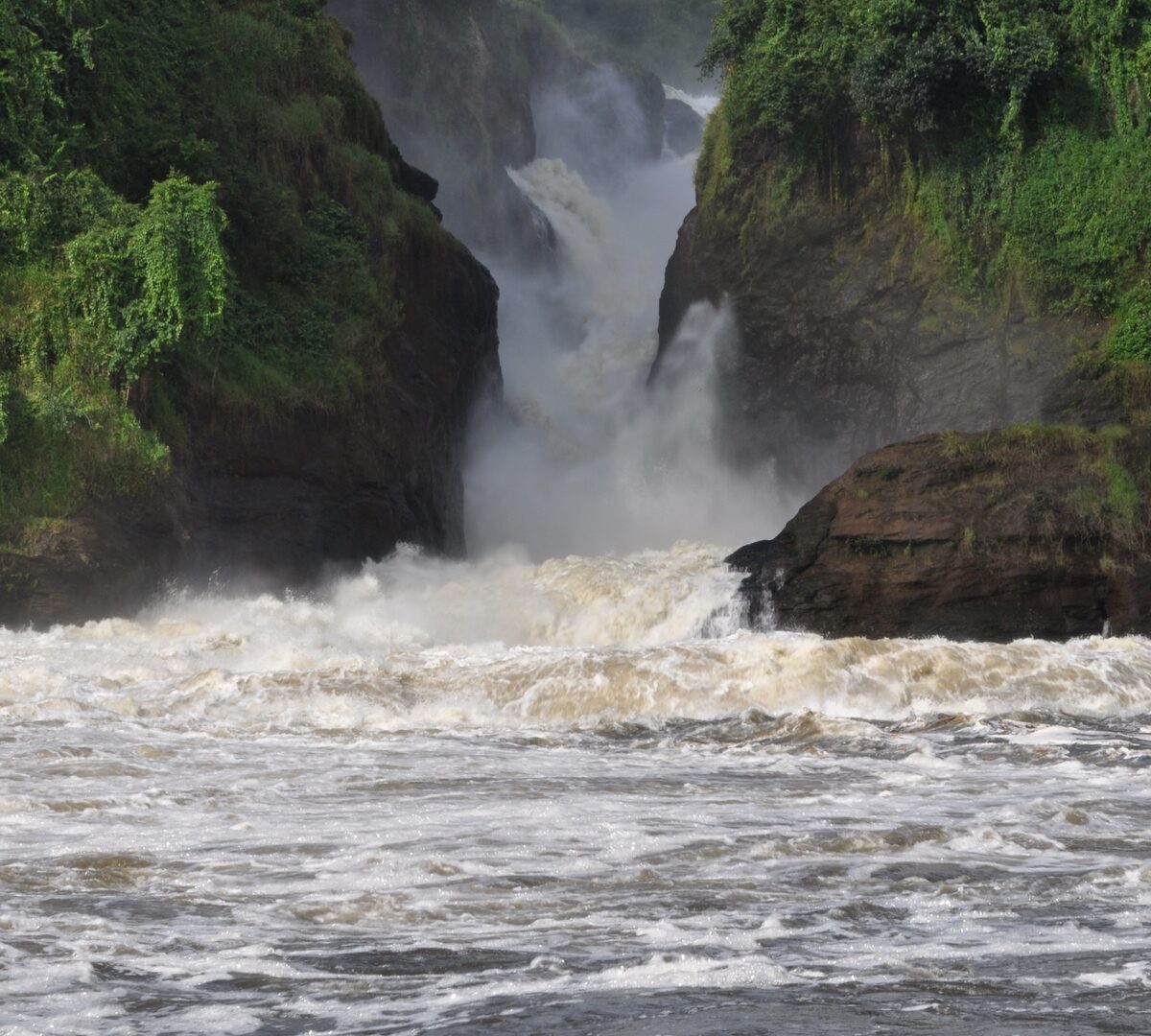
Murchison Falls National Park.
often have:
Hot sunny days.
Warm temperatures.
Lower rainfall periods.
Open grassland landscapes.
These conditions are excellent for wildlife viewing because animals often gather around water sources during drier periods.
Uganda Dry Season: The Best Weather for Safari?
Many travelers ask:
“When is the best time to visit Uganda?”
The dry seasons are often considered the most popular periods for safari travel.
Uganda generally experiences two main dry seasons:
June to September
This is one of the most popular travel periods.
During this time:
Rainfall is lower.
Road conditions are usually better.
Wildlife viewing is excellent.
Gorilla trekking conditions are often favorable.
The landscapes remain beautiful.
Many international travelers choose this period because it combines comfortable weather with excellent safari opportunities.
December to February
The second dry season occurs around the end and beginning of the year.
This period is also popular because:
Days are generally sunny.
Wildlife viewing is good.
Many travelers have holiday time.
Road travel is easier.
For travelers planning multiple national parks, these months can provide excellent conditions.
Uganda Rainy Season: What Travelers Need to Know
One of the most common questions travelers ask about the Uganda climate is:
“Will the rainy season ruin my safari?”
The simple answer is no.
Uganda’s rainy seasons should not be seen as a reason to avoid travel. In fact, many experienced travelers and photographers consider the rainy months some of the most beautiful times to visit the country.
The rainy seasons bring Uganda’s landscapes to life.
The forests become greener.
The savannah becomes more vibrant.
Bird activity increases.
Waterfalls become more powerful.
The entire country takes on a fresh, natural appearance.
Uganda experiences two main rainy seasons:
- March to May (long rains)
- October to November (short rains)
However, rainfall patterns can vary depending on the region.
Rain in Uganda is often different from what many travelers imagine.
It does not usually rain continuously throughout the entire day.
Many rainy days experience:
Morning sunshine.
Cloudy periods.
Afternoon showers.
Evening rainfall.
This means travelers can still enjoy many activities even during wetter months.
Uganda Long Rainy Season (March to May)
The period between March and May is known as Uganda’s longer rainy season.
During this time, many parts of the country receive increased rainfall.
The heavier rains are especially noticeable in forest regions such as:
Bwindi Impenetrable National Park.
Kibale National Park.
Mgahinga Gorilla National Park.
The increased rainfall creates excellent conditions for nature lovers because forests become extremely lush and beautiful.
For photographers, this season offers:
Deep green vegetation.
Dramatic skies.
Fresh landscapes.
Excellent bird photography opportunities.
However, travelers should understand that some challenges may occur.
Rain can make some roads and forest trails more difficult, especially in remote areas.
During gorilla trekking, trails may become:
Muddy.
Slippery.
More challenging.
This does not mean trekking is impossible.
Thousands of visitors trek during rainy periods and enjoy incredible experiences.
Travelers simply need proper preparation, including:
Waterproof hiking boots.
Rain jackets.
Comfortable outdoor clothing.
Good physical preparation.
For budget-conscious travelers, the rainy season can also provide advantages because some lodges may offer lower rates compared to peak travel months.
Uganda Short Rainy Season (October to November)
The second rainy period usually occurs between October and November.
This season is generally shorter and often less intense than the March-May rains.
The landscape becomes refreshed after the drier months.
This period can be attractive for travelers interested in:
Photography.
Bird watching.
Green landscapes.
Fewer crowds.
The forests and national parks remain beautiful, making it possible to enjoy many safari experiences.
Because Uganda is a year-round destination, short rains do not stop tourism activities.
Safari operators continue organizing:
Gorilla trekking.
Game drives.
Boat cruises.
Cultural tours.
Does Rain Affect Gorilla Trekking in Uganda?
This is one of the biggest questions travelers ask when planning a .
Many people imagine that rain makes gorilla trekking impossible.
However, gorilla trekking takes place throughout the year.
The mountain gorillas live in rainforest environments where rainfall is part of their natural habitat.
In fact, the rain is one reason Bwindi remains such a rich ecosystem.
Rain can affect the trekking experience, but it does not stop it.
During wetter months:
Trails may become muddy.
Walking can take longer.
Travelers may need extra preparation.
However, there are also advantages.
The forest becomes incredibly beautiful.
The vegetation is fresh.
Photography opportunities can be amazing.
There may be fewer visitors compared to peak seasons.
The key is preparation.
Travelers should bring:
A waterproof jacket.
Hiking boots with good grip.
A small backpack cover.
Extra socks.
Walking poles if needed.
The reward remains the same — the opportunity to spend time with mountain gorillas in their natural environment.
How Does Uganda Climate Affect Wildlife Safaris?
The Uganda climate plays an important role in wildlife behavior and safari experiences.
Different seasons create different wildlife viewing opportunities.
During dry periods, water becomes more limited, causing many animals to gather around remaining water sources.
This often makes wildlife easier to spot.
National parks such as:
Queen Elizabeth National Park.
Murchison Falls National Park.
Kidepo Valley National Park.
can offer excellent game viewing during dry months.
Visitors may see:
Elephants gathering near water.
Buffalo herds moving through grasslands.
Hippos in rivers and lakes.
Predators searching for opportunities.
However, the rainy seasons also have unique advantages.
Rain brings new life to the ecosystem.
During wetter periods:
Grasslands become greener.
Many animals give birth.
Migratory birds arrive.
Photography conditions improve.
For photographers, rainy seasons can create dramatic images with beautiful skies and vibrant colors.
Best Climate for Chimpanzee Tracking in Uganda
Chimpanzee tracking in Uganda takes place mainly in forest environments, especially Kibale National Park.
Because chimpanzees live in tropical forests, rainfall is a natural part of their habitat.
The climate in Kibale remains suitable for chimpanzee experiences throughout the year.
During wetter periods:
The forest becomes greener.
Bird activity increases.
The environment feels more alive.
During drier periods:
Trails may be easier.
Walking conditions are often more comfortable.
Chimpanzee tracking is available all year, meaning travelers can choose a time that matches their preferred travel style.
For visitors combining chimpanzees with gorilla trekking, the best months are often chosen based on the overall itinerary rather than a single activity.
Uganda Climate for Photography Safaris
Uganda is a dream destination for photographers because every season offers something different.
The climate directly influences photography conditions.
Dry Season Photography
Dry months often provide:
Clearer skies.
Better road conditions.
Easier wildlife tracking.
Animals near water sources.
This is excellent for wildlife photographers looking for classic safari images.
Rainy Season Photography
Rainy months provide:
Green landscapes.
Powerful clouds.
Reflections from water.
Fresh vegetation.
Unique forest moods.
For gorilla photographers, misty rainforest conditions can create unforgettable images.
The soft natural light inside Uganda’s forests often produces beautiful wildlife photographs.
A photographer visiting Uganda should prepare for changing weather conditions regardless of the season.
Does Uganda Get Extremely Hot?
Many travelers assume that because Uganda is located near the equator, the country experiences extreme heat.
However, the reality is different.
Uganda’s temperatures are generally comfortable because much of the country sits at higher elevations.
Average daytime temperatures are commonly pleasant, although warmer conditions occur in some lowland areas.
The hottest areas are usually found in northern and northeastern regions.
The coolest areas are often:
Mountain regions.
Highland areas.
Forest destinations.
For example, travelers trekking gorillas in southwestern Uganda may actually experience cool mornings and evenings.
This is why packing layers is recommended.
A traveler may experience warm sunshine during the day and cooler temperatures after sunset.
Uganda Climate Month-by-Month: What to Expect Throughout the Year
Understanding the Uganda climate by month helps travelers choose the right time depending on their safari goals.
Uganda does not have four traditional seasons like many countries. Instead, the country mainly experiences alternating dry and rainy periods, with regional differences caused by altitude and geography.
Every month has something special to offer.
January Climate in Uganda
January is usually part of Uganda’s shorter dry season.
The weather is generally warm, with lower rainfall in many areas.
This makes January a popular month for safari travel.
Travelers visiting Uganda during January can enjoy:
Excellent wildlife viewing.
Comfortable road conditions.
Gorilla trekking opportunities.
Chimpanzee tracking.
Photography experiences.
In national parks such as Queen Elizabeth and Murchison Falls, dry conditions can make wildlife easier to spot because animals often gather around water sources.
For gorilla trekking, January offers good conditions, although visitors should still carry rain protection because rainforest weather can change quickly.
February Climate in Uganda
February continues the dry period in many parts of Uganda.
The weather is generally warm and pleasant.
It is a good month for travelers who want to combine several experiences, including:
Wildlife safaris.
Gorilla trekking.
Chimpanzee tracking.
Cultural tours.
Road travel between destinations is usually comfortable, making February a favorable month for multi-day itineraries.
March Climate in Uganda
March marks the transition toward the longer rainy season.
Rainfall begins increasing, especially in forest areas.
However, March can still be a rewarding time to visit.
Advantages include:
Beautiful green landscapes.
Fewer crowds in some destinations.
Excellent photography opportunities.
Travelers planning gorilla trekking can still enjoy the experience, but should prepare for wetter conditions.
April and May Climate in Uganda
April and May are usually among the wetter months of the year.
These months receive significant rainfall, especially in southwestern Uganda.
For travelers, this means:
Forest areas become extremely lush.
Scenery becomes more vibrant.
Bird activity increases.
Photography opportunities improve.
However, visitors should expect:
Muddy trails.
Possible delays on rural roads.
More challenging hiking conditions.
For adventurous travelers, these months can provide a more authentic rainforest experience.
The forests feel alive, and visitors who do not mind rain can enjoy Uganda’s beauty with fewer tourists around.
June Climate in Uganda
June marks the beginning of one of Uganda’s most popular travel seasons.
Rainfall decreases, and conditions become more favorable for tourism.
June is excellent for:
Gorilla trekking.
Wildlife viewing.
Photography.
National park exploration.
Many travelers choose this period because it offers a balance between good weather and beautiful landscapes.
July and August Climate in Uganda
July and August are among the busiest safari months in Uganda.
Many international travelers visit during this period because of favorable weather conditions.
The climate is generally:
Dry.
Comfortable.
Suitable for outdoor activities.
These months are popular for:
Gorilla trekking.
Chimpanzee tracking.
Game drives.
Boat cruises.
Photography safaris.
Because demand is higher during this period, travelers planning a safari should book activities and accommodation early.
September Climate in Uganda
September is another excellent month for visiting Uganda.
The weather is usually still favorable before the shorter rains begin.
Travelers can enjoy:
Wildlife viewing.
Forest adventures.
Scenic landscapes.
Comfortable travel conditions.
It is often considered a good alternative for visitors who want good weather with slightly fewer crowds compared to July and August.
October and November Climate in Uganda
October and November bring the shorter rainy season.
During this time:
Rainfall increases.
The landscapes become greener.
Bird activity improves.
Photography conditions become attractive.
Travelers should prepare for changing weather, especially during outdoor activities.
Despite the rain, Uganda remains fully open for tourism.
Gorilla trekking, safaris, and other activities continue normally.
December Climate in Uganda
December is a popular travel month because many people have holiday breaks.
The weather is often a mixture of:
Sunny periods.
Short rains.
Warm temperatures.
Green landscapes.
It is a good month for travelers looking to combine wildlife experiences with holiday travel.
Because December is a high-demand period, early booking is recommended.
What Is the Best Time for Gorilla Trekking in Uganda?
Many travelers ask:
“Which months are best for gorilla trekking in Uganda?”
The truth is that gorilla trekking is available throughout the year.
However, many visitors prefer the drier months because hiking conditions are generally easier.
Popular periods include:
June to September.
December to February.
During these months:
Forest trails are usually less muddy.
Travel conditions are easier.
Outdoor activities are more comfortable.
However, rainy seasons also have advantages:
The forest is greener.
There are fewer visitors.
Photography can be excellent.
The best time depends on your personal travel preferences.
There is no bad time to meet mountain gorillas.
What Is the Best Time for a Wildlife Safari in Uganda?
For traditional wildlife safaris, many travelers prefer dry seasons.
The best periods are often:
June to September.
December to February.
During these months:
Animals are easier to locate near water sources.
Roads are usually better.
Game drives are more comfortable.
Parks such as:
Queen Elizabeth National Park.
Murchison Falls National Park.
Kidepo Valley National Park.
offer excellent wildlife experiences.
However, the rainy season also provides special moments, including:
Newborn animals.
Green landscapes.
Migratory birds.
Beautiful photography conditions.
What Clothes Should I Pack Based on Uganda Climate?
Packing correctly is important because Uganda’s weather can change depending on location.
A traveler visiting both forests and savannah parks should prepare for different conditions.
Recommended clothing includes:
Lightweight breathable clothes.
Long-sleeved shirts.
Comfortable trousers.
Warm layers for cool mornings.
Rain jacket.
Waterproof hiking shoes.
Sun hat.
Sunglasses.
For gorilla trekking specifically, travelers should consider:
Strong hiking boots.
Waterproof clothing.
Gardening gloves for forest vegetation.
Extra socks.
Comfortable hiking trousers.
The key is flexibility.
Uganda’s climate rewards travelers who are prepared for changing conditions.
Common Weather Mistakes Travelers Make in Uganda
Many visitors make mistakes because they assume the climate will be the same everywhere.
Some common mistakes include:
Assuming Uganda is always extremely hot
Because Uganda is near the equator, some travelers pack only hot-weather clothing.
However, forest and highland areas can be surprisingly cool.
Not carrying rain protection
Even during dry seasons, rainforest areas can experience sudden rainfall.
A lightweight rain jacket is always useful.
Wearing unsuitable shoes
Fashion shoes are not ideal for forest trekking.
Comfortable waterproof hiking shoes make activities much easier.
Ignoring altitude differences
Places such as Bwindi and mountain regions have cooler conditions compared to lower areas.
Why Uganda Climate Makes It a Year-Round Safari Destination
One of the greatest advantages of Uganda is that the country can be visited throughout the year.
Every season offers something different.
The dry seasons provide:
Comfortable travel.
Excellent wildlife viewing.
Easier trekking conditions.
The rainy seasons provide:
Beautiful green scenery.
Amazing photography opportunities.
Fresh landscapes.
Fewer crowds.
Unlike destinations where weather completely determines whether travel is possible, Uganda remains an adventure destination in every season.
The climate supports incredible ecosystems that make Uganda famous around the world.
The forests remain alive.
The rivers continue flowing.
The wildlife continues moving.
The adventure continues all year.
Plan Your Uganda Safari with Confidence
Understanding the Uganda Climate is one of the first steps toward planning a successful African adventure.
Whether your dream is:
🦍 Meeting Mountain gorillas in Bwindi
🐒 Tracking chimpanzees in Kibale
🦁 Watching wildlife in Uganda’s national parks
📸 Capturing incredible photography moments
🌿 Exploring Uganda’s landscapes and cultures
Choosing the right season and preparing properly will help you enjoy every moment.
At Adventure in the wild safari, we help travelers plan unforgettable Uganda safari experiences with expert guidance, reliable transportation, carefully selected accommodation, and customized itineraries.
Our experiences include:
🦍 Gorilla trekking safaris
🦁 Uganda wildlife safaris
🐒 Chimpanzee adventures
📸 Photography safaris
🌍 Private customized Uganda tours
Ready to explore the Pearl of Africa?
📩 Start planning your Uganda safari today