








Why Uganda Is One of Africa’s Best Family Safari Destinations
Planning a family holiday is about more than choosing a beautiful destination. Parents want a place where children can learn, explore, feel safe, and create memories that will stay with them for years. This is why Uganda Family Safaris are becoming increasingly popular among families looking for a unique African adventure that combines wildlife, nature, culture, and unforgettable experiences.
Known as the Pearl of Africa, Uganda offers a rare combination of tropical forests, open savannahs, freshwater lakes, rivers, mountains, and welcoming communities. Unlike many destinations where a safari focuses only on game drives, Uganda provides a wider range of experiences that appeal to different age groups.
A family visiting Uganda can spend time watching elephants and lions in the wilderness, cruising along rivers filled with hippos and crocodiles, exploring ancient forests, learning about local cultures, and enjoying some of Africa’s most incredible landscapes.
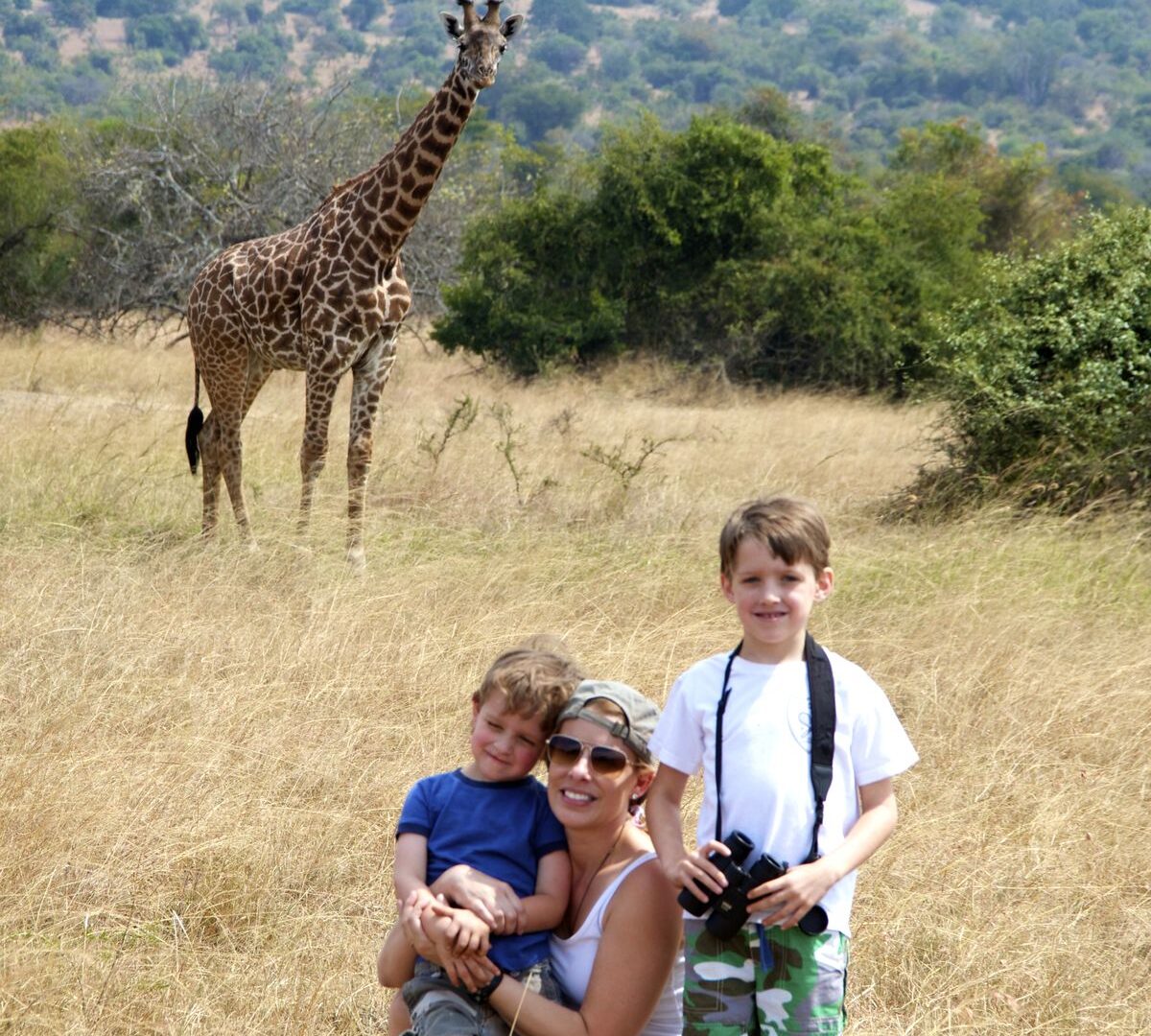
What makes Uganda especially special for families is the opportunity to turn a holiday into a learning experience. Children can discover how wildlife conservation works, understand the importance of protecting endangered species, and develop a deeper appreciation for nature. Seeing animals in documentaries is one thing, but watching a giraffe walking across the savannah or hearing chimpanzees calling through the forest creates a completely different connection.
Why Choose Uganda for a Family Safari?
Many families dream of an African safari, but choosing the right destination can be challenging. Some destinations may involve long distances, crowded parks, or experiences that are more suitable for adults. Uganda offers a balance between adventure and comfort, making it an excellent choice for families who want something authentic but manageable.
One of Uganda’s biggest advantages is the variety of activities available. A family does not have to spend every day sitting in a safari vehicle. Instead, the journey can include different experiences that keep children engaged and excited.
For example, families can enjoy wildlife viewing in national parks, boat cruises on scenic waterways, visits to local communities, forest walks, bird watching, and cultural activities.
The country’s friendly people also make the experience special. Children often enjoy interacting with local communities, learning about different traditions, trying local foods, and seeing how people live in different parts of Uganda.
Another advantage is that Uganda offers fewer crowds compared to some of Africa’s more famous safari destinations. This creates a more personal experience where families can enjoy nature without feeling rushed.
The Best Family-Friendly Safari Destinations in Uganda
Choosing the right destinations is one of the most important parts of planning Uganda Family Safaris. Each park offers something different, and the best choice depends on your family’s interests, available time, and children’s ages.
Murchison Falls National Park
For many families visiting Uganda for the first time, is an excellent introduction to African wildlife.
The park combines beautiful scenery with exciting wildlife experiences. Families can enjoy game drives where they may see elephants, giraffes, buffaloes, antelopes, lions, and many bird species.
One of the highlights for children is the boat cruise along the Nile River. Unlike a traditional game drive, a boat safari allows families to relax while watching hippos, crocodiles, elephants drinking at the riverbanks, and birds flying overhead.
The spectacular Murchison Falls, where the powerful Nile River squeezes through a narrow gorge, is also an impressive sight for visitors of all ages.
Queen Elizabeth National Park: Wildlife and Scenic Adventures
is another excellent choice for families because it offers a variety of experiences in one location.
Families can enjoy game drives across open plains where they may encounter elephants, buffaloes, lions, warthogs, and different antelope species.
The famous Kazinga Channel boat cruise is often a family favorite because it provides close views of hippos, crocodiles, and water birds while allowing everyone to relax and enjoy the scenery.
The park also offers beautiful landscapes, including crater lakes, forests, and viewpoints where families can stop for photography.
For older children and teenagers interested in wildlife, Queen Elizabeth provides an exciting opportunity to learn about ecosystems and animal behavior.
Lake Mburo National Park: Perfect for Short Family Adventures
Lake Mburo National Park is one of the most accessible parks in Uganda and is a great option for families who want a shorter safari experience.
The park is home to zebras, giraffes, impalas, buffaloes, and many bird species. Unlike many parks where visitors mainly explore by vehicle, Lake Mburo offers additional activities such as nature walks and horseback safaris.
These experiences allow children to connect with nature in a different way and learn about animals beyond simply observing them from a car.
Its location between Kampala and western Uganda also makes it a convenient stop for families travelling to other destinations.
Kibale National Park: A Journey into the World of Chimpanzees
Kibale National Park offers families the chance to discover the fascinating world of primates.
The forest is famous for chimpanzee trekking and is home to many monkey species. Older children and teenagers who enjoy nature and adventure may find chimpanzee tracking especially exciting.
Walking through the forest while listening to chimpanzees communicate in the trees creates an unforgettable experience.
However, families should consider age requirements and the physical demands of trekking before including this activity.
Lake Bunyonyi: Relaxation After Adventure
After exciting safari activities, Lake Bunyonyi provides a peaceful place for families to relax.
Surrounded by green hills and small islands, the lake offers beautiful scenery and a calm atmosphere.
Families can enjoy boat rides, cultural visits, nature walks, and simply relaxing while appreciating Uganda’s natural beauty.
It is especially useful for families who want to combine adventure with moments of rest.
Choosing Activities Based on Your Children’s Ages
When planning a family safari, it is important to consider what activities are suitable for different age groups.
Younger children often enjoy shorter game drives, boat cruises, wildlife viewing, and cultural activities where they can interact and learn.
Older children and teenagers may appreciate more adventurous experiences such as chimpanzee trekking, nature walks, and longer safari routes.
Gorilla trekking is one of Uganda’s most famous experiences, but it has a minimum age requirement of 15 years due to conservation guidelines. Families with teenagers can include this incredible experience, while younger children can enjoy other activities such as wildlife safaris, cultural visits, and nature experiences.
A well-designed family safari does not try to do everything. Instead, it creates a balance between adventure, education, relaxation, and comfort.
Planning Your Uganda Family Safari
A successful family safari is not only about choosing exciting destinations; it is also about creating a journey that is comfortable, enjoyable, and suitable for everyone. When traveling with children, good planning makes a huge difference. Families need to consider travel time, accommodation, activities, weather, safety, and the interests of every family member.
The beauty of Uganda Family Safaris is that they can be customized to match different family needs. Whether you are traveling with young children, teenagers, or multiple generations, Uganda offers flexible experiences that can be designed around your pace and preferences.
Choosing the Right Length for Your Family Safari
One of the most important decisions when planning your Uganda safari is deciding how many days to spend in the country. Many first-time visitors make the mistake of trying to include too many destinations in a short period, which can make the trip tiring, especially for children.
A shorter safari of around 3 to 5 days can focus on one main experience, such as wildlife viewing in Lake Mburo National Park or exploring Murchison Falls National Park. This option works well for families with limited holiday time.
A 7 to 10-day safari is often ideal for families because it allows enough time to combine different experiences without rushing. A family can enjoy wildlife safaris, chimpanzee experiences, cultural activities, and relaxing stops while still having time to appreciate each destination.
Longer trips of 10 days or more are suitable for families who want a deeper exploration of Uganda, including destinations such as Bwindi Impenetrable National Park, Kibale National Park, Queen Elizabeth National Park, and Murchison Falls National Park.
The key is creating a balanced itinerary where travel days are comfortable and activities are spread out. Children usually enjoy safaris more when they have time to rest between adventures.
Best Time to Visit Uganda with Children
Uganda is a year-round destination, but choosing the right season can improve the family experience.
The dry seasons, usually from June to August and December to February, are popular among families because roads are generally easier to navigate, wildlife viewing is excellent, and outdoor activities are more comfortable.
During these months, animals are often easier to spot because they gather around water sources, and game drives can be more predictable. This makes it a great time for children who are experiencing their first safari because they have higher chances of seeing different wildlife species.
The rainy seasons, however, should not be ignored. The months of March to May and September to November bring beautiful green landscapes, fewer tourists, and excellent opportunities for photography. Rain showers are usually temporary rather than lasting all day, and many family activities can still continue.
For families traveling during school holidays, early planning is important because popular lodges, safari vehicles, and activities can become fully booked during peak travel periods.
Choosing Family-Friendly Accommodation
Accommodation plays a major role in making a family safari comfortable. After long days exploring national parks, families need a place where everyone can relax, enjoy good meals, and recharge for the next adventure.
Uganda offers a wide range of accommodation options, from comfortable budget lodges to luxury safari camps.
For families, it is important to choose lodges that provide suitable facilities such as:
- Family rooms or connecting rooms
- Spacious accommodation
- Safe environments
- Child-friendly meal options
- Beautiful outdoor spaces
- Swimming pools where available
- Helpful staff
Many safari lodges are located close to national parks, allowing families to spend less time traveling to activities and more time enjoying experiences.
For younger children, choosing accommodation with comfortable facilities can make the safari much easier. Simple things like having enough space, flexible meal times, and a relaxing environment can greatly improve the overall experience.
Luxury lodges can provide additional comfort through private dining, personalized service, and special family arrangements. However, even many mid-range lodges in Uganda offer excellent hospitality and memorable experiences.
Transportation During a Family Safari
Transportation is another important factor when planning Uganda Family Safaris. Unlike solo travelers who may be more flexible, families usually benefit from having a comfortable and private travel arrangement.
Most families choose private safari vehicles because they provide flexibility. Parents can decide when to stop, take breaks, enjoy photography moments, or adjust the schedule depending on children’s needs.
Long drives between destinations are common in Uganda because national parks are spread across different regions. However, these journeys are also opportunities to experience Uganda beyond the parks. Families can see rural communities, farmland, local markets, and beautiful landscapes along the way.
Experienced safari guides make these journeys more enjoyable by sharing information about Uganda’s history, wildlife, culture, and local communities.
For families with younger children, it is advisable to plan reasonable driving distances and avoid changing locations every day. Spending two or more nights in one destination often creates a more relaxed experience.
Domestic flights are also available for families who prefer to reduce travel time. Fly-in safaris can be useful when visiting destinations that are far from Kampala or Entebbe, especially for families with limited vacation time.
Safety Considerations for Families Visiting Uganda
Safety is naturally one of the biggest concerns for parents planning an African safari. Uganda has a well-established tourism industry, and thousands of families visit each year to experience its wildlife and natural beauty.
When traveling with children, choosing a professional safari operator is important. Experienced guides understand wildlife behavior, local conditions, and how to make activities safe and enjoyable for all ages.
During game drives, families should always follow the instructions of their guide. Wildlife encounters are exciting because animals are observed in their natural environment, but maintaining a safe distance is essential.
Activities such as gorilla trekking, chimpanzee tracking, and nature walks are conducted under the guidance of trained professionals who explain safety procedures before the activity begins.
Parents should also ensure children understand basic safari rules, such as staying close to adults, avoiding loud noises around animals, and respecting nature.
For more information, you can read:
➡️
Health Preparation Before Traveling
Preparing for health needs before departure helps families enjoy their safari with confidence.
Before traveling to Uganda, families should consult a medical professional or travel clinic regarding recommended vaccinations and travel health advice.
Important considerations include:
- Yellow Fever vaccination requirements
- Malaria prevention
- Travel insurance
- Personal medications
- Staying hydrated
Parents traveling with children should carry basic medical supplies, including any medications their children regularly use.
During the safari, reputable lodges and tour operators maintain high hygiene standards, and bottled drinking water is widely available.
It is also important to protect children from the sun by carrying sunscreen, hats, sunglasses, and lightweight clothing.
Budget Planning for a Family Safari
The cost of a family safari in Uganda depends on several factors, including the number of travelers, accommodation style, activities, transportation, and duration of the trip.
Families can choose between budget-friendly adventures, comfortable mid-range safaris, or luxury experiences.
A private safari may cost more than joining a group tour, but many families find the flexibility and comfort worth the investment. Private vehicles allow families to travel at their own pace and create a more personalized experience.
Important costs to consider include:
- Accommodation
- Transportation
- Park entrance fees
- Gorilla or chimpanzee permits
- Meals
- Activities
- Guide services
Planning early often helps families secure better accommodation options and manage expenses effectively.
Why Private Family Safaris Are Often the Best Choice
For families, flexibility is one of the greatest advantages of traveling privately. Children may need extra breaks, different meal times, or adjustments to the daily schedule. A private safari allows the experience to adapt to your family instead of forcing your family to adapt to a fixed schedule.
Parents can enjoy peace of mind knowing that the itinerary has been designed specifically around their needs.
A well-planned private family safari creates the perfect balance between adventure and comfort, allowing everyone from children to grandparents to enjoy Uganda’s incredible wildlife and landscapes.
Best Family Safari Experiences, Practical Tips & Final Planning Advice
A family safari in Uganda is not just about seeing animals; it is about creating shared experiences that bring families closer together. The excitement of spotting a wild elephant for the first time, watching hippos along the river, listening to chimpanzees calling through the forest, or learning about local traditions creates memories that children and parents can carry for a lifetime.
The best Uganda Family Safaris combine adventure with comfort. They allow families to explore Uganda’s incredible natural beauty while maintaining a relaxed pace that everyone can enjoy. From wildlife encounters to cultural experiences, Uganda provides activities suitable for different ages and interests.
Gorilla Trekking with Families in Uganda
For many travelers, meeting mountain gorillas is the ultimate reason to visit Uganda. The experience of entering the rainforest, following expert trackers, and finally coming face-to-face with a gorilla family is one of the most unforgettable wildlife encounters in the world.
However, families planning gorilla trekking should understand that the activity has specific requirements. Due to conservation guidelines and the physical nature of the trek, visitors must be at least 15 years old to participate in gorilla trekking.
This means families with teenagers can include gorilla trekking as part of their safari, while families with younger children can enjoy other incredible experiences such as wildlife safaris, boat cruises, cultural visits, and nature activities.
For families with eligible children, gorilla trekking can be an incredibly meaningful experience. Teenagers often appreciate learning about conservation and seeing how tourism contributes to protecting endangered mountain gorillas.
The trek itself can vary in difficulty depending on the location of the gorilla family, weather conditions, and terrain. Families should prepare by packing comfortable hiking shoes, waterproof clothing, and enough water for the journey.
Chimpanzee Trekking and Primate Experiences
Uganda is one of Africa’s best destinations for primate experiences, making chimpanzee trekking another exciting option for families.
Located in western Uganda, is famous for having one of the highest concentrations of chimpanzees in the world. Walking through the forest while searching for these intelligent primates allows visitors to experience nature in a completely different way.
Unlike a traditional game drive where animals are viewed from a vehicle, chimpanzee trekking involves exploring the forest environment. Families can learn about rainforest ecosystems, animal behavior, and the importance of protecting natural habitats.
Because trekking involves walking through forest trails, families should consider the age, fitness level, and interests of their children before including this activity. Older children and teenagers who enjoy nature and adventure often find chimpanzee trekking extremely rewarding.
Beyond chimpanzees, Uganda’s forests are home to many other primates, including monkeys such as red-tailed monkeys, black-and-white colobus monkeys, and blue monkeys.
Family-Friendly Activities Beyond Wildlife Safaris
One of the greatest advantages of Uganda is that families are not limited to only game drives. The country offers many experiences that add variety to a safari.
Boat Cruises
Boat cruises are among the most enjoyable activities for families because they allow everyone to relax while enjoying incredible scenery.
At Murchison Falls National Park, the Nile River cruise provides opportunities to see elephants, hippos, crocodiles, and birds from a comfortable boat.
At Queen Elizabeth National Park, the Kazinga Channel cruise offers some of the best wildlife viewing experiences in Uganda. Families can watch large groups of hippos resting in the water while elephants and buffaloes gather near the shoreline.
These experiences are especially enjoyable for children because they provide close wildlife encounters without requiring long periods of walking.
Rhino Tracking at Ziwa Rhino Sanctuary
For families interested in conservation, a visit to Ziwa Rhino Sanctuary offers an educational and exciting experience.
The sanctuary protects southern white rhinos and provides visitors with the opportunity to learn about rhino conservation efforts in Uganda.
Children can discover how conservation programs help protect endangered species and why wildlife protection is important for future generations.
This stop is often included on routes heading toward northern Uganda and Murchison Falls National Park.
Cultural Experiences
A family safari becomes even more meaningful when it includes cultural interactions.
Visiting local communities allows families to learn about Uganda’s traditions, food, music, and daily life. Children can discover that different communities around the world have unique ways of living, celebrating, and connecting with nature.
Cultural experiences may include:
- Traditional dance performances
- Local craft demonstrations
- Village visits
- Food experiences
- Community tourism projects
These moments often become some of the most memorable parts of the journey because they create personal connections beyond wildlife viewing.
Nature Walks and Scenic Experiences
Not every safari activity needs to be fast-paced. Families can enjoy peaceful experiences such as nature walks, bird watching, and exploring beautiful landscapes.
Places like Lake Bunyonyi, Lake Mburo National Park, and Uganda’s forest reserves provide opportunities to slow down and appreciate nature.
Children often enjoy discovering smaller details that are easy to miss during traditional safaris, such as colorful birds, insects, plants, and unique landscapes.
Example Family Safari Ideas in Uganda
The ideal itinerary depends on the family’s available time and interests.
A 5-day family safari could include:
- Arrival in Uganda
- Ziwa Rhino Sanctuary visit
- Murchison Falls National Park
- Game drives and Nile boat cruise
This option is ideal for families who want a shorter introduction to Uganda.
An 8-day family safari could combine:
- Murchison Falls National Park
- Kibale National Park
- Queen Elizabeth National Park
This allows families to experience wildlife, chimpanzees, and different landscapes.
A 10-day family adventure could include:
- Murchison Falls
- Kibale Forest
- Queen Elizabeth National Park
- Bwindi area
- Lake Bunyonyi
This provides a more complete experience of Uganda’s wildlife, forests, and culture.
What to Pack for a Family Safari in Uganda
Packing correctly can make a family safari much more comfortable.
Essential items include:
- Lightweight comfortable clothing
- Warm clothing for cool mornings
- Comfortable walking shoes
- Waterproof jackets
- Sun protection
- Insect repellent
- Personal medication
- Binoculars
- Cameras
- Reusable water bottles
- Small backpacks for day activities
Families traveling with younger children may also consider bringing:
- Favorite snacks
- Entertainment for long drives
- Extra clothing
- Small first-aid supplies
- Baby essentials if required
Common Mistakes Families Should Avoid
One mistake families often make is creating an itinerary that is too busy. Trying to visit too many destinations can result in long travel days and tired children.
A better approach is choosing fewer destinations and allowing enough time to enjoy each experience.
Another mistake is ignoring children’s interests. While parents may be excited about every wildlife activity, children may also need relaxing moments, swimming opportunities, cultural activities, or shorter excursions.
Families should also avoid waiting until the last minute to book important activities, especially during busy seasons. Gorilla permits, popular lodges, and safari vehicles can become limited during peak travel periods.
Finally, remember that a safari is not only about checking animals off a list. Encourage children to enjoy the entire experience—the landscapes, sounds of nature, people, and small discoveries along the way.
Frequently Asked Questions About Uganda Family Safaris
Is Uganda safe for families with children?
Yes, Uganda is a welcoming destination for families. Traveling with a professional safari company and following safety guidelines helps ensure a comfortable experience.
What is the best age for children to go on safari?
There is no perfect age. Younger children can enjoy wildlife viewing and cultural experiences, while older children and teenagers can participate in more adventurous activities.
Can children go gorilla trekking?
Children must be at least 15 years old to participate in gorilla trekking due to conservation guidelines.
Are Uganda safari lodges family-friendly?
Many lodges welcome families and offer family rooms, flexible meals, and comfortable facilities suitable for children.
How much does a family safari in Uganda cost?
The cost depends on the length of the trip, accommodation style, activities, and number of travelers. A customized safari can be designed for different budgets.
Create a Lifelong Family Memories in Uganda
A family safari in Uganda is more than just a holiday. It is an opportunity to disconnect from everyday routines, explore the natural world, and experience moments that bring families closer together.
From watching elephants beside the Nile River to discovering chimpanzees in ancient forests, Uganda offers experiences that inspire curiosity and create lasting memories.
The combination of incredible wildlife, beautiful landscapes, cultural experiences, and warm hospitality makes Uganda one of Africa’s most rewarding destinations for families.
Whether you are planning your child’s first safari, a family celebration, or simply looking for a unique adventure together, Uganda provides the perfect setting for an unforgettable journey.