






Uganda Safari Budget Planner: A Complete Guide to Planning Your Safari Expenses in 2026
Planning a safari to Uganda is an exciting experience, but before the adventure begins, one of the most important things every traveler need is a realistic budget plan.
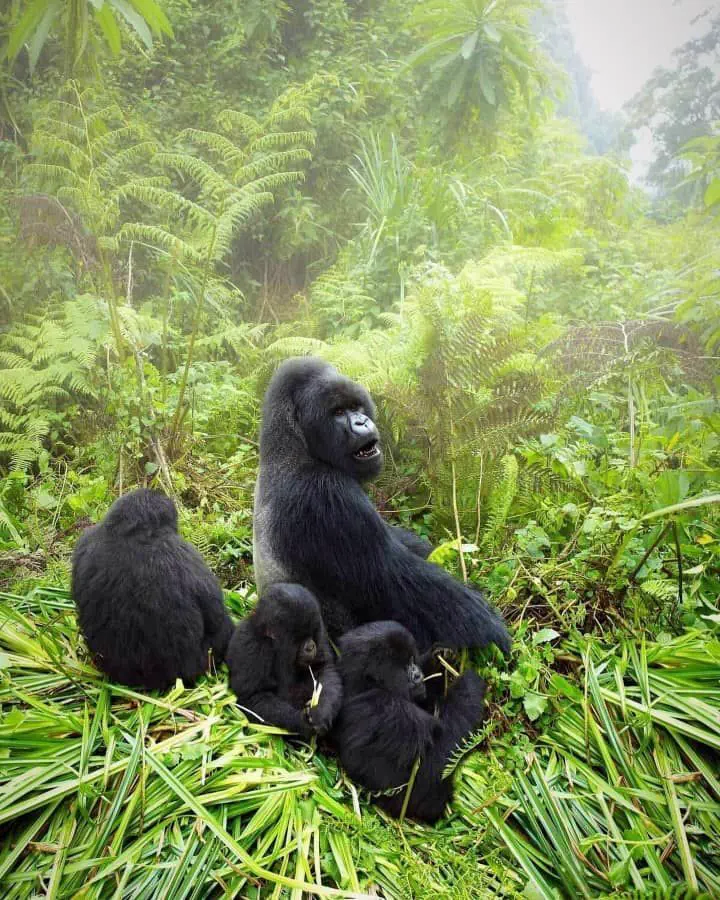
Uganda is one of Africa’s most diverse safari destinations, offering incredible experiences ranging from mountain gorilla trekking in ancient rainforests to traditional wildlife safaris across open savannah plains. Travelers can explore chimpanzee habitats, cruise along rivers filled with hippos and crocodiles, discover powerful waterfalls, enjoy birdwatching, and experience the warmth of Ugandan culture.
With so many experiences available, one common question appears before almost every trip:
“How much money should I budget for a Uganda safari?”
The answer depends on many factors because every safari is unique.
A traveler visiting Uganda for a short gorilla trekking experience will have a different budget from someone planning a two-week adventure covering several national parks. Similarly, a backpacker staying in affordable lodges will spend differently from a traveler choosing luxury safari camps with premium services.
A proper Uganda safari budget planner helps travelers understand where their money goes, estimate their expected expenses, and choose a safari experience that matches their financial plans.
The goal is not simply to find the cheapest safari but to create the best possible experience within your available budget.
Why You Need a Uganda Safari Budget Planner
A safari is different from a normal holiday because many services are combined into one experience.
When traveling to a city vacation destination, visitors can easily calculate costs such as hotels, meals, and transportation. A safari involves more complex planning because destinations are often located in remote wilderness areas.
Your Uganda safari budget may include:
- Gorilla trekking permits.
- National Park entrance fees.
- Safari vehicle and fuel.
- Professional driver-guide services.
- Accommodation.
- Meals.
- Boat cruises.
- Chimpanzee tracking.
- Cultural activities.
- Airport transfers.
- Flights.
- Visa fees.
- Personal expenses.
Understanding these costs before traveling prevents unexpected financial pressure and allows you to focus fully on enjoying the adventure.
The Biggest Factor in Your Uganda Safari Budget: The Type of Safari Experience
The first step in creating your Uganda safari budget is deciding what kind of experience you want.
Uganda offers different safari styles depending on comfort level, duration, and activities included.
A budget safari focuses on affordability while still providing access to Uganda’s incredible wildlife destinations.
A midrange safari provides a balance between comfort and cost and is the most popular choice among many international visitors.
A luxury safari focuses on exclusivity, premium accommodation, private services, and personalized experiences.
The category you choose will have the biggest influence on your final safari budget.
Budget Uganda Safari Planner: How Much Should You Prepare?
A budget Uganda safari is designed for travelers who want to experience the country’s wildlife while controlling expenses.
This does not mean missing out on major attractions. Budget travelers can still enjoy amazing experiences including wildlife viewing, chimpanzee tracking, and even gorilla trekking.
The main differences are usually found in:
- Accommodation level.
- Transportation arrangements.
- Additional luxury services.
Budget travelers often choose simple but comfortable lodges, camps, or guesthouses near national parks.
A realistic budget for a basic Uganda safari is approximately:
$150 – $250 per person per day
For a five-day safari:
$750 – $1,250 per person
For a seven-day safari:
$1,050 – $1,750 per person
For a ten-day safari:
$1,500 – $2,500 per person
However, these estimates may increase significantly if gorilla trekking is included because of the permit cost.
Midrange Uganda Safari Planner: The Most Popular Choice
For many travelers, a midrange Uganda safari provides the perfect balance between comfort, quality, and affordability.
This category is especially popular among international visitors because it provides a comfortable experience without the high costs of luxury travel.
A midrange safari usually includes:
Comfortable safari lodges.
Private transportation.
Experienced driver-guides.
Good quality meals.
Well-planned itineraries.
Most travelers choosing this option want a comfortable bed after long days of adventure, reliable transportation, and excellent service while still maintaining a reasonable budget.
A realistic midrange Uganda safari budget is approximately:
$250 – $500 per person per day
A five-day midrange safari:
$1,250 – $2,500 per person
A seven-day safari:
$1,750 – $3,500 per person
A ten-day safari:
$2,500 – $5,000 per person
This category offers some of the best value for travelers exploring Uganda.
Luxury Uganda Safari Planner: Planning a Premium Experience
A luxury Uganda safari is designed for travelers who want a more exclusive and comfortable adventure.
Luxury does not only mean expensive accommodation. It involves a complete experience where every detail is carefully arranged.
Luxury safari experiences may include:
- High-end wilderness lodges.
- Private safari vehicles.
- Exclusive dining experiences.
- Premium services.
- Flexible schedules.
- Fly-in safari options.
Luxury travelers often choose Uganda because it provides unique experiences that cannot easily be found elsewhere, especially gorilla trekking combined with luxury wilderness stays.
A luxury Uganda safari budget usually begins around:
$500+ per person per day
A seven-day luxury safari may cost:
$6,000 – $10,000+ per person
A longer luxury experience may exceed:
$10,000 per person
depending on accommodation and activities included.
Creating a Daily Uganda Safari Budget
One of the easiest ways to plan your trip is by estimating your daily expenses.
A typical safari budget can be divided into several categories.
Accommodation may range from affordable lodges to premium safari camps.
Transportation costs depend on whether you are traveling privately or sharing costs with other travelers.
Activities vary greatly depending on what experiences are included.
For example:
A wildlife safari without gorilla trekking may have lower daily costs.
A gorilla trekking safari will have a higher daily average because of the permit expense.
A combined gorilla and wildlife safari provides more experiences but requires a larger overall budget.
Gorilla Trekking Budget Planning in Uganda
For many visitors, gorilla trekking is the main highlight of visiting Uganda.
Because it is a highly regulated conservation experience, it requires a separate permit.
For foreign non-resident travelers, the gorilla trekking permit is approximately:
$800 per person
The Gorilla Habituation Experience costs approximately:
$1,500 per person
When planning a gorilla safari budget, travelers should consider:
- Gorilla permit.
- Transportation to Bwindi.
- Accommodation near the park.
- Meals.
- Guide services.
- Porter fees.
- Additional travel expenses.
A realistic gorilla trekking budget is usually:
Budget experience:
$1,200 – $1,700 per person
Midrange experience:
$1,800 – $3,000 per person
Luxury experience:
$3,500 – $6,000+ per person
Why Uganda Safari Budgets Are Flexible
One of Uganda’s biggest advantages as a safari destination is flexibility.
Travelers can adjust their experience based on their available budget.
Someone with limited time can choose a short gorilla trekking safari.
Someone with more time can combine gorillas, chimpanzees, wildlife parks, lakes, waterfalls, and cultural experiences.
The key is designing an itinerary that balances cost with experiences.
A well-planned safari often provides better value than simply choosing the cheapest option available.
Practical Uganda Safari Budget Examples, Travel Groups and Saving Strategies
After understanding the different safari categories and how they influence your overall spending, the next step is creating a practical budget that matches your actual travel plans.
Many travelers do not struggle with choosing Uganda as a destination; the challenge is knowing how much money they should realistically prepare.
A good safari budget planner should answer important questions such as:
How much should I save before traveling to Uganda?
How much does a complete safari cost for one person, a couple, or a group?
How much extra money should I carry for personal expenses?
Which costs are fixed and which ones can be adjusted?
The good news is that Uganda offers flexibility. Whether you want a short adventure focused on gorillas or a complete wildlife journey covering several national parks, your safari can be designed around your available budget.
Sample 3-Day Uganda Safari Budget Planner
A three-day Uganda safari is suitable for travelers with limited time. The most popular option is a short gorilla trekking safari because the experience is one of Uganda’s biggest attractions.
A typical three-day gorilla safari includes:
- Transportation from Entebbe or Kampala.
- Professional driver-guide.
- Gorilla trekking permit.
- Accommodation near Bwindi.
- Meals.
- Forest trekking experience.
A realistic budget breakdown may look like this:
Gorilla trekking permit: Around $800
Transportation and guide services: Approximately $300–$600 per person depending on group size.
Accommodation: Around $100–$300 for the stay depending on the lodge category.
Meals and additional services: Around $50–$150.
This gives an estimated total of:
Budget Traveler
Approximately:
$1,200 – $1,700 per person
Midrange Traveler
Approximately:
$1,800 – $3,000 per person
Luxury Traveler
Approximately:
$3,500 – $5,500+ per person
Although this is a short trip, it provides one of the world’s most unforgettable wildlife encounters.
Sample 5-Day Uganda Safari Budget Planner
A five-day safari is one of the most recommended options for travelers for the first time.
It allows visitors to combine gorilla trekking with traditional wildlife experiences.
A common route includes:
- Bwindi Impenetrable National Park.
- Queen Elizabeth National Park.
- Kazinga Channel boat cruise.
- Wildlife viewing.
A sample midrange budget could include:
Gorilla permit: $800
Transportation and driver-guide: $500–$900
Accommodation: $400–$800
Meals: Included in most safari packages.
Activities: $100–$300 depending on the itinerary.
A realistic total budget:
Budget Package
$1,700 – $2,500 per person
Midrange Package
$2,500 – $4,000 per person
Luxury Package
$4,500 – $7,000+ per person
This option provides excellent value because travelers experience both rainforest adventures and classic African wildlife.
Sample 7-Day Uganda Safari Budget Planner
A seven-day safari gives travelers more time to explore Uganda’s diverse landscapes.
Instead of rushing between destinations, visitors can enjoy a more relaxed experience.
A typical seven-day safari may include:
- Kibale Forest National Park.
- Chimpanzee tracking.
- Queen Elizabeth National Park.
- Bwindi gorilla trekking.
- Lake Bunyonyi.
A realistic budget estimate:
Budget Safari
Around:
$2,500 – $3,500 per person
Midrange Safari
Around:
$3,800 – $5,500 per person
Luxury Safari
Around:
$6,000 – $9,000+ per person
For international travelers, this duration often provides one of the best balances between cost and experiences.
Sample 10-Day Uganda Safari Budget Planner
A ten-day Uganda safari is ideal for travelers who want to experience the country’s major highlights.
A longer itinerary allows visitors to explore different ecosystems including forests, savannahs, rivers, and lakes.
A possible route includes:
- Murchison Falls National Park.
- Kibale Forest.
- Queen Elizabeth National Park.
- Bwindi Impenetrable National Park.
- Lake Mburo National Park.
Estimated budget:
Budget Safari
$3,000 – $5,000 per person
Midrange Safari
$5,000 – $7,500 per person
Luxury Safari
$8,000 – $12,000+ per person
This type of safari provides a complete Uganda experience and is highly recommended for travelers visiting from overseas.
Uganda Safari Budget for Solo Travelers
Solo travelers should understand that they usually pay more per person compared with couples or groups.
The reason is simple: many safari costs are shared expenses.
A safari vehicle, fuel, and driver-guide services have almost the same cost whether one person or several people are traveling.
Because of this, a solo traveler may pay a higher daily rate.
A solo traveler should budget approximately:
$250 – $700 per day
depending on the safari style.
For gorilla trekking, the fixed permit cost remains the same regardless of whether someone travels alone or in a group.
Solo travelers can reduce costs by joining scheduled group safaris or sharing transportation arrangements.
Uganda Safari Budget for Couples
Couples usually enjoy better value because many expenses can be shared.
Accommodation is often charged per room rather than per person, and transportation costs become more affordable when divided between two travelers.
A comfortable midrange couple’s safari may cost approximately:
$500 – $1,000 per day combined
depending on the itinerary.
Couples also have the advantage of creating personalized experiences such as:
- Honeymoon safaris.
- Private wildlife drives.
- Romantic lodge stays.
- Scenic experiences around Uganda’s lakes and forests.
Uganda Safari Budget for Families and Groups
Families and small groups often receive some of the best value because fixed costs are distributed among more travelers.
A safari vehicle can accommodate several passengers, meaning the transportation cost per person decreases.
Families should consider:
- Family-friendly lodges.
- Longer travel days.
- Child-friendly activities.
- Suitable room arrangements.
Group travelers may enjoy significant savings compared with solo travel.
A group of four to six travelers can often experience a high-quality safari at a lower individual cost compared with traveling alone.
How Much Money Should You Save Before a Uganda Safari?
Planning ahead makes safari preparation easier.
Instead of trying to pay for everything at once, travelers can create a monthly saving plan.
For example:
A traveler planning a $3,000 midrange Uganda safari:
Saving over 12 months:
Approximately $250 per month
Saving over 18 months:
Approximately $170 per month
Saving over 24 months:
Approximately $125 per month
A saving plan allows travelers to enjoy their safari without financial stress.
How Much Extra Money Should You Carry During Your Uganda Safari?
Most safari packages cover the major expenses, but travelers should carry some additional money for personal needs.
A recommended personal budget may include:
$20–$50 per day for small expenses.
This can cover:
- Drinks.
- Souvenirs.
- Tips.
- Laundry.
- Small purchases.
Travelers participating in gorilla trekking may also want additional money for:
- Porter services.
- Community visits.
- Personal shopping.
Cash, Cards and Payments in Uganda
Uganda uses the Ugandan Shilling, although US dollars are widely accepted in tourism areas.
Many safari companies, lodges, and tourism businesses accept major international currencies and payment cards.
However, carrying some local currency is useful for:
- Small shops.
- Markets.
- Local crafts.
- Small personal purchases.
It is recommended that travelers carry a combination of:
- International bank cards.
- Some US dollars.
- Some Ugandan shillings.
Building the Perfect Uganda Safari Budget
The best Uganda safari budget is not necessarily the biggest one.
A successful safari depends on choosing the right balance between:
- Experiences.
- Comfort.
- Travel duration.
- Accommodation.
- Personal preferences.
A carefully planned midrange safari can provide incredible value, while a budget safari can still create unforgettable memories.
Uganda offers something for every type of traveler, and with proper planning, the dream of exploring the Pearl of Africa becomes achievable.
Complete Safari Budget Calculator, Money-Saving Tips and Final Planning Guide
After understanding the different safari categories, estimated package prices, and how travel style affects costs, the final step is putting everything together into a practical Uganda safari budget plan.
A good safari budget should not only tell you the total amount you need. It should help you understand where your money will go, what expenses are unavoidable, and where you have flexibility to adjust your spending.
Uganda is a destination where travelers can create very different experiences depending on their interests. A visitor interested mainly in mountain gorillas will have a different budget from someone exploring Uganda’s national parks, while a luxury traveler will have completely different expectations from a backpacker.
The most important thing is planning realistically.
A safari should be an enjoyable experience where you can focus on wildlife, nature, and adventure rather than worrying about unexpected expenses.
Uganda Safari Budget Calculator: Main Expense Categories
A complete Uganda safari budget can be divided into several major categories.
Safari Package Cost
This is usually the largest part of the budget.
It covers:
- Transportation.
- Driver-guide services.
- Accommodation.
- Meals.
- Park activities.
- Safari planning services.
The cost depends on the type of safari you choose.
A budget safari may range from:
$150 – $250 per person per day
A midrange safari may range from:
$250 – $500 per person per day
A luxury safari may start from:
$500+ per person per day
Gorilla Trekking Budget Calculator
For travelers planning a gorilla trekking safari, the budget requires special consideration because the permit is a fixed cost.
A typical gorilla trekking budget includes:
Gorilla Permit
Approximately:
$800 per person for foreign non-residents
Transportation
Depending on the group size and safari route:
$300 – $800 per person
Accommodation
Depending on the category:
Budget:
$50 – $150 per night
Midrange:
$150 – $300 per night
Luxury:
$400+ per night
Additional Expenses
Including:
- Porter services.
- Tips.
- Personal items.
- Drinks.
- Souvenirs.
A realistic gorilla trekking budget:
Budget experience: $1,200 – $1,700 per person
Midrange experience: $1,800 – $3,000 per person
Luxury experience: $3,500 – $6,000+ per person
Example Uganda Safari Budget for a Couple
Many travelers visit Uganda as couples, especially for honeymoon safaris or private adventures.
A couple planning a comfortable seven-day Uganda safari may expect costs such as:
Safari package:
$4,000 – $7,000 combined
Additional expenses:
Flights:
$1,000 – $3,000+ combined depending on origin
Personal spending:
$300 – $700 combined
Travel insurance:
$100 – $300 combined
A comfortable couple’s Uganda safari budget may therefore range between:
$5,000 – $10,000+ total
depending on accommodation and activities.
Example Uganda Safari Budget for a Family
Families require slightly different planning because accommodation, travel pace, and activities must suit everyone.
A family of four planning a seven-day wildlife safari without gorilla trekking may budget approximately:
Budget style:
$4,000 – $6,000 total
Midrange style:
$6,000 – $10,000 total
Luxury style:
$12,000+ total
If gorilla trekking is included, the budget increases because each adult requires a gorilla permit.
Families should also consider:
- Larger vehicles.
- Family rooms.
- Child-friendly activities.
- Flexible schedules.
Common Budget Mistakes Travelers Make When Planning a Uganda Safari
Many travelers underestimate certain expenses because they focus only on the advertised safari package price.
One common mistake is forgetting international flights.
A safari package may appear affordable, but flights can represent a significant part of the overall travel cost.
Another mistake is choosing a very short itinerary without considering travel distances.
Uganda’s attractions are spread across different regions. Trying to visit too many places in a short period can increase transportation costs and reduce the quality of the experience.
Some travelers also focus only on the cheapest safari option.
While affordability is important, extremely low prices may sometimes mean compromises in accommodation quality, vehicle condition, or overall service.
A good safari should provide a balance between price, comfort, safety, and experience.
Best Time to Visit Uganda for Budget Travelers
Uganda is a year-round , but some periods can provide better value for budget-conscious travelers.
The quieter travel periods may offer:
- More accommodation availability.
- Flexible booking options.
- Less crowded attractions.
The rainy seasons can also provide advantages because Uganda’s landscapes become greener and more beautiful.
For photographers, these periods can offer excellent opportunities because forests and landscapes appear vibrant.
However, travelers should remember that gorilla trekking happens throughout the year, and the experience remains incredible regardless of the season.
How to Avoid Overspending on Your Uganda Safari
A successful safari budget requires smart decisions rather than simply spending more money.
One of the best ways to control costs is choosing destinations carefully.
Instead of trying to visit every national park in one trip, focus on experiences that matter most to you.
For example:
A traveler interested in primates may prioritize:
- Bwindi Impenetrable National Park.
- Kibale Forest National Park.
A traveler interested in classic wildlife may prioritize:
- Queen Elizabeth National Park.
- Murchison Falls National Park.
Another important strategy is booking with a reliable safari operator.
A professional company helps travelers avoid unnecessary costs by planning efficient routes, recommending suitable accommodation, and ensuring money is spent on meaningful experiences.
Uganda Safari Budget Checklist Before Departure
Before traveling, every visitor should confirm:
✓ Passport validity.
✓ Travel insurance.
✓ Flight arrangements.
✓ Safari payment schedule.
✓ Gorilla permit confirmation if applicable.
✓ Accommodation details.
✓ Transportation arrangements.
✓ Emergency contact information.
✓ Personal spending budget.
Preparing these details early creates a smoother and more enjoyable journey.
Planning Your Uganda Safari Budget Successfully
A Uganda safari is an investment in one of Africa’s most rewarding travel experiences.
The final cost depends on your chosen activities, travel duration, accommodation style, and level of comfort.
A carefully planned budget allows travelers to experience Uganda without unnecessary financial stress.
Whether you dream of standing face-to-face with mountain gorillas in Bwindi, watching elephants along the Kazinga Channel, searching for chimpanzees in ancient forests, or exploring the powerful Murchison Falls, Uganda offers unforgettable experiences for different budgets.
The secret is understanding your priorities and designing a safari that matches your expectations.
A budget traveler can still experience the magic of Uganda.
A midrange traveler can enjoy comfort and adventure together.
A luxury traveler can experience Uganda through exclusive wilderness experiences.
Whatever your budget, the Pearl of Africa offers memories that last a lifetime.
Plan Your Uganda Safari with Adventure in the Wild Safaris
At Adventure in the Wild Safaris, we help travelers create customized Uganda safari experiences based on their budget, interests, and travel goals.
From affordable adventures to luxury wildlife journeys, our team handles the details so you can focus on enjoying the experience.
Our safari experiences include:
- Gorilla trekking safaris.
- Chimpanzee tracking adventures.
- Wildlife safaris.
- Family holidays.
- Honeymoon safaris.
- Budget and luxury Uganda tours.
- Customized private safaris.
Start planning your Uganda safari today and discover the beauty, wildlife, and unforgettable experiences of the Pearl of Africa.