









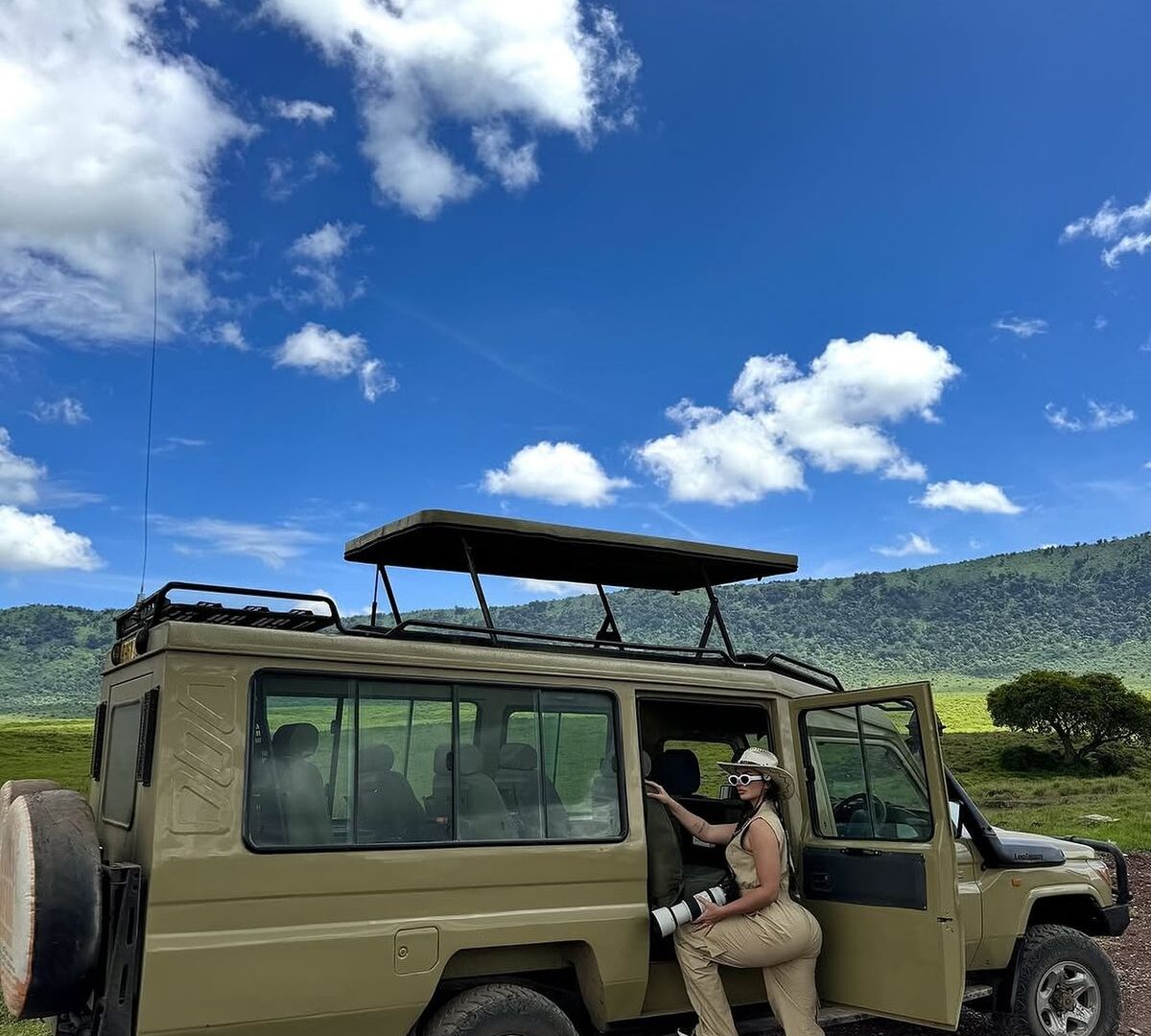
Solo Travel in Uganda: Exploring the Pearl of Africa Alone
There is a special kind of freedom that comes with traveling alone. It is the ability to wake up and decide your own path, spend more time in places that inspire you, connect with new people, and experience a destination in a more personal way. Solo travel in Uganda is not only about visiting new places; it is about building confidence, discovering yourself, and creating memories that belong entirely to you.
For travelers searching for an authentic African adventure, solo travel in Uganda offers an incredible opportunity to explore one of the continent’s most diverse and beautiful destinations.
Known as the Pearl of Africa, Uganda is a country where breathtaking landscapes, incredible wildlife, and welcoming communities come together to create unforgettable experiences. From the misty forests of Bwindi Impenetrable National Park to the open savannah plains of Queen Elizabeth National Park, Uganda provides a perfect environment for travelers who want adventure, discovery, and meaningful connections.
A solo journey through Uganda can take you deep into ancient rainforests to search for mountain gorillas, across wildlife-rich plains where elephants and lions roam freely, along the mighty Nile River, and into communities where you can experience authentic Ugandan culture.
Many travelers who consider visiting Uganda alone often ask the same questions: Is Uganda safe for solo travelers? How easy is it to move around? Can I enjoy a safari without traveling with friends or family? What should I expect when exploring the country alone?
The answer is that Uganda can be an incredibly rewarding destination for solo travelers when the journey is planned properly. With reliable transportation, good preparation, and support from experienced local guides when needed, traveling alone in Uganda can become one of the most unforgettable experiences of your life.
Why Uganda Is a Great Destination for Solo Travelers
Uganda is one of those rare destinations where a traveler can experience many different adventures within one country. It combines wildlife, nature, culture, adventure, and relaxation, giving solo travelers the freedom to create a journey that matches their personal interests.
One of the biggest advantages of traveling alone in Uganda is flexibility. You are not limited by the schedules or preferences of a group. You can spend more time taking photographs, exploring a destination, meeting local people, or simply enjoying quiet moments surrounded by nature.
For wildlife enthusiasts, Uganda offers some of Africa’s most unique experiences. The country is home to mountain gorillas, chimpanzees, elephants, lions, leopards, hippos, giraffes, and hundreds of bird species.
For adventure seekers, Uganda provides opportunities such as hiking, white-water rafting, forest walks, boat cruises, and cultural encounters.
For travelers who want peace and relaxation, destinations such as Lake Bunyonyi and the Ssese Islands offer beautiful environments where you can slow down and enjoy the scenery.
The diversity of experiences means that solo travel in Uganda never feels repetitive. Every region offers something different, creating a journey filled with discovery.
Is Uganda Safe for Solo Travelers?
Safety is one of the most important concerns for anyone planning a solo trip. When visiting a new country alone, travelers want to know whether they can move around comfortably, interact with locals, and enjoy activities without unnecessary challenges.
Uganda is generally known as a welcoming destination with friendly communities and a strong culture of hospitality. Many international travelers visit Uganda every year for safaris, gorilla trekking, cultural experiences, and adventure activities.
However, like anywhere in the world, solo travelers should always take responsibility for their own safety.
A successful solo journey begins with good planning. Research your destinations before traveling, choose accommodation with good reviews, use reliable transportation, and avoid taking unnecessary risks.
When visiting national parks, using an experienced safari guide is highly recommended. A professional guide provides more than transportation. They understand wildlife behavior, know the best locations for sightings, and help you navigate different environments safely.
In cities such as Kampala and Entebbe, travelers should follow normal travel precautions. Avoid walking alone in unfamiliar areas late at night, keep valuables secure, and use trusted transport options.
One of the reasons many solo travelers enjoy Uganda is because of the people. Ugandans are often described by visitors as warm, helpful, and welcoming. Simple conversations with locals, guides, and lodge staff often become some of the best memories of the journey.
Gorilla Trekking and Safari Experiences for Solo Travelers
One of the biggest attractions for anyone planning is the opportunity to experience incredible wildlife.
Uganda is one of the few places in the world where travelers can encounter endangered mountain gorillas in their natural habitat. Gorilla trekking in Bwindi Impenetrable National Park is often considered a life-changing experience.
The adventure begins with a walk through the rainforest, following experienced trackers who understand the movements of different gorilla families. The trek itself is part of the experience, with beautiful scenery, forest sounds, and the excitement of searching for these incredible animals.
When you finally encounter a gorilla family, the moment is unforgettable. Watching a silverback protect his family, seeing young gorillas play, and observing their behavior creates a deep connection between humans and wildlife.
For solo travelers, gorilla trekking also provides a chance to meet other visitors. Trekking groups usually include travelers from different parts of the world, creating opportunities to share stories and experiences.
Uganda also offers incredible chimpanzee experiences in , known as one of the best places in Africa for chimpanzee encounters. Walking through the forest while observing these intelligent primates provides a completely different wildlife experience.
Beyond primates, Uganda’s national parks offer classic safari adventures. In Queen Elizabeth National Park, solo travelers can enjoy game drives looking for lions, elephants, buffaloes, leopards, and antelopes.
A boat cruise along the Kazinga Channel is another highlight, where travelers can observe hippos, crocodiles, elephants, and countless bird species along the water.
In Murchison Falls National Park, the powerful Nile River creates one of Uganda’s most spectacular landscapes. The boat trip toward the famous waterfall combines beautiful scenery with excellent wildlife viewing.
Can Solo Travelers Join Safaris in Uganda?
A common concern among people traveling alone is whether they can enjoy a safari without having companions.
The answer is yes. Many safari companies in Uganda welcome solo travelers and provide different options depending on your preferences and budget.
Some solo travelers choose to join shared safari experiences. This allows them to reduce costs while meeting other travelers who share similar interests. Group safaris often create a friendly atmosphere where strangers quickly become travel companions.
Other travelers prefer private safaris because they want complete flexibility. A private safari allows you to choose your pace, spend more time at wildlife sightings, and customize your experience.
Working with a local safari company also makes planning easier. They can help arrange transportation, accommodation, permits, and activities, allowing you to focus on enjoying the journey.
For experiences such as gorilla trekking, chimpanzee trekking, and wildlife safaris, having professional support makes the entire experience smoother and more enjoyable.
Best Time for Solo Travel in Uganda
Uganda can be visited throughout the year, but choosing the right season can improve your experience.
The dry seasons, usually from June to September and December to February, are considered some of the best times for wildlife viewing and outdoor activities.
During these months, roads are generally easier to navigate, animals gather around water sources, and trekking conditions in forests are often more comfortable.
The wet seasons, usually from March to May and October to November, bring greener landscapes and fewer visitors. These months are excellent for travelers interested in photography because the scenery becomes especially beautiful.
For solo travelers looking for fewer crowds and more peaceful experiences, the low seasons can be a great option.
How Many Days Do You Need for a Solo Trip in Uganda?
The ideal length of a solo trip depends on your interests and the experiences you want to include.
A short visit of about 3 to 5 days can allow you to explore places such as Jinja, Lake Mburo National Park, or Entebbe.
A longer trip of 7 to 10 days gives you enough time to combine wildlife experiences with destinations such as Kibale, Queen Elizabeth, and Bwindi.
For travelers who want a complete Uganda adventure, spending 12 to 14 days allows you to explore multiple national parks, enjoy cultural experiences, and travel at a more relaxed pace.
Uganda rewards travelers who take their time because every destination offers something unique.
Visa Requirements and Entry Information for Solo Travelers Visiting Uganda
Before beginning your adventure, one of the most important steps is understanding the entry requirements for Uganda. Having your travel documents prepared in advance makes your arrival smoother and allows you to focus on enjoying your experience.
Most international visitors traveling to Uganda require a tourist visa before entering the country. Travelers are encouraged to check the latest visa requirements based on their nationality and apply through the official immigration channels before arrival.
Your passport should have enough validity remaining for your planned trip, and it is always recommended to carry copies of important travel documents, including your passport details, travel insurance information, accommodation confirmations, and emergency contacts.
For most solo travelers, the first point of arrival is Entebbe International Airport, located near the shores of Lake Victoria. Entebbe provides a peaceful introduction to Uganda, with beautiful gardens, cultural sites, and easy access to Kampala.
Many travelers choose to spend their first night in Entebbe before beginning their safari because it allows them to rest after a long flight and prepare for the journey ahead.
Planning your arrival properly is especially important when traveling alone because you are responsible for organizing your transportation, accommodation, and activities.
Health Requirements and Staying Healthy During Your Trip
Taking care of your health is an important part of preparing for solo travel in Uganda. While many travelers enjoy Uganda without any problems, good preparation helps ensure a comfortable and stress-free experience.
Before traveling, it is recommended to consult a travel health professional who can advise you based on your personal circumstances and travel plans.
Uganda requires travelers to have a yellow fever vaccination certificate when entering the country. This is especially important to arrange before departure because proof may be requested at arrival.
Because Uganda is a tropical destination, travelers should also consider malaria prevention measures. Using insect repellent, wearing appropriate clothing in the evenings, and following medical advice can help reduce risks.
During your safari, it is important to stay hydrated, especially during activities such as gorilla trekking and game drives. Carrying personal medication, basic first-aid items, and any important prescriptions is also recommended.
Travel insurance is another important consideration for solo travelers. A good policy can provide support in case of unexpected situations such as medical emergencies, trip interruptions, or lost belongings.
Budgeting for Solo Travel in Uganda
One of the biggest advantages of traveling in Uganda is that the country offers experiences for different travel styles and budgets.
The amount you spend during your trip will depend on your accommodation choices, transportation, activities, and the type of safari experience you want.
Budget travelers can explore Uganda by choosing affordable accommodation, using local transport where practical, and focusing on experiences that match their interests.
Mid-range travelers often choose comfortable lodges, private transfers, and guided activities that provide a balance between comfort and affordability.
Luxury travelers can enjoy premium safari lodges, private vehicles, exclusive experiences, and personalized services.
Certain experiences have fixed costs, especially activities such as gorilla trekking because permits are required. However, other aspects of your journey, such as accommodation and transportation, can be adjusted according to your budget.
A major advantage of working with a local safari company is that they can help you design a trip that matches your budget while ensuring you do not miss the most important experiences.
For a solo traveler, planning your finances carefully is important because you are managing all expenses independently. Creating a daily budget for meals, transportation, activities, and personal expenses helps avoid surprises.
Accommodation Options for Solo Travelers in Uganda
Choosing the right accommodation can greatly influence your travel experience. Uganda offers a wide range of places to stay, from simple guesthouses to luxury safari lodges surrounded by wilderness.
For backpackers and budget-conscious travelers, affordable guesthouses and hostels provide comfortable places to rest while offering opportunities to meet other travelers.
Mid-range lodges are popular among many safari visitors because they combine comfort, beautiful locations, and quality service without the high cost of luxury properties.
For those looking for a special experience, Uganda’s luxury safari lodges provide incredible settings. Many are located near national parks, offering views of forests, rivers, lakes, and wildlife areas.
Solo travelers should consider accommodation that has good reviews, reliable services, and convenient locations. Staying in places where other travelers gather can also make the journey more social and enjoyable.
Many safari lodges have common dining areas where guests naturally meet and share stories about their adventures. This is one of the easiest ways for solo travelers to connect with others.
Getting Around Uganda as a Solo Traveler
Transportation is one of the most important parts of planning a solo trip. Uganda is a large country, and many of the main attractions are located several hours apart.
For national parks and safari destinations, many solo travelers prefer using a professional safari company. This option provides comfort, safety, and local knowledge throughout the journey.
A safari guide does much more than drive. They understand the roads, know the best wildlife viewing locations, communicate with other guides, and help create a more rewarding experience.
For travelers exploring towns and cities, options include taxis, private transfers, and local transport services.
In Kampala and Entebbe, using trusted transportation providers is recommended, especially for first-time visitors.
Motorcycle taxis, locally known as boda bodas, are common in many areas and can be convenient for short distances. However, travelers should choose carefully and prioritize safety.
Because solo travelers do not have another person to assist with unexpected situations, having reliable transport arrangements can make the entire journey easier.
Staying Connected: Internet and Communication in Uganda
In today’s world, staying connected is an important part of travel, especially when exploring alone.
Most travelers can easily access mobile services in Uganda by purchasing a local SIM card. Major mobile networks provide coverage in cities, towns, and many tourist areas.
Having a local SIM card allows you to communicate easily, access maps, contact accommodation providers, and stay connected with family and friends.
Many hotels, lodges, and restaurants offer WiFi, although connection quality may vary depending on location. In remote safari areas, internet access may be limited, which can actually become part of the experience by allowing travelers to disconnect and enjoy nature.
For solo travelers, keeping important contacts saved and sharing your travel plans with someone back home is always a good practice.
Meeting Other Travelers While Exploring Uganda
One concern many solo travelers have is whether they will feel lonely during their journey.
The truth is that Uganda provides many opportunities to meet people.
Safari experiences naturally bring travelers together. During gorilla trekking, chimpanzee trekking, boat cruises, and group activities, you often meet people from different countries who share similar interests.
Adventure destinations such as Jinja are also popular among international travelers. Activities along the River Nile create social environments where visitors easily connect.
Staying in traveler-friendly accommodations, joining cultural experiences, and participating in guided activities are excellent ways to create friendships while still enjoying the freedom of traveling alone.
Many people who begin their Uganda journey as solo travelers end up leaving with friendships and memories they never expected.
Common Mistakes Solo Travelers Should Avoid in Uganda
Good preparation can make the difference between a stressful trip and an unforgettable adventure.
One common mistake is trying to plan too many destinations within a short period. Uganda may look small on a map, but travel times between national parks can be long. Giving yourself enough time allows you to enjoy the experience rather than spending most of your trip on the road.
Another mistake is choosing safari services based only on the cheapest price. Extremely cheap offers may sometimes mean lower-quality vehicles, limited services, or unexpected costs. Choosing a reliable safari provider helps protect your experience.
Some travelers also forget the importance of preparing for different weather conditions. Uganda’s climate can change depending on the region, especially in forest and mountain areas.
Finally, many solo travelers make the mistake of not allowing enough time to simply enjoy the destination. While seeing famous attractions is exciting, some of the best memories come from slowing down, talking to people, and appreciating the journey.
Sample 10-Day Solo Uganda Safari Experience
A well-planned solo adventure can combine wildlife, culture, and relaxation.
Your journey could begin in Entebbe, where you settle in after arrival before exploring the country.
From there, you can travel to Murchison Falls National Park to experience game drives, the Nile River cruise, and the powerful Murchison Falls.
The adventure can continue to Kibale National Park for chimpanzee trekking before heading to for wildlife viewing and the famous Kazinga Channel boat cruise.
The final part of the journey can take you to Bwindi Impenetrable National Park for the unforgettable mountain gorilla trekking experience.
After exploring the forests and wildlife of Uganda, you can return to Entebbe with memories of an adventure filled with nature, culture, and personal discovery.
The Best Solo Travel Experiences You Should Not Miss in Uganda
While Uganda has many attractions, some experiences stand out as truly unforgettable for solo travelers.
One of the most meaningful is gorilla trekking in Bwindi. The combination of adventure, nature, and the emotional connection with mountain gorillas makes it an experience that many travelers describe as life-changing.
Chimpanzee trekking in Kibale offers another incredible wildlife encounter. Walking through the forest and observing these intelligent primates provides a deeper understanding of the natural world.
For adventure lovers, visiting Jinja and experiencing activities along the River Nile creates an exciting contrast to wildlife safaris. The town is famous for adventure activities, beautiful scenery, and a relaxed atmosphere where travelers can connect with others.
A boat cruise in Queen Elizabeth National Park or Murchison Falls is another experience every solo traveler should consider. Sitting quietly on the water while watching wildlife along the shoreline allows you to appreciate Uganda’s natural beauty in a peaceful way.
For travelers who enjoy relaxation, Lake Bunyonyi provides a perfect escape. Surrounded by hills and small islands, the lake offers a peaceful environment where you can reflect on your journey and enjoy the beauty of Uganda.
Understanding Money and Payments in Uganda
Managing money is an important part of traveling alone. Uganda uses the Ugandan Shilling as its local currency, although US dollars are widely accepted in many tourism-related businesses such as safari companies, lodges, and hotels.
Solo travelers should carry some local currency for smaller purchases, markets, local transport, and situations where card payments may not be available.
Major hotels and larger businesses may accept international cards, but remote areas and small local businesses often rely on cash.
It is always wise to plan your finances before traveling to remote destinations, especially national parks where access to ATMs may be limited.
Keeping your money secure is also important. Carry only what you need for daily activities and keep important documents safely stored.
Health, Travel Insurance, and Personal Preparation
A successful solo trip requires more than choosing destinations. Preparing yourself physically and mentally is equally important.
Travel insurance is highly recommended because it provides protection in unexpected situations, including medical emergencies, trip delays, or lost belongings.
For travelers planning activities such as gorilla trekking, it is important to prepare physically because forest hikes can involve steep paths and challenging terrain.
However, gorilla trekking is not only about physical strength. Travelers of different ages and fitness levels can participate with proper preparation and by choosing trekking options that match their ability.
It is also important to listen to your body during your journey. Rest when needed, stay hydrated, and avoid trying to do too much in a short period.
Why You Should Consider Traveling With a Local Safari Company
While independent travel is possible in Uganda, many solo travelers choose to work with local safari companies because it provides convenience, safety, and expert knowledge.
A professional safari company helps organize important details such as transportation, accommodation, permits, and activity bookings.
For a first-time visitor, this support removes much of the stress involved in navigating an unfamiliar country.
A local guide also adds value to the experience by sharing stories, explaining wildlife behavior, introducing cultural aspects, and helping you discover places you might otherwise miss.
For solo travelers, having a knowledgeable person supporting the journey provides peace of mind while still allowing you to enjoy the freedom of exploration.
Whether you prefer a private safari or joining a group experience, working with experienced professionals can make your Uganda adventure smoother and more memorable.
Frequently Asked Questions About Solo Travel in Uganda
Can I travel to Uganda alone?
Yes, many travelers explore Uganda independently every year. With proper planning, reliable transportation, and awareness of your surroundings, Uganda can be a rewarding destination for solo travelers.
Is Uganda safe for female solo travelers?
Many female travelers visit Uganda successfully. Like anywhere else, it is important to take normal safety precautions, choose reliable accommodation, and use trusted transportation providers.
Can I join a safari if I am traveling alone?
Yes. Many safari companies offer shared and private safari options for solo travelers. Joining a group safari is also a great way to meet other travelers.
How much does solo travel in Uganda cost?
The cost depends on your travel style. Budget travelers can choose affordable accommodation and activities, while those looking for comfort can select mid-range or luxury safari experiences.
How many days are enough for Uganda?
A trip of 7 to 10 days is ideal for experiencing some of Uganda’s highlights, including wildlife safaris and gorilla trekking. Longer trips allow more time for relaxation and exploring additional destinations.
What is the best experience for a first-time visitor to Uganda?
Many first-time visitors choose gorilla trekking because it offers one of Africa’s most unique wildlife experiences. However, combining gorillas with safari experiences provides a more complete Uganda adventure.
Do I need a guide when traveling alone in Uganda?
A guide is not required for every activity, but having one for safaris, gorilla trekking, and visits to national parks greatly improves safety and the overall experience.
Solo Travel in Uganda
Solo travel in Uganda is more than simply visiting a new country. It is an opportunity to challenge yourself, connect with nature, meet incredible people, and experience Africa in a deeply personal way.
From the moment you arrive in the Pearl of Africa, every destination offers something different. The misty forests of Bwindi reveal the beauty of mountain gorillas, the savannah plains showcase Uganda’s wildlife, the lakes provide peaceful escapes, and local communities share stories that make the journey meaningful.
Traveling alone allows you to experience Uganda at your own pace. It gives you the freedom to follow your curiosity, embrace unexpected moments, and create memories that are uniquely yours.
With proper preparation, an open mind, and a spirit of adventure, Uganda can become one of the most rewarding destinations you will ever explore.
The Pearl of Africa is waiting to welcome you.