







Uganda Birding Safaris: Discovering Africa’s Most Incredible Birding Destination
When travelers think about Uganda, they often imagine mountain gorillas hiding in ancient forests, lions roaming across savannah plains, elephants near rivers, and chimpanzees moving through tropical jungles.
However, Uganda has another incredible treasure that attracts thousands of nature lovers from around the world — its extraordinary birdlife.
Known as one of Africa’s best birding destinations, Uganda offers an unmatched combination of habitats, landscapes, and ecosystems that support an incredible variety of bird species.
provide travelers with the opportunity to explore forests, wetlands, mountains, lakes, and national parks while searching for some of Africa’s most remarkable birds.
From the famous shoebill stork standing quietly in Uganda’s wetlands to colorful forest birds hidden within tropical forests, every birding journey offers unique discoveries.
Uganda’s location in the heart of Africa gives it an exceptional advantage.
The country contains:
- Tropical rainforests
- Savannah grasslands
- Mountain ecosystems
- Wetlands
- Lakes and rivers
- Alpine environments
This diversity creates habitats for hundreds of bird species.
For bird enthusiasts, Uganda is not simply a place to visit—it is a destination to explore slowly, listen carefully, and discover nature in its purest form.
A birding safari allows travelers to experience Uganda differently.
Instead of focusing only on large mammals, visitors learn to appreciate the smaller details of ecosystems and understand the important role birds play in maintaining nature’s balance.
Why Uganda Is One of Africa’s Best Birding Destinations
Uganda has earned a strong reputation among birdwatchers because of its incredible species diversity and accessibility.
The country is home to more than 1,000 bird species, making it one of the richest birding destinations on the African continent.
One of the biggest advantages of birding in Uganda is the variety of habitats available within a relatively small geographical area.
Travelers can move from wetlands to forests, mountains, and savannah landscapes while encountering completely different bird communities.
Uganda’s location between East Africa’s savannah regions and Central Africa’s tropical forests creates a unique mix of bird species.
Some birds found in Uganda are:
- East African species
- Central African forest species
- Migratory species from other parts of the world
This combination makes Uganda especially attractive to serious birdwatchers.
The country also offers opportunities to combine birding with other safari experiences.
A traveler can spend the morning searching for rare forest birds and later enjoy a game drive looking for lions, elephants, and buffaloes.
This diversity makes Uganda different from many other safari destinations.
A birding safari is not only about ticking species off a list—it is about experiencing the landscapes, sounds, and natural beauty of Uganda.
The Famous Shoebill Stork: Uganda’s Most Sought-After Bird
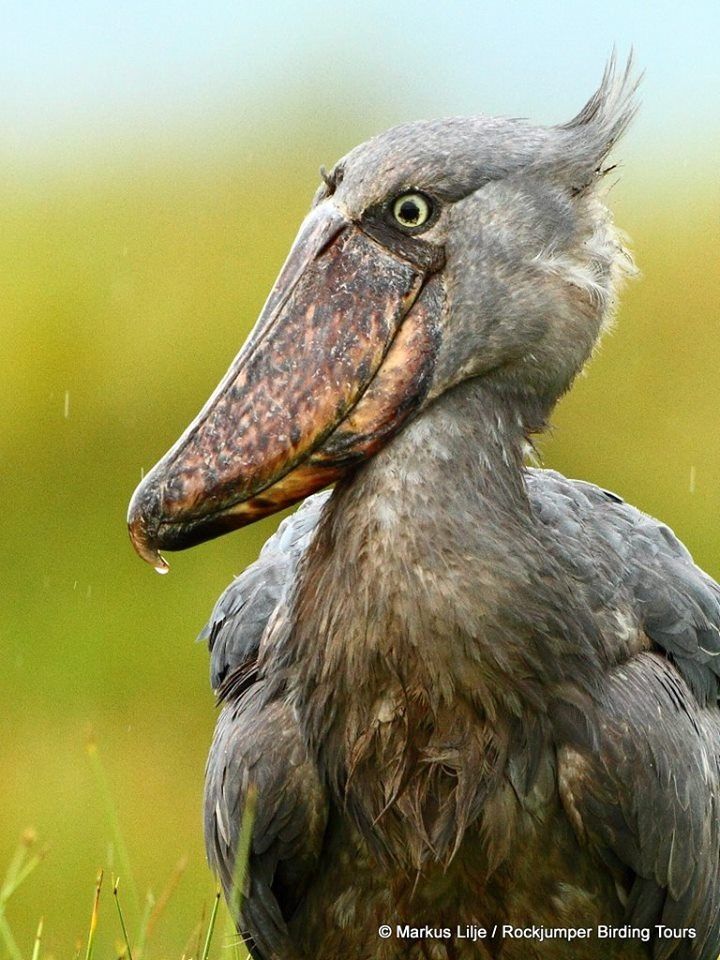
One of the biggest reasons birdwatchers travel to Uganda is the opportunity to see the legendary shoebill stork.
The shoebill is one of Africa’s most unique and prehistoric-looking birds.
With its enormous shoe-shaped bill, tall body, and powerful appearance, the shoebill is unlike any other bird.
For many birding travelers, seeing a shoebill in the wild is the highlight of their Uganda safari.
Shoebills are usually found in wetlands, swamps, and marshy areas where they hunt for fish, especially lungfish.
Uganda provides some of the best opportunities in Africa to observe these remarkable birds.
Popular places for shoebill sightings include:
- Mabamba Swamp
- Murchison Falls wetlands
- Queen Elizabeth National Park wetlands
- Lake Victoria areas
The experience of searching for a shoebill through Uganda’s wetlands is an adventure by itself.
Visitors often travel by small canoe through quiet channels while local guides carefully search for signs of the bird.
Once spotted, the moment is unforgettable.
The shoebill’s calm behavior and unusual appearance create some of the most impressive wildlife photography opportunities in Uganda.
Best Birding Destinations in Uganda
Uganda offers many birding destinations, each with unique habitats and bird species.
The best location depends on the type of birds travelers want to see and the overall safari experience they desire.
Bwindi Impenetrable National Park: Forest Birding and Gorilla Adventures
Bwindi is famous worldwide for mountain gorillas, but it is also one of Uganda’s best birding destinations.
The ancient rainforest provides a habitat for many rare forest birds.
Birders visiting Bwindi may search for:
- African green broadbill
- African emerald cuckoo
- Great blue turaco
- African broadbill
- Forest hornbills
The dense forest environment creates an exciting birding experience because many species are hidden within the vegetation.
Birding in Bwindi can easily be combined with gorilla trekking, making it a perfect destination for travelers who want both wildlife and bird experiences.
Kibale Forest National Park: Birding in the Primate Capital of the World
Kibale Forest is best known for chimpanzee trekking, but it is also an excellent birding destination.
The forest ecosystem supports many bird species, making it a favorite among nature lovers.
Birdwatchers can explore forest trails searching for:
- Great blue turaco
- African pitta
- Green-breasted pitta
- Forest species
- Colorful woodland birds
The combination of birds, primates, and beautiful forest scenery makes Kibale a special destination.
A birding experience here can be combined with chimpanzee trekking and nature walks.
Queen Elizabeth National Park: Savannah and Wetland Birding
Queen Elizabeth National Park provides one of Uganda’s most diverse birding environments.
The park contains:
- Lakes
- Wetlands
- Savannah
- Forest areas
This variety supports a wide range of bird species.
Visitors may see:
- African fish eagles
- Kingfishers
- Pelicans
- Storks
- Herons
- Raptors
The Kazinga Channel is especially rewarding because the water attracts many bird species.
Birding can easily be combined with boat safaris and traditional wildlife viewing.
Murchison Falls National Park: Birding Along the Nile River
Murchison Falls National Park is one of Uganda’s most famous wildlife destinations, known for the powerful Murchison Falls, large populations of elephants, giraffes, lions, buffaloes, and the incredible Nile River ecosystem.
However, beyond the large mammals, Murchison Falls is also one of Uganda’s most rewarding birding destinations.
The park’s combination of savannah plains, riverbanks, forests, and wetlands creates a perfect environment for a wide variety of bird species.
Birding in Murchison Falls provides opportunities to observe:
- Water birds along the Nile
- Savannah birds across open plains
- Forest species in woodland areas
- Raptors flying above the landscapes
Some notable species that birders may encounter include:
- Shoebill stork
- Goliath heron
- Abyssinian ground hornbill
- African fish eagle
- Grey crowned crane
- Senegal thick-knee
- Red-throated bee-eater
- Black-headed lapwing
One of the best birding experiences in the park is a boat safari along the Victoria Nile.
The slow movement of the boat allows visitors to observe birds resting along the riverbanks, fishing in shallow waters, and flying across the wetlands.
The boat cruise also provides excellent photography opportunities because birds often allow closer approaches compared to land-based viewing.
For birding enthusiasts, combining a boat safari, game drive, and nature walks creates a complete Murchison Falls experience.
Mabamba Swamp: Uganda’s Famous Shoebill Tracking Destination
Located near Lake Victoria, Mabamba Swamp is one of the most popular birding locations in Uganda.
The wetland is internationally famous because it provides one of the best chances to see the rare shoebill stork.
The journey through Mabamba is an adventure itself.
Visitors travel through narrow wetland channels using traditional canoes while local bird guides carefully search for the shoebill.
The quiet environment allows travelers to experience Uganda’s wetlands in an authentic way.
Apart from the shoebill, Mabamba supports many other bird species, including:
- African jacana
- Papyrus gonolek
- Purple heron
- Kingfishers
- Egrets
- African marsh harrier
The experience is especially attractive for photographers because the open wetland landscape provides beautiful natural backgrounds.
A visit to Mabamba can easily be arranged as a half-day or full-day excursion from Kampala or Entebbe, making it a perfect activity for travelers before or after their main safari.
For many visitors, seeing a shoebill quietly standing among the papyrus reeds becomes one of the most memorable moments of their Uganda journey.
Lake Mburo National Park: Savannah Birding and Wildlife Encounters
Lake Mburo National Park offers a unique combination of birding and traditional safari experiences.
Located close to Kampala, the park is one of the most accessible wildlife destinations in Uganda.
Its mixture of savannah, wetlands, and acacia woodlands creates excellent bird habitats.
Birding in Lake Mburo provides opportunities to see:
- African finfoot
- Papyrus yellow warbler
- Rufous-bellied heron
- Bare-faced go-away bird
- African fish eagle
- Southern ground hornbill
The park is also famous for large numbers of:
- Zebras
- Impalas
- Giraffes
- Buffaloes
- Antelopes
This makes Lake Mburo ideal for travelers who want birding combined with general wildlife viewing.
One of the best ways to explore the park is through a guided nature walk.
Walking allows visitors to focus on smaller details, listen for bird calls, and discover species that may be missed during vehicle-based safaris.
The park also offers boat trips on Lake Mburo, providing additional opportunities to observe water birds.
Kidepo Valley National Park: Birding in Uganda’s Remote Wilderness
Kidepo Valley National Park is one of Uganda’s most remote and spectacular destinations.
Located in the northeastern part of the country, Kidepo offers a true wilderness experience with dramatic landscapes, mountains, valleys, and open savannah.
The park’s isolation has helped preserve unique ecosystems and bird species.
Birding in Kidepo provides opportunities to see species that are rare in other parts of Uganda.
Some notable birds include:
- Ostriches
- Karamoja apalis
- Abyssinian roller
- White-bellied bustard
- Egyptian vulture
- Secretary bird
The dry landscapes and open plains make bird spotting easier because many species are visible across large areas.
Kidepo is especially attractive to adventurous birders who want to explore less crowded destinations.
A birding safari in Kidepo can be combined with:
- Game drives
- Cultural visits to local communities
- Nature walks
- Wildlife photography
The combination of rare birds, beautiful landscapes, and remote wilderness makes Kidepo one of Uganda’s most rewarding birding destinations.
Mount Elgon and Rwenzori Mountains: High-Altitude Birding Experiences
Uganda’s mountain regions provide some of the country’s most unique birding opportunities.
The cooler environments, forests, and different vegetation zones create habitats for specialized mountain birds.
Mount Elgon Birding
Mount Elgon National Park, located in eastern Uganda, offers forest and mountain birding experiences.
Visitors may encounter:
- Jackson’s francolin
- Tacazze sunbird
- Mountain greenbul
- Black-throated wattle-eye
The combination of hiking and birding makes Mount Elgon ideal for travelers who enjoy adventure.
Rwenzori Mountains Birding
The Rwenzori Mountains provide some of Africa’s most spectacular mountain scenery.
The forests and alpine environments support unique bird species adapted to high elevations.
Birders may search for:
- Rwenzori turaco
- Handsome francolin
- Rwenzori batis
- Mountain masked apalis
Birding in the Rwenzori is often combined with trekking because many species are found deeper within mountain habitats.
For experienced birders, these mountain destinations provide some of Uganda’s most rewarding discoveries.
Best Time for Uganda Birding Safaris
Uganda is a year-round birding destination, but certain periods provide especially rewarding experiences.
The best birding seasons are often linked to migration periods and breeding activity.
Many birders prefer:
March to May
During this period:
- Vegetation is green
- Food availability increases
- Many birds are active
- Photography conditions are excellent
September to November
This period is also attractive because some migratory birds begin arriving from Europe and northern regions.
Dry Seasons
The dry months of:
- June to August
- December to February
are also good for birding because:
- Roads are easier to navigate
- Trails are less muddy
- Wildlife viewing is comfortable
However, birding is different from traditional wildlife viewing.
Many birds are present throughout the year, meaning visitors can enjoy excellent sightings in every season.
The best time depends on the species a traveler wants to see and the destinations included in the itinerary.
Birding Safari Activities and Experiences in Uganda
A birding safari in Uganda is not limited to simply searching for birds with binoculars.
It is an immersive nature experience that allows travelers to explore different landscapes, understand ecosystems, and discover how birds interact with their surroundings.
Uganda offers many different birding activities depending on the destination and the interests of the traveler.
Guided Bird Watching Walks
Guided birding walks are among the best ways to experience Uganda’s incredible birdlife.
Walking slowly through forests, wetlands, and savannah areas allows visitors to listen for bird calls and observe species that may be missed during vehicle-based safaris.
Experienced birding guides help travelers identify birds through:
- Colors and markings
- Flight patterns
- Sounds and calls
- Feeding behavior
- Habitat preferences
A guide can transform a simple walk into an educational experience by explaining how different species survive and interact with the environment.
Popular destinations for guided bird walks include:
- Bwindi Impenetrable National Park
- Kibale Forest National Park
- Lake Mburo National Park
- Mabamba Swamp
- Mount Elgon National Park
Walking also creates excellent photography opportunities because travelers can move slowly and wait patiently for the perfect moment.
Shoebill Tracking Experiences
For many birding travelers, shoebill tracking is the highlight of their Uganda safari.
The experience usually involves exploring wetlands by canoe with local guides who understand the behavior and locations of these rare birds.
The peaceful movement through papyrus channels creates an unforgettable atmosphere.
Visitors learn about:
- Shoebill behavior
- Wetland conservation
- Bird habitats
- Threats facing rare species
Seeing a shoebill standing silently in the wetlands is a powerful wildlife moment.
It is not only about observing a rare bird but also appreciating the importance of protecting Uganda’s wetland ecosystems.
Birding Combined with Wildlife Safaris
One of the greatest advantages of Uganda birding safaris is that they can easily be combined with traditional wildlife experiences.
Travelers do not have to choose between birdwatching and seeing large mammals.
Uganda allows visitors to enjoy both.
A single safari can include:
- Bird watching
- Gorilla trekking
- Chimpanzee tracking
- Game drives
- Boat safaris
- Nature walks
For example, a traveler visiting Queen Elizabeth National Park can spend the morning searching for birds around the Kazinga Channel and later enjoy a game drive looking for lions, elephants, and buffaloes.
This combination makes Uganda especially attractive because every ecosystem offers something different.
The forests provide rare birds and primates.
The wetlands provide water birds and shoebills.
The savannah provides birds alongside iconic African wildlife.
Bird Photography Safaris in Uganda
Uganda is a paradise for wildlife photographers because of its incredible variety of bird species and landscapes.
Bird photography requires patience, and Uganda provides the perfect environment for photographers who enjoy observing natural behavior.
Some of the best photography opportunities include:
- Shoebills in wetlands
- Turacos in forests
- Eagles above savannahs
- Colorful sunbirds
- Water birds along lakes and rivers
Professional bird photographers often spend several hours in one location waiting for the right lighting and behavior.
Early mornings and late afternoons are usually excellent times for photography because:
- Light is softer
- Birds are more active
- Temperatures are cooler
Photographers should also focus on capturing the environment around birds.
A bird flying over Uganda’s landscapes, feeding in wetlands, or sitting among forest vegetation tells a stronger story than a simple close-up image.
What to Carry for a Uganda Birding Safari
Proper preparation makes a birding safari more enjoyable.
Because bird watching involves spending long hours outdoors, travelers should carry suitable equipment and clothing.
Important items include:
- Binoculars
- Camera with zoom lens
- Extra batteries
- Memory cards
- Field guide book
- Comfortable walking shoes
- Lightweight clothing
- Hat or cap
- Sunglasses
- Sunscreen
- Insect repellent
- Drinking water
- Small backpack
- Rain jacket
Binoculars are one of the most important items because many birds are small or located high in trees.
A good pair of binoculars allows travelers to observe details that would otherwise be missed.
A notebook can also be useful for recording species sightings and creating a personal bird list.
For serious birders, keeping records of birds seen during the trip becomes part of the adventure.
Safety Tips During Birding Safaris in Uganda
Birding safaris are generally safe, but travelers should still follow basic safety guidelines.
Many birding experiences take place in forests, wetlands, and wildlife areas where natural conditions can vary.
Important safety practices include:
Staying with the guide.
Following designated trails.
Wearing suitable footwear.
Protecting yourself from insects.
Carrying enough water.
Respecting wildlife distances.
Avoiding disturbing nesting birds.
Birdwatching requires patience and quiet movement.
Making unnecessary noise can disturb birds and reduce the chances of good sightings.
Responsible birding protects both the animals and the environment.
Visitors should remember that they are guests within natural habitats.
Frequently Asked Questions About Uganda Birding Safaris
How many bird species can I see in Uganda?
Uganda is home to more than 1,000 bird species, making it one of Africa’s richest birding destinations.
Is Uganda good for beginner birdwatchers?
Yes.
Uganda is suitable for both beginners and experienced birders.
Professional guides help visitors identify species and understand bird behavior.
Where is the best place to see the shoebill in Uganda?
Mabamba Swamp is one of the most popular places for shoebill tracking, although other wetland areas also provide opportunities.
What is the best month for birding in Uganda?
Uganda offers birding throughout the year, but migration periods and green seasons can provide excellent opportunities.
Can I combine birding with gorilla trekking?
Yes.
Many travelers combine birding with gorilla trekking in Bwindi because both experiences take place in incredible forest environments.
Are birding safaris suitable for families?
Yes.
Birding can be enjoyed by families, especially when combined with nature walks and wildlife experiences.
Final Thoughts on Uganda Birding Safaris
Uganda birding safaris offer travelers a chance to experience the country’s natural beauty from a completely different perspective.
While many visitors come to Uganda searching for gorillas, lions, and elephants, the country’s birds reveal another incredible side of the wilderness.
From the prehistoric-looking shoebill in Uganda’s wetlands to colorful forest birds hidden within ancient rainforests, every birding journey provides new discoveries.
The beauty of birding is that it encourages travelers to slow down.
It teaches patience, observation, and appreciation for the smaller details of nature.
Every bird has a story.
Every habitat supports a unique ecosystem.
Every call from the forest or wetland reveals another part of Uganda’s incredible biodiversity.
For nature lovers, photographers, and travelers seeking a deeper connection with Africa, Uganda Birding Safaris provide an unforgettable adventure.
Explore Uganda Birding Safaris with Adventure in the Wild Safaris
At Adventure in the Wild Safaris, we create unforgettable nature experiences that allow travelers to discover Uganda’s incredible wildlife and landscapes.
Whether you want to search for the rare shoebill, explore Uganda’s forests, combine birding with gorilla trekking, or enjoy a complete wildlife safari, our team designs personalized adventures around your interests.
We organize:
- Uganda birding safaris
- Shoebill tracking experiences
- Wildlife safaris
- Gorilla trekking adventures
- Chimpanzee tracking tours
- Boat safaris
- Walking safaris
- Big Five safari experiences
- Customized Uganda safari packages
With experienced local guides, excellent destination knowledge, and carefully planned itineraries, we help you discover the true beauty of the Pearl of Africa.