








Uganda Cultural Experiences: Discovering the Heart and Soul of the Pearl of Africa
When most travelers think about Uganda, their minds immediately go to the country’s incredible wildlife experiences.
They imagine standing in the misty forests of Bwindi while observing mountain gorillas, watching lions move across the savannah plains of Queen Elizabeth National Park, cruising along the Nile River in Murchison Falls, or tracking chimpanzees through the forests of Kibale.
While these experiences are among Uganda’s greatest attractions, there is another side of the country that makes every journey much more meaningful — its people and culture.
offer travelers the opportunity to discover the traditions, history, beliefs, music, food, and daily lifestyles that have shaped the identity of the Pearl of Africa.
Uganda is not only a destination of breathtaking landscapes and wildlife; it is a country with a rich human story.
Across its different regions, visitors encounter communities with unique languages, customs, traditional practices, and ways of life that have been passed down through generations.
A cultural experience in Uganda allows travelers to move beyond being visitors and become temporary participants in local life.
It provides opportunities to:
- Meet local communities
- Learn traditional customs
- Taste authentic Ugandan cuisine
- Experience traditional music and dance
- Understand ancient beliefs and practices
- Discover Uganda’s history and heritage
The beauty of cultural tourism is that it creates genuine connections.
A traveler may forget certain places they visited, but the memory of sharing a meal with a local family, listening to traditional stories, or joining a community celebration often remains unforgettable.
Combining cultural experiences with wildlife safaris creates a complete Uganda journey — one that connects the landscapes, animals, and people that make the country unique.
The Cultural Diversity of Uganda
Uganda is one of Africa’s most culturally diverse countries.
The country is home to more than 50 ethnic communities, each contributing to Uganda’s unique identity.
This diversity has been shaped by centuries of migration, historical kingdoms, environmental differences, and traditional ways of living.
Different communities developed lifestyles based on their surroundings.
Communities living near lakes and rivers developed strong fishing traditions.
Those living in fertile agricultural regions developed farming cultures.
Pastoral communities in dry regions built their lives around cattle keeping.
Forest communities developed deep knowledge of plants, wildlife, and natural resources.
This connection between people and their environment is one of the most fascinating parts of Uganda’s cultural story.
Some of the major cultural groups visitors may encounter include:
- Baganda
- Banyankole
- Basoga
- Bakiga
- Batooro
- Acholi
- Iteso
- Karamojong
- Batwa
- Alur
- Bafumbira
Each community has its own unique traditions expressed through:
- Language
- Music
- Dance
- Clothing
- Food
- Traditional ceremonies
- Storytelling
- Art and crafts
For travelers, this means every region of Uganda offers something different.
A cultural experience around Kampala may introduce visitors to the heritage of the Buganda Kingdom.
A journey to southwestern Uganda may reveal the traditions of the Batwa and communities surrounding Bwindi.
A visit to northeastern Uganda introduces travelers to the pastoral lifestyle of the Karamojong people.
Uganda’s cultural diversity ensures that every safari route has opportunities for meaningful human connections.
The Role of Culture in Uganda’s Tourism Experience
Culture plays an important role in making Uganda different from many other safari destinations.
Wildlife may attract travelers to Uganda, but cultural encounters help them understand the country on a deeper level.
A safari is not only about observing animals in protected areas.
It is also about understanding the communities that live alongside these landscapes.
Many Ugandan communities have developed traditions that are closely connected with nature.
For example:
The Batwa people have traditional knowledge of forest ecosystems.
The Karamojong have cultural traditions built around cattle and pastoral life.
Fishing communities around Uganda’s lakes have generations of experience connected to water resources.
Agricultural communities have traditional farming methods that reflect local environments.
These relationships show how people and nature have existed together for generations.
Cultural tourism also supports local communities by creating opportunities for income generation.
When travelers participate in cultural experiences, purchase local crafts, or visit community projects, they contribute directly to preserving traditions and improving livelihoods.
This creates a positive relationship between tourism and communities.
Travelers gain authentic experiences while communities benefit from sharing their heritage.
The Kingdom of Buganda: Exploring Uganda’s Royal Heritage
One of the most important cultural regions in Uganda is the Kingdom of Buganda.
Located in central Uganda, with Kampala as its modern-day center, Buganda has played a major role in the country’s history, politics, and cultural development.
The Baganda people have a rich heritage built around traditional leadership, music, storytelling, agriculture, and craftsmanship.
The kingdom is led by a traditional king known as the Kabaka, and the institution remains an important cultural symbol for the Baganda people.
Visitors interested in history and culture can explore important sites connected to Buganda’s heritage.
One of the most significant sites is the Kasubi Tombs.
The Kasubi Tombs are a UNESCO World Heritage Site and serve as the burial grounds of previous kings of Buganda.
The site provides visitors with insight into:
- Buganda’s royal traditions
- Traditional architecture
- Leadership systems
- Spiritual beliefs
- Historical events
Beyond historical sites, visitors can experience Buganda culture through:
- Traditional music
- Dance performances
- Local cuisine
- Craft markets
- Community interactions
The Baganda are also known for their rich storytelling traditions, which preserve history and cultural values through generations.
Experiencing Buganda culture gives travelers a deeper understanding of Uganda’s history and the role traditional kingdoms continue to play in modern society.
Traditional Music and Dance: The Rhythm of Ugandan Culture
Music and dance are among the strongest expressions of Ugandan culture.
Across the country, traditional performances are used to celebrate important events, preserve history, welcome visitors, and bring communities together.
Traditional music often includes:
- Drums
- String instruments
- Flutes
- Singing
- Dancing
- Storytelling
Drums hold a special place in many Ugandan cultures.
They are not only musical instruments but also symbols of communication, celebration, and identity.
Different communities have developed their own unique dance styles.
The Baganda are known for energetic drum performances and traditional dances.
The Acholi people are famous for powerful group dances that involve rhythmic movements and storytelling.
The Banyankole have cultural performances connected to their cattle-keeping traditions.
The Karamojong express their heritage through songs, dances, and ceremonies connected to community life.
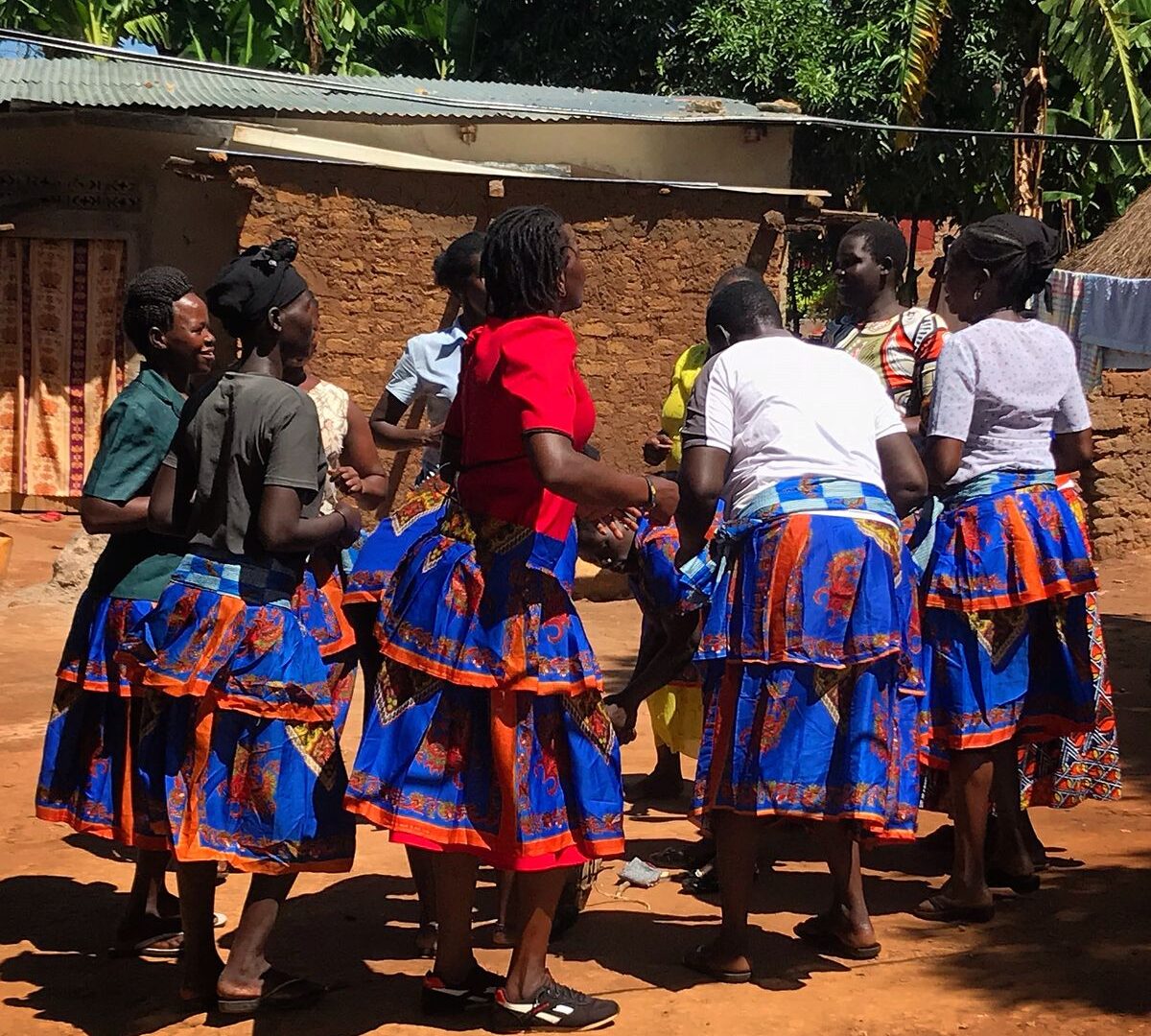
For visitors, these performances are often interactive.
Travelers are usually encouraged to participate, learn traditional movements, and celebrate together with local communities.
The experience creates a genuine cultural connection rather than simply watching a performance.
The sound of drums, the energy of dancers, and the stories behind each performance reveal the spirit and identity of Uganda’s people.
Traditional Ugandan Food Experiences: Discovering Uganda Through Its Flavors
One of the best ways to understand a country’s culture is through its food.
Food tells stories about people’s history, environment, traditions, and daily lives.
In Uganda, traditional cuisine is deeply connected to agriculture and the different lifestyles of communities across the country.
For generations, Ugandan communities have relied on locally grown crops, livestock, and natural resources to create meals that are both simple and meaningful.
A cultural journey through Uganda is incomplete without experiencing the country’s traditional foods.
Visitors have the opportunity to taste meals prepared using local ingredients and traditional cooking methods that have been passed down through generations.
Ugandan food is generally known for being:
- Fresh
- Naturally prepared
- Rich in carbohydrates and vegetables
- Influenced by local farming traditions
Many cultural tours include opportunities to visit local homes, participate in cooking demonstrations, or share meals with community members.
These experiences allow travelers to understand that food is not just about eating — it is about connection, hospitality, and tradition.
Matoke: Uganda’s Most Famous Traditional Dish
When discussing Ugandan cuisine, one of the first foods that comes to mind is matoke.
Matoke is a type of green cooking banana that is one of Uganda’s most important staple foods.
It is especially common among communities in central and western Uganda.
Traditionally, matoke is prepared by peeling the green bananas, wrapping them in banana leaves, and steaming them until they become soft.
The cooked bananas are then mashed and served with different sauces.
Common accompaniments include:
- Groundnut sauce
- Beef stew
- Chicken
- Fish
- Beans
- Vegetables
For many Ugandan families, matoke represents more than just a meal.
It is connected to family gatherings, celebrations, and everyday life.
Visitors who participate in traditional cooking experiences often enjoy learning how matoke is prepared using local methods.
The process itself becomes part of the cultural experience.
From collecting banana leaves to preparing the meal together, travelers gain insight into Ugandan hospitality and traditions.
Rolex: Uganda’s Famous Street Food Experience
One of Uganda’s most popular foods among locals and visitors is the famous Rolex.
Despite the name, the Rolex has nothing to do with the luxury watch brand.
The name comes from the phrase “rolled eggs” because eggs and vegetables are rolled inside a chapati.
A typical Rolex includes:
- Chapati
- Eggs
- Tomatoes
- Onions
- Cabbage
- Other vegetables
It is affordable, delicious, and available throughout Uganda, especially in towns and cities.
For many Ugandans, Rolex is a quick meal enjoyed during busy days.
For travelers, trying a freshly prepared Rolex from a local food vendor is a simple but memorable cultural experience.
It provides a chance to interact with local people and experience everyday Ugandan life beyond traditional tourist attractions.
Luwombo: A Dish Connected to Tradition and Celebration
Luwombo is one of Uganda’s most respected traditional dishes.
It is especially associated with Buganda culture but is enjoyed in many parts of the country.
The dish involves cooking meat, chicken, fish, or groundnut sauce inside banana leaves.
The slow cooking process allows the flavors to develop while preserving traditional preparation methods.
Luwombo is often prepared during:
- Family gatherings
- Cultural ceremonies
- Special celebrations
- Important occasions
Because of its traditional preparation style, luwombo represents patience, hospitality, and respect for guests.
Visitors who experience a traditional Ugandan meal often find that food becomes one of the strongest memories of their journey.
Traditional Drinks and Local Beverages
Uganda also has several traditional beverages connected to different communities.
Some drinks are prepared from local crops and are often shared during ceremonies and celebrations.
Examples include:
Banana Beer
Made from fermented bananas, this traditional drink has been prepared by communities in western Uganda for generations.
It plays a role in cultural gatherings and celebrations.
Millet-Based Drinks
Millet is an important crop in many Ugandan communities.
Traditional millet drinks are prepared using local methods and are valued for their cultural importance.
Fresh Tropical Fruits
Uganda’s fertile climate produces a wide variety of fruits including:
- Mangoes
- Pineapples
- Passion fruits
- Jackfruit
- Papayas
Many travelers are impressed by the freshness and natural sweetness of Ugandan fruits.
Batwa Cultural Experience: Meeting Uganda’s Ancient Forest People
One of the most meaningful cultural experiences in Uganda is meeting the Batwa communities.
The Batwa are among the oldest indigenous communities in the Great Lakes region of Africa.
For thousands of years, the Batwa lived as forest people, depending on the forests of southwestern Uganda for survival.
Their traditional lifestyle was deeply connected with nature.
The forest provided:
- Food
- Medicine
- Shelter materials
- Spiritual connection
- Knowledge passed through generations
The Batwa developed incredible knowledge about forest ecosystems.
They understood plants, animals, and natural resources in ways that reflected thousands of years of experience living within the forest.
However, when protected areas such as Bwindi Impenetrable National Park and Mgahinga Gorilla National Park were established, the Batwa communities were relocated from their traditional forest homes.
Today, cultural tourism provides an opportunity for visitors to learn about Batwa heritage while supporting community development.
A Batwa cultural experience may include:
- Traditional storytelling
- Forest knowledge demonstrations
- Traditional songs and dances
- Fire-making demonstrations
- Hunting techniques
- Medicinal plant explanations
Visitors often walk with Batwa guides who explain how their ancestors lived in harmony with the forest.
These experiences provide a deeper understanding of the relationship between people, wildlife, and conservation.
For travelers visiting Bwindi for gorilla trekking, a Batwa cultural experience adds another important layer to the journey.
It allows visitors to understand not only the gorillas and forests but also the human history connected to these landscapes.
Karamojong Cultural Experience: Discovering Traditional Pastoral Life
In northeastern Uganda lies Karamoja, a region known for its unique landscapes and the traditional lifestyle of the Karamojong people.
The Karamojong are traditionally pastoral communities whose lives are strongly connected to cattle.
Cattle represent:
- Wealth
- Social identity
- Family heritage
- Cultural pride
A visit to Karamoja provides travelers with a rare opportunity to experience a traditional lifestyle that has existed for generations.
Visitors can explore:
- Traditional manyattas
- Cattle-keeping practices
- Local ceremonies
- Traditional dances
- Community life
The manyatta, a traditional homestead, is an important part of Karamojong culture.
It provides a place where families live, protect their animals, and maintain community relationships.
Traditional dances are among the highlights of cultural visits.
The energetic movements, singing, and celebrations reflect the history and values of the community.
Combining a Karamojong cultural experience with a visit to Kidepo Valley National Park creates one of Uganda’s most authentic safari experiences.
Travelers experience both wildlife and living culture in a remote and beautiful region.
Community Tourism Experiences in Uganda: Connecting with Local Life
One of the most rewarding ways to experience Uganda’s culture is through community tourism.
Unlike traditional sightseeing where visitors simply observe attractions, community tourism creates opportunities for genuine interaction between travelers and local people.
It allows visitors to understand how Ugandans live, work, celebrate, and preserve their traditions.
Community tourism focuses on meaningful experiences where travelers become part of local activities rather than just spectators.
These experiences are especially valuable because they support local communities by creating income opportunities while helping preserve cultural traditions.
Across Uganda, many communities have developed tourism activities that allow visitors to participate in everyday life.
These may include:
- Village walks
- Traditional cooking experiences
- Farming activities
- Local craft demonstrations
- Cultural performances
- Home visits
- Storytelling sessions
A village visit can reveal a completely different side of Uganda.
Travelers may learn how local families grow food, prepare traditional meals, build homes, and maintain community relationships.
These simple moments often become some of the most memorable parts of a safari.
A traveler who spends an afternoon sharing stories with a local family gains a deeper understanding of Uganda than someone who only visits famous attractions.
Traditional Farming Experiences in Uganda
Agriculture plays a central role in Ugandan culture.
For many communities, farming is not only a way of producing food but also a tradition passed through generations.
Uganda’s fertile soils allow communities to grow a wide variety of crops including:
- Bananas
- Coffee
- Tea
- Maize
- Beans
- Cassava
- Sweet potatoes
- Fruits and vegetables
Cultural tours often provide opportunities for visitors to experience traditional farming methods.
Travelers may participate in activities such as:
- Visiting local farms
- Learning about traditional crops
- Planting or harvesting crops
- Understanding local farming techniques
Coffee experiences are particularly popular because Uganda is one of Africa’s important coffee-producing countries.
Visitors can learn how coffee is:
- Grown
- Harvested
- Dried
- Roasted
- Prepared
These experiences create a connection between travelers and the people behind Uganda’s agricultural products.
Instead of simply drinking coffee, visitors understand the journey from farm to cup.
Traditional Crafts and Souvenir Experiences in Uganda
Crafts are an important expression of Uganda’s creativity and cultural identity.
Across different regions, skilled artisans create handmade products using traditional techniques that have been preserved for generations.
Buying locally made crafts is one of the best ways travelers can support communities while taking home meaningful memories.
Popular Ugandan crafts include:
Handwoven Baskets
Ugandan baskets are among the most popular souvenirs.
They are created using natural materials and often feature beautiful patterns and designs representing different cultural traditions.
These baskets may be used for:
- Decoration
- Storage
- Gifts
- Cultural ceremonies
The process of weaving requires patience, skill, and creativity.
Wood Carvings
Wood carving is another important traditional art form.
Local artists create beautiful pieces representing:
- Wildlife
- People
- Cultural symbols
- Traditional objects
Many carvings reflect Uganda’s connection with nature and wildlife.
Visitors can purchase these items while supporting local artists.
Beaded Jewelry
Colorful beadwork is common among several Ugandan communities.
Beads are used to create:
- Necklaces
- Bracelets
- Earrings
- Decorative items
Some designs represent cultural identity and traditional meanings.
Bark Cloth
Bark cloth is one of Uganda’s most unique traditional crafts.
Made from the bark of specific trees, bark cloth has historical and cultural importance, especially among the Baganda people.
Traditionally, it was used for clothing and ceremonial purposes.
Today, it is used to create:
- Decorations
- Art pieces
- Souvenirs
Supporting traditional crafts helps ensure these skills continue to survive for future generations.
Cultural Experiences Around Uganda’s National Parks
One of the greatest advantages of traveling through Uganda is the opportunity to combine wildlife adventures with cultural experiences.
Many national parks are surrounded by communities with fascinating traditions.
This allows travelers to experience both nature and people during one journey.
Bwindi Impenetrable National Park and Batwa Heritage
Bwindi is internationally famous for mountain gorillas, but the surrounding communities add another important dimension to the experience.
Visitors can learn about:
- Batwa history
- Forest traditions
- Local community life
- Conservation relationships
A Batwa cultural visit before or after gorilla trekking helps travelers understand the human story connected with the forest.
Queen Elizabeth National Park and Local Fishing Communities
Communities around Queen Elizabeth National Park have strong connections with the lakes and waterways surrounding the area.
Visitors can explore fishing villages and learn about traditional fishing lifestyles.
They can discover:
- Fishing methods
- Community traditions
- Lake-based livelihoods
Combining these visits with wildlife activities such as game drives and boat cruises creates a complete experience.
Murchison Falls and Local Communities
The communities around Murchison Falls have fascinating cultural traditions connected with the Nile River and surrounding landscapes.
Visitors can learn about rural Ugandan life while exploring one of the country’s most famous national parks.
A cultural visit can complement:
- Game drives
- Boat safaris
- Nature experiences
Kidepo Valley and Karamojong Culture
Kidepo Valley offers one of Uganda’s strongest combinations of wildlife and culture.
The remote location allows travelers to experience both untouched wilderness and authentic community traditions.
Visitors can combine:
- Wildlife viewing
- Cultural visits
- Traditional dances
- Village experiences
The relationship between the Karamojong people, their cattle, and the surrounding landscapes creates one of Uganda’s most unique cultural journeys.
Uganda Festivals and Cultural Celebrations
Uganda’s cultural identity is also expressed through festivals and celebrations.
These events bring communities together through:
- Music
- Dance
- Food
- Traditional performances
- Storytelling
Festivals provide travelers with opportunities to experience Uganda’s culture in a lively and authentic atmosphere.
Some cultural celebrations highlight:
- Traditional arts
- Local music
- Religious heritage
- Community identity
Participating in cultural celebrations allows visitors to see how traditions continue to remain important in modern Uganda.
These events are not simply performances created for tourists.
They represent real community pride and cultural preservation.
Historical and Cultural Sites to Visit in Uganda
Uganda has several important historical and cultural locations that help visitors understand the country’s past.
Some notable sites include:
Kasubi Tombs
A UNESCO World Heritage Site connected with Buganda royal history.
Visitors learn about traditional leadership, architecture, and cultural practices.
Uganda Museum
Located in Kampala, the museum provides information about Uganda’s:
- History
- Culture
- Traditional lifestyles
- Archaeology
Ndere Cultural Centre
A popular cultural center where visitors can experience traditional music, dance, and performances from different Ugandan communities.
Amabere Caves
Located near Fort Portal, these caves are connected with local legends and cultural stories.
Exploring these sites provides travelers with a deeper understanding of Uganda beyond wildlife.
Frequently Asked Questions About Uganda Cultural Experiences
What are the best cultural experiences in Uganda?
Some of the best experiences include Batwa cultural visits, Karamojong community tours, Buganda heritage experiences, traditional food experiences, and village visits.
Can cultural experiences be combined with a safari?
Yes.
Many Uganda safari itineraries combine wildlife experiences with cultural encounters.
Travelers can combine gorilla trekking, game drives, and cultural visits in one journey.
Are cultural tours in Uganda authentic?
Yes, when organized responsibly.
The best experiences are community-based and focus on genuine interaction rather than staged performances.
What can visitors learn from Ugandan cultural experiences?
Visitors can learn about traditions, history, food, music, local lifestyles, conservation relationships, and the diversity of Uganda’s communities.
Final Thoughts on Uganda Cultural Experiences
Uganda’s culture is one of the country’s greatest treasures.
While the wildlife attracts travelers from around the world, the warmth, traditions, and stories of Ugandan communities create the memories that make journeys truly unforgettable.
A cultural experience in Uganda allows visitors to discover the country beyond national parks.
It reveals the people behind the landscapes.
It shows how communities have preserved traditions through generations.
It creates connections between travelers and local families.
From sharing traditional meals to listening to ancient stories, joining dances, exploring historical sites, and learning from local communities, every cultural encounter adds meaning to a Uganda safari.
The perfect Uganda journey is not only about seeing wildlife.
It is about understanding the country, its people, and the incredible heritage that makes the Pearl of Africa unique.
Experience Uganda Cultural Tours with Adventure in the Wild Safaris
At Adventure in the Wild Safaris, we believe that the best journeys combine wildlife, culture, and authentic local experiences.
We create unforgettable Uganda safari adventures that allow travelers to explore not only the incredible wildlife but also the traditions and communities that make Uganda special.
Our experiences include:
- Uganda cultural tours
- Community visits
- Gorilla trekking adventures
- Wildlife safaris
- Chimpanzee tracking
- Birding safaris
- Boat safaris
- Big Five experiences
- Customized Uganda safari packages
With experienced local guides and carefully designed itineraries, we help travelers discover the true spirit of Uganda.