








Uganda Traditional Tours: Experience the Living Heritage of the Pearl of Africa
Uganda is celebrated around the world for its extraordinary wildlife, breathtaking landscapes, and unforgettable gorilla trekking adventures. Yet beyond the famous national parks lies another side of the country that many visitors describe as equally rewarding—its vibrant cultures and living traditions thats is Uganda cultural tours.
A Uganda traditional tour takes travelers beyond wildlife viewing and introduces them to the people who have shaped the country’s identity for centuries. It is an opportunity to experience Uganda through its communities, customs, music, dance, storytelling, craftsmanship, cuisine, and ancient kingdoms.
Unlike visiting a museum where history is displayed behind glass, are still alive.
Across the country, ceremonies are still performed, traditional music fills village gatherings, crafts are still handmade using techniques passed from one generation to the next, and elders continue sharing stories that preserve the history of their communities.
Every region offers something unique.
In central Uganda, visitors discover the royal heritage of the Buganda Kingdom.
In southwestern Uganda, they meet the Batwa people whose lives were once deeply connected to the ancient forests of Bwindi.
In northeastern Uganda, the Karamojong continue preserving one of East Africa’s most fascinating pastoral cultures.
Throughout the country, travelers encounter communities whose hospitality turns every cultural visit into a personal experience rather than simply another tourist activity.
For many visitors, these moments become some of the most memorable parts of their Uganda journey.
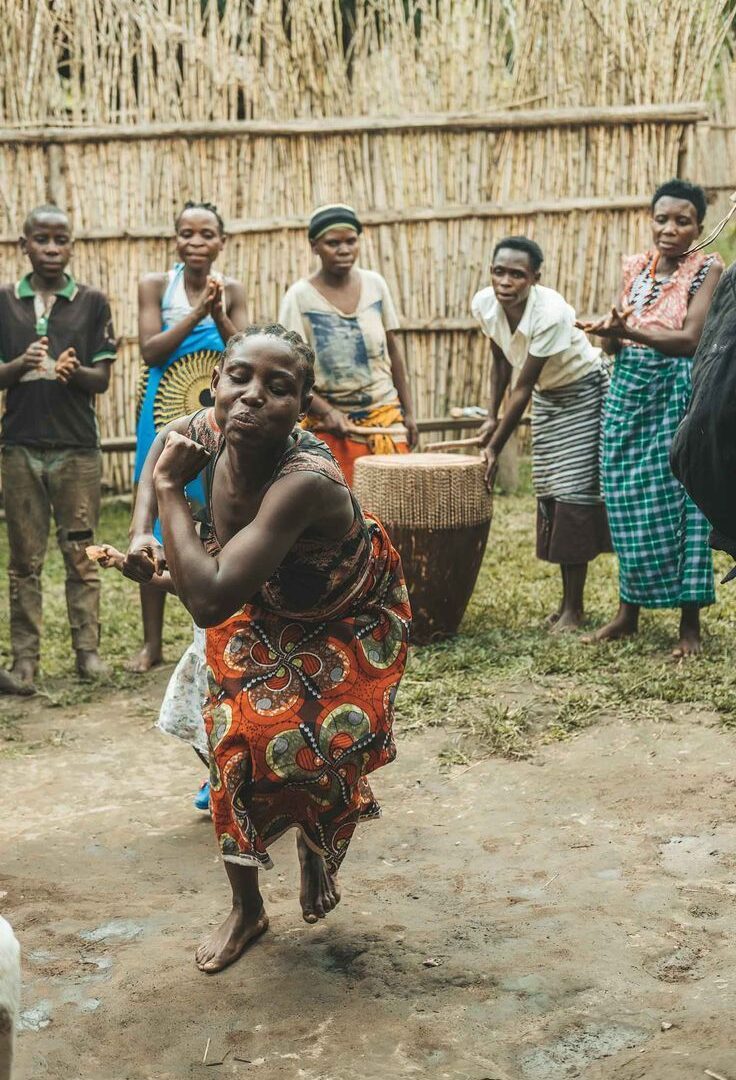
Watching traditional dancers perform around the rhythm of handcrafted drums, sharing lunch with a local family, learning how banana beer is prepared, or hearing legends that have survived for hundreds of years creates connections that wildlife alone cannot provide.
This is why Uganda traditional tours have become an essential part of modern safari itineraries.
They allow travelers to discover not only the landscapes and wildlife of the Pearl of Africa but also the people whose traditions continue to shape its remarkable character.
Why Traditional Tours Are Becoming One of Uganda’s Most Popular Travel Experiences
Travel has changed significantly over the past decade.
Many travelers no longer want to simply visit famous attractions, take photographs, and move on to the next destination.
Instead, they want authentic experiences that allow them to understand the places they visit.
Uganda is perfectly positioned to offer this type of meaningful travel.
The country’s cultural diversity is extraordinary.
With more than fifty indigenous communities spread across different regions, Uganda offers one of Africa’s richest cultural landscapes.
Each community has developed its own language, architecture, music, dance, ceremonies, clothing, agricultural practices, and social traditions.
These differences make every traditional tour unique.
A visitor spending time with fishing communities along Lake Victoria experiences a completely different lifestyle from someone visiting cattle keepers in Karamoja or farmers living near the volcanic highlands of southwestern Uganda.
The beauty of traditional tours lies in their authenticity.
Visitors are not watching performances created solely for tourists.
Instead, they experience real communities where traditions remain an important part of everyday life.
Traditional tours also create positive impacts for local people.
Income generated from community tourism supports families, encourages young generations to preserve their heritage, and demonstrates that protecting cultural identity has long-term value.
As a result, every visitor becomes part of a sustainable tourism model that benefits both travelers and local communities.
Discover Uganda’s Incredible Cultural Diversity
One of Uganda’s greatest strengths is the remarkable diversity of its people.
Although Uganda occupies a relatively small area compared to many African countries, it is home to more than fifty distinct ethnic communities.
Each has developed its own cultural identity over hundreds of years.
These traditions have been influenced by geography, climate, agriculture, trade, migration, and historical kingdoms.
Traveling across Uganda therefore feels like exploring several different cultural worlds within one country.
The Baganda dominate the central region and have one of Africa’s oldest surviving traditional kingdoms.
The Banyankole of western Uganda are famous for their long-horned Ankole cattle and pastoral traditions.
The Bakiga are known for their hardworking agricultural communities that transformed steep mountain slopes into fertile farmland.
In northeastern Uganda, the Karamojong continue preserving a lifestyle centered around cattle, family, and community.
Near Bwindi and Mgahinga, the Batwa share one of the oldest forest cultures in Africa.
Meanwhile, the Basoga, Batooro, Acholi, Iteso, Alur, Bagisu, and many other communities each contribute unique traditions that enrich Uganda’s cultural identity.
This diversity means that no two traditional tours are exactly alike.
Every destination introduces visitors to new customs, different cuisines, unique ceremonies, and fascinating local histories.
For travelers, this creates endless opportunities to learn, interact, and experience Uganda from perspectives that go far beyond wildlife safaris.
Traditional Villages: Where Uganda’s Culture Comes to Life
Perhaps the most authentic part of a Uganda traditional tour is visiting local villages.
Unlike cities, villages preserve many customs that have been practiced for generations.
Walking through a traditional village allows travelers to observe everyday life at a comfortable pace.
Visitors may watch women weaving baskets beneath shaded trees while children play nearby.
Farmers return from their gardens carrying freshly harvested bananas, cassava, or beans.
Traditional homes built from local materials stand alongside modern houses, illustrating how communities balance cultural heritage with contemporary life.
Village experiences often include opportunities to participate rather than simply observe.
Guests may help prepare local meals, learn traditional cooking techniques, grind millet, harvest crops, or practice weaving under the guidance of experienced artisans.
These simple activities create genuine conversations between visitors and local families.
Instead of feeling like outsiders, travelers become temporary members of the community, sharing stories, laughter, and experiences that often remain among the highlights of their safari.
Village tours also provide valuable insight into education, healthcare, farming, family structures, and community cooperation, helping visitors understand both the traditions and modern realities of life in rural Uganda.
For many guests, these human connections become every bit as memorable as seeing mountain gorillas or lions in the wild.
Explore the Royal Heritage of the Buganda Kingdom
No traditional tour of Uganda is complete without understanding the history and influence of the Buganda Kingdom.
Located in central Uganda, Buganda is one of Africa’s oldest and most organized traditional kingdoms, with a history that stretches back hundreds of years. Even today, the kingdom remains an important cultural institution, preserving customs, ceremonies, architecture, and royal traditions that continue to shape modern Uganda.
A Buganda cultural experience allows visitors to discover a fascinating blend of history, tradition, and living heritage.
Travelers can visit important cultural sites such as:
- The Kasubi Tombs, a UNESCO World Heritage Site
- The Kabaka’s Palace at Mengo
- Bulange, the parliament of the Buganda Kingdom
- Traditional clan sites
- Local craft markets
The Kasubi Tombs are among the most significant cultural landmarks in Uganda.
Built using traditional architectural methods and local materials, the tombs serve as the burial site of Buganda kings and symbolize the spiritual connection between the kingdom’s past and present.
Visitors learn about:
- The history of Buganda kings
- Clan systems
- Traditional leadership
- Royal ceremonies
- Cultural values
These experiences provide valuable insight into one of East Africa’s most influential kingdoms.
For travelers interested in history and heritage, a visit to Buganda adds depth to a Uganda safari by revealing the cultural foundations upon which much of modern Uganda is built.
Discover the Batwa: The Ancient Forest People
Among the most meaningful traditional tours in Uganda is the opportunity to meet the Batwa people.
The Batwa are one of the oldest indigenous communities in the region and lived for generations in the forests surrounding Bwindi Impenetrable National Park and Mgahinga Gorilla National Park.
Long before gorilla tourism and conservation areas were established, the Batwa depended on the forest for:
- Food
- Medicine
- Shelter
- Spiritual practices
A Batwa cultural experience introduces visitors to this remarkable heritage.
Guided by Batwa community members, travelers learn how forest life shaped their traditions and survival skills.
Activities may include:
- Traditional storytelling
- Demonstrations of hunting methods
- Learning about medicinal plants
- Traditional dances
- Music performances
The experience is both educational and emotional because it highlights the close relationship between people and nature.
Visitors gain a better understanding of the challenges faced by indigenous communities while also supporting efforts to preserve Batwa culture for future generations.
For many travelers, a Batwa visit adds important cultural context to gorilla trekking experiences in Bwindi and Mgahinga.
It reminds visitors that these forests are not only home to wildlife but also part of human history.
Experience the Karamojong Way of Life
In the remote northeastern region of Uganda lies Karamoja, one of the country’s most unique cultural landscapes.
The Karamojong people are known for their pastoral traditions, deep connection to cattle, and strong community values.
Visiting Karamoja feels like stepping into a different world.
The region’s open plains, traditional settlements, and rich customs create one of Uganda’s most authentic cultural experiences.
Travelers can visit traditional homesteads, known locally as manyattas, where they learn about:
- Cattle keeping traditions
- Family structures
- Community life
- Traditional dress
- Local customs
Cattle hold enormous cultural significance among the Karamojong.
They represent wealth, identity, social relationships, and tradition.
Visitors also experience:
- Traditional dances
- Storytelling
- Local food
- Craft making
The warmth and hospitality of the Karamojong people leave lasting impressions on visitors.
Combining a cultural tour with a safari in nearby Kidepo Valley National Park creates one of Uganda’s most rewarding travel experiences.
Travelers enjoy spectacular wildlife during the day and meaningful cultural interactions with local communities.
Discover the Ankole Cattle Culture
Western Uganda is famous for its beautiful landscapes, rolling hills, and long-horned Ankole cattle.
For generations, cattle have played an important role in the culture of the Banyankole people.
Traditional tours in this region allow visitors to experience a pastoral lifestyle that has shaped local communities for centuries.
Travelers may:
- Visit cattle farms
- Learn about traditional livestock management
- Participate in milking activities
- Hear stories about cattle traditions
The Ankole long-horned cattle are among the most striking animals in Africa.
Their impressive horns and graceful appearance make them an important symbol of the region.
Cattle are deeply connected to:
- Marriage traditions
- Social identity
- Community relationships
- Local ceremonies
Many cultural lodges in western Uganda combine these experiences with beautiful scenery, creating peaceful and authentic journeys.
These tours are especially popular among photographers and travelers interested in rural life.
Traditional Music and Dance: The Heartbeat of Uganda
Music and dance are central parts of life in Uganda.
Across the country, communities express their identity through performances that celebrate history, family, community, and important events.
Traditional performances often include:
- Drumming
- Singing
- Dancing
- Storytelling
Different communities have developed unique styles.
The energetic dances of western Uganda differ from the graceful performances of central Uganda or the powerful dances of northern communities.
Music is used during:
- Weddings
- Harvest celebrations
- Community ceremonies
- Religious events
- Cultural festivals
For visitors, these performances provide more than entertainment.
They create opportunities to understand the values and traditions that shape community life.
Many cultural centers and villages offer performances where visitors can also participate, learn dance steps, and interact with local performers.
These moments create joyful memories and meaningful connections.
Discover Uganda Through Traditional Food
Food is one of the best ways to experience culture.
Ugandan cuisine reflects the country’s diversity, agriculture, and local traditions.
Traditional tours often include opportunities to:
- Visit local markets
- Learn cooking techniques
- Prepare meals with families
- Taste regional dishes
Popular foods include:
- Matooke (steamed bananas)
- Millet bread
- Groundnut sauce
- Luwombo
- Posho
- Sweet potatoes
- Fresh fruits
Each region has its own specialties.
Cooking experiences allow visitors to understand how food connects families and communities.
Sharing a meal creates natural conversations and helps visitors experience Uganda beyond attractions and activities.
For many travelers, a traditional meal shared with local people becomes one of the most memorable parts of their journey.
Traditional Crafts and Local Artisans
Uganda’s artisans preserve many skills that have been passed from generation to generation.
Traditional tours often include visits to workshops where visitors observe:
- Basket weaving
- Wood carving
- Bead making
- Bark cloth production
- Pottery
Crafts are more than souvenirs.
They tell stories about culture, identity, and creativity.
Purchasing handmade items directly supports local communities and helps preserve traditional skills.
Travelers often appreciate taking home souvenirs with real cultural meaning.
Traditional Festivals and Cultural Ceremonies in Uganda
One of the most exciting ways to experience is by attending cultural festivals and community celebrations. Throughout the year, different regions host events that celebrate history, harvests, music, dance, religion, and traditional leadership. These occasions bring entire communities together and provide visitors with a rare opportunity to witness customs that have been passed down through generations.
Unlike performances arranged specifically for tourists, festivals are genuine celebrations of identity and heritage. The atmosphere is filled with colorful traditional clothing, energetic drumming, joyful dancing, storytelling, and local cuisine.
Depending on the time of year, visitors may have the opportunity to witness:
- Royal ceremonies within traditional kingdoms
- Community harvest celebrations
- Cultural dance festivals
- Traditional marriage ceremonies (when invited)
- Religious and spiritual celebrations
- Local music competitions
Each festival reflects the traditions of the host community, making every experience unique. Travelers not only enjoy spectacular performances but also gain a deeper appreciation for the values that continue to unite Ugandan communities.
Because festivals take place on specific dates, planning ahead with a knowledgeable tour operator allows visitors to include these special events in their safari itinerary.
Community Tourism: Travel That Makes a Difference
Modern travelers increasingly want their holidays to benefit the destinations they visit. Community tourism offers exactly that.
Uganda has become one of Africa’s leading examples of community-based tourism, where visitors directly support local people through meaningful cultural experiences. Instead of tourism income remaining within large businesses, community tourism creates opportunities for families, artisans, guides, performers, and local entrepreneurs.
When visitors participate in traditional tours, they help support:
- Local schools
- Women’s craft groups
- Youth employment
- Cultural preservation projects
- Community conservation initiatives
- Small family businesses
This approach creates positive relationships between tourism and local communities.
Many villages have developed cultural experiences that allow visitors to enjoy authentic interactions while creating sustainable sources of income. These programs encourage younger generations to preserve traditional knowledge because they see real value in protecting their heritage.
Community tourism also strengthens conservation.
When local communities benefit from tourism, they become active partners in protecting Uganda’s wildlife, forests, and cultural sites.
This creates a future where tourism supports both people and nature.
Combining Traditional Tours with Uganda’s Wildlife Safaris
One of the greatest advantages of traveling in Uganda is that cultural experiences fit naturally into almost every safari itinerary.
Instead of treating culture and wildlife as separate experiences, travelers can combine both to create a richer and more rewarding journey.
For example:
A gorilla trekking safari in Bwindi can include a Batwa cultural experience.
A wildlife safari in Queen Elizabeth National Park can be combined with visits to nearby fishing communities.
A trip to Kidepo Valley National Park becomes even more memorable when travelers spend time with the Karamojong people.
Lake Mburo National Park offers opportunities to experience Banyankole cattle culture alongside walking safaris and wildlife viewing.
These combinations create balanced itineraries where visitors experience both Uganda’s incredible biodiversity and the traditions of the people who call these landscapes home.
Rather than rushing from one national park to another, travelers slow down and connect with Uganda on a much deeper level.
This is often what transforms a good safari into an unforgettable one.
The Best Places for Traditional Tours in Uganda
Although cultural experiences can be found throughout the country, several destinations stand out for the richness and diversity of their traditions.
Central Uganda
Central Uganda is ideal for travelers interested in royal history and traditional kingdoms. Visitors can explore Buganda’s cultural heritage through palaces, royal tombs, museums, and cultural centers.
Southwestern Uganda
This region combines gorilla trekking with Batwa cultural experiences, traditional farming communities, and the beautiful landscapes of Kigezi.
Travelers enjoy both wildlife adventures and meaningful community interactions.
Western Uganda
Western Uganda offers opportunities to experience the traditions of the Banyankole and Batooro communities while exploring crater lakes, tea plantations, and national parks.
Northeastern Uganda
Karamoja provides one of East Africa’s most authentic cultural experiences.
Visitors discover pastoral traditions, traditional villages, cattle culture, and dramatic landscapes unlike anywhere else in Uganda.
Eastern Uganda
Eastern Uganda combines mountain communities, coffee farming traditions, waterfalls, and rich cultural heritage around Mount Elgon and Sipi Falls.
Each region tells a different story, encouraging travelers to explore Uganda beyond its famous wildlife destinations.
Responsible Cultural Tourism in Uganda
Respect is the foundation of every meaningful cultural experience.
When visiting local communities, travelers should remember that they are guests.
Responsible cultural tourism means approaching every experience with curiosity, appreciation, and sensitivity.
Simple practices make a positive difference:
Always ask permission before photographing people.
Dress respectfully, especially in rural communities and religious sites.
Listen carefully to local guides and community leaders.
Support local businesses by purchasing authentic handmade crafts.
Participate with genuine interest rather than treating communities as attractions.
These small actions help build positive relationships between visitors and local people.
Responsible tourism also ensures that future generations continue to benefit from cultural travel.
Frequently Asked Questions About Uganda Traditional Tours
Are Uganda traditional tours suitable for families?
Yes.
Many cultural experiences are family-friendly and allow children to learn through storytelling, music, dance, cooking, and community activities.
Can traditional tours be combined with gorilla trekking?
Absolutely.
Many travelers combine gorilla trekking in Bwindi or Mgahinga with Batwa cultural experiences and community visits.
How long does a traditional tour usually last?
Traditional experiences vary from short village visits lasting a few hours to full-day community tours or multi-day cultural journeys across different regions.
Do traditional tours benefit local communities?
Yes.
Responsible community tourism creates employment, supports local businesses, preserves cultural traditions, and contributes to conservation efforts.
What should I wear during a traditional village visit?
Comfortable, modest clothing is recommended.
Lightweight clothing, comfortable walking shoes, sunscreen, and a reusable water bottle are usually suitable for most cultural experiences.
Final Thoughts on Uganda Traditional Tours
Uganda’s wildlife may introduce you to the Pearl of Africa, but its people are what truly bring the destination to life.
Traditional tours reveal a side of Uganda that cannot be experienced through game drives alone. They invite travelers into communities where history is remembered through stories, where music and dance remain part of daily life, where handcrafted art reflects generations of creativity, and where hospitality makes every visitor feel welcome.
These experiences remind us that travel is about more than seeing places. It is about understanding people.
By spending time with local communities, learning their traditions, sharing meals, and listening to their stories, travelers return home with a deeper appreciation of Uganda’s remarkable cultural diversity.
Whether you are exploring a royal palace in Buganda, learning survival skills from the Batwa, watching traditional dances in Karamoja, or sharing a home-cooked meal with a rural family, every cultural encounter adds another layer to your Uganda adventure.
The most memorable safaris are those that combine extraordinary wildlife with authentic human connections—and Uganda offers both in abundance.
Experience Authentic Uganda Traditional Tours with Adventure in the Wild Safaris
At Adventure in the Wild Safaris, we believe that the heart of every safari lies not only in the wildlife you see but also in the people you meet.
Our carefully designed traditional tours introduce travelers to Uganda’s diverse cultures through authentic, respectful, and community-focused experiences that create lasting memories while supporting local livelihoods.
Whether you want to explore ancient kingdoms, meet indigenous communities, discover traditional crafts, experience local cuisine, or combine cultural encounters with wildlife adventures, we can create an itinerary tailored to your interests.
Our cultural and safari experiences include:
- Traditional village tours
- Batwa cultural experiences
- Karamojong community visits
- Buganda heritage tours
- Gorilla trekking safaris
- Wildlife game drives
- Birding safaris
- Community-based tourism experiences
- Tailor-made Uganda safari holidays
Our experienced local guides are passionate about sharing Uganda’s rich heritage while ensuring every journey is authentic, meaningful, and unforgettable.